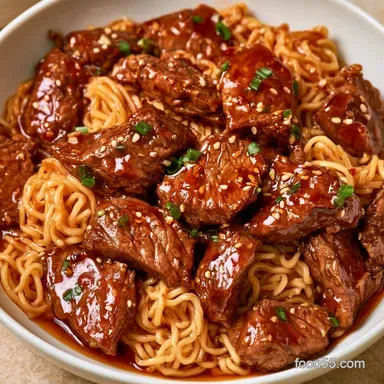
Teriyaki Beef Ramen: Glossy and Savory
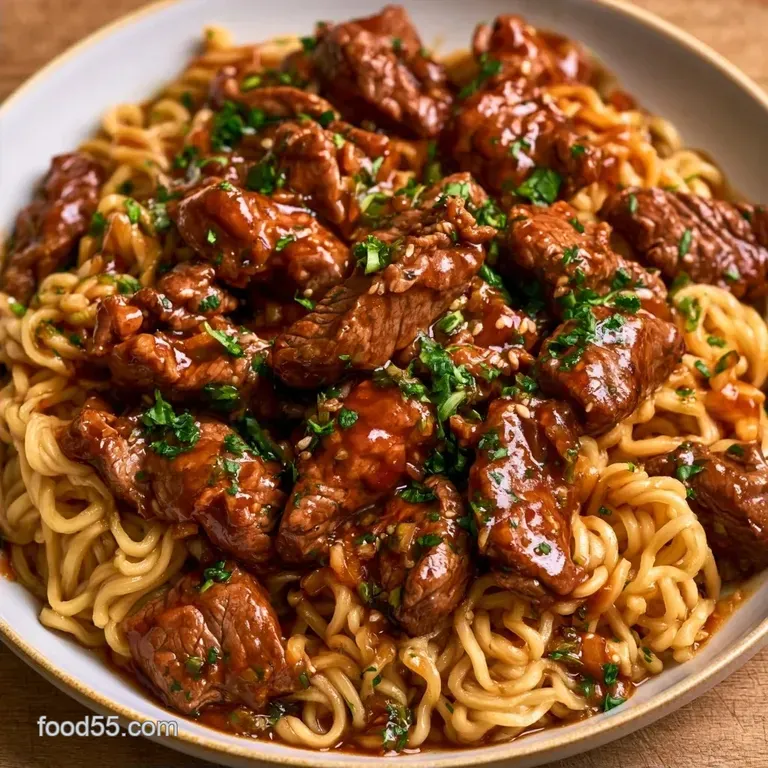
- Time: 5 min active + 15 min cook
- Flavor/Texture Hook: Glossy, savory glaze with springy noodles
- Perfect for: Fast weeknight fusion dinners
The rain was drumming a relentless beat against the kitchen window, the kind of Tuesday that demands something warm and comforting. I wanted the depth of a slow simmered bowl but had exactly twenty minutes before the kids started complaining they were hungry.
I leaned into a more contemporary approach, swapping the traditional broth for a thick, glossy reduction that clings to every strand of noodle.
It's a composition of bold colors and sharp flavors. You get the deep, dark tones of the beef, the neon pop of the green onions, and the bright orange of julienned carrots. This Teriyaki Beef Ramen isn't about following a rigid set of rules, it's about the balance of salty and sweet.
If you're looking for a meal that feels like a high end fusion dish but takes less time than ordering takeout, this is it. We're focusing on high heat and fast movements to keep the vegetables crisp and the beef intensely seared.
Why These Flavors Hit Different
Cornstarch Suspension: Whisking the starch into cold liquid first prevents clumps. This creates a silky coating that binds the beef and noodles together without feeling heavy.
Controlled Under boiling: Pulling the ramen out a minute early allows the pasta to absorb the savory sauce during the final toss. This keeps the texture springy rather than soggy.
Over High heat Searing: Browning the beef deeply before adding liquids creates a rich base. If you love this style of umami, you might also enjoy my teriyaki marinade for other proteins.
Tools You'll Actually Need
While you don't need high end equipment, a few specific items will make things easier. A large skillet is a must; you need ample surface area to ensure the beef browns properly instead of steaming. In a cramped pan, the meat tends to grey and boil, stripping away that deep, caramelized color.
A fine mesh colander is crucial for the ramen. To keep up with the fast pace of this recipe, you'll want to drain the noodles instantly. I also recommend using a whisk for the sauce to ensure the cornstarch and brown sugar are perfectly combined.
Finally, a sharp chef's knife is ideal for the julienning. Slicing the carrots into thin matchsticks ensures they cook through in the same amount of time as the sautéed broccoli.
The Essential Ingredient List
The components here are all about contrast. We have the salt from the soy, the sweetness of the sugar, and the pungent heat of fresh ginger.
| Ingredient | Role | If You Don't Have It |
|---|---|---|
| Ground Beef (90% lean) | Protein base and savoriness | Ground turkey or pork |
| Ramen Noodles | The springy structure | Udon or thick spaghetti |
| Soy Sauce | Primary salty umami | Tamari or liquid aminos |
| Cornstarch | Thickens the glaze | Arrowroot powder |
Sourcing the Best Components
For the beef, 90% lean is a sweet spot. If you go too lean, the meat gets dry. If you go too fatty, the glaze becomes oily and separates. I usually go for a standard lean ground beef, but you can use ground pork for a slightly sweeter, richer profile.
The vegetables are where the color balance comes in. Broccoli provides a deep green, and the carrots bring a necessary brightness. I prefer fresh ginger over the powdered stuff because the aromatic oils are much more vivid.
Substitutions for Variety
If you're out of brown sugar, honey works well but will make the sauce slightly thicker and more floral. For the ramen, if you're avoiding processed packets, fresh ramen noodles from the refrigerated section are a great upgrade.
If you want to swap the beef for something else, this technique works for shrimp too, though you'll need to adjust the cooking time to about 3 minutes so they don't overcook. For a different take on savory beef, check out my ground beef and rice recipe.
Timing and Yield
This recipe is designed for speed without sacrificing the artistic quality of the dish.
| Feature | This Fast Version | Classic Ramen |
|---|---|---|
| Broth Style | Glossy Glaze | Deep Soup |
| Total Time | 20 Minutes | 12+ Hours |
| Beef Style | Browned Ground Beef | Sliced Braised Brisket |
- 1. Beef browning
- 5-7 minutes.
- 2. Noodle boil
- 1 minute less than package instructions.
- 3. Final glaze toss
- 1-2 minutes.
This makes 5 servings. It's a generous amount, which is great for meal prep, but it also scales down easily if you're just cooking for two.
Making Your Teriyaki Beef Ramen
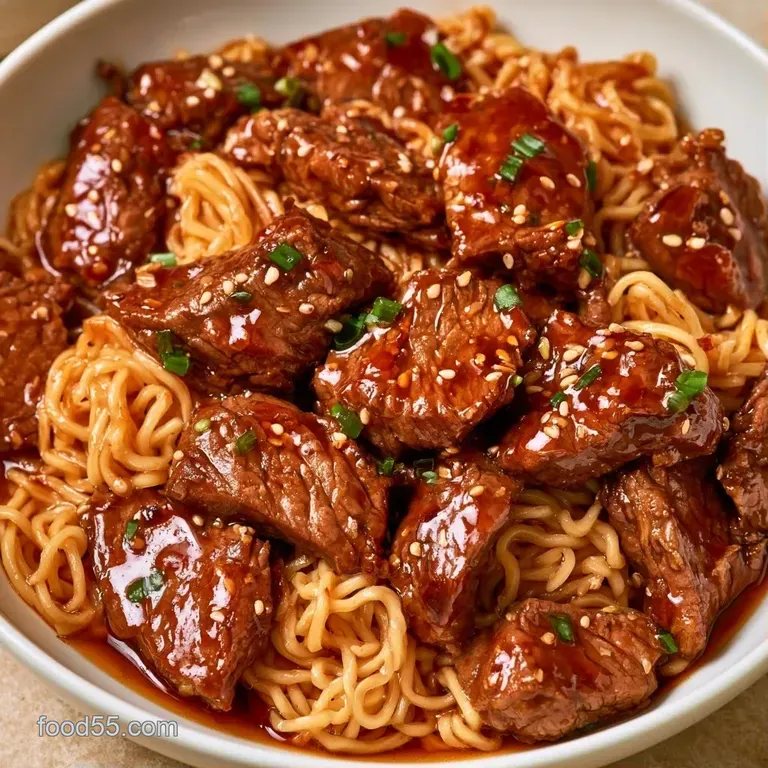
Let's start the cooking process. The key is to maintain a steady pace to keep the heat consistent.
Phase 1: The Base Prep
- Bring a medium pot of water to a boil. Cook the ramen noodles for 1 minute less than the package directions recommend. Note: This ensures they stay al dente for the final pan fry.
- Drain the noodles using a colander and set them aside. Avoid rinsing them, as the remaining starch helps the sauce adhere.
- In a small bowl, whisk together the soy sauce, brown sugar, grated ginger, minced garlic, cornstarch, and water. Stir until the cornstarch is completely dissolved and smooth.
Phase 2: Searing the Beef
- Set a large skillet over medium high heat and add the 1 lb of ground beef.
- Brown the beef, breaking it up with a spatula, until it is no longer pink. This typically takes 5-7 minutes. Ensure the edges are dark brown before you stop.
- Pour off all but 1 tablespoon of the rendered fat. Note: Excess grease can prevent the Teriyaki Beef Ramen sauce from thickening properly.
Phase 3: The Glaze Integration
- Push the beef to the edges of the skillet and add the sesame oil to the center.
- Toss in the julienned carrots and broccoli florets. Sauté for 3-4 minutes until they are bright in color and tender crisp.
- Pour the teriyaki sauce mixture over the vegetables and beef. Stir constantly for 2 minutes until the sauce bubbles and becomes a glossy glaze.
- Stir in the partially cooked ramen noodles. Toss thoroughly for 1-2 minutes until every strand of the Teriyaki Beef Ramen is well coated and the sauce is absorbed.
- Portion the mixture into bowls and garnish with sesame seeds and sliced green onions.
Solving Common Cooking Issues
Despite the easy steps, a few things can go wrong. Most mistakes with this dish stem from incorrect heat or poor timing.
Stopping Mushy Noodles
If the noodles end up too soft, they were likely boiled for too long. Since they cook a second time within the sauce, the initial boil must be very brief. If they are already overcooked, limit the final tossing to 30 seconds to prevent them from falling apart.
Thicken a Runny Sauce
A sauce that stays thin usually indicates that the cornstarch didn't dissolve fully or the pan wasn't hot enough to activate the thickening. You can stir in a small amount of additional cornstarch slurry at the very end, ensuring the heat remains high.
Preventing Grey Beef
Beef turns grey when the pan is overcrowded or the heat is too low, causing the meat to steam in its own juices. Use a spacious pan and avoid stirring constantly. Let the meat sit for a minute to achieve a deep, brown sear.
| Problem | Root Cause | Solution |
|---|---|---|
| Noodles are mushy | Over boiled in water | Drain 1 min early next time |
| Sauce is watery | Not enough heat/starch | Simmer longer or add slurry |
| Beef is grey | Pan too crowded/cool | Use larger pan, higher heat |
| Veggies are soggy | Over sautéed | Remove from heat while still crisp |
Freshness and Leftover Tips
Teriyaki Beef Ramen keeps well, although the noodles tend to soak up more sauce over time. This may leave the dish feeling a bit drier the following day.
Place leftovers in an airtight vessel in the fridge for no more than 3 days. To reheat, avoid using the high microwave setting immediately. Instead, stir in a splash of water or a teaspoon of soy sauce first to re-moisturize the noodles and loosen the glaze.
I wouldn't recommend freezing the noodles, as they often become grainy and lose their texture. You can, however, freeze the beef and vegetable mixture. Thaw this overnight in the refrigerator, then combine it with freshly boiled noodles for a quick meal.
To reduce waste, utilize the broccoli stems. Peel away the tough outer skin, chop the core into small cubes, and add them in with the carrots. They provide a nice crunch and a taste similar to the florets.
Creative Flavor Swaps
After mastering the basic Teriyaki Beef Ramen, feel free to experiment with the colors and tastes.
| Goal | What to change |
|---|---|
| More Heat | Stir sriracha into the sauce |
| Extra Veg | Double the carrots and toss in snap peas |
| Lower Salt | Opt for low sodium soy sauce |
For an extra kick, I enjoy mixing a tablespoon of Gochujang (Korean chili paste) into the whisked sauce. This provides a rich red hue and a fermented depth that complements the beef perfectly. For a brighter, zingier finish, add a squeeze of fresh lime just before eating.
To make this plant based, replace the ground beef with tempeh or crumbled extra firm tofu. Be sure to brown the tofu until the edges are crisp before mixing in the vegetables.
If you prefer a different base, this sauce pairs wonderfully with my ground beef and rice approach; however, you should increase the amount of sauce slightly to compensate for the rice's absorption.
Plating for Visual Impact
Because this is a fusion recipe, the plating should feel contemporary. I view the bowl as a canvas, focusing on a specific color palette to ensure the meal is as visually stunning as it is delicious.
Start with the foundation. The noodles and beef create a rich, mahogany toned base that anchors the entire dish. To keep the colors vivid, I arrange the broccoli and carrots in small clusters rather than stirring them in completely.
Next, add your accents. The green onions should be sliced very thinly on a diagonal. I scatter them across the top in a way that feels random yet purposeful, providing a bright, fresh green pop against the dark glaze.
Finally, sesame seeds add subtle flecks of white and gold contrast. Sprinkle these last so they sit perched on top of the sauce. For a more elevated presentation, try adding a few thin slices of red chili or a swirl of toasted sesame oil on the surface.
This professional touch makes a quick 20 minute meal feel like a gourmet restaurant experience.
Critical Sodium Level
1774 mg 1774 mg of sodium per serving (77% 77% of daily value)
The American Heart Association recommends that adults limit their sodium intake to 2,300 mg per day, and ideally less than 1,500 mg for those with hypertension.
Sodium Reduction Strategies
-
Swap the Soy Sauce-30%
Replace regular soy sauce with low-sodium soy sauce or coconut aminos to significantly cut down the primary salt source.
-
Change Your Noodles-20%
Use brown rice noodles or fresh whole wheat noodles instead of processed ramen packs, which often contain hidden salt.
-
Add Acidic Brightness-20%
Replace a portion of the soy sauce with rice vinegar or fresh lime juice to maintain a bold flavor profile with less salt.
-
Enhance Aromatics
Increase the amount of fresh ginger and minced garlic to add depth and complexity without needing extra sodium.
Recipe FAQs
Is teriyaki sauce a good choice for beef ramen?
Yes, it provides a perfect sweet savory balance. The brown sugar and soy sauce create a glossy glaze that clings well to the noodles and ground beef.
Which noodles work best with teriyaki beef?
Ramen noodles are the ideal choice. Their alkaline structure holds up under the heavy glaze, though fresh refrigerated noodles provide a more premium texture.
How to improve the flavor of basic instant ramen?
Sauté fresh garlic and ginger in sesame oil first. This adds a layer of aromatic depth that processed seasoning packets lack.
Do ramen noodles pair well with teriyaki sauce?
Yes, it works exceptionally well. Simply toss the cooked noodles into the simmering beef and sauce mixture for 1-2 minutes until fully glazed.
What ingredients replace the flavor packet?
Whisk soy sauce, brown sugar, ginger, and garlic. This homemade mixture offers more control over sodium and a fresher taste than store-bought powders.
Is it true that instant noodles must be cooked fully before adding sauce?
Surprisingly, no. Cooking them for one minute less than the package suggests prevents them from becoming mushy when tossed in the skillet.
Can ground beef be swapped for other proteins?
Yes, shrimp or sliced steak work great. If you enjoyed mastering the searing technique here, see how the same principle works in our lamb pistachio patties.
Teriyaki Beef Ramen