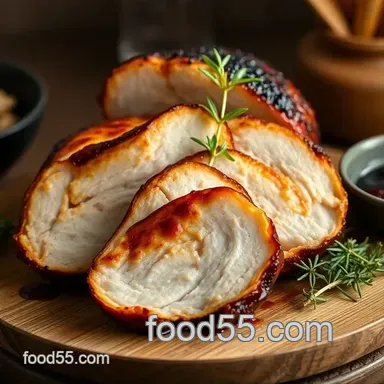
Smoked Turkey with Smoked Paprika
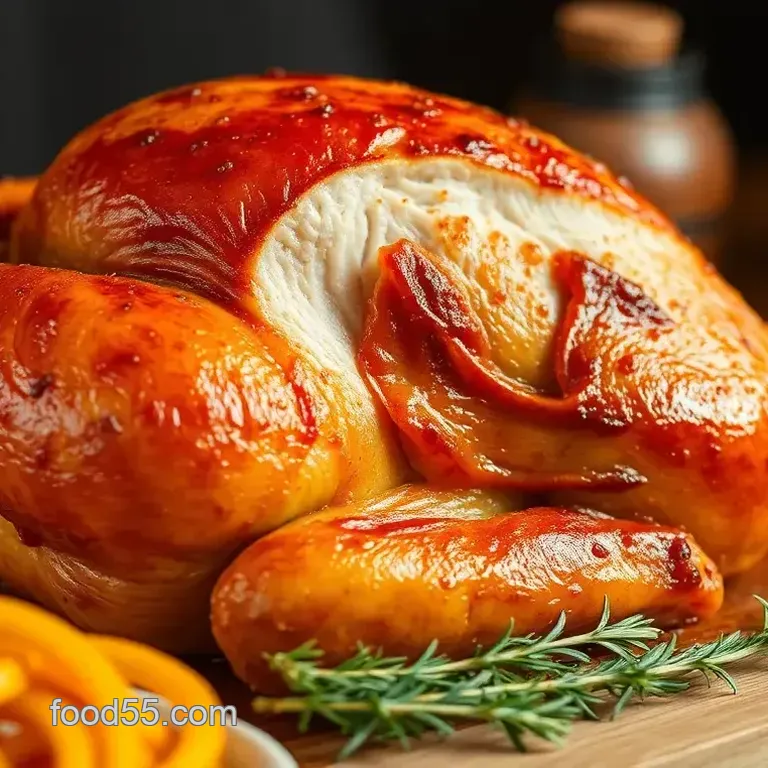
- Time: 30 min active + 12-24 hours chilling
- Flavor/Texture Hook: Shattering crispy skin and rich, herbal meat
- Perfect for: Holiday centerpieces or large family gatherings
- Smoked Turkey
- How to Get the Smoke Right
- Gear for the Big Bird
- Everything You Need to Buy
- Timing and Temperature Details
- Step-by-Step Smoking Process
- Fixing Common Turkey Issues
- Adjusting Your Batch Size
- Keeping Leftovers Fresh
- Different Flavor Profiles
- What to Serve Alongside
- High in Sodium
- Recipe FAQs
- 📝 Recipe Card
Smoked Turkey
The smell of hickory smoke drifting across the backyard is a signal that something special is happening. For many of us, the holiday table isn't complete without a massive bird, but the tradition often comes with the fear of a dry, tasteless breast.
In my house, we grew up with the classic oven-roasted bird, but switching to the smoker changed how we view the centerpiece. It turns a standard meal into a celebration of local hardwoods and patient cooking.
Getting a Smoked Turkey right means balancing the smoke penetration with the internal moisture. I spent years fighting with wet brines that left the meat tasting like a salt lick and the skin looking like boiled rubber.
The trick is to move away from the bucket of salt water and instead focus on a dry cure approach that prepares the skin to crisp up and the meat to hold onto its juices.
You can expect a bird that looks like a mahogany sculpture and tastes like a professional BBQ pit. We're using a technique called the "juicy flavorful twist" by stuffing herb butter directly under the skin. This protects the lean breast meat from the direct heat of the smoker, ensuring every slice is tender.
How to Get the Smoke Right
- Dry Brining: Salt pulls moisture out of the skin and then re absorbs it into the muscle, which breaks down proteins for a more tender Smoked Turkey.
- Compound Butter: Fat acts as a thermal barrier under the skin, preventing the breast meat from drying out during the long smoke.
- Two Stage Heat: Starting low allows smoke to penetrate deeply, while finishing higher ensures the skin renders and crisps.
The way the salt interacts with the surface is key. Serious Eats' testing shows that air drying the skin in the fridge prevents a gummy texture.
| Method | Prep Time | Skin Texture | Best For |
|---|---|---|---|
| Classic Roast | 1 hour | Soft/Golden | Small gatherings |
| Smoked Turkey | 24 hours | Shattering/Dark | Holiday crowds |
Gear for the Big Bird
You'll need a smoker capable of maintaining a steady 225°F. Whether you use a pellet grill like a Traeger or a traditional offset pit, consistency is what prevents the meat from stalling. I suggest using a digital probe thermometer so you can monitor the breast temperature without opening the lid and losing heat.
A sturdy wire rack and a large baking sheet are essential for the dry brine phase. This allows air to circulate around the entire Smoked Turkey in the fridge. If you don't have a rack, you can use a clean cooling rack from your baking set.
Everything You Need to Buy
Most of these are basic cupboard staples, though using fresh herbs really elevates the final aroma. I find that seasonal, locally sourced organic herbs provide the most vibrant flavor.
For the Dry Rub
- 60g Kosher salt Why this? Coarse crystals penetrate the meat more effectively than table salt
- 16g Black pepper
- 8g Smoked paprika
- 8g Garlic powder
- 2g Onion powder
- 2g Dried thyme
For the Juicy Flavorful Twist Butter
- 115g Unsalted butter, softened Why this? The high fat level keeps the breast from drying out
- 15ml Lemon juice
- 2g Fresh rosemary, minced
- 2g Fresh sage, minced
- 1g Cayenne pepper
For the Cavity
- 150g Yellow onion, quartered
- 100g Lemon, halved
- 50g Garlic, sliced crosswise
- 4g Fresh thyme
- 13 lb Whole Turkey, thawed completely Why this? This size fits most smokers and ensures even cooking
| Component | Purpose | Substitute Notes |
|---|---|---|
| Kosher Salt | Moisture draw | Sea salt: Works, but adjust by weight |
| Unsalted Butter | Moisture barrier | Ghee: Higher heat resistance and less water |
| Smoked Paprika | Color/Flavor | Sweet Paprika: Missing that woodsy depth |
| Fresh Sage | Earthy notes | Dried sage: Use only 1/3 of the amount |
Now, let's go over a few alternatives if your pantry is missing a few things. These won't spoil the Smoked Turkey, but they will slightly alter the taste.
| Original Ingredient | Substitute | Why It Works |
|---|---|---|
| Fresh Rosemary | Dried Rosemary | Comparable flavor. Note: Far more potent; use less |
| Lemon Juice | Lime Juice | Offers the required acidity. Note: Adds a zesty, brighter citrus note |
| Unsalted Butter | Lard | Rich in fat. Note: More "savory" but misses the buttery finish |
Timing and Temperature Details
Timing a Smoked Turkey is more about the internal temperature than the clock. However, having a baseline helps you plan your day. For a 13 lb bird, you're looking at a long process, but most of it is passive.
- Prep Time:30 minutes
- Dry Brine Time: 12 to 24 hours (refrigerated)
- Cooking Time:300 minutes (5 hours)
- Total Process:1410 minutes (23 hours 30 mins)
- Smoker Temp: 225°F (107°C)
- Pull Temp: 165°F (74°C)
Keep in mind that the temperature of your meat before it goes in the smoker matters. If the bird is ice cold from the fridge, it might take a bit longer to start moving. USDA guidance puts the safe internal temperature at 165°F for poultry.
Step-by-step Smoking Process
Phase 1: The Prep and Dry Brine
- Thoroughly wipe the turkey dry with paper towels. Note: Removing surface moisture prevents steaming and ensures a deep mahogany crust.
- In a small bowl, stir together the kosher salt, black pepper, smoked paprika, garlic powder, onion powder, and dried thyme.
- Generously apply the dry rub to the entire bird, including the cavity.
- Set the turkey on a cooling rack atop a baking sheet and chill uncovered for 12 to 24 hours, until the skin feels like parchment paper.
Phase 2: Seasoning the "Twist"
- Blend the softened unsalted butter, lemon juice, minced rosemary, minced sage, and cayenne pepper into a smooth paste.
- Carefully loosen the skin from the breast meat with your fingers, then slide half of the compound butter underneath. Note: Use a gentle touch to avoid tearing the skin.
- Spread the rest of the butter over the outside of the turkey.
- Fill the cavity with the quartered onion, halved lemon, sliced garlic, and sprigs of fresh thyme.
Phase 3: The Smoke Process
- Transfer the bird to the smoker set at 225°F (107°C). Smoke until the internal temperature stops rising (the stall), then crank the heat to 300°F to finish.
- Take the turkey out of the smoker once the breast hits 165°F (74°C).
Phase 4: The Critical Rest
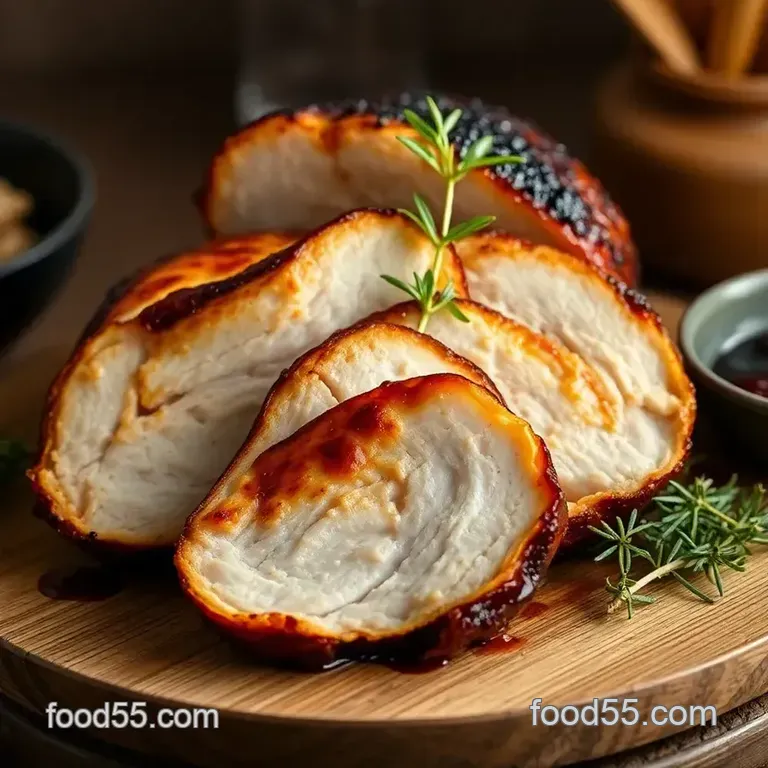
- Let the Smoked Turkey rest on a carving board for 30 to 45 minutes before carving. Note: This ensures the juices settle back into the meat rather than spilling onto the board.
Fixing Common Turkey Issues
If you're seeing the skin darken too quickly, don't panic. It happens, especially if your smoker has "hot spots" or if you're using a high sugar rub. The goal is a deep red brown, not charred black.
Skin Browning Too Fast
If the breast is getting too dark before the thighs are done, use a piece of foil. Loosely tent the breast area to deflect the heat. This keeps the smoke flowing but stops the direct radiation from burning the skin.
Breast Done, Thighs Raw
This is common because the breast is leaner and smaller. If this happens, you can carve the breast out and keep the rest of the Smoked Turkey in the smoker for another 30-60 minutes.
Meat Feels Dry
Dry meat usually comes from overcooking. If you pull the bird at 165°F and let it rest, the carryover heat will bring it to the safe zone without drying it out. If it's already dry, serve it with a rich gravy or sauce.
| Problem | Fix |
|---|---|
| Skin too dark | Tent with foil |
| Uneven cooking | Remove breast early |
| Dry meat | Increase resting time |
Adjusting Your Batch Size
When you're scaling a Smoked Turkey recipe, you can't just double the time. The physics of heat penetration doesn't work linearly.
Scaling Down (Smaller Bird) If you're using a 10 lb bird, reduce your cook time by about 20%. Use a smaller rack so the bird doesn't slide around, and keep a close eye on the breast temperature, as it will hit 165°F much faster.
Scaling Up (Larger Bird) For a 15-20 lb bird, don't double the salt. Increase the rub to 1.5x the original amount. You'll likely need to increase the cook time by 1-2 hours. Work in batches if you're doing multiple birds to ensure airflow in the smoker remains consistent.
| Goal | What to change |
|---|---|
| Faster Cook | Spatchcock the bird |
| More Smoke | Lower temp for longer |
| Extra Crispy | Extend air dry time |
Keeping Leftovers Fresh
Smoked turkey yields a generous amount of meat, so you'll likely have leftovers. To store it safely, ensure it is either slightly warm or completely chilled, but avoid the lukewarm temperature range.
Fridge and Freezer Storage Store sliced meat in glass containers with a splash of broth or drippings to maintain moisture. They will keep well when refrigerated for 3 to 4 days. For freezing, wrap the meat tightly in foil and transfer it into a freezer safe bag.
The flavor remains intact for as long as 3 months.
Zero Waste Tips Save the carcass. The bones and cavity vegetables are ideal for making stock. Roast the bones for 30 minutes, then simmer them with water, celery, and carrots for 8 hours. This produces a rich, smoky foundation for your soups or gravies.
Different Flavor Profiles
While the herb butter approach is a classic, you can easily modify the Smoked Turkey to fit your mood. Since you're already using a smoker, you can experiment with different wood chips. Apple or cherry wood adds a sweetness that pairs well with the poultry.
For a Spicy Kick
Add 5g of chipotle powder to your dry rub and replace the cayenne in the butter with diced jalapeños. This gives the meat a slow heat that cuts through the richness. If you want a different flavor profile for the exterior, you can use a Homemade Turkey Rub for a more traditional BBQ feel.
For an Earthy Herb Twist
Increase the amount of fresh sage and add a teaspoon of ground coriander to the rub. This creates a more "forest like" flavor that's wonderful during the autumn months.
Low Sodium Needs
Replace the Kosher salt in the rub with a salt free seasoning blend or a low sodium alternative. To keep the moisture, increase the amount of butter under the skin, as you'll lose the moisture drawing power of the salt.
Sugar-free Version
This recipe is naturally low in sugar, but if you're avoiding all sweeteners, ensure your smoked paprika is pure and doesn't have added dextrose. This keeps the Smoked Turkey friendly for keto or diabetic diets.
What to Serve Alongside
Since Smoked Turkey has a strong flavor profile, you'll want side dishes that complement the smoke without overshadowing it. I recommend something bright and acidic to balance the richness of the compound butter.
Traditional Pairings
Stuffing and cranberry sauce are time honored classics for a reason. The tartness of the berries perfectly offsets the deep smokiness. Adding a side of roasted root vegetables, such as carrots and parsnips, introduces a natural sweetness that pairs well with the deep brown skin.
Modern BBQ Twist
If you're going for a BBQ vibe, serve your Smoked Turkey alongside creamy coleslaw and honey glazed corn on the cob. For an extra touch, drizzle some homemade BBQ sauce over the sliced breast for a zesty finish.
Ultimately, keep in mind that patience is the most critical element of a Smoked Turkey. Do not rush the resting period or the air drying. When you finally carve the bird and see the steam rising from the succulent, herb infused meat, you'll see that the wait was worthwhile.
Trust your temperature probe, keep the fire consistent, and enjoy your feast.
High in Sodium
870 mg 870 mg of sodium per serving (38% 38% of daily value)
The American Heart Association recommends a daily sodium limit of no more than 2,300 mg for most adults to maintain heart health.
Tips to Reduce Sodium
-
Reduce the Salt-30%
Significantly decrease the Kosher salt from 60g to 30g. Since this is the primary sodium source, this change has the largest impact.
-
Increase Acidity-15%
Add more lemon juice to the butter mixture. The brightness of the acid mimics the taste of salt and enhances other flavors.
-
Double the Aromatics-10%
Increase the amount of sliced garlic and quartered onion inside the turkey to provide more natural savory depth.
-
Emphasize Fresh Herbs
Lean heavily on the fresh rosemary, sage, and thyme to provide aromatic complexity without adding sodium.
Recipe FAQs
How to keep a turkey juicy while smoking?
Dry brine for 12 to 24 hours and stuff compound butter under the skin. This combination locks in moisture and protects the breast meat during the long cook.
Should I smoke my turkey at 225°F or 250°F?
Start at 225°F (107°C). Using this lower temperature ensures a deep smoke profile before you raise the heat to finish.
What flavors work best for smoking turkey?
Combine smoked paprika, garlic powder, and onion powder. If you enjoyed controlling moisture with a dry brine here, the same principle of surface dryness helps achieve the crunch in our roasted peanuts.
Is it true that you should baste a turkey while smoking?
Actually, no. Opening the smoker disrupts the internal temperature and lets out the smoke needed for flavor.
Smoke Turkey With Juicy Flavorful Twist