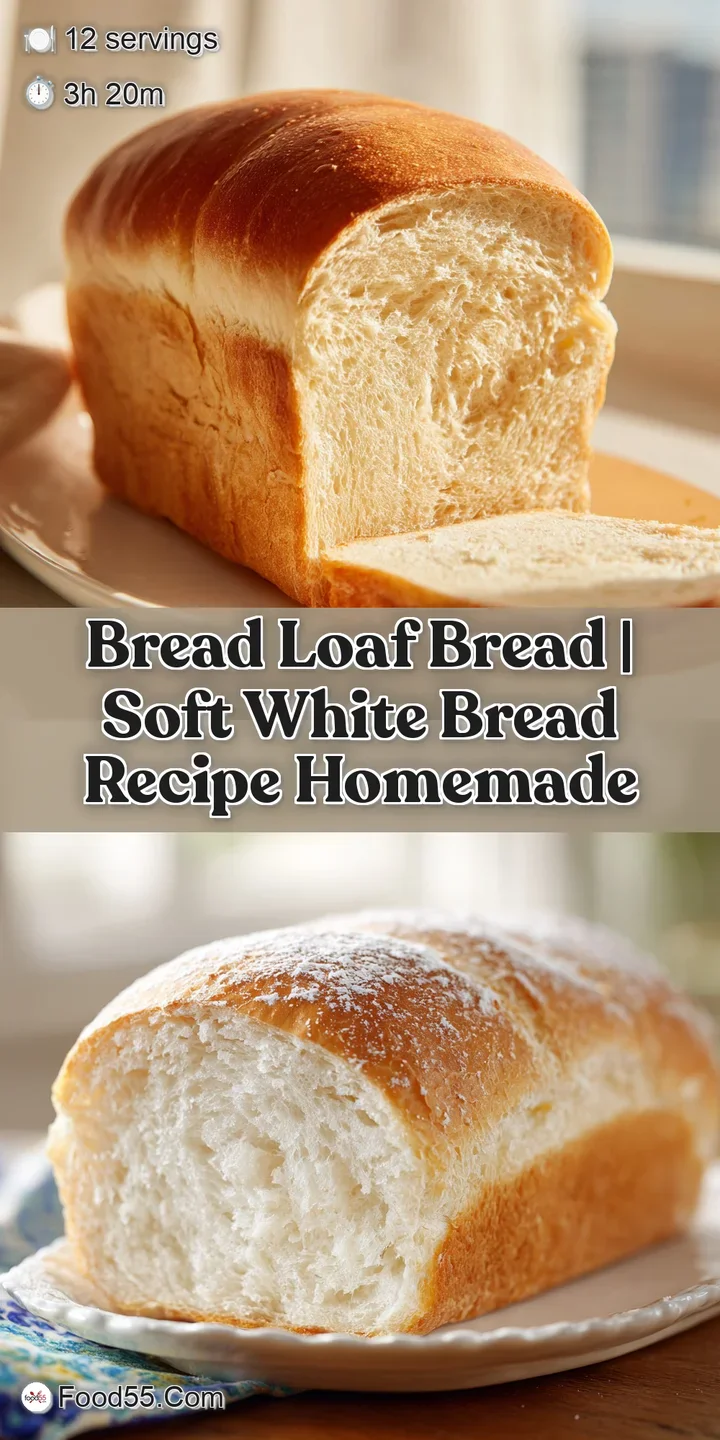
Bread Loaf Bread: Soft White and Velvety
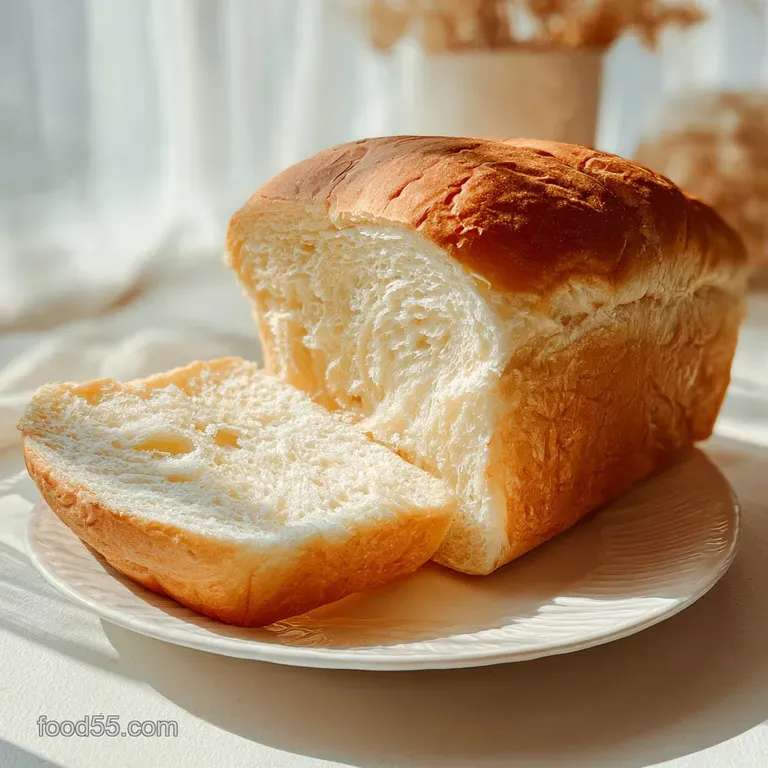
- Time: Active 30 min, Passive 140 min, Total 200 min
- Flavor/Texture Hook: Velvety crumb with a deep mahogany gold crust
- Perfect for: Weekend brunches or a heartfelt gift for neighbors
Baking The Best bread loaf bread
The smell of yeast blooming in warm water is one of those scents that just stops time. I remember the first time I tried this with honey from a local farm down the road. The air in my kitchen turned thick and sweet, and for a moment, everything felt slow and right.
There's something about the ritual of kneading dough that clears the mind, especially when you're using fresh, seasonal ingredients.
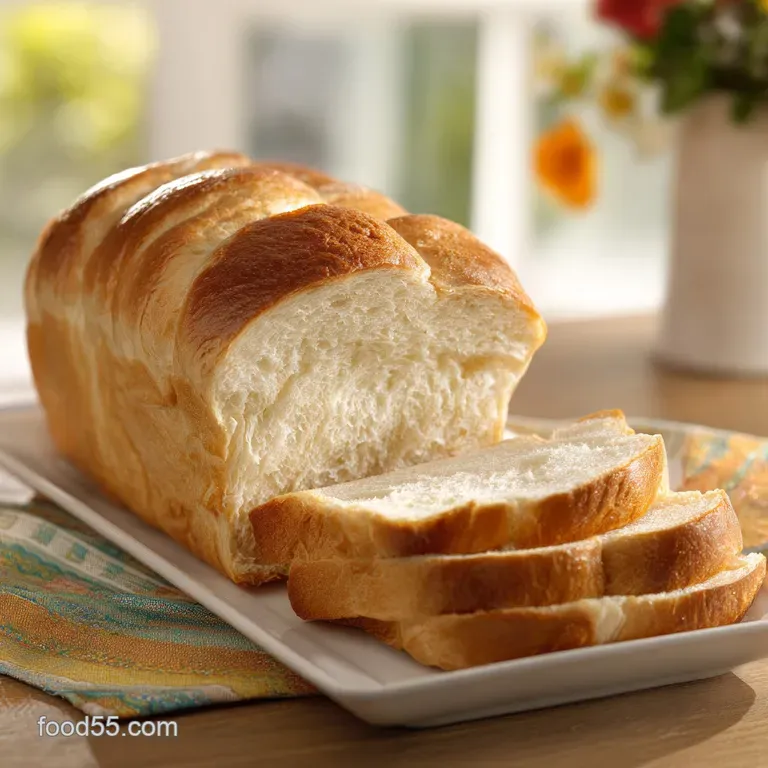
You'll get a loaf that's soft enough for a kid's sandwich but sturdy enough for a thick slice of salted butter. It's a quick win because while the total time is 200 minutes, you're actually only working with your hands for a small fraction of that. The rest is just letting nature do its thing.
Trust me on this, once you taste a slice of this bread loaf bread while it's still steaming, you'll never go back to the plastic wrapped store version. We're aiming for a shatter crisp top and a center that feels like a cloud. Let's get into how we make this happen.
The Logic Behind Ratios
Making bread is less about following a rigid script and more about understanding how the ingredients talk to each other. I've spent a lot of time playing with these amounts to make sure the loaf doesn't turn out like a brick.
The Sugar Spark: Honey provides food for the yeast, giving it the energy to create those airy bubbles. It also keeps the bread moist for longer than plain white sugar.
Fat Interference: Butter coats the gluten strands, which is a fancy way of saying it stops the bread from getting too chewy. This is what gives us that velvety texture.
Salt Control: Salt isn't just for taste. It slows down the yeast so the dough doesn't rise too fast and then collapse.
Hydration Balance: The specific amount of water ensures the dough is tacky but not sticky, making it easy to handle without dumping a whole bag of flour on your counter.
Method Comparison
Depending on what you're after, you might change how you approach the bake. Most people stick to the pan, but there are other ways to get that golden finish.
| Method | Time | Texture | Best For |
|---|---|---|---|
| Loaf Pan | 30 min | Uniform, soft sides | Classic sandwiches |
| Free Form | 35 min | Harder crust, rustic | Dipping in olive oil |
| Dutch Oven | 40 min | Thick, artisan crust | Dinner party centerpieces |
The loaf pan is my go to for this specific recipe because it forces the bread to grow upward rather than outward. This gives you those perfectly even slices that look great on a platter.
Component Analysis
Understanding your ingredients helps you troubleshoot on the fly. If your kitchen is too cold or your flour is different, you'll know how to adjust.
| Ingredient | Science Role | Pro Secret |
|---|---|---|
| Bread Flour | Structure | Higher protein means a taller rise |
| Honey | Softener | Local honey adds subtle floral notes |
| Butter | Tenderizer | Use European style for a richer taste |
| Yeast | Leavening | Warm it slowly to avoid killing it |
The Essential Pantry List
For this bread loaf bread, you'll need a few staples. I always try to source my honey and butter from local producers to keep the flavor vibrant and support the community.
- 450g bread flour Why this? Higher protein for a better rise
- 240ml warm water (110°F) Why this? Perfect temp for yeast activation
- 2.25 tsp active dry yeast Why this? Reliable and consistent lift
- 30g honey or sugar Why this? Feeds yeast and softens crumb
- 9g fine sea salt Why this? Balances flavor and regulates rise
- 42g unsalted butter, softened Why this? Creates the velvety interior
- 14g unsalted butter, melted Why this? For that golden finish
If you're looking for something with a bit more tang, my sourdough sandwich loaf is a great next step once you've mastered this one.
| Original Ingredient | Substitute | Why It Works |
|---|---|---|
| Bread Flour (450g) | All Purpose Flour (450g) | Works fine. Note: Loaf will be shorter and softer |
| Honey (30g) | Maple Syrup (30g) | Similar sugar content. Note: Adds a woody, autumnal flavor |
| Unsalted Butter | Coconut Oil (solid) | Similar fat profile. Note: Adds a slight coconut aroma |
The Right Baking Tools
You don't need a professional kitchen, but a few specific tools make the process way smoother. I usually use a simple glass bowl and a sturdy whisk.
- 9x5 inch loaf pan: The standard size for this recipe.
- Digital scale: Measuring by weight is the only way to be consistent with bread.
- Kitchen thermometer: Ensuring your water is exactly 110°F prevents yeast death.
- Bench scraper: Helpful for cleaning the counter and moving the dough.
step-by-step Guide
Right then, let's get our hands messy. The key here is patience. Don't rush the rises, or you'll end up with a dense loaf.
- Combine warm water, honey, and yeast in a bowl. Stir gently and let sit for 5-10 minutes until a frothy, bubbly foam forms on the surface. Note: If it doesn't foam, your yeast is dead start over!
- Stir in the salt and softened butter, then gradually add the bread flour.
- Knead the dough on a floured surface for 7-10 minutes until the dough is smooth, elastic, and springs back quickly when poked.
- Place the dough in a greased bowl, cover with a damp cloth, and let rise in a warm spot until doubled in size (about 60-90 minutes).
- Punch the dough down to release air, shape it into a tight cylinder, and place it in a greased 9x5 inch loaf pan. Let it rise again until the dough peaks slightly over the edges of the pan.
- Bake at 375°F (190°C) for 30-35 minutes until the crust is deep mahogany gold and the bottom sounds hollow when tapped.
- Remove from oven and immediately brush the top crust with melted butter.
Chef's Tip: To get that professional "windowpane" effect, stretch a small piece of dough between your fingers. If it stretches thin enough to see light through it without tearing, the gluten is perfectly developed.
Fixing Common Loaf Issues
Even for experienced cooks, bread can be temperamental. Usually, it's just a matter of temperature or timing.
The Dough is Too Sticky
If the dough clings to everything, you might have too much moisture or the flour didn't absorb the water yet. Resist the urge to dump in cups of extra flour.
The Bread Didn't Rise
A "brick" usually happens because the water was too hot (killing the yeast) or the room was too cold. Try putting your bowl in a turned off oven with the oven light on.
The Crust is Too Hard
Overbaking or a very dry oven can lead to a tough crust. Brushing with butter immediately after baking helps soften the exterior.
| Problem | Root Cause | Solution |
|---|---|---|
| Flat Top | Over proofed in pan | Reduce second rise by 15 mins |
| Dense Crumb | Under kneaded | Knead until dough is smooth and elastic |
| Pale Crust | Oven temp too low | Use a thermometer to verify oven temp |
- ✓ Pat your counter with a light dusting of flour, not a mountain of it.
- ✓ Ensure the butter is truly softened, not melted, when mixing into the dough.
- ✓ Use a damp cloth for covering to prevent a dry skin from forming on the dough.
- ✓ Wait at least 20 minutes before slicing into the hot loaf to let the structure set.
Flavorful Twists And Swaps
Once you've got the base down, you can treat this bread loaf bread as a canvas. I love changing the additions based on what's fresh in the garden.
Garlic and Herb
Fold in 10g of minced fresh rosemary and a pinch of garlic powder during the final kneading stage. It's a vibrant addition that makes the house smell like an Italian bakery.
The Seeded Crust
Brush the top with water instead of butter before the second rise, then press pumpkin seeds, sesame seeds, and flax seeds into the surface.
Honey Whole Wheat
Swap half of the bread flour for whole wheat flour. You'll need to add about 20ml extra water because whole grains soak up more liquid.
If you're in the mood for something different, try my fluffy homemade naan bread for a faster, stovetop alternative.
Keeping Your Bread Fresh
Homemade bread doesn't have the preservatives of store-bought loaves, so it behaves differently. The goal is to keep moisture in without inviting mold.
Store your loaf in a breathable linen bag or a paper bag at room temperature for up to 3 days. Avoid plastic bags, as they trap moisture and make the crust gummy. For longer storage, slice the bread first and freeze it in a heavy duty freezer bag for up to 3 months.
To reheat, just pop a slice straight into the toaster.
Don't throw away the heels or stale slices! They're the absolute best part for making a classic bread and butter pudding. Just soak them in custard and bake.
Serving For Special Occasions
This loaf is a showstopper when served warm. For a brunch gathering, slice the bread into thick pieces and sear them in a pan with a bit of the remaining butter until golden.
If you're prepping for a party, you can do the first rise the day before. Shape the loaf, put it in the pan, and let it rise in the fridge overnight. Just let it sit on the counter for an hour to take the chill off before popping it in the oven.
For a beautiful presentation, serve the loaf on a wooden board with a side of whipped sea salt butter and a small bowl of local honey for dipping. It turns a simple side into a centerpiece.
Recipe FAQs
What bread is low in histamine?
Freshly baked white bread. Long fermented breads like sourdough typically contain higher histamine levels, whereas a quick rise loaf using bread flour and honey is generally safer.
Is it true I must use bread flour for a good rise?
No, this is a common misconception. All-purpose flour can be used, though bread flour is preferred for its higher protein content which creates a more elastic structure.
How to tell if the loaf is fully baked?
Tap the bottom of the loaf. It should sound hollow, and the top crust should have reached a deep mahogany gold color.
Can I use sugar instead of honey?
Yes, sugar is a perfect substitute. Use 30g of granulated sugar to provide the necessary food for the yeast and assist with browning.
How to prevent the dough from sticking to the counter?
Dust your surface lightly with bread flour. Add flour in small increments during the 7-10 minute kneading process until the dough becomes smooth and elastic.
Why did my bread fail to rise?
Check your water temperature. If the water exceeds 110°F, it kills the yeast; if it is too cold, the yeast will not activate to create the required bubbly foam.
How to keep the bread fresh longer?
Store in an airtight bag once cooled. This prevents the crust from drying out and keeps the crumb soft. This loaf is ideal for making a turkey club.
Soft White Bread Loaf
Ingredients:
Instructions:
Nutrition Facts:
| Calories | 179 kcal |
|---|---|
| Protein | 5g |
| Fat | 4g |
| Carbs | 31g |
