Sourdough Discard Recipe with Garlic and Herbs
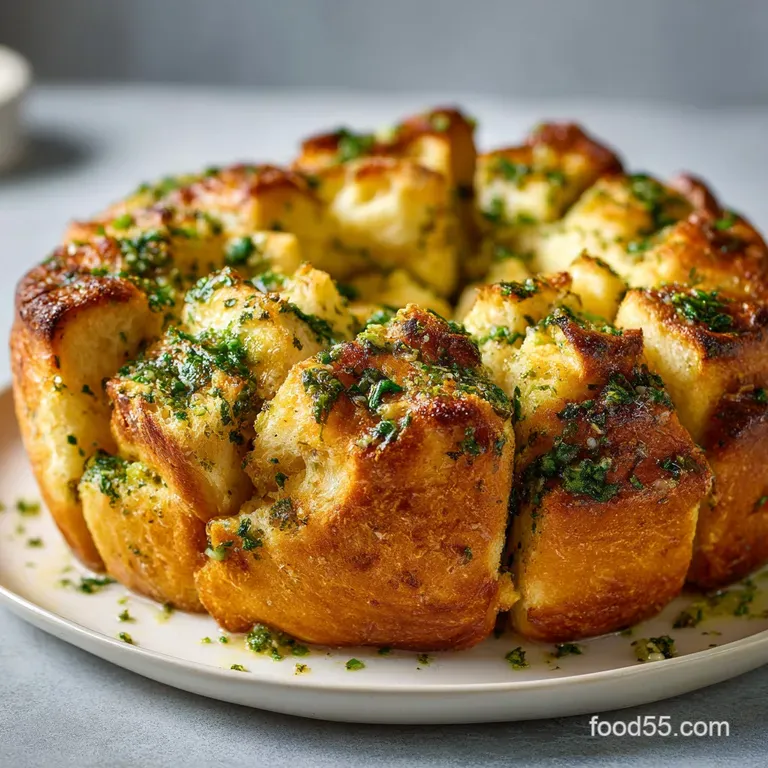
- Time: Active 140 minutes, Passive 30 minutes, Total 170 minutes
- Flavor/Texture Hook: Fluffy, herb infused layers with a shatter crisp parmesan crust
- Perfect for: Weekend family dinners or impressive holiday side dishes
- Sourdough Discard Recipe with Garlic and Herbs
- Essential Stats for Your Savory Bread
- Pantry Elements and Fresh Herb Options
- Essential Tools for Successful Baking
- Step-by-Step Guide to the Bake
- Solving Common Dough and Texture Issues
- Flavor Variations for Your Herb Bread
- Scaling the Recipe for Crowds
- Storage Tips to Maintain Freshness
- Best Dishes to Serve Alongside This
- Recipe FAQs
- 📝 Recipe Card
Sourdough Discard Recipe with Garlic and Herbs
The moment that cold butter hits the microplaned garlic in a warm pan, your entire kitchen transforms. It is that specific, sharp, savory aroma that tells your brain something special is happening.
I remember the first time I tried using my discard for something other than pancakes, I was worried it would be too sour or too dense. But when I pulled this loaf out of the oven, the smell of toasted rosemary and thyme was so intense it actually brought my neighbors to the door.
This is not just a way to use up "waste" - it is a legitimate reason to keep a sourdough starter in the first place. You get that complex, fermented depth of flavor without the three day waiting period of a traditional loaf.
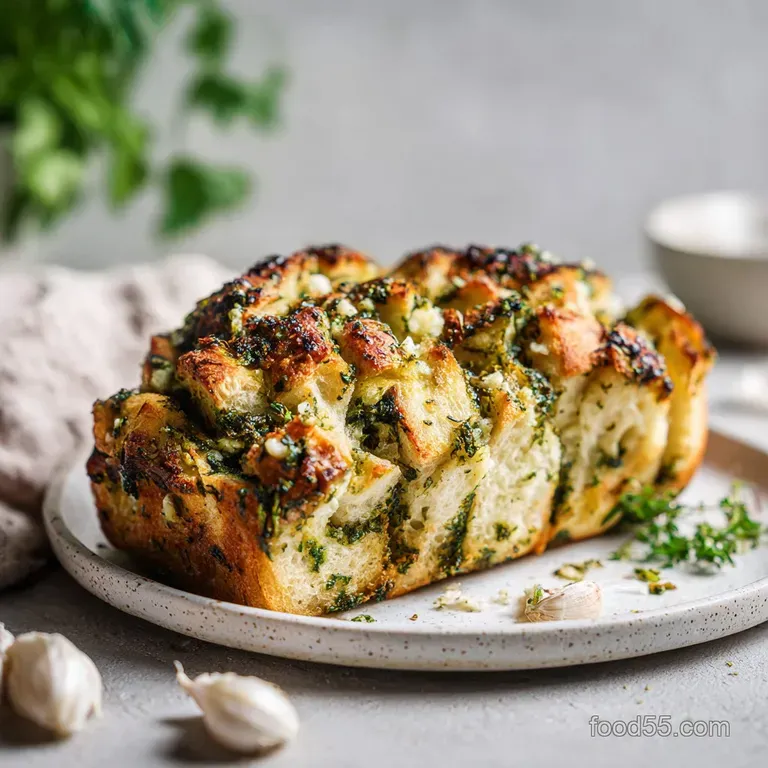
It is a quick win that feels like a labor of love, giving you a pull apart texture that is soft as a cloud inside but has these incredible, crispy edges where the butter and parmesan caramelized against the pan.
We're going to use Greek yogurt to keep the crumb tender and honey to feed the yeast for a reliable rise. Whether you are a sourdough pro or just started your first jar last week, this recipe is designed to work every single time.
Trust me on this, the combination of the tangy discard and the punchy herb butter is a pairing you'll find yourself craving every single weekend.
Essential Stats for Your Savory Bread
The beauty of this bake lies in its reliability. Because we are using a little bit of instant yeast alongside the discard, we don't have to worry about the strength of our starter. It provides the flavor, while the yeast provides the muscle.
This balance ensures you get a massive rise even if your discard has been sitting in the back of the fridge for a week.
| Thickness | Internal Temp | Rest Time | Visual Cue |
|---|---|---|---|
| 3 inch loaf | 190°F | 10 minutes | Deep golden brown top |
| 1.5 inch knot | 190°F | 5 minutes | Firm to touch, brown base |
| 0.5 inch flat | 200°F | 2 minutes | Bubbling and charred spots |
Using a thermometer is the best way to ensure you don't end up with a gummy middle. I usually start checking the temp around the 25 minute mark. If the top is getting too dark but the inside isn't quite at 190°F yet, just tent a piece of foil over it.
It keeps the heat in while protecting those delicate herbs from burning.
What Makes the Dough Soft
The secret here is the acidity from the sourdough discard and the Greek yogurt. These ingredients work together to break down some of the gluten bonds, which might sound bad, but it actually results in a much softer, more tender bite.
It is the same reason why people use buttermilk in biscuits - the acid prevents the bread from becoming "rubbery" or too chewy.
Another factor is the honey. Sugar is hygroscopic, meaning it holds onto water. This keeps your bread from drying out the second it leaves the oven. When you combine that moisture retention with the fat from the butter and yogurt, you get a loaf that stays velvety for days rather than turning into a rock by dinner time.
Pantry Elements and Fresh Herb Options
Selecting the right components is what makes this the best sourdough discard recipe. While you can use dried herbs in a pinch, fresh rosemary, thyme, and parsley provide a vibrant pop that dried versions just can't match.
The oils in fresh herbs stand up better to the high heat of the oven, remaining fragrant instead of becoming bitter.
| Ingredient | Science Role | Pro Secret |
|---|---|---|
| Bread Flour | Structure | Use high protein (12.7%) for maximum lift |
| Greek Yogurt | Tenderness | Fat and acid create a tighter, softer crumb |
| Sourdough Discard | Flavor Depth | Older discard provides a sharper, better tang |
| Honey | Yeast Fuel | Also helps the crust brown beautifully |
Elements for the Bread Dough
For the base of the loaf, you will need 200g sourdough discard (unfed and stirred down), 120ml warm water (approx. 100°F), 7g instant yeast (1 packet), 20g honey, 60g Greek yogurt, 400g bread flour, and 8g fine sea salt.
Why this? Bread flour provides the protein needed to support the heavy garlic herb butter layers.
Making the Garlic Herb Infusion
The flavor comes from 60g unsalted butter (softened), 5 cloves fresh garlic (microplaned or finely minced), 3 tbsp fresh herbs (chopped parsley, rosemary, and thyme), 30g parmesan cheese (grated), and 1g flaky salt for the finish.
Why this? Microplaning the garlic ensures it melts into the butter for even distribution.
If you're feeling adventurous, you can check out this Sourdough Pesto Knots recipe for a different take on herb infused dough. Both methods rely on high-quality fats to carry those aromatic flavors deep into the bread's structure.
Essential Tools for Successful Baking
You don't need a professional bakery setup to get these results, but a few specific items make the process much smoother. A stand mixer such as a KitchenAid is a lifesaver for the 6 to 8 minutes of kneading required.
Doing it by hand is possible, but this dough is quite tacky due to the yogurt and discard, so the machine helps keep things tidy.
A 9x5 inch loaf pan is the standard size for this yield. I highly recommend using a metal pan rather than glass or ceramic; metal conducts heat much more efficiently, giving you those sought after crispy edges. A microplane is also essential for the garlic.
If you just mince it with a knife, you might end up with large chunks of raw garlic that don't soften completely during the 30 minutes of baking.
Finally,, a digital scale is non negotiable for sourdough. Measuring flour by the cup is wildly inaccurate - you can easily end up with 50g more flour than you need, which leads to a dry, heavy loaf.
Weighing your discard and flour ensures the hydration levels are exactly where they need to be for that silky, elastic dough.
step-by-step Guide to the Bake
- Combine 120ml warm water, 7g instant yeast, and 20g honey in the bowl of a stand mixer and let sit until foamy. Note: This proves your yeast is alive and ready to work.
- Add the 200g sourdough discard, 60g Greek yogurt, and 400g bread flour to the yeast mixture. Mix on low speed until a shaggy mass forms.
- Add 8g sea salt and knead with the dough hook for 6 to 8 minutes until the dough is smooth and elastic.
- Place dough in a greased bowl and cover. Let rise in a warm place until doubled in size, approximately 60 to 90 minutes.
- While dough rises, mix 60g softened butter, 5 cloves minced garlic, 3 tbsp fresh herbs, and 30g grated parmesan in a small bowl to create the infusion spread.
- Deflate the dough and roll or pull into sections. Coat each section with the garlic herb butter and layer into a 9x5 inch loaf pan.
- Preheat oven to 375°F (190°C).
- Bake for 30 minutes until the crust is golden brown and crackling and the interior reaches 190°F.
- Remove from the oven and sprinkle with 1g flaky salt while still hot.
- Let rest in the pan for 10 minutes before transferring to a wire rack to prevent a soggy bottom.
| Feature | Fast Method (Instant Yeast) | Classic Method (Starter Only) |
|---|---|---|
| Rise Time | 90 minutes | 6 to 10 hours |
| Flavor | Mildly tangy | Very sour and complex |
| Texture | Extra fluffy | Chewy and artisanal |
Solving Common Dough and Texture Issues
Sometimes the dough just doesn't want to cooperate. If your kitchen is cold, that 60 to 90 minute rise might take closer to 2 hours. Don't rush it. Yeast is a living organism, and it works on its own timeline.
If you bake before the dough has doubled, you'll end up with a "brick" that hasn't developed enough air pockets.
Fixing Slow Rising Dough
If your dough is sitting there like a lump of clay, it's usually a temperature issue. I often turn my oven on for just 60 seconds, turn it off, and then put the bowl inside. That tiny bit of residual warmth is like a spa day for yeast. Just make sure the oven isn't actually hot, or you will kill the yeast entirely.
| Problem | Root Cause | Solution |
|---|---|---|
| Dough is too sticky | Too much discard/liquid | Add 1 tbsp flour at a time during kneading |
| Bread is very dense | Under proofing | Let rise until truly doubled in size |
| Top burns quickly | Sugar in honey/yogurt | Tent with foil after 15 minutes of baking |
Preventing a Heavy Crumb
A heavy crumb usually happens when the dough hasn't been kneaded enough to develop gluten. You want to see that dough pulling away from the sides of the bowl completely. If it is still sticking to the bottom after 8 minutes, it needs a bit more time or a tiny sprinkle of flour.
The goal is a dough that feels like an earlobe - soft, bouncy, and elastic.
Common Mistakes Checklist
- ✓ Always weigh your ingredients, especially the sourdough discard and flour.
- ✓ Ensure your water is warm but not hot (under 110°F) to avoid killing the yeast.
- ✓ Don't skip the second rise in the pan; it's vital for the pull apart texture.
- ✓ Use fresh garlic rather than the jarred stuff for a much cleaner flavor.
- ✓ Let the bread rest before slicing to allow the internal steam to set the crumb.
Flavor Variations for Your Herb Bread
Once you have the base down, you can really play with the infusions. I sometimes swap the parmesan for sharp cheddar or even a bit of Gruyère for a nuttier finish. If you want a bit of heat, adding a teaspoon of red pepper flakes to the garlic butter works wonders.
- The Italian Style: Add sun dried tomatoes and dried oregano to the butter mixture.
- The Sweet & Savory: Use roasted garlic instead of fresh and add a drizzle of extra honey on top before baking.
- The Everything Bagel: Skip the fresh herbs and use everything bagel seasoning and cream cheese dollops between the layers.
If you are looking for more umami rich sides to go with this, try pairing it with Sauteed Mushrooms. The buttery garlic sauce on the mushrooms complements the herbs in the bread perfectly, creating a very cohesive meal.
Scaling the Recipe for Crowds
If you're hosting a big dinner, you might want to double this. When scaling up, keep the salt and spices to about 1.5 times the original amount rather than a full double; spices can become overwhelming in large batches. For the liquids, reduce them by about 10% initially and only add more if the dough feels too dry.
When scaling down (for a mini loaf), use a smaller pan and reduce the baking time by about 20%. If the recipe calls for an egg (though this one doesn't), always beat the egg first and then measure out half by weight to keep the ratios precise.
Storage Tips to Maintain Freshness
This bread is best on the day it is made, but it stores surprisingly well thanks to the honey and yogurt. Keep it in an airtight container at room temperature for up to 3 days. Whatever you do, do not put it in the fridge!
The refrigerator actually accelerates the staling process of bread through a process called starch retrogradation.
For long term storage, this loaf freezes beautifully. Wrap the cooled bread tightly in plastic wrap and then a layer of foil. It will stay fresh for up to 3 months. When you're ready to eat, thaw it at room temperature and then pop it into a 350°F (180°C) oven for 10 minutes to revive that crispy crust.
Zero Waste Kitchen Tips
Don't throw away those herb stems! Parsley and thyme stems have tons of flavor. Toss them into a bag in your freezer to use for your next batch of vegetable or chicken stock. Even the garlic skins can be toasted and ground into a powder or used to infuse oils.
If you have leftover bread that has finally gone stale, it makes the most incredible savory bread pudding or herb crusted croutons you've ever tasted.
Best Dishes to Serve Alongside This
This sourdough discard recipe is a heavy hitter, so it needs a main dish that can stand up to its bold flavors. I love serving this with a hearty tomato soup or a slow cooked beef stew. The pull apart layers are practically built for dipping into sauces.
| Plating Level | Tweak | Effect |
|---|---|---|
| Simple | Serve whole in a cloth lined basket | Rustic, homey feel |
| Polished | Slice and fan out on a wooden board with fresh rosemary sprigs | Elegant dinner party look |
| Restaurant | Individual stacks topped with a parmesan tuile and balsamic glaze | High end presentation |
If you want to go the restaurant route, try making "stacks." Instead of a loaf pan, bake the buttered dough sections in a muffin tin. It gives everyone their own individual, crispy edged portion. Garnish with a few extra cracks of black pepper and a sprig of fresh thyme for that final, professional touch.
Whatever way you choose to serve it, this bread is guaranteed to be the star of the table.

Recipe FAQs
Is it true I have to feed my sourdough discard before adding it to this recipe?
No, this is a common misconception. You should use unfed, stirred down sourdough discard directly from your container, as the recipe relies on the instant yeast for leavening power.
How to ensure the dough reaches the correct consistency during mixing?
Mix on low speed until you achieve a shaggy mass, then continue with the dough hook for 6 to 8 minutes. You are looking for the dough to become smooth and elastic to the touch before you stop kneading.
Can I store this bread in the refrigerator to keep it fresh longer?
No, keep it at room temperature instead. Storing bread in the fridge actually accelerates staling through starch retrogradation; if you need to keep it longer than 3 days, wrap it tightly and freeze it for up to 3 months.
How to tell when the garlic herb loaf is finished baking?
Pull the loaf from the oven when the crust is golden brown and the internal temperature reaches 190°F. Using a thermometer is the only way to ensure the crumb is fully set and not gummy.
How to achieve the best flavor from the garlic infusion?
Use fresh cloves that have been microplaned or finely minced. Fresh garlic provides a cleaner, sharper flavor profile compared to jarred varieties, which can sometimes carry an off-taste. If you enjoyed building complex flavors here, see how we balance aromatics in our homemade Boursin cheese.
How to handle the rise if my kitchen is cold?
Place the bowl in a warm, draft free spot to ensure it doubles in size within the 60 to 90-minute window. Consistent ambient temperature is the secret to getting that light, airy pull apart texture you want.
How to prepare the dough for the pan after the initial rise?
Deflate the risen dough gently and divide it into sections before coating each piece with the butter and herb mixture. Layering these coated pieces into the 9x5 inch pan is what creates the signature pull apart layers.
Sourdough Garlic Herb Bread
Ingredients:
Instructions:
Nutrition Facts:
| Calories | 205 kcal |
|---|---|
| Protein | 6.7 g |
| Fat | 5.2 g |
| Carbs | 32.4 g |
| Fiber | 1.1 g |
| Sugar | 1.6 g |
| Sodium | 312 mg |
