Cashew Chicken: Speedy Stir-Fry with Sticky Sauce and Crunchy Nuts
- The Ultimate Weeknight Cashew Chicken Stir-Fry
- The Science of Success: Achieving the Perfect Texture
- Essential Components and Smart Substitutions
- Mastering the Method: Step-by-Step Cashew Chicken Preparation
- Troubleshooting Your Stir-Fry: Expert Tips for Perfect Results
- Make Ahead and Storage Guide
- Perfect Pairings for Your Sticky Cashew Chicken
- Recipe FAQs
- 📝 Recipe Card
The Ultimate Weeknight Cashew Chicken Stir Fry
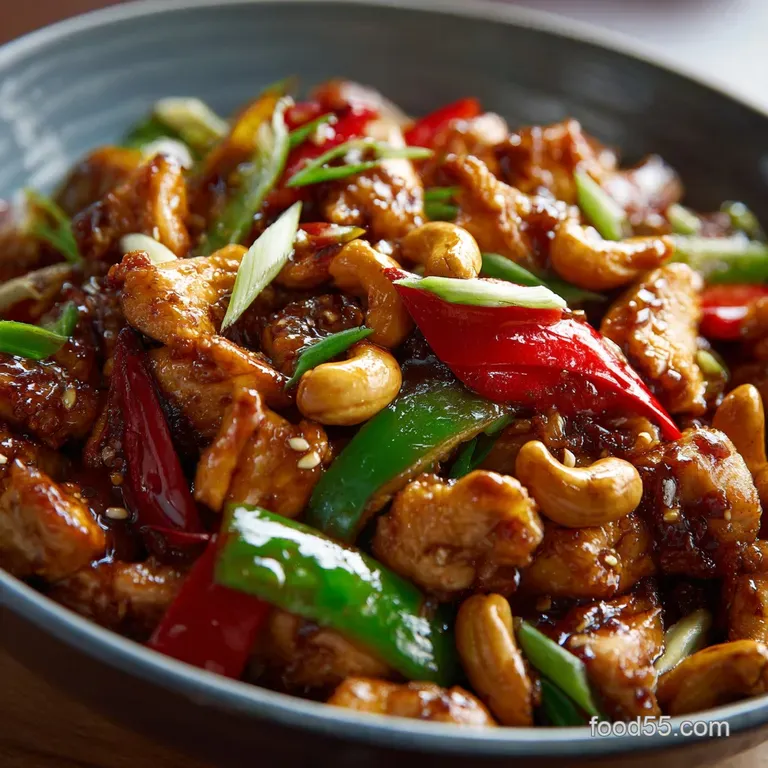
That sticky, savory aroma hitting you the second the sauce bubbles is pure happiness, right? Honestly, Cashew Chicken is all about the textures: the silky smooth glaze, the crispy, seared edges of the protein, and that perfect, necessary crunch of the nuts.
We are making the real deal today, the kind that tastes fresh and vibrant, not the pale, watery stuff you sometimes get.
Look, Friday nights demand minimum effort but maximum flavour, and this dish is my absolute favorite quick fix. This specific Cashew Chicken recipe is my go-to because prep is fast, the cook time is even faster, and it absolutely crushes any expensive takeaway option.
You can be sitting down to a ridiculously flavourful, healthy Cashew Chicken stir fry in under 45 minutes, I promise you.
I’ve tweaked this recipe over countless attempts, finding the precise method for achieving a sticky, glorious glaze and ultra tender protein every time. Forget guessing games; we are diving deep into the secrets like proper velveting and batch cooking that elevate this dish from fine to fantastic.
Let's crack on and master this Anglo Chinese favourite once and for all.
The Science of Success: Achieving the Perfect Texture
Why This Dish Is a Takeaway Destroyer
Homemade always tastes better because we use fresh aromatics and control the quality of the sauce ingredients. We are focusing on a clean, punchy flavour profile, avoiding the heavy greasiness you often find in commercial versions.
The quick cooking process preserves the beautiful bite of the red bell pepper, resulting in a fresher, more exciting dish overall.
Defining the Anglo Chinese Classic Recipe
While traditional Chinese cashew dishes are complex, the version we all crave salty, sweet, and sticky is a fantastic hybrid that evolved overseas. It relies heavily on umami and sugar to create that deeply satisfying glaze.
This specific Cashew Chicken recipe focuses on maximizing the flavour of the sticky sauce, ensuring every piece of protein is coated beautifully.
Prep Time vs. Cook Time: A 30 Minute Guarantee
The secret to hitting that rapid cook time is intense pre-planning, also known as mise en place . This means having all your sauces whisked and all the vegetables sliced before the wok hits the fire.
This is not a leisurely dish; it’s a over high heat, rapid fire process that moves incredibly quickly once the oil is hot. If you follow the prep rules, dinner is served before anyone can ask, "Is it ready yet?"
Velveting the Chicken for Maximum Tenderness
Velveting isn't just a fancy restaurant word; it’s essential for that melt-in-your mouth texture that stops the protein from drying out under high heat. Coating the pieces in cornstarch and a little soy sauce creates a delicate, protective shell that locks in moisture.
This guarantees that every bite of our Cashew Chicken is tender , contrasting perfectly with the crisp exterior and the crunch of the cashews.
Creating the Signature Sticky Sauce Glaze
The key to a glossy, clinging sauce is the cold cornstarch slurry, which is added right at the very end. I once just dumped cornstarch into hot liquid (a big mistake!) and ended up with grainy lumps and a sad, thin liquid.
The cold slurry dissolves completely, preventing lumps and activating almost instantly when it hits the boiling sauce, thickening it into that glorious, restaurant quality glaze.
The Crunch Factor: Optimal Cashew Roasting
You absolutely need that glorious crunch, right? Using high-quality, unsalted, whole cashews is non-negotiable for a superior Cashew Chicken stir fry. I always give my cashews a quick dry-toast in the empty pan for two minutes before I even start cooking the aromatics.
This little step dramatically enhances their deep, nutty flavour and ensures they stay robust against the wet, sticky sauce.
Essential Components and Smart Substitutions
The Foundation: Marinating the Protein Perfectly
The marinade, even though it’s simple (soy sauce, cornstarch, and white pepper), does double duty: it flavors the protein and acts as the initial velveting agent. Don’t skip the minimum 10 minutes of marinating time!
| If you don't have... | You can use... | Notes |
|---|---|---|
| Chicken | Pressed Tofu or Shrimp | Tofu needs deep pressing and extra searing time for texture. |
| Cornstarch | Potato Starch or Tapioca Flour | Use equal amounts; works just as well for velveting. |
Building the Sauce: Balancing Sweet, Sour, and Umami
This is where the magic happens, balancing salty soy, deep umami from oyster sauce, and bright rice vinegar. Mix all the sauce ingredients (except the thickening slurry) thoroughly and keep it ready to pour.
Crucial Chef’s Note: Never add the cashews until the chicken is cooked, and never add the slurry until the sauce is boiling. Timing is everything here.
| If you don't have... | You can use... | Notes |
|---|---|---|
| Oyster Sauce | Mushroom Sauce (for vegan) or Fish Sauce (use half the amount) | Necessary for the deep, savory umami flavour. |
| Hoisin Sauce | 1/2 tbsp of Molasses or dark honey | Use sparingly, as honey/molasses is much stronger and sweeter. |
| Rice Vinegar | Apple Cider Vinegar | A mild white vinegar is acceptable, but reduce the quantity slightly. |
Nut Selection: Raw vs. Roasted Cashews
Always start with toasted cashews, or take the 2 minutes to toast them yourself; it makes a huge difference. If you use completely raw nuts, they will soften too quickly when added to the sauce, losing that vital textural contrast. We want a rich, crunchy finish to our delicious family meal.
Aromatic Notes: Ginger and Garlic Ratios
This recipe calls for a generous amount of fresh garlic and ginger because they form the foundational flavor layer. Skip the powders here! If you don't have fresh ginger, you can use pre-minced jarred ginger, but reduce the quantity slightly as it often tastes stronger.
Mastering the Method: step-by-step Cashew Chicken Preparation
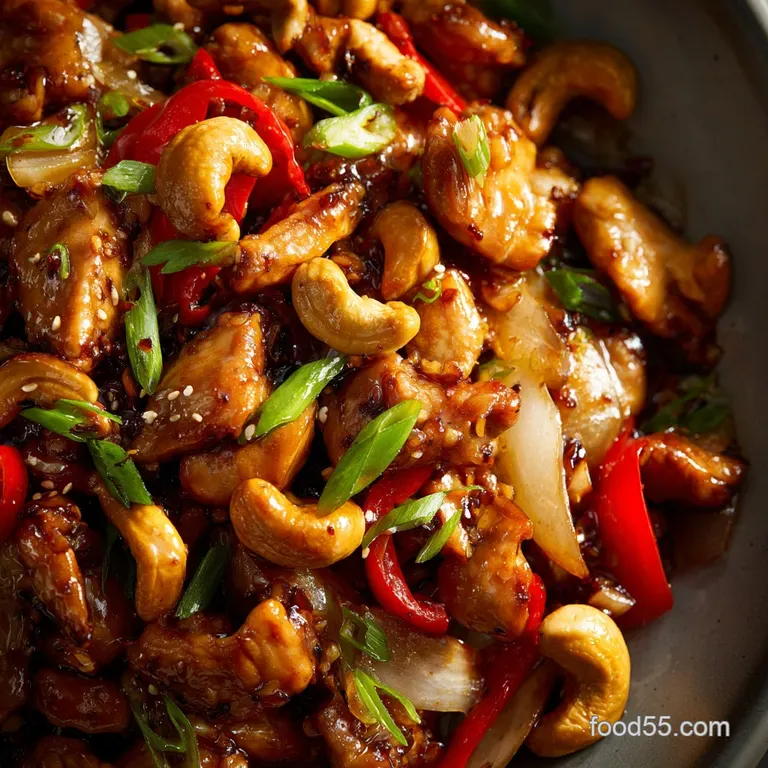
You need high heat and organization. Read through these steps before you start, trust me.
Step 1: The Initial Marinade and Mise en Place
- Cut your protein into uniform, 1 inch (2.5 cm) cubes. Toss it thoroughly with the soy sauce, cornstarch, and white pepper marinade ingredients. Set aside for at least 10 minutes.
- Whisk together all the sauce components (stock, soy sauce, oyster sauce, hoisin, vinegar, sugar, sesame oil) in a bowl. Keep the cornstarch slurry separate.
- Ensure your chopped red bell pepper, minced aromatics (ginger and garlic), cashews, and separated spring onions are ready to go next to the hob.
Step 2: High Heat Searing the Chicken Pieces
- Heat 2 tablespoons of high smoke point oil in your wok or large frying pan over high heat until it is shimmering and almost smoking. This heat is vital; cold oil means rubbery results.
- Add half of the marinated protein pieces to the wok, ensuring they are not crowded. Stir fry for 3- 4 minutes until golden brown and beautifully seared.
- Remove the cooked protein using a slotted spoon and place it on a clean plate. Add the remaining oil and cook the second batch.
Step 3: Combining Aromatics and Toasting the Cashews
- Reduce the heat slightly to medium high. Add the minced garlic and ginger, along with the white parts of the spring onions, to the wok. Sauté quickly for about 30 seconds until intensely fragrant do not burn the garlic!
- Add the chopped red bell pepper. Stir fry for 2– 3 minutes until they are slightly tender crisp. You want them cooked, but still maintaining a bit of bite.
- Return all the seared protein pieces to the wok, along with your toasted whole cashews. Toss everything quickly to combine and heat through (about 30 seconds).
Step 4: The Final Toss and Glaze Activation
- Give your pre-mixed Sticky Cashew Sauce a final quick whisk, then pour it over the protein and vegetables. Bring the mixture to a rapid bubble.
- Stir the cornstarch slurry one last time, then pour it slowly into the boiling sauce, stirring constantly. The sauce should thicken rapidly and dramatically to a glossy, glorious consistency.
- Cook for 30 60 seconds, ensuring the sauce beautifully coats the protein. Stir in the green parts of the spring onions. Serve your Cashew Chicken immediately over hot rice!
Troubleshooting Your Stir Fry: Expert Tips for Perfect Results
Why Your Sauce Isn't Thickening (And How to Fix It)
This is usually one of two issues: either the sauce wasn't boiling when you added the slurry, or you didn't stir the slurry right before adding it. Cornstarch settles quickly, leaving plain water on top, which does nothing.
The entire pan must be at a rolling boil when the slurry goes in, and you must stir the slurry just before pouring.
Preventing Overcrowding in the Wok
If you add too much food at once, the temperature of the wok plummets instantly. Instead of searing, your protein will start to steam, resulting in a sadly rubbery texture. This is a non-negotiable rule: Cook your protein in two separate batches to maintain that blistering high heat.
Maintaining the Cashew Crunch Post Sauce
The longer the cashews sit in the hot, wet sauce, the softer they become. To keep that amazing crunch, ensure they are pre-toasted, and add them back to the wok right before you add the sauce just enough time for them to heat up. Don't let them simmer in the glaze for more than 60 seconds!
make-ahead and Storage Guide
Best Practices for Refrigerating Leftovers
Cashew Chicken makes fantastic leftovers. Store it in an airtight container in the fridge for up to 3 to 4 days. The sauce will thicken significantly as it cools, but that’s totally normal. It's a truly delicious family meal even on day three.
Reheating Cashew Chicken Without Drying Out the Protein
The best way to reheat is on the stovetop. Add a splash (1 2 tablespoons) of water or stock to a skillet, then add the leftovers. Heat over medium low, stirring constantly, until piping hot. This splash of liquid helps reconstitute the sauce and prevents the protein from seizing up and becoming tough.
Freezing the Cooked Dish (Texture Changes Explained)
But does it freeze well? You bet, but be warned: the sauce's texture will change slightly. The cornstarch thickened glaze can sometimes break down upon thawing, resulting in a thinner, more liquid sauce.
To fix this, simply reheat on the stovetop and add a tiny half teaspoon of fresh cornstarch slurry (mixed with cold water) right at the end to bring the glaze back to life.
Perfect Pairings for Your Sticky Cashew Chicken
This sticky, savoury Cashew Chicken is obviously brilliant served over simple, fluffy white Jasmine rice to soak up every last drop of the glaze.
If you’re hosting and looking for another stellar takeaway rival, try my recipe for Sweet and Sour Chicken Recipe: Crispy Cantonese Takeaway at Home — it delivers maximum crunch! For a lighter side dish to cut through the richness of the Cashew Chicken, I often serve a simple salad, or maybe even my easy Chicken Pesto Pasta: The 35 Minute Weeknight Dinner Recipe if I’m really pushing the boat out. Sometimes, if I'm feeling fancy, I pair this with my recipe for Chicken over Rice with Fresh Vegetables Sticky Ginger Soy Glaze as they share similar, deeply flavourful ginger soy notes.
Recipe FAQs
How do I prevent the chicken from becoming tough or dry during the high heat stir fry?
The key is "velveting" the chicken before cooking. Marinate the diced chicken with a mixture of baking soda (a tiny pinch), cornstarch, and soy sauce for about 15 minutes. This thin coating locks in moisture and protects the protein during the quick, high heat cooking process, ensuring tender results.
My sauce came out thin and watery instead of sticky. What went wrong?
The most common culprit is not allowing the sauce enough time to simmer after adding the cornstarch slurry. Ensure your wok or pan is hot enough to achieve a light boil, and whisk constantly for 60 to 90 seconds until the sauce coats the back of a spoon.
If necessary, you can mix another small half teaspoon of cornstarch with cold water and slowly add it to the boiling sauce until the desired viscosity is reached.
Can I prepare Cashew Chicken ahead of time, and how should I store leftovers?
While best served fresh, leftovers should be stored in an airtight container in the refrigerator for up to 3 days. Reheat gently in a skillet over medium heat, or microwave, but be aware that the cashews will lose some of their crunchiness upon cooling and reheating.
Do not attempt to freeze the complete dish, as the sauce texture and vegetable crispness will degrade significantly.
I don’t have cashews on hand. What is a good substitute?
While cashews are traditional, suitable substitutes include toasted peanuts or blanched almonds, which offer similar crunch and mild flavour profiles. Ensure whatever nut you choose is lightly toasted separately and added right at the end of the cooking process to maintain maximum crunch.
How can I adapt this recipe for a vegetarian or vegan diet?
Substitute the chicken with firm tofu (pressed and cubed) or large florets of cauliflower, both of which absorb the marinade well. Crucially, replace the traditional oyster sauce (if used) with mushroom sauce or extra soy sauce, and ensure your chicken broth is substituted with vegetable broth.
I prefer a spicier dish. How can I easily increase the heat level?
Introduce heat by adding dried chili flakes or a tablespoon of chili garlic sauce (like Sriracha or Sambal Oelek) directly into the sauce mixture before thickening. For a deeper, smoky heat, fry a handful of dried Sichuan peppers or chilis in the oil for 30 seconds before adding the chicken, removing them before serving.
Should I use raw or roasted cashews, and when is the best time to add them?
Always start with raw cashews and toast them separately in a dry pan or a small amount of oil until golden brown before beginning the main stir fry. Add the toasted cashews only in the final minute of cooking, tossing them in quickly, to ensure they remain crisp and do not become soft from simmering in the sauce.
Speedy Sticky Cashew Chicken Stir Fry
Ingredients:
Instructions:
Nutrition Facts:
| Calories | 295 kcal |
|---|---|
| Protein | 11.5 g |
| Fat | 12.8 g |
| Carbs | 30.7 g |
