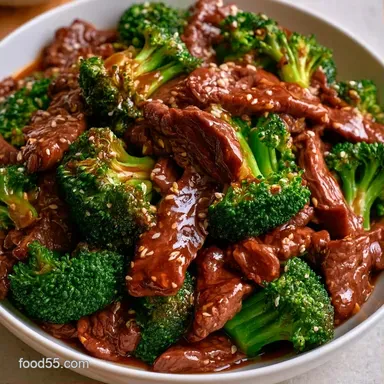
Sheet Pan Spicy Ginger Sesame Beef and Broccoli

- Time: 15 min active + 25 min cook + 3 min rest
- Flavor & Texture: Sticky, amber glaze with tender beef and charred broccoli
- Perfect for: Occasion-ready weeknight dinner or meal prep
Sheet Pan Beef and Broccoli
The smell of toasted sesame oil and charred garlic hits you first. Then you see that glossy amber glaze clinging to the beef and the blackened tips of the broccoli florets. It's a visual and aromatic punch that makes delivery feel boring.
This approach is for when you want a high-impact meal but don't want to stand over a wok for twenty minutes. By using the oven, you get a consistent sear across all the ingredients.
You can expect a bold balance of heat from the gochujang and sweetness from the honey. It's a contemporary twist that turns a standard stir fry into something a bit more artistic and a lot easier to serve for a group.
Why the Steps Matter
- The Late Glaze: Adding the honey and soy mixture after the first roast prevents the sugars from burning. If you put it on at the start, the glaze would scorch before the beef is cooked.
- High-Heat Roasting: Cooking at 425°F (220°C) ensures the broccoli chars. This creates a nutty flavor that you just can't get from simmering in a pan.
- Spacing for Air: Leaving gaps between the florets allows hot air to circulate. This is the trick to getting a roast instead of a steam, which keeps the texture crisp.
| Method | Time | Texture | Best For |
|---|---|---|---|
| Stovetop Wok | 15 mins | Soft/Glossy | Single servings |
| Sheet Pan | 25 mins | Charred/Sticky | Groups or parties |
Recipe Specs
The goal here is a balance of timing and temperature. Because sirloin cooks fast, the two-stage roasting process is vital. First, you build the base char, and then you set the glaze.
For the beef, the cut is important. Slicing against the grain is the only way to ensure the meat doesn't feel rubbery. The heat of the oven then renders the fat just enough to let the sauce stick.
Ingredients and Swaps
The Flavor Base
- 1/4 cup low-sodium soy sauce
- 2 tbsp honey The reason: Creates a sticky, glossy finish
- 1 tbsp gochujang The reason: Brings mild heat and fermented depth
- 1 tbsp toasted sesame oil
- 1 tbsp fresh ginger, finely grated
- 3 minced garlic cloves
- 1 tbsp toasted sesame seeds
- 1 tsp rice vinegar
The Roast
- 1½ lb sirloin steak, sliced thin across the grain The reason: Lean and fast to cook
- 1 lb broccoli florets, bite-sized
- 2 tbsp avocado oil
- 1/2 tsp kosher salt
- 1/4 tsp black pepper
| Original Ingredient | Substitute | Why It Works |
|---|---|---|
| Sirloin Steak | Flank Steak | Equally lean. Note: Slice even thinner to ensure tenderness |
| Honey | Maple Syrup | Similar thickness. Note: Adds a subtle, woody autumnal sweetness |
Equipment Needed
You'll need a large rimmed baking sheet. If your pan is too small, the ingredients will crowd, and you'll end up with soggy vegetables.
Parchment paper is a must for this one. The honey in the glaze can turn into a cement-like glue if it hits the bare metal of the pan.
The Cooking Process
1. Prepare the Flavor Base
Heat your oven to 425°F (220°C) and prepare a baking tray lined with parchment. In a medium bowl, whisk together 1/4 cup low-sodium soy sauce, 2 tbsp honey, 1 tbsp gochujang, 1 tbsp toasted sesame oil, 1 tbsp grated ginger, 3 cloves minced garlic, and 1 tsp rice vinegar. Mix in 1 tbsp toasted sesame seeds.

2. Season and Spread
Combine 1½ lb sliced sirloin and 1 lb broccoli florets in a large bowl with 2 tbsp avocado oil, 1/2 tsp kosher salt, and 1/4 tsp black pepper. Spread the mixture in a single layer across the lined tray. Note: Leave space between florets to allow roasting.

3. The Roast and Glaze
Bake for 12-15 minutes until the broccoli edges are browned and sizzling. Remove the pan from the oven, pour the glaze evenly over the beef and vegetables, and toss gently with a spatula to coat.
Return the pan to the oven and roast for another 5-8 minutes. Continue until the sauce has reduced to a sticky glaze and the beef hits 145°F (63°C).
Remove from the oven and let the beef rest for 3 minutes before serving. This allows the juices to redistribute so the meat stays tender.

Problems and Fixes
If you notice the beef is tougher than usual, it's often a slicing issue. The muscle fibers in sirloin run in one direction. If you slice with them, the meat resists the bite. Always cut perpendicular to those fibers.
When the broccoli comes out pale, the oven temperature might be too low, or the pan was too crowded. This prevents the Maillard reaction from happening on the surface of the vegetables.
For a sauce that feels too thin, you can simmer the glaze in a small saucepan for 2 minutes before drizzling it over the pan. This concentrates the sugars and makes it cling better to the beef.
Soggy Broccoli
The pan was likely overcrowded, causing the vegetables to steam in their own moisture. Use two pans next time.
Tough Beef
The meat was either sliced with the grain or overcooked. Check the temp at 145°F (63°C).
Thin Sauce
The glaze didn't reduce enough in the final roast. Roast for an extra 2 minutes or pre-reduce the sauce.
| Problem | Fix |
|---|---|
| Soggy Broccoli | Use two separate sheet pans |
| Tough Beef | Slice against the grain; use a thermometer |
| Thin Sauce | Roast longer or pre-simmer glaze |
Serving Suggestions

I suggest pairing this with jasmine rice or quinoa to absorb the extra glaze. For a lighter option, try using shredded cabbage or cauliflower rice.
Add some sliced green onions and a sprinkle of sesame seeds for a touch of contrast. A squeeze of fresh lime right before eating brightens the flavor and balances the sesame oil.
Storage and Leftovers
Store leftover beef and broccoli in a sealed tub in the refrigerator for up to 4 days. This follows USDA food safety guidelines for beef.
To reheat, avoid the microwave if you can. The microwave often overcooks the beef, making it rubbery. Instead, heat a skillet over medium heat with a splash of water or beef broth. Add the leftovers and toss until they reach 165°F (74°C) as suggested by USDA FSIS.
When reheating cooked leftovers, check with a food thermometer that the center reaches 165°F (74°C); the appliance temperature and time alone do not confirm this.
The broccoli will lose some of its char during storage, but the flavors actually deepen after a day in the fridge.
Variations and Subs
Garlic Butter Twist
For a richer, more savory profile, whisk 1 tbsp of melted butter into the glaze. This adds a creamy quality that balances the heat of the gochujang.
Gluten-free Version
Swap the soy sauce for tamari (labelled gluten-free) or coconut aminos. Check that the gochujang is labelled gluten-free, since many brands contain wheat; the other ingredients are naturally gluten-free, so the tamari (labelled gluten-free) swap is one-for-one.
For this gluten-free version, also use products labelled gluten-free for all soy sauces.
Different Glazes
If you want a more savory, classic profile, check out this umami gold stir fry sauce as a replacement for the spicy ginger glaze. For those who love a nutty, creamy finish, a creamy peanut sauce works surprisingly well with roasted broccoli and beef.
Honey Sesame Ginger Beef
To make this a "Honey Sesame Ginger Beef Recipe," simply double the honey and omit the gochujang. This removes the heat and highlights the floral sweetness of the honey and the zing of the ginger.
Ingredient Deep Dive
| Ingredient | Role | Alternative Suggestions |
|---|---|---|
| Gochujang | Umami and Heat | Miso combined with Sriracha (for that fermented tang) |
| Honey | Thickening the Glaze | Brown sugar or maple syrup |
| Sirloin | Main Protein | Hanger or flank steak (cut thinner) |
| Avocado Oil | High-Temperature Sear | Canola or grapeseed oil |
Before You Start Cooking
How to slice the sirloin?
Cut the steak thinly across the muscle fibers. This ensures the meat remains tender after roasting.
Is the honey necessary for the glaze?
The honey provides the sweetness and stickiness needed for the sauce. It helps the glaze cling to the beef and broccoli during the final roast.
Why should you slice against the grain?
Cutting across the muscle fibers shortens them. This makes the beef much easier to chew.
What prevents the broccoli from steaming?
Spread the florets in a single layer on the baking sheet. Leaving space between them allows the heat to circulate and ensures a proper roast.
Where should leftovers be kept?
Place the beef and broccoli in a sealed tub in the refrigerator. It stays fresh for up to 4 days.
Is stir-frying an option?
Yes, you can sear the beef and broccoli in a wok or skillet. This method changes the texture from roasted to sautéed.
Which method is best for reheating?
Use a skillet over medium heat. Toss the leftovers until they reach 165°F (74°C). When reheating cooked leftovers, check with a food thermometer that the center reaches 165°F (74°C); the appliance temperature and time alone do not confirm this.
Does the beef need to rest?
Let the beef rest for 3 minutes before serving. This allows the juices to redistribute for a more tender result.
Sheet Pan Beef and Broccoli