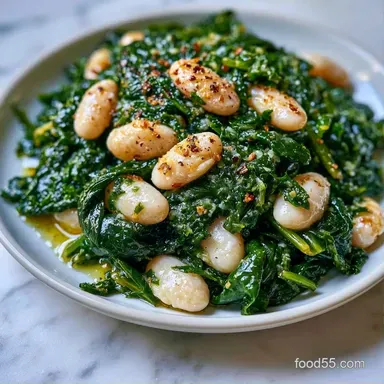
Hearty Italian Swiss Chard White Beans
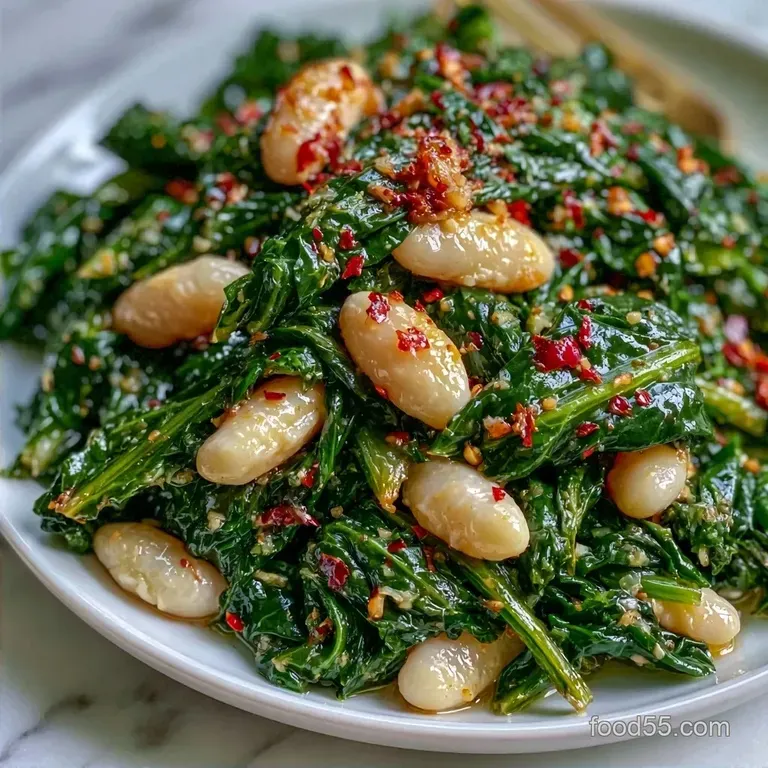
- Duration: 10 min prep + 20 min heat
- Taste & Feel: Savory and zesty with a velvety consistency
- Ideal for: Seasonal weeknight meals or a substantial side for guests
The nutty sizzle of garlic hitting hot olive oil is my favorite sound of the day the definitive signal that dinner is underway. I used to see Swiss chard as a nutritional chore, something eaten for health rather than pleasure, but I was mistaken.
Forget the notion that chard is too bitter or that the stems belong in the bin. While many treat the stems as waste, they actually provide the best texture. When sautéed correctly, they offer a tender crisp bite that balances the softness of the leaves.
This version of Swiss Chard White Beans emphasizes the vivid colors of seasonal produce. I recommend rainbow chard for a striking look, finished with a splash of citrus to brighten the whole dish. Trust me, once you stop discarding the stems, you'll never look back.
Swiss Chard White Beans Specs
This recipe is built for efficiency without sacrificing that slow cooked feel. Since we're using canned beans, we cut out hours of soaking, but we still get a rich consistency by using a simple smashing technique.
It serves four people comfortably. If you're serving it as a side, it'll probably stretch to six. I usually make a larger batch on Sundays because it holds up incredibly well for meal prep.
Right then, let's look at how fresh ingredients compare to the shortcuts. I always prefer fresh, but sometimes the pantry is all you've got.
| Chard Type | Prep Effort | Flavor Result |
|---|---|---|
| Fresh Rainbow | Medium | Bright, earthy, and vibrant |
| Canned/Frozen | Low | Muted tones and softer texture |
The Fresh Ingredient List
I prefer keeping my pantry basics simple. The aim is to let the chard shine, with the beans acting as a hearty foundation.
- 2 tbsp extra virgin olive oil Purpose: Creates a rich, fruity base
- 1 medium yellow onion, finely diced Purpose: Adds a gentle sweetness
- 4 cloves garlic, minced Purpose: Provides a pungent, savory punch
- 1 tsp dried oregano Purpose: Introduces a Mediterranean herbal note
- 1 lb Swiss chard, stems removed and diced, leaves roughly chopped Purpose: Earthy greens with a sturdy structure
- 1 can (15 oz) cannellini beans, drained and rinsed Purpose: Offers a creamy texture and protein
- 1 cup vegetable broth, low sodium Purpose: Ensures the dish remains moist and savory
- 1/2 cup diced canned tomatoes Purpose: Gives a bright, acidic lift
- 1 tbsp fresh lemon juice Purpose: Balances the earthiness
- 1/2 tsp kosher salt Purpose: Heightens all the other flavors
- 1/4 tsp cracked black pepper Purpose: Adds a touch of warmth
- 1/4 cup fresh parsley, chopped Purpose: A fresh, peppery finish
If you don't have cannellini beans, Great Northern beans work equally well. For the chard, rainbow varieties provide the most color, though Lacinato (dino) kale is a good substitute if you don't mind a slightly firmer leaf.
Tools You'll Need
No fancy equipment is required here; a single wide pan handles the bulk of the work.
I suggest using a large cast iron pan or a stainless steel skillet. You'll want plenty of room so the chard doesn't crowd the pan, which ensures the leaves wilt evenly instead of steaming. A sharp chef's knife is also essential for dicing those small stem pieces.
To mash the beans, I simply use the back of a wooden spoon. It's a basic approach, but it works.
From Prep to Plate
Let's get started. Timing is crucial here; the stems need a head start so they don't stay woody.
Step 1: Separating and Prepping
Separate the Swiss chard stems from the leafy greens. Dice the stems into small, 1/4 inch pieces and roughly chop the leaves into 2 inch ribbons. Note: Keep them in separate piles so they don't cook at the same rate.
Step 2: Sautéing the Foundation
Warm olive oil over medium heat. Add the diced onion and chard stems; sauté for 5–7 minutes until onions are translucent and stems are golden brown. Stir in the minced garlic and oregano, cooking for 60 seconds.
Note: Keep the mixture moving, as garlic burns quickly.
Step 3: Simmering for Texture
Mix in the drained cannellini beans and diced tomatoes, then pour in the vegetable broth. Use the back of a spoon to lightly mash about 10% of the beans to thicken the sauce. Simmer for 5 minutes.
Step 4: Wilting the Greens
Fold in the chopped chard leaves in batches, stirring gently until the leaves collapse and turn vibrant emerald, which takes approximately 3–4 minutes. Note: Adding them in batches keeps the pan from cooling too much.
Step 5: The Final Brightening
Take the pan off the heat. Mix in the lemon juice, salt, and black pepper. Garnish with fresh parsley before serving.
Troubleshooting the Cook
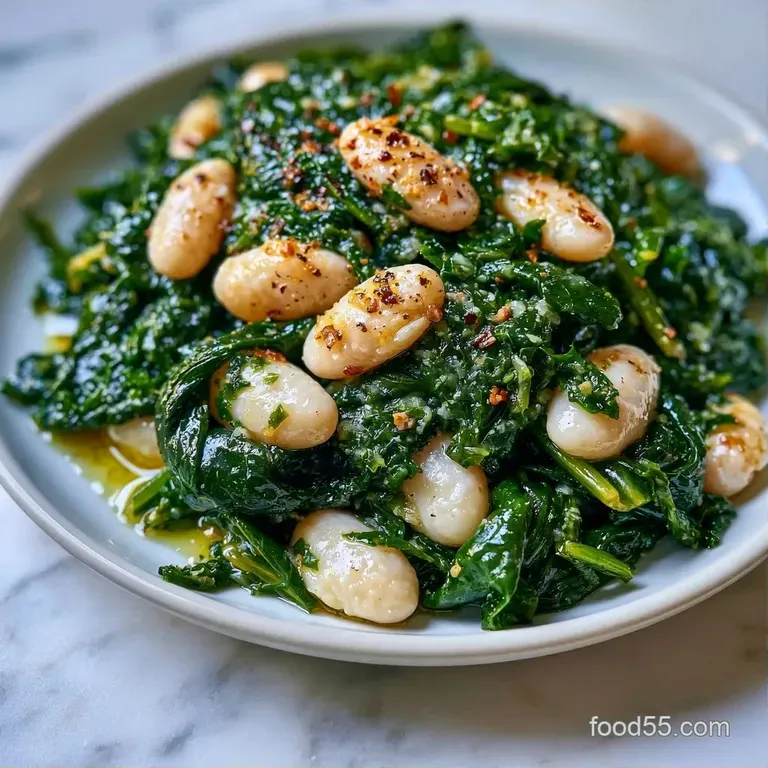
Mistakes can still happen, even with straightforward dishes. Often, it's a matter of temperature control or the freshness of the greens.
If the dish tastes too bitter, the chard is likely the culprit, as older bunches can develop a sharp edge. A small amount of sugar or a bit more lemon juice can balance this out. If your sauce is too thin, you may not have mashed enough beans; the starch from the cannellini is what gives this Swiss Chard White Beans recipe its body.
And if your greens have turned grey, they've been overcooked. Chard should remain vibrant, so remove the pan from the heat the moment they wilt.
| Problem | Root Cause | Solution |
|---|---|---|
| Bitter aftertaste | Over mature chard leaves | Add more lemon juice or a bit of sugar |
| Watery sauce | Not enough beans smashed | Mash more beans or simmer 2 mins longer |
| Dull, grey leaves | Overcooked greens | Remove from heat immediately after wilting |
| Woody stems | Added stems too late | Sauté stems first for at least 5 minutes |
Ways to Change It
This dish is highly versatile, and I often adapt it based on what I have on hand. To give it a more rustic character, stir in a pinch of red pepper flakes when you sauté the garlic.
For a protein boost, topping the meal with crumbled feta or a poached egg works beautifully. If you prefer a richer, more autumnal flavor, I suggest adding a teaspoon of smoked paprika. If you're searching for other comforting vegetable forward meals, my turkey soup with lentils is an ideal choice for chilly weather.
Here are a few simple adjustments for different results: Want more brightness? → stir in 1 tsp lemon zest Need more spice? → add 1/2 tsp red pepper flakes Prefer a thicker consistency? → mash 20% of the beans rather than 10%
Storage and Waste Tips
I'm a big believer in minimizing food waste, and this dish is a perfect example of sustainable cooking. Having already used the stems, we've made a great start. For any leftover lemon halves, simply zest them and store the zest in a small freezer safe container for future use.
Store any remaining portions in a glass jar in the refrigerator for 3-4 days. The flavors actually deepen and improve by day two. To reheat, use a small pot over medium heat, adding a tablespoon of water or stock to return the sauce to its original consistency.
This can be frozen for about 2 months, though the greens will lose their bright color. The taste remains excellent, even if the visual appeal fades slightly.
Best Presentation Tips
Since rainbow chard is so vibrant, I like to serve this in a shallow white bowl. It makes the reds and greens pop.
This dish is excellent as a standalone light lunch with a slice of toasted sourdough. If you're hosting a dinner, it pairs perfectly with a pasta dish. I've found it goes really well alongside creste di gallo pasta for a full Italian style spread.
For a final touch, drizzle a bit of high-quality olive oil over the top right before it hits the table. It adds a glossy finish and a hit of fresh fruitiness.
Why Most Recipes Fail
Most versions of Swiss Chard White Beans fail because they treat the greens as a single unit. When you toss stems and leaves in at the same time, you end up with either raw stems or mushy leaves.
The real magic happens in the bean starch. Smashing a few beans releases natural thickeners into the broth. This creates a cohesive sauce that clings to the greens rather than pooling at the bottom of the plate.
Here is what usually goes wrong:
The Stem Neglect
Discarding stems is a waste of flavor. They have a distinct, salty crunch that mimics celery. Sautéing them first ensures they are tender but not soft.
The Texture Gap
Many recipes result in a "beans in water" soup. By smashing 10% of the beans, you create a thick base. This prevents the dish from feeling like a thin stew.
The Acid Absence
Chard is earthy and heavy. Without a hit of acid at the end, the dish can feel flat. Adding lemon juice off the heat preserves the brightness and lifts the whole profile.
Recipe FAQs
What does Swiss chard taste like?
It has an earthy, slightly salty flavor similar to spinach but with a heartier texture.
Tip: Use lemon juice at the end to brighten the deep, mineral notes.
How to cook Swiss chard and beans?
Sauté diced onion and chard stems, stir in garlic and oregano, then simmer with cannellini beans, tomatoes, and broth.
Tip: Smash about 10% of the beans to thicken the sauce naturally.
Is it true that you shouldn't eat Swiss chard every day?
Not true. It is a nutrient dense vegetable that fits well into a balanced daily diet.
Tip: Mix it with other greens to vary your nutrient intake.
How do I cook Swiss chard perfectly?
Fold in the chopped leaves in batches and stir only until they collapse and turn vibrant emerald.
Tip: Remove the pan from the heat immediately to prevent the leaves from turning grey.
Which herbs pair best with white beans?
Dried oregano and fresh parsley provide a classic, aromatic balance to the creamy beans.
Tip: If you enjoy these savory aromatic pairings, see how we balance deep flavors in our French onion soup.
Is Swiss chard identical to red chard?
That's a myth. While they are the same species, red chard has colorful stems and a slightly more pronounced flavor.
Tip: Both varieties work interchangeably in this recipe.
Swiss Chard White Beans for 4 Servings