The Bakers Best Ultramoist 5Ingredient Almond Loaf Cake
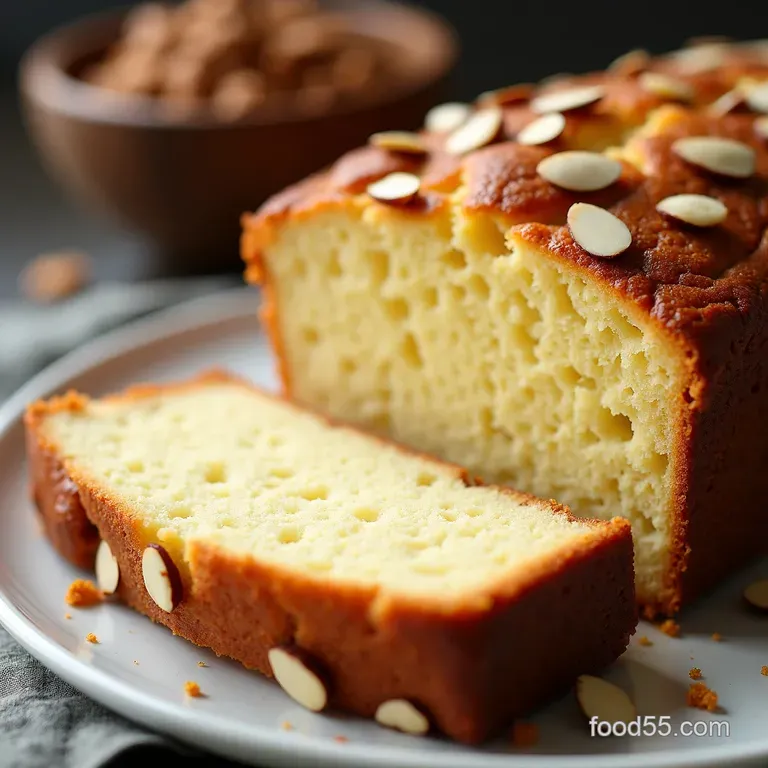
- Why This Almond Cake Recipe Deserves a Permanent Spot in Your Rotation
- The Spirit of Simple Elegance: Our Classic Batter Philosophy
- Assembling Your Simple Powerhouse Ingredients
- The Secret Behind Superior Moisture in Your Almond Cake
- The Seamless Baking Journey: From Prep to Pan
- Achieving Golden Perfection: Timing and Temperature Checks
- Elevating Your Homemade Almond Cake Experience
- Troubleshooting Common Baking Hurdles
- Almond Flour vs. Ground Almonds: What’s the Difference?
- Mastering the Make: Achieving the Perfect Moist Crumb
- Adding Pizzazz to Your Classic Almond Cake: Next-Level Flavour Twists
- Finishing Touches: Glaze and Topping Ideas for Your Almond Cake
- Frequently Asked Questions
- 📝 Recipe Card
Right then, let’s get cracking! An Almond Cake lovely stuff. It reminds me of those sunny afternoons spent watching cricket, a proper slice of simple elegance that never disappoints.
Since you’re keen on keeping things straightforward, we’ll lean into a classic, moist version, perhaps nodding towards a beautiful Torta di Mandorle vibe but adapted for the everyday home baker. The aroma hitting you when this is baking? Proper kitchen magic, I tell you.
Why This Almond Cake Recipe Deserves a Permanent Spot in Your Rotation
Forget the fussy layer cakes that take all day. This is the one you pull out when you need something truly impressive but only have 45 minutes of actual active time. It smells incredible deep, warm, nutty and tastes like pure comfort.
If you’re after a Moist Almond Cake , you’ve hit the jackpot here.
Meet the Ultra Moist Loaf: A Nod to Italian Tradition
We are leaning on the magic of using only nuts, no flour. This is where we ditch the dried out results you sometimes get elsewhere. When you use whole blanched almonds ground properly, you introduce healthy fats that keep the texture impossibly tender.
Many recipes online, like that fancy Figgy Almond Polenta Tea Cake, try to add texture, but we are going for pure, unadulterated richness here. My first attempt at a gluten-free Almond Cake was too sandy, but blending the nuts with the sugar first fixes all that grit. This is the real deal.
Crafting an Effortless Treat for Any Occasion
Honestly, this Simple Almond Cake is almost stupidly easy. You are blitzing ingredients in a machine, which means no messy bowls or worrying about over folding. It’s fast enough for an emergency dessert when guests drop by unannounced.
It also ticks a big box for dietary needs, as it’s naturally flourless. Thinking about serving this with a dollop of something or maybe adding an Almond Cake Frosting later? Don't bother just yet; the natural moisture speaks for itself.
Understanding the 'Sunshine in a Slice' Experience
This isn't a light, airy sponge. It’s satisfying. It’s dense but melts in your mouth. If you’re wondering, "Can I use this for breakfast?" The answer is yes, especially if you’ve got a strong cup of tea nearby.
It’s less sweet than your average Victoria Sponge, making it perfect for an afternoon break. If you see recipes mentioning Almond Cake with Raspberry Filling , that’s lovely for a showstopper, but for everyday joy, this simple loaf is king.
We want that pure almond hit, not a distraction.
The Spirit of Simple Elegance: Our Classic Batter Philosophy
The core of this Classic Almond Cake is simplicity and quality ingredients. I’ve seen blogs trying to reinvent the wheel by adding olive oil (like that Olive Oil Cake making the rounds), but for this specific flavour profile, melted butter just sings louder.
It gives it that classic, slightly buttery, comforting flavour we all crave.
The main question I always get is: "Can I make this a Healthy Almond Cake ?" Well, it’s naturally lower in carbs than flour cakes, and it's packed with good fats from the nuts.
If you wanted to swap out the sugar for a granular sweetener, you absolutely could, but you must adjust the baking time slightly, as different sugars caramelize differently. Remember, when you bake this at 350°F (175°C) , watch the top it should be deep gold, not burnt.
This Almond Cake Recipe is designed to be reliable every single time.
Related Recipes Worth Trying
- Crispy Summer Squash and Chive Pancakes Recipe — Achieve perfectly crisp Summer Squash and Chive Pancakes This easy recipe guarantees light gardenfresh flavour without the soggy middle Find out our secret...
- Easy Pumpkin Cupcake Recipe My GoTo Moist Spiced Cupcakes — This Easy Pumpkin Cupcake Recipe yields light moist pumpkin cupcakes spiced with cinnamon ginger and cloves topped with tangy cream cheese frostingperfect...
- Pumpkin Spice NoBake Cheesecake My Easy FailSafe Fall Recipe — A silky Pumpkin Spice NoBake Cheesecake with graham or gingersnap crust creamy pumpkincream cheese filling and whipped cream no oven perfect for fall parties
Right then, let’s get cracking! An Almond Cake lovely stuff. It reminds me of those sunny afternoons spent watching cricket, a proper slice of simple elegance that never disappoints.
Since you’re keen on keeping things straightforward, we’ll lean into a classic, moist version, perhaps nodding towards a beautiful Torta di Mandorle vibe but adapted for the everyday home baker. This Simple Almond Cake is one I return to time and again.
Assembling Your Simple Powerhouse Ingredients
Getting the right bits and bobs together is half the battle, isn't it? For this recipe, we are leaning into quality over quantity. We want that deep, nutty flavour to shine through. Think less of a fussy layered affair and more of a gorgeous, comforting Classic Almond Cake that tastes like pure sunshine.
The Five Core Components You Must Have Ready
You only need six main players here, plus a little lift. First up, the star: Whole Blanched Almonds (1 ½ cups or 170g). Using whole almonds and grinding them yourself is the secret weapon for this super Moist Almond Cake. Next, the structure: Large Eggs (3).
Make sure they are at room temperature; it really helps them blend smoothly. Then we have the fat— Unsalted Butter (8 tablespoons or 113g), melted but not hot. Sugar is next, the simple Granulated Sugar (¾ cup or 150g), for sweetness.
Don't forget a small amount of Baking Powder (1 teaspoon) for the necessary lift. If you want that extra ‘wow’ factor, a dash of Almond Extract (½ teaspoon) works wonders.
Selecting the Right Almond Flour Grind for Texture
This is where many people go wrong when attempting an Almond Cake with Almond Flour. If you buy pre-ground almond meal, you might miss out on the best texture. We need to blitz those whole blanched almonds ourselves. Pulse them with the sugar first. The goal is a flour so fine it feels like soft sand.
If you see big flakes or chunks, keep processing! I learned the hard way that gritty cake is just disappointing. For a truly great Almond Cake Recipe, the grind matters more than you think.
Essential Equipment for Seamless Preparation
Honestly, if you don't have a decent food processor or a powerful blender, this particular Almond Cake Recipe becomes a real slog. A food processor is essential here because it needs to smash those tough nuts down fine. You’ll also need a standard 9x5 inch Loaf Tin .
Please, line it well with parchment paper, leaving an overhang on the long sides that’s your handle for lifting the finished cake out. Trust me on the overhang; it saves so much faffing about later.
The Secret Behind Superior Moisture in Your Almond Cake
What makes this cake stay moist for days? It’s the fat ratio and the lack of traditional wheat flour. Because we’re using ground nuts and butter, the cake naturally retains moisture beautifully. It’s naturally leaning towards being a gluten-free Almond Cake, too, which is a bonus for many.
We aren't aiming for a towering sponge; we want that dense, satisfying texture.
If you were thinking of adding a Raspberry Filling, save that for serving, perhaps alongside some clotted cream this base recipe is perfect as is. The moisture level is high enough that you don't need to worry about dryness, even if you aren't topping it with an Almond Cake Frosting.
Bake it at 350° F ( 175° C) for about 40 minutes, and remember the skewer test. If it comes out with wet batter, give it another five minutes. Patience is the final ingredient for a perfect finish!
Right then, let’s get cracking! An Almond Cake lovely stuff. It reminds me of those sunny afternoons spent watching cricket, a proper slice of simple elegance that never disappoints.
Since you’re keen on keeping things straightforward, we’ll lean into a classic, moist version, perhaps nodding towards a beautiful Torta di Mandorle vibe but adapted for the everyday home baker.
This specific Almond Cake Recipe is designed to be dead simple, relying on the flavour power of the nuts themselves.
The Seamless Baking Journey: From Prep to Pan
Getting ready is half the battle, innit? If you muck up the groundwork, the whole bake suffers. This Simple Almond Cake is very forgiving if you respect the prep phase. My biggest lesson learned? Don't rush the oven warming.
Prepping the Pan and Warming the Oven Accurately
First things first: get that oven sorted. We want a steady warmth. Preheat your oven to 350° F ( 175° C) . Don't rely on the light turning off; give it a good ten minutes once you think it’s ready. A slightly cooler oven leads to a flatter cake.
For the tin I’m assuming a standard loaf tin here you want to grease it properly. Butter works fine, but use a tiny bit of oil on a paper towel for the corners. Then, line it with baking parchment. Crucially, cut the parchment so it hangs over two opposite sides like little handles.
This sling allows you to lift the finished Moist Almond Cake out easily later. That saves a load of heartache, trust me.
Mixing Technique: Gentle Folding for Maximum Lift
Because we are grinding the almonds down to a meal in the processor, we skip traditional flour mixing. This is where the magic happens for that naturally gluten-free Almond Cake texture. After blending the nuts and sugar into a fine powder, introduce the eggs and melted butter.
Blend just until it’s smooth.
Here’s a proper tip: Stop the processor once the batter is uniform. If you keep whizzing it, you generate heat, and that can toughen the proteins in the eggs slightly. We are aiming for tenderness.
If you're transferring the final mix to a bowl to fold in any optional additions (like chocolate chips if you fancy a twist on this Classic Almond Cake ), be gentle. A few smooth strokes with a spatula is all you need.
Overmixing at this stage is the enemy of a light crumb, even without flour present.
Achieving Golden Perfection: Timing and Temperature Checks
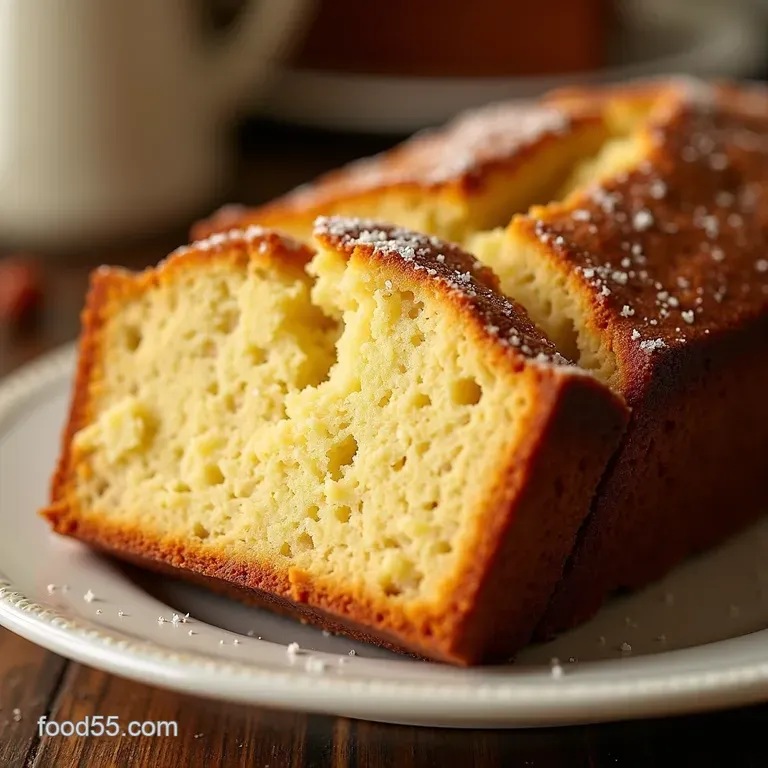
The moment of truth! You’ve got your batter neatly nestled in its paper cradle. Now, we focus purely on gentle, consistent heat transfer. This almond heavy batter needs time to set, it doesn't rise like a fluffy sponge cake.
Baking Duration: Knowing When to Pull It Out
Pop the tin into the centre rack. The recipe calls for about 40 to 45 minutes. However, every oven has its quirks yours might be slightly hotter or cooler than mine, bless its socks. Start checking around the 38-minute mark.
The sensory checkpoint here is vital. The top should look deeply golden, smelling wonderfully nutty and rich, perhaps a little like marzipan mixed with toasted biscuits. The definitive test, though, is the skewer.
Insert a thin skewer or a toothpick right into the middle it must come out clean, or with just a few moist crumbs clinging on. If you see wet batter, give it another five minutes.
Remember, this is a Healthy Almond Cake base, so it's naturally dense; don’t expect it to be bone dry inside.
The Crucial Cooling Phase for Structural Integrity
Don’t let impatience ruin a perfectly baked bake! Once out of the oven, place the tin on a cooling rack for 15 minutes . This phase is non-negotiable. It allows the structure which relies on the fat and ground nuts rather than gluten to firm up.
If you try to tip it out immediately, the soft sides might just slump.
After those 15 minutes, use those parchment paper handles you created earlier. Lift the entire cake gently out and place it directly onto the wire rack to cool completely.
If you’re planning on adding an Almond Cake Frosting —perhaps a simple lemon glaze make sure it’s absolutely cold first. For storage, keep it tightly wrapped in plastic wrap at room temperature for up to three days.
It honestly tastes better the next day, absorbing all that moisture. A slice with a cup of tea? Proper job.
Right then, let’s get cracking! An Almond Cake lovely stuff. It reminds me of those sunny afternoons spent watching cricket, a proper slice of simple elegance that never disappoints.
Since you’re keen on keeping things straightforward, we’ll lean into a classic, moist version, perhaps nodding towards a beautiful Torta di Mandorle vibe but adapted for the everyday home baker.
This is my go-to Almond Cake Recipe when I need something that tastes impressive but keeps the washing-up minimal.
Elevating Your Homemade Almond Cake Experience
We’ve got the basic method sorted, but the fun bits, the bits that make people ask, “Where did you buy this?”, happen right here. We want this Moist Almond Cake to sing, not just hum quietly in the background.
Variations: Citrus Zests and Spiced Enhancements
Honestly, the base cake is fantastic, but sometimes you need a little pizzazz, don’t you? Especially if you’re serving it up for afternoon tea and want to impress the neighbours. Adding citrus is the easiest trick in the book. That zest? It releases oils that perfume the entire cake while it bakes.
I always reach for a lemon first; the sharp tang cuts through the richness of the almonds beautifully. If you fancy something warmer, ditch the lemon and try a pinch of ground cardamom or even a tiny dash of cinnamon when you grind your nuts.
Remember, this recipe is naturally closer to a gluten-free Almond Cake because we use no flour, so the flavour of the almonds must shine. A little extra vanilla or almond extract, as suggested in the main recipe, really amplifies that nutty core.
Serving Suggestions: Glazes and Accompaniments
Look, a good dusting of icing sugar is always acceptable it’s the traditional British way, isn't it? Simple and effective. But if you want to turn this Simple Almond Cake into a showstopper, you need a bit of drizzle.
Forget heavy buttercream Almond Cake Frosting ; that’ll bury the lovely texture we worked so hard to achieve. Instead, try a thin lemon glaze. Just mix about 100g of icing sugar with two tablespoons of fresh lemon juice until it’s runny enough to pour but still opaque.
Let the cake cool completely, then drizzle it quickly. It sets hard and gives a lovely crackle when you bite into it. For a real treat, especially in summer, serving a slice next to some fresh, slightly macerated strawberries is spot on. It makes it feel like a proper grown-up pudding.
Troubleshooting Common Baking Hurdles
Even with the simplest recipe, things can go a bit pear shaped, can’t they? Don't panic if your first attempt isn’t perfect. Baking is chemistry, and sometimes the variables humidity, oven calibration, the size of your eggs mess things up.
My biggest learning curve with this type of cake was texture.
My first attempt at a flourless Almond Cake ended up a bit dense, almost heavy. I learned then that the key isn’t just using Almond Cake with Almond Flour (though that works); it’s how fine you grind those whole almonds.
If they aren't ground almost to a flour consistency before the wet ingredients go in, you end up with a slightly sandy or tough crumb. My tip? If you’re using a food processor, blitz the nuts and sugar for a good 45 seconds before adding anything else.
You want it looking like slightly damp sand, not chunky bits.
Optimal Storage Methods to Maintain Freshness
Since this is such a Moist Almond Cake , we need to respect its moisture content during storage. Unlike drier sponge cakes, this one doesn't do brilliantly just sitting out on the counter wrapped in foil for days.
If you plan to eat it within two days, wrap the cooled cake tightly in plastic wrap, then place it in an airtight container. Keep it somewhere cool, but not freezing cold, like the pantry.
If you’ve made a large batch or want to keep it for longer say, planning ahead for a gathering freezing is brilliant. Slice the cooled cake first, then wrap individual slices tightly in plastic wrap and foil. You can freeze this Classic Almond Cake for up to three months.
When you want a slice, just unwrap it and let it thaw on the counter for an hour or two. It’s almost as good as fresh! Honestly, if you are looking for a Healthy Almond Cake option, the portion control offered by slicing before freezing helps immensely.
For those looking for an even more decadent version, you could easily make an Almond Cake with Raspberry Filling layer in the middle before baking, though that does push it out of the "simple" category! Either way you go, enjoy that sunny slice. It really is a winner.
Almond Flour vs. Ground Almonds: What’s the Difference?
Right then, let’s get cracking! We’re making an Almond Cake here, and for a proper, authentic bake, we need to talk about the nuts. This isn't just about throwing stuff in a bowl; it’s about texture, flavour, and understanding what your ingredients are doing.
Because this Almond Cake Recipe relies so heavily on the nut, the type you use makes a massive difference to the final result, especially if you’re aiming for that super Moist Almond Cake texture we talked about.
From Nut to Meal: Grinding Your Own Versus Buying Pre-Milled
If you’ve looked at recipes, you’ve probably seen the terms "ground almonds" and "almond flour" floating about. They sound interchangeable, don't they? Like ‘biscuit’ and ‘cookie’ close, but not quite the same cup of tea.
For this particular Simple Almond Cake , I usually insist on grinding my own.
When you buy 'ground almonds' (often called almond meal in other places), it’s usually almonds that have been ground until they are relatively fine. But here’s the kicker: they often still have some of the skin on, which gives the final product a slightly coarser, more rustic texture.
This is perfectly fine for things like biscotti or a crumbly topping. However, for our Classic Almond Cake , we want something far smoother, almost like soft sand.
Almond flour, the stuff often sold for making gluten-free Almond Cake batters, is different. It’s made from blanched almonds meaning the skins have been removed and it’s ground much finer, almost to the consistency of wheat flour.
This finer grind absorbs moisture differently and creates a much more tender, lighter crumb. When I first tried to make a European style cake like this, I used coarse ground almonds and ended up with something that felt a bit heavy, almost chewy. Lesson learned, eh?
Why Fineness Matters for a Truly Moist Almond Cake
The secret to that melt-in-your mouth quality in a great Almond Cake Recipe is how the fat and sugar coat the nut particles. When you grind whole, blanched almonds yourself in a food processor as we do in the instructions above you have more control.
You stop the machine before the natural oils in the nuts release too much and turn the mix into almond butter.
If you’re grinding, stop when it looks like fine cornmeal. This freshly ground texture is what helps trap moisture during baking. It allows the batter to be dense (because there's no wheat flour doing the heavy lifting) but still beautifully light.
If you're aiming for a Healthy Almond Cake , using whole blanched almonds and grinding them yourself ensures you retain all those lovely natural oils and nutrients without any added stabilisers that sometimes creep into commercial almond flour.
Making the Switch: Flour or Meal in Your Almond Cake Frosting
Now, what if you’re making an Almond Cake Frosting , or perhaps you’re in a rush and only have store-bought almond flour? Generally, for a recipe like our loaf cake where the almond is the structure, using the finest almond flour you can find is best if you can't grind fresh.
If you decide to substitute the ground almonds in the main cake batter with commercially available almond flour, I’d suggest you might need to slightly increase your wet ingredients maybe an extra teaspoon of melted butter or half an egg yolk because the flour is often drier.
It absorbs liquid more readily than the freshly ground mix.
If you must use standard, slightly coarser ground almonds for the cake structure, consider using a little more almond extract (if you have it) to boost that flavour, and be prepared that the texture might lean more towards a sturdy tea cake rather than the delicate, almost custardy crumb of a true Torta di Mandorle .
For serving suggestions, even a dusting of icing sugar looks brilliant, but if you’re going all out, a simple lemon glaze over the top of your finished Almond Cake is unbeatable.
Don't worry too much about the Almond Cake Frosting if this is your first try; this Simple Almond Cake shines on its own.
Mastering the Make: Achieving the Perfect Moist Crumb
Right then, let’s get cracking! An Almond Cake —lovely stuff. It reminds me of those sunny afternoons spent watching cricket, a proper slice of simple elegance that never disappoints.
Since you’re keen on keeping things straightforward, we’ll lean into a classic, moist version, perhaps nodding towards a beautiful Torta di Mandorle vibe but adapted for the everyday home baker.
Getting that gorgeous, tender crumb is the absolute goal here, and thankfully, with this particular Almond Cake Recipe , it’s almost foolproof.
The secret sauce, if you can call it that, lies entirely in what we don't use namely, standard wheat flour. Because we are leaning heavily on the ground nuts, we naturally end up with something that retains moisture like a sponge soaking up a weak brew.
This isn't just a trick; it's the very foundation of a truly rich Moist Almond Cake .
The Magic of the Nut Grind
When you’re aiming for supreme moisture in an Almond Cake with Almond Flour (even though we are grinding our own!), texture control is everything. I learned this the hard way early on, trying to rush the grinding part.
If you leave those almonds too coarse, you end up with a cake that feels sandy, not silky. Nobody wants sand in their afternoon treat!
In the food processor, you need to blitz those almonds with the sugar until they look less like whole nuts and more like a very fine, pale meal. Think of it as transforming the nuts into the primary structure of the cake. If you’re grinding a large batch, stop every 30 seconds to let the machine breathe.
The friction can heat up the nuts, releasing their oils too early, which leads to a heavy result rather than a light, airy crumb. My little tip? If you stop and feel the mixture, it should feel cool to the touch.
This attention to detail ensures we get that beautifully tender texture that makes this Simple Almond Cake so memorable.
Temperature is Your Tea Time Tune
Temperature management is where many bakers lose the plot, especially when dealing with eggs and butter. For this recipe, we need everything to sing in harmony. If your melted butter is scorching hot when it hits the eggs, you risk scrambling them slightly. That ruins the emulsion immediately.
The rule is simple: melt the butter, then leave it alone for five minutes while you prep your dry bits. It needs to be warm enough to remain liquid, but cool enough not to cook anything prematurely. Similarly, room temperature eggs mix in far better than ice-cold ones straight from the fridge.
They create a smoother batter that traps air pockets more efficiently. Air pockets equal lift and softness. It’s simple science, really, but ignoring it is why some bakes turn out a bit leaden a culinary cardinal sin, in my book!
The Don't-Overwork Directive
Once those wet ingredients the eggs and the buttery goodness hit the ground nuts and sugar, you need to treat the mixture with respect. This isn't bread dough, mate; we aren't developing gluten here. We are merely encouraging everything to combine.
The moment the batter looks uniformly combined, stop the processor. Seriously, just switch it off. Over processing at this stage tends to agitate the fine almond particles too much, which can again lead to a denser final product. When you scrape the batter into the tin, it should look slightly thick, but pourable.
If you’re worried about it being too dense (perhaps you are looking to make a gluten-free Almond Cake iteration), adding a tiny touch more baking powder won't hurt, but usually, the texture achieved by the ground almonds is perfect.
When baked, this cake will be dense, yes, but it should never feel tough. It should yield beautifully to the fork, promising a wonderful pairing with an Almond Cake with Raspberry Filling should you ever fancy dressing it up later. Keep it simple for now, though.
This Classic Almond Cake shines brightest when left slightly plain, maybe just a dusting of sugar or a lovely Almond Cake Frosting dollop on the side.
Adding Pizzazz to Your Classic Almond Cake: Next Level Flavour Twists
Right then, we’ve got the blueprint for what I honestly believe is the best Almond Cake Recipe out there the one that makes everyone ask for the secret. It’s already brilliant as is, a truly Simple Almond Cake . But hey, we’re cooks, not robots!
Sometimes you want to jazz things up a bit, right? Think of flavour additions as the accessories that turn a lovely frock into a showstopper. Even the densest, Moist Almond Cake benefits from a little aromatic lift.
I remember the first time I tried adding citrus to a nutty bake. It was a complete accident, mind you I’d just grated a lemon for something else and tossed the zest in, thinking, "What’s the worst that could happen?" Turns out, it was fantastic. It cut through the richness beautifully.
This little section is where we talk about those easy upgrades.
Zest is Best: Brightening Up Your Almond Cake
If you want that sunny, Mediterranean feel, citrus zest is your absolute best mate. It contains all those lovely essential oils that pack a massive flavour punch without adding any extra liquid, which is crucial when we’re aiming for that specific crumb in our Almond Cake with Almond Flour base.
Forget squeezing the juice; we want the zest only. The white pith underneath that colourful outer layer is bitter as anything tastes like licking the inside of an old motorbike seat, so leave that bit alone!
For this specific recipe, either the zest of one large orange or one large lemon works wonders. When do you add it? Right at the start, with the dry ingredients (almonds, sugar, etc.). If you’re using a food processor like we are, just toss it in with the nuts and sugar and blitz it down.
The heat from the friction slightly releases the oils, making your kitchen smell absolutely smashing before the cake even sees the oven. This small step lifts the whole Classic Almond Cake experience from "nice" to "absolutely smashing."
A Drop of Magic: Extracts and Oils
Sometimes you don’t have fresh fruit, or perhaps you just fancy a deeper, more concentrated flavour boost. That’s where extracts come in. If you really want to lean into that almond character, consider adding just a half teaspoon of good quality almond extract, as noted in the main recipe.
But don’t stop there! Extracts are versatile. If you’re thinking of making a gluten-free Almond Cake version (which this one essentially is, naturally!), you can swap out some of that almond essence for something else if you fancy a change.
A tiny dash of vanilla extract is standard, but ever tried a single drop of rose water or orange blossom water? Go easy, though! These things are potent. I once accidentally put in a full teaspoon of rose water for a batch destined for an afternoon tea, and honestly, it tasted a bit like perfume.
Lesson learned: start small, taste, and adjust. They transform the aroma during baking into something truly special.
Spice It Up: Warming Notes for Your Bake
Spices can give your Almond Cake a cosy, autumnal vibe, even if you’re baking it in July. Cinnamon is the obvious choice, but think beyond that. A pinch of freshly grated nutmeg or a tiny whisper of ground cardamom pairs spectacularly with almonds.
If you are planning on making an Almond Cake with Raspberry Filling later on, definitely try a pinch of cinnamon or maybe even a tiny bit of ground ginger in the batter. These spices add warmth that complements the fruit beautifully. Remember, ground spices are stronger than fresh zest.
Add about a quarter teaspoon total for the entire loaf recipe. You aren't trying to make a spice cake; you're just giving your Almond Cake Frosting accompaniment a little backbone.
These simple additions ensure that every time you make this cake, it feels fresh. It’s the beauty of using a brilliant, Healthy Almond Cake foundation it can handle a bit of experimentation without falling apart!
Finishing Touches: Glaze and Topping Ideas for Your Almond Cake
Right then, we’ve got a magnificent, moist Almond Cake batter ready to go. But half the fun, isn't it, is dressing the thing up once it’s cooled? A beautiful cake deserves a lovely top coat.
This recipe is so good on its own, it barely needs anything, but if you want to elevate it from 'brilliant bake' to 'showstopper on the table,' here are a few simple tricks. Remember, a Simple Almond Cake is always best complemented by clean, bright flavours.
The Bare Minimum: Simple Dustings and Drizzles
Sometimes, less is absolutely more. When you’ve got an Almond Cake Recipe this flavourful, you don't want to mask it with heavy sugar bombs. My personal philosophy here is to highlight that beautiful almond aroma, not bury it.
If you’re after that rustic, Italian Torta di Mandorle look, just let the cake cool completely and I mean completely, or the sugar will melt into a sticky mess then take a fine mesh sieve and give it a proper blizzard of icing sugar.
It looks elegant and adds just that whisper of sweetness right before you bite in. If you're making a gluten-free Almond Cake , this dusting is often the best way to present it, as it keeps the texture pure.
For something slightly zestier, try a simple lemon or orange glaze. You only need a couple of tablespoons of freshly squeezed juice mixed with about half a cup of icing sugar. Stir it until it’s smooth it should pour easily but still coat a spoon.
Drizzle this lightly over the top while the cake is still slightly warm (not hot, mind you!). The slight warmth helps the glaze set into a lovely, thin shell. That citrus hit really lifts the deep, nutty flavour of the Almond Cake with Almond Flour .
When You Need Something Substantial: Frostings Worth the Fuss
Now, if you’re making this for a birthday or a proper Sunday roast dessert, you might need something a bit more robust than a dusting. Forget those overly sweet, neon white buttercream monstrosities you see in some supermarkets; we are aiming for sophisticated, not sickly.
For a rich Almond Cake Frosting , I always come back to a simple cream cheese frosting, but with a twist. Use a good quality full fat cream cheese, softened butter, a splash of vanilla, and a touch of powdered sugar. The crucial bit?
Instead of just vanilla, add a small splash of Amaretto or even a few drops of extra almond extract. This turns a standard cream cheese frosting into a glorious accompaniment for your Moist Almond Cake . Spread it thick you deserve it!
A tip learned the hard way: if you try to rush frosting a cake that’s even slightly warm, the fat in the frosting melts, and you end up with soup. Always wait until that Classic Almond Cake is completely chilled, or at least cooled to room temperature, before slathering anything on.
Patience saves you headaches, trust me on this one.
Texture Plays: Nuts and Fruit to Finish
Sometimes the best topping isn't a glaze at all, but texture. If you’ve managed to keep your main cake simple (which is the beauty of this Almond Cake Recipe ), you can go wild on top.
Toasted, sliced almonds are your best friend here. Toast a small handful of flaked almonds in a dry pan over medium heat until they’re golden brown and smell like heaven watch them like a hawk, they burn fast!
Once cooled slightly, press them gently into the top of your cream cheese frosting or scatter them over a light lemon glaze. This adds a lovely crunch that contrasts beautifully with the cake’s tenderness.
And if you’re feeling ambitious? Try layering. Imagine this Almond Cake split horizontally, layered with sharp raspberry jam a simple Almond Cake with Raspberry Filling is divine and then topped with a very thin layer of white chocolate ganache instead of a traditional frosting.
That sharp fruit with the sweet nuttiness? Proper winner. Whatever you choose, make sure your finish enhances the star ingredient. It's an Almond Cake , after all!
If you're craving more ideas, explore Waffled Crab Cakes with LemonHerb Aioli My GoTo Crisp Recipe , Springtime Easter Egg Cake Pops My Easy Pastel Party Treats and Skinny Chocolate Raspberry Cheesecake My Lighter Tangy Chocolate Swirl .
Frequently Asked Questions
Why is my Almond Cake crumbly, and how can I keep it super moist?
That 'crumble' usually means the almonds weren't ground fine enough, or the cake was slightly overbaked. For ultimate moisture, ensure you blend the nuts into a fine meal before adding the wet ingredients, as this traps the fat beautifully.
Also, try adding the zest of an orange to the mix it adds natural moisture and a lovely flavour boost!
Can I make this Almond Cake recipe gluten-free without losing the texture?
The brilliant news is that this specific recipe is already naturally gluten-free, as it relies entirely on ground almonds instead of wheat flour. Just be sure to check your baking powder label to ensure it’s certified gluten-free, and you’re good to go! It should slice cleanly once it has cooled completely.
How long does this lovely Almond Cake keep, and what's the best way to store it?
Because of the high almond and fat content, this cake stays lovely and moist for ages. Keep it tightly wrapped at room temperature for up to four days; it shouldn't need the fridge, which can sometimes dry cakes out.
If you need to keep it longer, slice it first and freeze it, wrapping the slices well perfect for thawing out individually when you fancy a quick bite.
I don't have a food processor; can I still manage this recipe?
You certainly can, although it will take a bit more elbow grease! You'll need to use a powerful blender to grind the almonds and sugar first, or you can buy pre-ground almond flour.
If using flour, make sure you whisk it together with the sugar, baking powder, and salt thoroughly to incorporate air before mixing in the wet ingredients by hand.
What are the best toppings or variations for this simple almond loaf?
For a truly simple, classic finish, a generous dusting of icing sugar once the cake has cooled is spot on it looks rather elegant! If you want a bit more pizzazz, try brushing the warm cake with a simple syrup made from sugar and lemon juice, or serve it with a dollop of mascarpone and some fresh seasonal berries.
The Bakers Best Ultramoist 5ingredient Almond Lo
Ingredients:
Instructions:
Nutrition Facts:
| Calories | 219 kcal |
|---|---|
| Protein | 4.0 g |
| Fat | 16.8 g |
| Carbs | 23.3 g |
| Fiber | 1.9 g |
| Sodium | 90 mg |
