The Ultimate Creamy Cinnamonkissed Noodle Kugel
- Unpacking the Magic of Lokshen Kugel: A Comforting Culinary Classic
- Why This Specific Noodle Kugel Recipe Stands Above the Rest
- The Essential Elements of a Luxurious Custard Base
- Gathering Your Tools: Equipment for the Perfect Bake
- Step-by-Step Guide to Assembling Your Noodle Kugel
- Baking Chemistry: Achieving the Ideal Golden Crust and Setting
- Troubleshooting Common Noodle Kugel Fails
- Meal Planning: Make-Ahead, Storage, and Reheating Strategies
- Recipe FAQs
- 📝 Recipe Card
Unpacking the Magic of Lokshen Kugel: A Comforting Culinary Classic
If you’ve ever walked into a kitchen during the holidays and been enveloped by the scent of warm cinnamon, rich butter, and vanilla, chances are good that someone was baking a Noodle Kugel. It is, quite simply, the ultimate expression of edible comfort a baked hug in a casserole dish.
For those unfamiliar, Noodle Kugel ( lokshen kugel in Yiddish) is a traditional Jewish dish, essentially a sweet, creamy egg noodle casserole. It's the kind of dish that speaks to generations, simultaneously sophisticated enough for Rosh Hashanah or Passover, yet simple enough for a quiet Sunday supper.
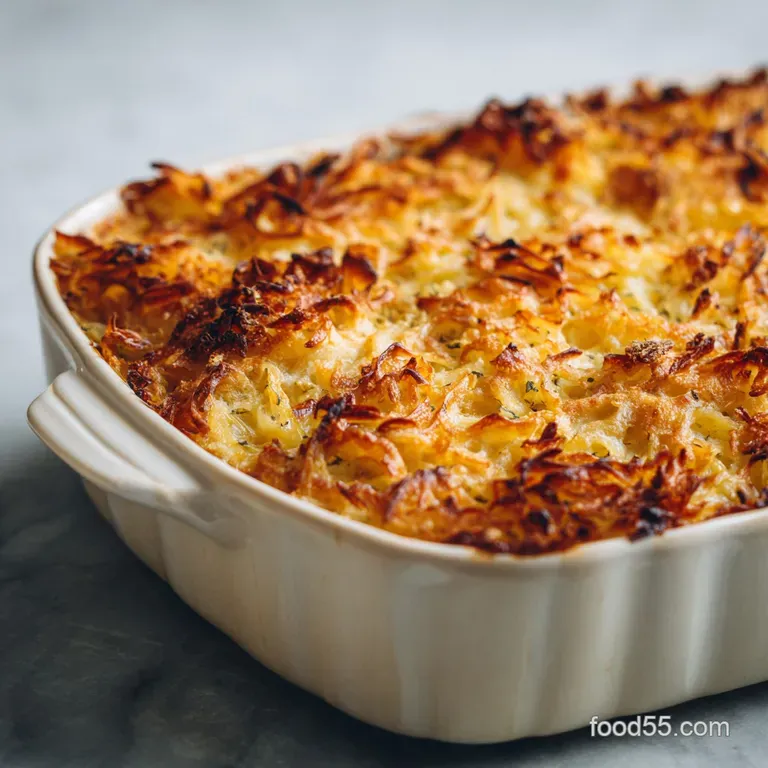
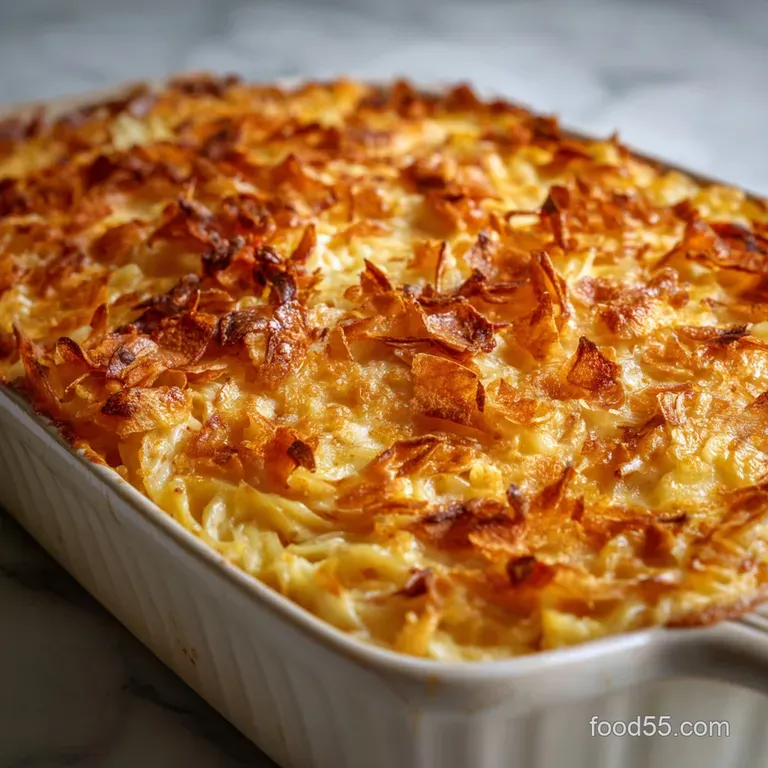
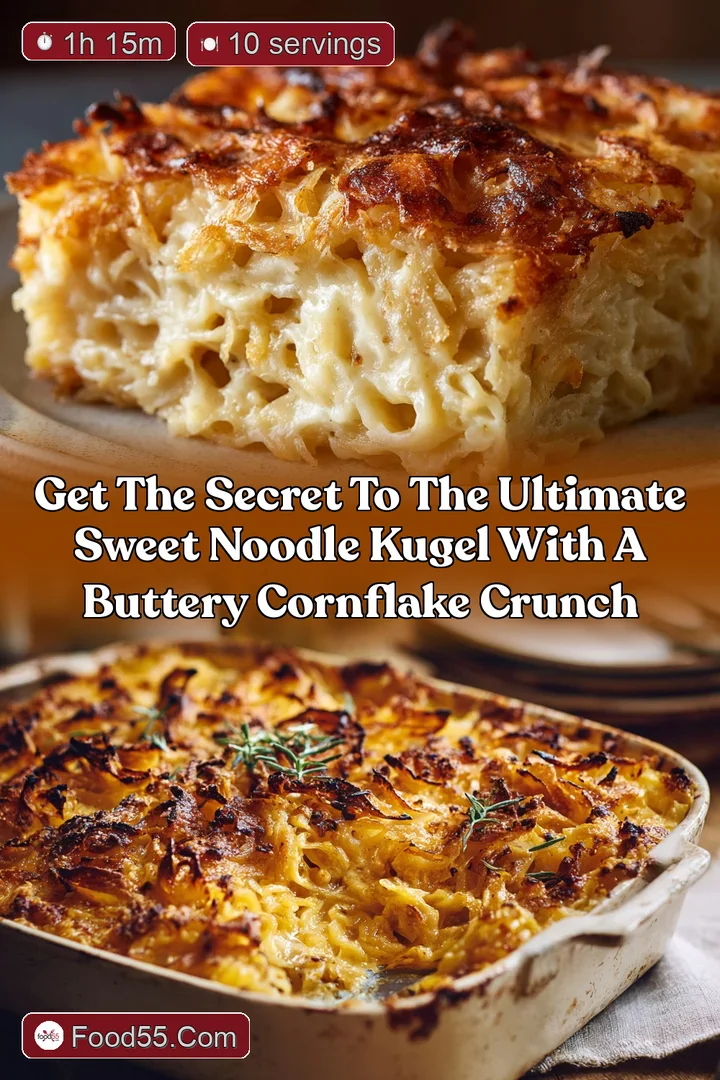
Every family has their own version, and after years of testing some kugels too dry, some too wet I finally perfected a recipe that achieves the glorious texture we all crave: an irresistibly crunchy, golden top giving way to a velvety, decadent interior. This recipe is the one I serve to my dearest friends.
Why This Specific Noodle Kugel Recipe Stands Above the Rest
Many traditional Noodle Kugel recipes rely solely on cottage cheese or farmers cheese, which can sometimes result in a slightly grainy, heavy texture. My secret to the best Noodle Kugel Recipe? A generous combination of full fat cream cheese and sour cream.
This luxurious blend melts down into the noodles perfectly, creating a custard that is silky, rich, and cohesive, rather than crumbly. We also use a surprising, yet essential, salty counterbalance to the sugar, ensuring the final flavour isn't just sweet, but deeply satisfying and complex.
Sweet Side or Dessert? Settling the Kugel Serving Debate
This is the eternal question at the holiday table, isn't it? Is Kugel a side dish or dessert? In my experience, the sweet Noodle Kugel is often served as an accompaniment to savory mains like brisket or roast chicken. The sweetness acts as a wonderful palate cleanser and contrast to the rich meat drippings.
However, once it cools slightly, this dish absolutely shines as a dessert, especially when dusted with powdered sugar and served with a robust cup of coffee. The truth is, there are no rules here it is wonderful served warm, cold, or lukewarm, and at any point in the meal.
A Culinary History: Where Did Noodle Kugel Originate?
The history of Kugel is rooted in Eastern European Jewish (Ashkenazi) cuisine. The word "kugel" itself literally means "sphere" or "ball," originally referring to a baked, bread based dumpling. As Jewish communities migrated, the recipe adapted based on locally available ingredients.
When inexpensive egg noodles became popular in the 17th century, the bread was replaced by lokshen (noodles), resulting in the dish we know today. It became a staple for the Sabbath (Shabbat) because it could be prepared before sundown and kept warm overnight, making it ready to eat the next day.
The Essential Texture: Achieving Creamy Centers and Crunchy Edges
The key to textural perfection in this dish lies in two distinct parts. First, the custard must fully saturate the noodles without turning them into mush. This requires cooking the egg noodles slightly under al dente. Second, we rely on the topping.
Instead of plain breadcrumbs, we crush buttery cornflakes and cinnamon sugar over the top.
That crunchy crust not only seals the moisture within the kugel, guaranteeing a creamy center, but it also provides that deeply satisfying sound and texture when you break into it with a fork. It’s what transforms a simple casserole into a celebratory dish.
The Essential Elements of a Luxurious Custard Base
The custard is the heart and soul of this Noodle Kugel recipe. It’s not just a wet binder; it’s a flavour delivery system. To achieve maximum creaminess, you must start with soft, room temperature ingredients. This is a non-negotiable step.
When your butter, cream cheese, and eggs are warm, they emulsify perfectly with the sugar, creating a seamless, velvety base without a single lump. If you use cold ingredients, the mixture will split or curdle slightly, which directly translates to a less smooth final texture.
Resist the temptation to rush the creaming process.
CRITICAL TIP: When mixing the wet base, make sure you beat the cream cheese and melted butter until they are genuinely light and fluffy. This aeration step adds volume and lightness, preventing the kugel from becoming dense or rubbery.
Gathering Your Tools: Equipment for the Perfect Bake
You don't need specialty equipment to make a superb Noodle Kugel, which is one of the reasons I love it so much. A few basic kitchen standards are all it takes:
- A 9x13 inch casserole dish, buttered generously.
- A large stockpot and colander for the noodles.
- A sturdy whisk or an electric hand mixer for the custard.
- A rubber spatula, essential for gently folding the noodles into the custard without breaking them.
Selecting the Right Egg Noodles for Optimal Absorption
When making Noodle Kugel, the noodle choice is paramount. We need surface area and sturdiness. Wide egg noodles (lokshen) are the ideal choice because their broad, flat surface allows them to absorb the maximum amount of that luscious, sweet custard.
If you use thin spaghetti or narrow ribbons, they won't hold the mixture as well, resulting in a soupier consistency. Look for the "extra wide" variety if possible. The goal is plump, perfectly coated noodles, not swimming ones.
Ingredient Substitutions for Dietary Needs and Preferences
While the recipe is best with full fat dairy, sometimes adaptations are necessary for dietary constraints or simply what you have on hand. Don't let a missing ingredient stop you from making this wonderful dish.
| Component | Standard Ingredient | Recommended Substitution |
|---|---|---|
| Fat/Cream | Full Fat Cream Cheese | Strained Cottage Cheese (small curd) |
| Sour Cream | Full Fat Sour Cream | Greek Yogurt (Full Fat) |
| Sweetener | Granulated Sugar | Light Brown Sugar (adds moisture) |
| Texture | Cornflakes/Cereal | Crushed Graham Crackers or Panko |
The Secret to the Signature Cinnamon Sugar Topping
The crunch factor is what takes this kugel from good to unforgettable. We blend crushed cornflakes, butter, and cinnamon sugar. Why cornflakes? Because they are light, they crisp beautifully without burning, and they adhere perfectly when mixed with melted butter.
Make sure you crush the cereal lightly by hand you want texture, not powder. It should feel like large, sandy crumbs. The topping should be sprinkled evenly across the entire surface to ensure every single slice gets that golden, buttery crunch.
Quick Prep Checklist: Ensuring All Components Are Ready to Go
Before you even turn on your oven, running through a quick mental checklist guarantees a smooth process and a perfect result:
- Oven preheated to 350°F (175°C) and pan greased.
- All dairy (cream cheese, butter, eggs) is at room temperature.
- Noodles cooked, drained, and excess moisture shaken off.
- Cereal topping prepared in a separate small bowl.
Related Recipes Worth Trying
- 30Minute Lemon Garlic Butter Salmon with Zucchini Noodles — This quick weeknight salmon recipe delivers flaky fish crispy skin and al dente Lemon Garlic Zoodles all drenched in a punchy butter sauce Perfect lowcarb...
- 25Min Easy Lemon Garlic Butter Salmon with Zucchini Noodles — Get buttery crisp Lemon Garlic Butter Salmon in a single skillet This speedy lowcarb dinner idea uses fresh zucchini noodles to soak up the luxurious sauce...
- 27Minute Lemon Garlic Butter Salmon with Zucchini Noodles A Weeknight Corker — Achieve perfect crispyskinned Lemon Garlic Butter Salmon with Zucchini Noodles in under 30 minutes This luscious lowcarb salmon dinner is truly foolproof
step-by-step Guide to Assembling Your Noodle Kugel
The assembly process is fast, and the warmth of the noodles is actually our friend here. Once the noodles are cooked and thoroughly drained, immediately begin making the custard base so the noodles are still warm when you combine everything.
First, cream the softened cream cheese, the melted butter, and the sugar until truly smooth. This takes about 3 minutes with a hand mixer. Next, whisk in the eggs one at a time, followed by the vanilla, cinnamon, and salt. Finally, gently stir in the sour cream and milk until just combined.
Pour the warm noodles directly into the custard bowl. Use a rubber spatula not a whisk to fold the mixture together. The folding action coats the noodles without turning them into a paste. If you are adding golden raisins, fold them in now too.
Baking Chemistry: Achieving the Ideal Golden Crust and Setting
Baking a kugel is less about clock watching and more about knowing the visual cues. We are essentially setting a giant, dense custard, so temperature control is vital. Baking too hot will cause the exterior to burn before the middle is cooked; baking too cold leads to a soggy result.
350°F (175°C) is the sweet spot.
Pre-Bake Prep: Mixing the Creamy Kugel Base
Once the custard is whipped and the warm noodles are incorporated, you must work quickly to get the mixture into the prepared pan. The warmth of the noodles activates the dairy fats, beginning the setting process prematurely if left waiting.
The Crucial Pour: Transferring Custard to the Prepared Pan
Carefully scoop the combined noodle mixture into your buttered 9x13 pan, spreading it evenly but gently don't press it down! We want an airy texture. Once levelled, immediately scatter the buttery, crunchy topping across the surface.
Timing is Everything: Knowing When the Kugel is Fully Set
Bake the kugel for 45 to 55 minutes. You'll know it's ready when the edges are bubbling slightly, the cornflake topping is deep golden brown, and the center passes the "jiggle test."
Tap the side of the pan gently; the center should jiggle only slightly, like a thick gelatin or firm pudding. If the center still looks liquid or ripples easily, give it another five to eight minutes. If the top starts to brown too quickly, just lightly tent the dish with foil.
The Essential Cooling Period Before Slicing and Serving
Please, do not skip the rest time! When you pull the kugel out of the oven, the residual heat continues to cook the custard. Allowing it to sit for at least 10 minutes helps the structure firm up completely. If you slice it immediately, it will be messy, wet, and potentially collapse.
Patience here means neat, perfect squares.
Troubleshooting Common Noodle Kugel Fails
The two most common disappointments when making Noodle Kugel are sogginess and dryness.
If your kugel is soggy in the center, it's almost always because the noodles weren't drained thoroughly enough, or the dairy was too cold and didn't emulsify correctly, leaving excess liquid. Always shake your colander vigorously.
If your kugel is too dry, it means it was likely over baked, setting the custard too firmly, or you skimped on the sour cream or milk. Remember, the custard should feel generous when folding into the noodles.
Meal Planning: make-ahead, Storage, and Reheating Strategies
Noodle Kugel is a dream for meal planning and holiday preparation. It holds up beautifully and, arguably, tastes even better the day after baking.
Serving Suggestions: Pairing Kugel with Savory Main Dishes
As discussed, the sweet Kugel is phenomenal next to savory, richly flavored dishes. Think about serving it alongside slow cooked beef, particularly for holidays like Rosh Hashanah. The contrast is spectacular.
For a simpler meal, it makes a luxurious accompaniment to grilled chicken or even hearty roasted vegetables like sweet potatoes and carrots.
How to Customize Your Kugel: Adding Fruits or Nuts
I love the simple cinnamon version, but this recipe is highly customizable. You can easily fold in 1 cup of chopped pecans or walnuts for an added crunch element within the custard.
For a fruity twist, consider adding diced, peeled apples or dried cranberries along with the golden raisins. If you use fresh fruit, ensure you reduce the milk slightly, as fruit releases moisture during baking.
Maximizing Flavour: Why Overnight Chill Improves Taste
If you have the foresight, plan to make this Noodle Kugel the day before you intend to serve it. Once it has cooled completely, cover and refrigerate overnight. The flavors have time to fully meld, and the spices deepen in complexity.
To reheat, you can slice and warm individual portions in the microwave, or cover the whole dish tightly with foil and warm it in a 300°F (150°C) oven for about 20 minutes until heated through.
Understanding Kugel Nutrition and Calorie Breakdown
Let's be honest: Noodle Kugel is rich. Loaded with dairy, eggs, and carbohydrates, this is not diet food it’s comfort food. It should be savored and enjoyed as the rich, special occasion treat that it is.
Due to the high fat dairy (cream cheese and sour cream), it provides a good source of protein and calcium, but it is certainly decadent. It’s worth every single bite.
Recipe FAQs
Why did my Noodle Kugel turn out runny or watery?
Usually, this tragedy is down to poor drainage; you must ensure you shake the boiled noodles vigorously in the colander to remove every bit of excess water, otherwise, the custard won't set properly and you’ll end up with a watery bottom.
Is Noodle Kugel meant to be a side dish or a dessert?
That depends entirely on your preference! While traditionally served as a sweet side dish alongside rich meats (like brisket), its creamy, comforting nature means it pairs wonderfully as a light dessert, perhaps with a proper dusting of icing sugar.
Can I bake this ahead of time, perhaps the day before the big bash?
Absolutely; Noodle Kugel is an absolute star for make-ahead convenience! You can either assemble the dish entirely and refrigerate it for up to 24 hours (adding the crunchy topping just before baking), or bake it completely, cool it, and reheat gently before serving.
I haven't got sour cream can I use cottage cheese to make this Noodle Kugel recipe instead?
Yes, you can lighten the mixture considerably by substituting half the sour cream and cream cheese with small curd cottage cheese, but be sure to strain the cottage cheese thoroughly first to avoid adding extra moisture to the batter.
How do I know when the kugel is perfectly baked, without drying it out?
The kugel is ready when the edges are set and deeply golden, the topping is crisp, and the centre only jiggles slightly a bit like a thick jelly which usually occurs around the 50-minute mark; if the top browns too quickly, just pop a bit of tin foil over it.
Ultimate Creamy Noodle Kugel

Ingredients:
Instructions:
Nutrition Facts:
| Calories | 1095 kcal |
|---|---|
| Protein | 11.5 g |
| Fat | 28.8 g |
| Carbs | 64.0 g |
| Fiber | 2.8 g |
| Sugar | 22.7 g |
| Sodium | 203 mg |
