Creamy Shrimp Alfredo: the Ultimate Comfort Pasta Ready in 35 Minutes
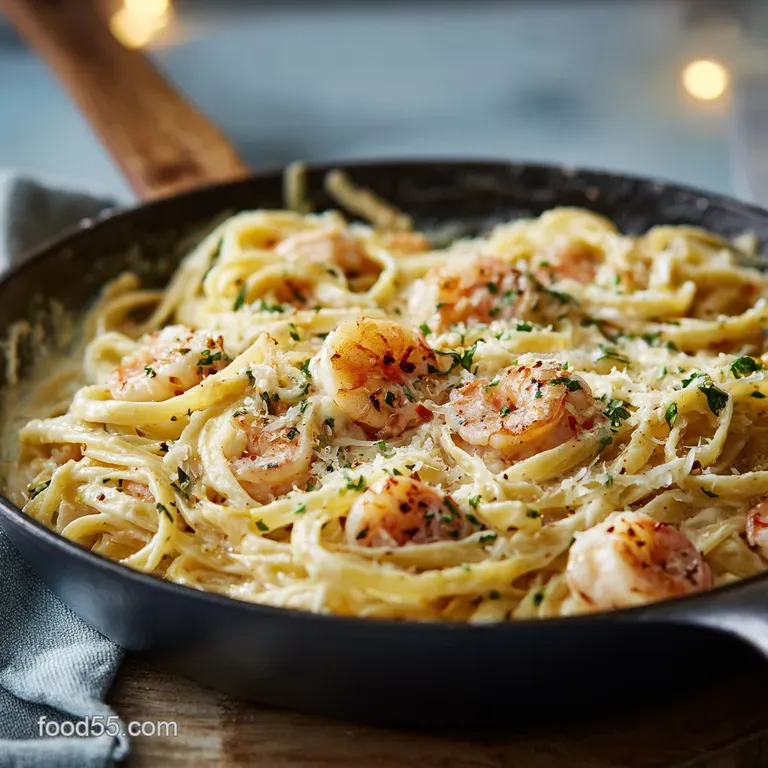
- Why Ditch the Jar? Mastering the Velvety Classic Creamy Shrimp Alfredo
- The Science of Sauce: Why This Alfredo Emulsifies Perfectly
- Sourcing Success: Essential Ingredients for Creamy Shrimp Alfredo
- Seamless Steps to a Silky Sauce: Creamy Shrimp Alfredo Instructions
- Troubleshooting and Chef's Secrets for Flawless Alfredo
- Storing and Reheating: Keeping Leftover Shrimp Alfredo Creamy
- What to Serve Alongside Your Decadent Shrimp Pasta
- Recipe FAQs
- 📝 Recipe Card
Why Ditch the Jar? Mastering the Velvety Classic Creamy Shrimp Alfredo
Okay, seriously. You need this in your life. I'm talking about that rich, unmistakable aroma of garlic sautéing in melted butter, followed by the intoxicating steam of simmering heavy cream.
The final result is a plate piled high with fettuccine coated in a glossy, velvety sauce that makes you close your eyes and sigh happily.
This creamy shrimp alfredo recipe isn't just easy; it’s a total game changer for weeknights when you want maximum payoff for minimal effort. We skip the flour thickeners and the jarred sauces that taste like sadness. This decadent meal is surprisingly fast to pull together.
We’re going back to basics, channeling the proper technique used in Rome for a truly luxurious, silky sauce that clings to every single piece of succulent shrimp. Trust me, learning this one simple trick makes all the difference in the world.
Let's crack on with the ultimate creamy shrimp alfredo pasta .
The Science of Sauce: Why This Alfredo Emulsifies Perfectly
The Heritage of Proper Alfredo: Butter, Cheese, and Cream
The original Alfredo from Rome is literally just butter and Parmigiano mixed with starchy pasta water. Brilliant, right? Our Americanized version adds heavy cream for that undeniable decadence we crave.
This combination of high-quality fats and cheese is what transforms a nice shrimp pasta recipe into culinary magic.
Speed vs. Sophistication: A 30 Minute Decadent Dinner Solution
You don't need hours to create something spectacular. The entire process hinges on maximizing flavor quickly. By searing the shrimp first and using that exact pan to build the sauce, we create crucial layers of flavor in under 30 minutes.
It feels fancy, but this creamy shrimp alfredo is deceptively simple.
What Makes This Recipe “The Ultimate” Comfort Food?
It's all about the balance, honestly. The bright, sweet notes of perfectly cooked shrimp cut through the richness of the buttery, cheesy sauce. When paired with perfectly coated fettuccine, it hits every single comfort spot imaginable. This is the definition of weeknight luxury.
Achieving the Velvety Texture: The Critical Role of Starch Water
This is the secret weapon you must never ignore! That cloudy water leftover from boiling your pasta is liquid gold. It's full of starch, which acts as a powerful emulsifier, binding the fat (butter and cream) and the liquid together.
You get that signature glossy, velvety texture instead of a thick, gummy mess.
Preventing Graininess: Temperature Control is Key to Success
The biggest rookie mistake is blasting the heat when you add the Parmesan. Cheese is made up of proteins and fat. If you hit those proteins with high heat, they seize up, forcing the fat to separate. The whole trick is adding the cheese off the heat.
The Difference Between Parmigiano Reggiano and Powdered Cheese
Please, friends, do not even think about using that green shaker can for this recipe. Parmigiano Reggiano is aged perfectly and melts beautifully because it lacks anti caking agents like cellulose. That cellulose gives you a gritty, unpleasant sauce. Invest in a small block of the real deal.
Sourcing Success: Essential Ingredients for Creamy Shrimp Alfredo
Selecting the Best Shrimp: Fresh vs. Frozen and Sizing Recommendations
I almost always use frozen shrimp, provided they were flash frozen quickly after being caught. They are often superior to "fresh" shrimp that have been sitting on ice for days! Look for large (21/25 count) or jumbo shrimp. They cook faster and stay plump.
The Pasta Choice: Fettuccine vs. Linguine (and Why Shape Matters)
Fettuccine is traditional because its flat, broad surface area holds the rich sauce perfectly. But honestly, use whatever you love! Linguine, pappardelle, or even creamy shrimp alfredo penne pasta will work just fine. Use a pasta shape that you know can carry a heavy sauce.
| Ingredient | Substitute/Alternative |
|---|---|
| Large Shrimp | Pan-seared scallops or cubed, pan-fried halloumi cheese. |
| Fettuccine | Linguine, pappardelle, or even spaghetti. |
| Heavy Cream | Half and half (results in a thinner, less rich sauce; use less pasta water if substituting). |
| Unsalted Butter | Ghee or European style salted butter (reduce added salt). |
| Parmesan | Grana Padano (a slightly milder, cheaper Italian hard cheese). |
Clarifying Cream: Heavy Cream vs. Half and Half for Optimal Richness
Heavy cream (35% fat minimum) is crucial for the luxurious mouthfeel. It is incredibly stable and far less likely to split than lower fat dairy. I tried using milk once, and the sauce just looked sad and watery. Stick to the heavy cream.
Substitution Notes: Swapping Out Garlic and Butter Amounts
While I call for 4 cloves of fresh garlic because I adore garlic, you can absolutely reduce it to 2 cloves if you prefer a milder flavor. As for butter, please don't skimp! The butterfat is essential for achieving that perfect emulsion and mouthfeel. It is part of the entire experience.
Seamless Steps to a Silky Sauce: Creamy Shrimp Alfredo Instructions
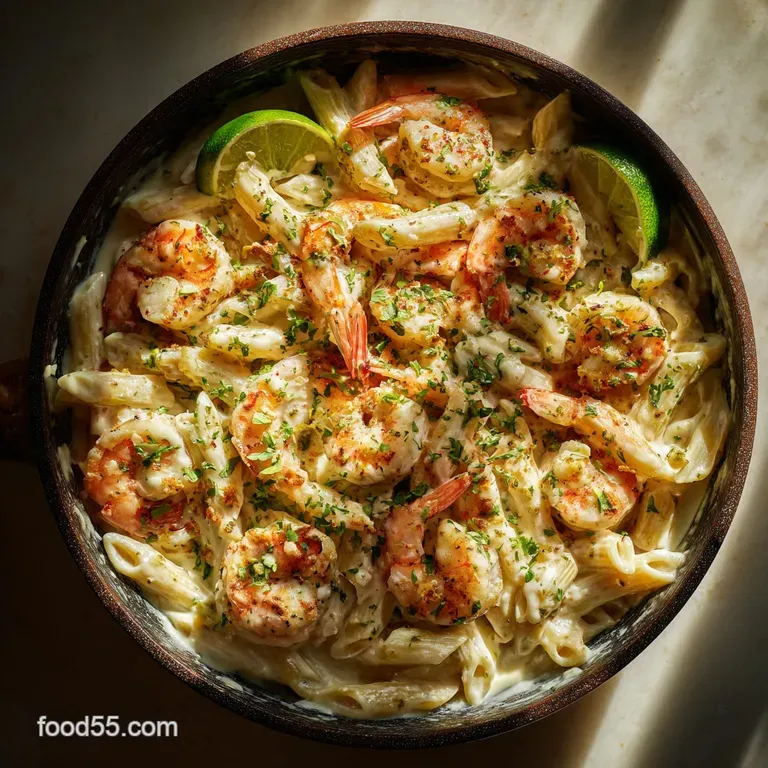
Prep and Sauté: Perfectly Cooking the Shrimp (and avoiding toughness)
- Prep and Season: Pat your peeled shrimp completely dry. Toss them with 2 tablespoons of the measured butter, olive oil, salt, and pepper. A dry surface ensures a quick, beautiful sear.
- Sauté Quickly: Heat your large skillet over medium high heat. Add the seasoned shrimp, ensuring they are in a single layer (work in batches if needed). Cook for just 1– 2 minutes per side until they turn barely pink and opaque. Do not overcook them here. Remove the shrimp immediately and set aside.
Building the Base: Infusing the Cream and Melting the Butter
- Cook Pasta: While sautéing the shrimp, boil your salted water and cook your fettuccine until it is slightly underdone ( al dente ). Reserve at least ½ cup of the starchy pasta water before draining the pasta.
- Aromatics: Reduce the heat to medium low. Add the remaining 4 tablespoons of butter to the shrimp flavored pan. Once melted, toss in the minced garlic. Sauté for 60 seconds until fragrant do not let the garlic burn, or the whole dish will taste acrid.
- Heat the Cream: Pour in the heavy cream. Bring the cream up to a very gentle simmer. Immediately reduce the heat to the lowest setting possible. The cream should be warm, but never rapidly bubbling.
The Emulsion Stage: Combining Pasta Water and Cheese Off-Heat
- Emulsify the Cheese: Remove the pan from the direct heat source. This is the critical moment! Gradually sprinkle in the freshly grated Parmigiano Reggiano while whisking constantly. Whisk until the cheese has completely melted and the sauce is smooth, glossy, and thick. Stir in the nutmeg, salt, and pepper.
- Adjust Consistency: If the sauce is too thick or heavy, whisk in the reserved hot pasta water, 1 tablespoon at a time, until the sauce reaches a luxurious, velvety consistency. The starch helps bind everything beautifully.
Final Toss and Serve: Marrying the Shrimp, Sauce, and Pasta
- Combine: Place the pan back on the lowest possible heat setting. Add the drained, al dente fettuccine directly into the sauce. Toss vigorously, ensuring every single strand is coated in the creamy shrimp alfredo mixture.
- Finish: Gently fold the cooked shrimp back into the pasta mixture just until they are heated through. Garnish immediately with fresh parsley and an extra dusting of Parmesan cheese. This quick technique is why this is the best shrimp alfredo pasta in skillet recipe you will ever make.
Troubleshooting and Chef's Secrets for Flawless Alfredo
Saving a Broken Sauce: How to Re-Emulsify if the Cheese Clumps
Did your sauce look separated or grainy? Don't panic! It means the fat separated from the liquid, probably due to overheating. Take the pan off the stove immediately. In a separate small bowl, whisk 2 tablespoons of cold heavy cream. Very slowly, whisk the broken sauce into the cold cream, 1 tablespoon at a time.
The cold cream helps reset the emulsion and brings it back together, I promise.
Flavor Boosters: A Touch of Nutmeg or Lemon Zest?
Nutmeg is my little secret weapon for rich, dairy heavy sauces; it adds a warmth and depth you can’t quite place. Try adding a pinch! I also love grating a tiny bit of fresh lemon zest right at the end to lift the entire dish. It provides a clean, acidic contrast to the richness.
If you need a more explicit heat boost, adding a pinch of cayenne makes a phenomenal spicy shrimp alfredo pasta .
Common Mistake Alert: The Danger of Boiling the Sauce
If you let the heavy cream boil vigorously after adding the cheese, it's game over. The proteins tighten up, resulting in a grainy texture that looks terrible and tastes chalky. Keep the heat super low once the cream is heated.
Be patient; the results are worth the gentle simmering.
Storing and Reheating: Keeping Leftover Shrimp Alfredo Creamy
Refrigeration Best Practices: Keeping Shrimp Safe and Moist
Store leftovers in an airtight container in the fridge immediately. Shrimp should be consumed within 3 days maximum. The sauce will naturally thicken quite a bit and look dry when cold, almost like cement, but don't worry, we can fix it during the reheat!
Reheating Magic: Tips for Restoring the Velvety Texture (No Microwave)
The microwave is Alfredo's worst enemy. It ruins the texture and dries out the shrimp. To properly reheat, place the leftovers in a skillet over medium low heat. Add 1 2 tablespoons of heavy cream (or a splash of chicken broth) and stir gently.
As the pasta warms up, the added liquid will combine with the fat and cheese, restoring the velvety texture.
Can You Freeze Alfredo Sauce? (And Why You Should Reconsider)
Technically, yes, you can freeze Alfredo sauce, but I strongly advise against it. Freezing causes the fat and liquid to separate, leading to a grainy, watery mess upon thawing. This glorious sauce is meant to be eaten fresh! If you need freezer friendly comfort food, try my Chili Butternut Squash Soup with White Beans Ultra Creamy Vegan Supper instead.
What to Serve Alongside Your Decadent Shrimp Pasta
Alfredo is heavy, so you absolutely need something light and acidic to balance it out. A simple side salad dressed with a sharp vinaigrette is fantastic.
For a crisp counterpoint, I often make my Cucumber Salad with Creamy Dill Sauce: Crisp, Tangy Ready in 30 Mins —the tanginess is a great palate cleanser to cut through the richness. And obviously, you need good crusty garlic bread for mopping up every last bit of that velvety, buttery sauce. For dessert, something bright and acidic is perfect, maybe even my Limoncello Pudding Shots The Best Creamy, No-Bake Adult Dessert !
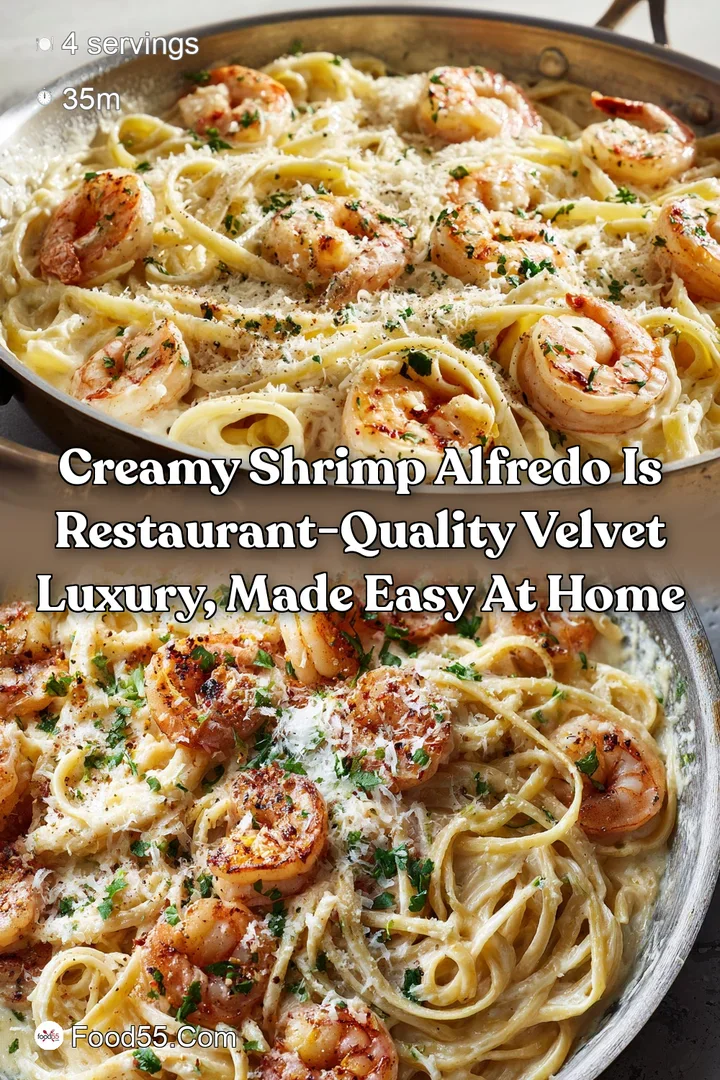
Recipe FAQs
Why did my Alfredo sauce turn grainy or oily?
This common issue occurs when the Parmesan cheese is added too quickly over high heat, causing the milk solids to separate from the fat, or when using pre-shredded cheese that contains anti caking agents.
To fix a split sauce, remove the pan from the heat and slowly whisk in a tablespoon of cold, reserved starchy pasta water to help re-emulsify the mixture.
My sauce seems too thin; how can I thicken it without flour?
The thickness of a true Alfredo relies on the starch released by the pasta and the fat emulsification. Ensure you are tossing the sauce vigorously with the pasta over low heat for at least two minutes, which releases more starch and water.
If still too thin, gently stir in another handful of finely grated Parmesan cheese, allowing it to melt completely before serving.
Can I use half and-half or regular milk instead of heavy cream?
It is strongly recommended to use heavy cream, as the high fat content (35%+) is essential for creating a stable, rich, and velvety sauce that won't curdle easily. Lower fat liquids like milk or half and-half lack the richness and are more prone to breaking when combined with the acidic Parmesan cheese.
What other proteins can I use if I don't have shrimp?
This versatile Alfredo base pairs wonderfully with many proteins, including seared chicken breast, grilled scallops, or sliced Italian sausage. If substituting, ensure the protein is fully cooked before adding it to the final sauce assembly to maintain the integrity of the emulsion.
Does the quality of the Parmesan cheese really matter?
Yes, the cheese quality is paramount to the success of this recipe; seek out authentic Parmigiano Reggiano or high-quality Pecorino Romano. Avoid using pre-grated options (especially the green can variety) because the anti caking additives will not melt properly and will result in a gritty texture.
How should I store leftover Alfredo, and what is the best way to reheat it?
Store leftovers in an airtight container in the refrigerator for up to 3 days, noting that the sauce will thicken significantly as it cools. To reheat, place the pasta in a small saucepan over low heat and slowly whisk in a splash of heavy cream or milk until the sauce reconstitutes its creamy texture.
Avoid microwaving, as high heat often separates the fat from the cheese.
Can I easily make this Creamy Shrimp Alfredo recipe gluten-free?
Yes, the sauce itself is naturally gluten-free, so the only substitution required is the pasta. Use a quality gluten-free fettuccine or linguine, ensuring you don't overcook it, as gluten-free pasta can sometimes turn mushy if boiled too long.
Ultimate Creamy Shrimp Alfredo Recipe
Ingredients:
Instructions:
Nutrition Facts:
| Calories | 359 kcal |
|---|---|
| Protein | 36.9 g |
| Fat | 16.5 g |
| Carbs | 16.0 g |
