The Sunday Best Deeply Savoury Slow Cooker Pot Roast
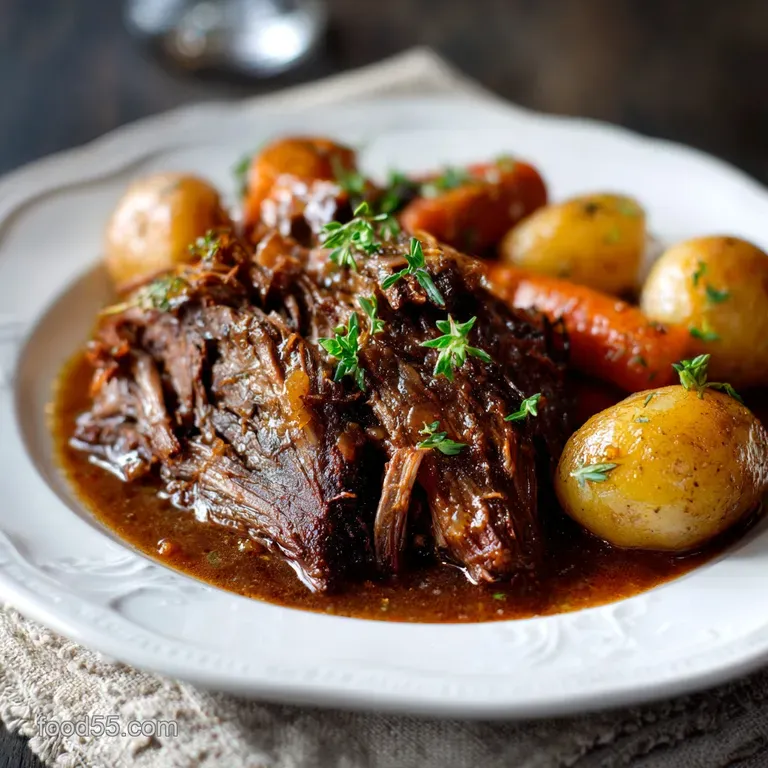
- Why This Recipe Elevates the Classic Pot Roast
- Everything You Need for Your Sunday Slow Cooker Pot Roast
- The Flavor Foundation: Prepping and Searing the Roast
- The Art of the Slow Cooker Transformation
- Troubleshooting and Pro Tips for Your Meal
- Variations on the Ultimate Slow Cooker Pot Roast
- Recipe FAQs
- 📝 Recipe Card
Why This Recipe Elevates the Classic Pot Roast
This recipe transforms a simple, rustic meal into the Best Slow Cooker Pot Roast you will ever prepare. We maximize deep, savory flavors by adding crucial steps often overlooked in quicker preparations, ensuring the final result is far from bland.
This carefully balanced approach yields a truly magnificent centerpiece perfect for those comforting Fall Food Ideas Dinners .
Defining 'Melt-in-Your Mouth' Tenderness
Achieving true tenderness relies on the slow, gentle dissolution of connective tissue within the beef fibers. Cooking a Beef Pot Roast Crock Pot for a minimum of eight hours on low heat achieves this transformation perfectly.
The consistent, low temperature converts the tough collagen into succulent gelatin, resulting in that desirable fork tender texture we all seek.
Maximum Flavor, Minimum Prep Time
The secret to elevated flavor doesn't require hours of work but rather 20 minutes of high impact preparation. Searing the seasoned chuck roast creates incredible depth and complexity that cannot be replicated by skipping the skillet entirely.
This crucial step ensures that our slow cooker pot roast recipe easy delivers phenomenal results with surprisingly minimal overall active effort.
The Secret to Unforgettable Gravy
The rich, dark liquid left behind after cooking is the fundamental base of the entire meal. We intentionally build flavor into this liquid by deglazing the searing pan, scraping up all the caramelized brown bits, known as 'fond.' This process integrates deep, savory umami notes directly into the stock base.
This results in an intensely flavored slow cooker pot roast with gravy that is truly the crowning glory of the dish.
Everything You Need for Your Sunday Slow Cooker Pot Roast
Preparing a flawless Slow Cooker Pot Roast begins with selecting the optimal ingredients and confirming you have the right tools. A successful Sunday dinner requires methodical preparation that ensures a balanced and savory meal from start to finish.
We focus on economical cuts and powerful aromatics to guarantee maximum impact.
Choosing the Perfect Cut: Chuck vs. Rump
Chuck roast is the ideal choice for slow cooking because it contains the perfect balance of internal marbling and connective tissue. While leaner rump roasts are sometimes used, they often lack the fat necessary to achieve the ultimate level of succulent richness.
Always choose a well marbled, boneless chuck cut for the most reliable, tender results in your Crock Pot Pot Roast .
Essential Pantry Staples and Aromatics
A high-quality, low-sodium beef stock is absolutely non-negotiable as it forms the bulk of the gravy; avoid using water or weak bouillon cubes for the best depth. Tomato paste, Worcestershire sauce, and dry red wine contribute critical acidity and umami elements that elevate the overall flavor profile.
Fresh thyme sprigs and bay leaves infuse the beef with a necessary herbaceous fragrance during the long cooking time.
Equipment Checklist: Securing Your Slow Cooker Setup
The slow cooker performs the main task, but a large, heavy bottomed skillet or Dutch oven is crucial for the preliminary searing step. Ensure your cooker is appropriately sized; a 6-quart model is perfect for handling a 4-pound roast alongside the abundance of root vegetables.
Having a solid, sharp knife for efficiently preparing the large cut vegetables saves significant prep time.
When selecting your slow cooker, ensure the lid fits snugly. Consistent heat and steam retention are paramount to breaking down the tough fibers in the chuck roast.
The Flavor Foundation: Prepping and Searing the Roast
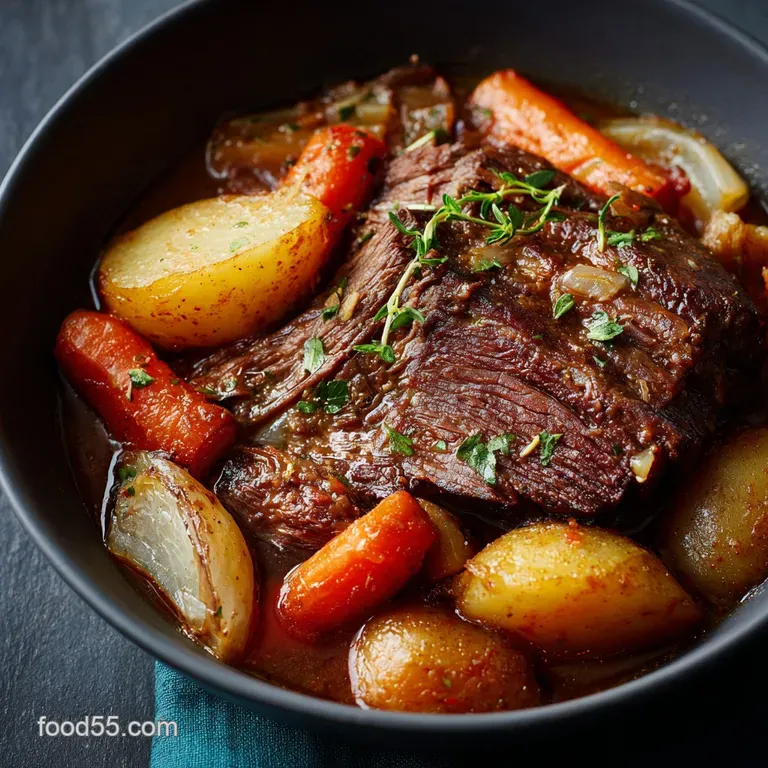
The journey to the ultimate pot roast begins with meticulous meat preparation. Patting the chuck roast thoroughly dry with paper towels is the initial step that guarantees a robust, flavor building crust will form during searing.
Generously apply coarse salt and pepper, followed by a light dusting of flour, which helps achieve a deep, beautiful mahogany color on the surface.
Related Recipes Worth Trying
- Golden Crusted Oven Baked Mashed Potato Cakes Easy Leftover Dish — Transform leftover mash into brilliant crispy Oven Baked Mashed Potato Cakes These are easy cheesy and achieve that perfect golden crust without frying No...
- Rustic Italian Baked Sausage and Potato Sheet Pan Dinner — The perfect weeknight solution This foolproof Baked Sausage and Potato Sheet Pan Dinner delivers crispy edges and minimal washing up An easy oven-roasted...
- Buttery Shortcrust Mashed Potato Pie with Bacon Leeks and Cheese — This magnificent mashed potato pie with bacon leeks and cheese is the ultimate comfort food savory pie Crisp pastry meets rich creamy filling and fluffy...
The Art of the Slow Cooker Transformation
Once the flavor foundation is established, the slow cooker takes over the demanding task of marrying the rich searing flavors with the liquid base. This hands off cooking method allows low heat to gradually penetrate the meat, effectively dissolving toughness over many hours.
This extended, passive cooking time is the reason the Slow Cooker Pot Roast is renowned for its incredible ease and consistency.
The Crucial Step of Browning the Meat
Searing initiates the Maillard reaction, a complex process that exponentially enhances the final dish's aroma and savoriness. We need the skillet to be exceedingly hot, allowing the meat to develop a dark, rich crust for 3– 4 minutes per side.
This process concentrates the savory compounds right on the surface before the roast begins its long simmer in the stock.
Sautéing the Vegetables for Depth
Following the sear, use the residual fat and heat in the pan to soften the onions, creating a layer of sweetness in the base. Adding the minced garlic and tomato paste for just one minute allows their essential flavors to "bloom," releasing their volatile oils directly into the liquid.
This brief sauté prevents the aromatics from having a sharp, raw taste after the extended cooking cycle.
Loading the Cooker and Setting the Stage
The strategic layering of ingredients inside the vessel is important for optimal, even cooking. Always place the large cut potatoes and carrots along the bottom and sides of the insert, creating a natural, slightly elevated bed for the meat.
This ensures the roast is partially submerged in the liquid while the root vegetables cook gently without turning to a watery mush.
Timing Guides for Low vs. High Heat Settings
While utilizing the high setting ( 4 hours) is convenient for expediting the meal, the low setting ( 8 hours) consistently delivers superior, more tender results.
For the truly Best Slow Cooker Pot Roast , always choose the lower temperature if time permits, aiming for an internal meat temperature above 195° F for guaranteed shredding tenderness. The long, low approach minimizes the risk of the meat drying out prematurely.
Adding Root Vegetables Without Them Turning to Mush
The secret to perfectly cooked vegetables is cutting them into large, uniform 1.5 inch pieces to withstand the long cooking time. By placing these large chunk potatoes and carrots around the roast and away from the direct heat of the concentrated liquid base, they maintain their structural integrity beautifully.
This simple technique ensures a perfect slow cooker pot roast with potatoes and carrots where everything is perfectly cooked.
Achieving That Perfect, Rich Pot Roast Consistency
The cooking liquid, after hours of slow simmering, will be intensely flavorful but typically thin and watery. We transform this liquid into a beautiful, glossy sauce by utilizing a simple thickening agent.
A cornstarch slurry whisked into the strained, simmering liquid quickly achieves a luxurious, thick consistency, resulting in the desired, rich pot roast consistency.
Troubleshooting and Pro Tips for Your Meal
Achieving mastery over the slow cooker requires adherence to a few non-negotiable rules. The most important rule is resisting the urge to lift the lid during the cooking process, as every peek releases heat and steam, adding up to 30 minutes to your total cooking time.
If your meat is surprisingly tough after the suggested eight hours, the solution is straightforward: keep cooking it until it easily shreds, meaning the collagen has fully broken down.
- Prep the Spices: If using dried herbs, crush them lightly between your palms before adding them to the cooker; this helps release their flavor oils.
- Skim the Fat: Use a large spoon or ladle to skim off any visible fat floating on the surface of the gravy before thickening it. This results in a cleaner, richer sauce.
- Resting is Essential: Do not slice or shred the roast immediately after removing it from the cooker; allowing it to rest for ten minutes ensures the meat remains juicy and tender.
Variations on the Ultimate Slow Cooker Pot Roast
This classic recipe offers a wonderful foundation that is easily adapted to suit various tastes or dietary needs. By simply swapping a few ingredients, you can transform the profile of your Slow Cooker Pot Roast to reflect different culinary styles.
This adaptability ensures the dish never becomes boring, no matter how often you prepare it.
Reheating and Storage: Keeping Leftovers Delicious
Pot roast stores excellently due to the high liquid content, which keeps the meat moist after refrigeration. Store leftover meat, vegetables, and gravy together in an airtight container for up to four days in the refrigerator.
For best results, gently reheat portions on the stovetop over low heat, adding a small splash of extra stock if the gravy has become overly thick.
Making a Restaurant Quality Pan Gravy
For a truly decadent gravy, strain the cooking liquid and use a gravy separator to carefully remove the layer of fat. Instead of a cornstarch slurry, whisk a classic French roux (equal parts butter and flour, cooked until nutty) into the simmering liquid.
This technique creates a beautiful, velvety mouthfeel, elevating your slow cooker pot roast with gravy to restaurant status.
Serving Suggestions: Ideal Side Dishes to Complete the Spread
The deep, savory richness of the pot roast pairs wonderfully with bright, simple accompaniments that offer a textural contrast. Try serving this dish alongside fresh steamed green beans tossed with toasted slivered almonds for crunch and contrast.
For a heartier plate, ensure you have plenty of crusty artisan bread available to soak up every drop of the luxurious sauce.
Dietary Adjustments (gluten-free and dairy-free Options)
Achieving a gluten-free Crock Pot Pot Roast is simple by replacing traditional thickeners with readily available alternatives. Use rice flour or potato starch instead of wheat flour for the initial meat dredge.
For thickening the final gravy, cornstarch or arrowroot powder slurries perform just as well without compromising the resulting texture or flavor.
Spice Rack Swaps: International Flavor Profiles
For a quick regional variation, substitute the beef stock with 1 packet of slow cooker pot roast with onion soup mix and add pepperoncini peppers for a Mississippi Pot Roast twist.
Alternatively, to lean into an Asian profile, replace the thyme and bay leaves with star anise, ginger slices, and a splash of soy sauce. These simple swaps dramatically alter the dish's flavor without changing the cooking method.
Transforming Leftovers: Next Day Meal Ideas
Leftover shredded pot roast is incredibly versatile and often boasts an even deeper flavor the next day. The tender meat works perfectly as a filling for hearty French Dip sandwiches served on toasted hoagie rolls with reserved gravy for dipping.
Alternatively, incorporate the beef and vegetables into a quick shepherd’s pie, topped with fresh mashed potatoes and baked until the crust is golden brown and bubbling.
Recipe FAQs
It’s been eight hours on low crikey, my meat’s still a bit tough. Have I mucked it up?
No worries at all! Tough meat usually means the collagen hasn't completely broken down yet; chuck roast needs to reach a very high internal temperature (around 200°F/93°C) to become gloriously tender, so simply let it cook for another hour or two until it practically falls apart when prodded.
What’s the best alternative if I can't get chuck roast for this Slow Cooker Pot Roast?
While chuck is undoubtedly the king for this dish, brisket (the flat cut) or shoulder clod work a treat as they contain enough fat and connective tissue; just be mindful that leaner cuts may require a tiny bit more liquid to ensure they don't dry out.
I'm having a big family do can I make this pot roast recipe a day early?
Absolutely, yes! Pot roast is one of those fantastic dishes that tastes even better the next day, as the deep, savoury flavours meld beautifully overnight; simply cool it down quickly, store it in an airtight container in the fridge, and gently reheat the whole lot.
It’s a slow cooker recipe, so is it really necessary to faff about with searing the meat first?
If you want a truly deep, complex gravy rather than just watery stock, the sear is non-negotiable, old chap; this crucial step creates the "fond" (browned bits) which are pure Maillard reaction flavour, ensuring your final gravy is wonderfully rich.
Is there a sneaky trick to stop my potatoes and carrots turning into mushy disaster when cooking for so long?
The most reliable trick is timing: either cut the root vegetables into genuinely large chunks (1.5 inches plus) or, if you're feeling meticulous, only add them about halfway through the total cook time (around 4 hours in) so they don't overcook.
Ultimate Slow Cooker Pot Roast Recipe
Ingredients:
Instructions:
Nutrition Facts:
| Calories | 882 kcal |
|---|---|
| Protein | 19.8 g |
| Fat | 12.3 g |
| Carbs | 51.1 g |
| Fiber | 7.1 g |
| Sugar | 1.6 g |
| Sodium | 143 mg |
