Braised Chicken Thighs with White Wine Tarragon
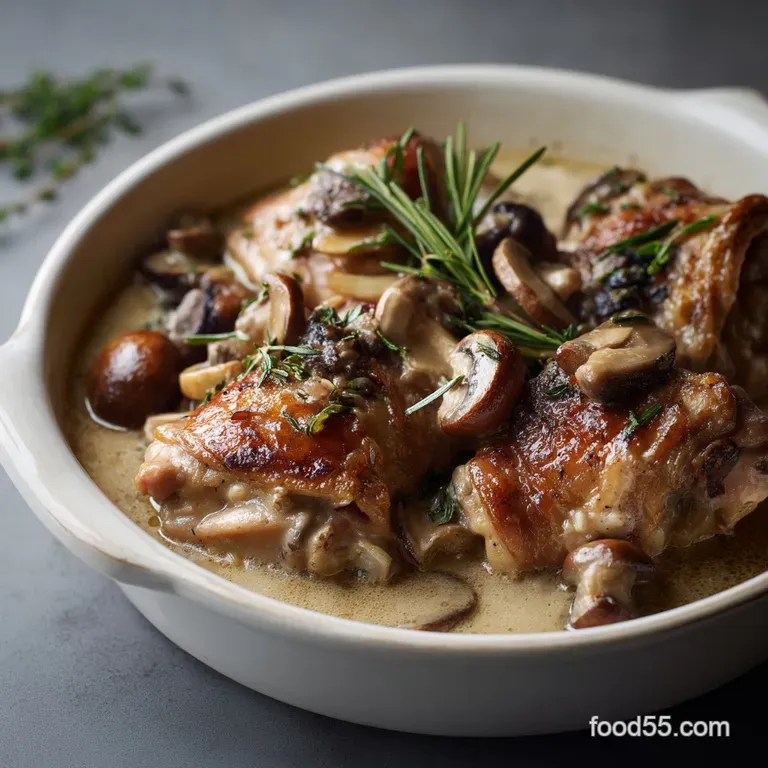
- The Secret to Perfect Slow-Braised Thighs
- Mastering the Maillard Reaction: Flavor Depth Through Sear
- Essential Components & Smart Swaps for Braised Thighs
- The Ultimate Braising Method: From Sear to Simmer
- Troubleshooting Your Braise: Expert Advice for Tender Results
- Extending the Flavor: Storage and Reheating Guide
- Perfect Pairings for Hearty Dark Meat Braises
- Recipe FAQs
- 📝 Recipe Card
The Secret to Perfect Slow Braised Thighs
Can we talk about the smell for a second? When you walk into a kitchen where a pot of Braised Chicken Thighs is simmering, the aroma hits you immediately. It's deep, savory, and slightly wine stained, promising hours of low, slow cooking.
That deep richness is what defines the ultimate comfort meal, and honestly, the resulting meat is so tender it literally collapses off the bone. This simple Braised Chicken Thighs recipe is proof that the best food doesn't need to be complicated or expensive.
This is the meal I turn to when I’m tired, running late, or just need something reliable and forgiving. Chicken thighs are incredibly cheap, yet they deliver flavor way above their pay grade.
They are designed to stand up to long cook times, meaning you can sear them, build the sauce, pop the lid on, and walk away for an hour without panic.
I’ve spent years tinkering with braising liquid ratios, and I finally nailed the one that yields the richest, most velvety sauce without feeling heavy. Stop messing around with dry light cuts.
Let’s dive into making the absolute best Braised Chicken Thighs you'll ever taste, starting with the flavor fundamentals.
Mastering the Maillard Reaction: Flavor Depth Through Sear
Why Dark Meat Excels Under Low Heat
When we talk about braising, we are essentially leveraging time and moisture to break down tough connective tissues. This is why we choose chicken thighs. Unlike delicate breast meat, thighs are rich in intramuscular fat and collagen.
This means they actually improve the longer they cook past the basic safety temperature. This deep, dark meat is engineered perfectly for producing phenomenal Braised Chicken Thighs because it resists drying out.
The Unbeatable Comfort of a Long Braise
Braising fundamentally involves two things: dry heat to build flavor (searing) and moist heat to achieve tenderness (simmering). The second step, the braise itself, is where the magic happens.
The liquid prevents the meat from getting tough, while the low, steady temperature systematically converts that tough collagen into luscious, spoon tender gelatin. The deep flavor of properly cooked Braised Chicken Thighs is entirely dependent on this process.
Setting the Stage for Maximum Flavor
A lot of people skip the initial sear, or they do it poorly, and that's a huge mistake. The depth of flavor in truly great Braised Chicken Thighs starts before the liquid even hits the pot. Think of the Dutch oven as your flavor laboratory.
We need to create a foundation that will permeate the sauce later on.
Building the Base: Achieving Rich Brown Crusts
This step is called the Maillard reaction. It’s what happens when heat interacts with proteins and sugars, creating hundreds of complex, savory flavor compounds. We achieve this by patting the skin dry, seasoning aggressively, and searing those thighs, skin side down, until they are deep mahogany brown.
Do not rush this step, and do not move the thighs until they release easily from the pan. That sticky residue on the bottom? That is the fond , and it is flavor gold that is absolutely non-negotiable for incredible Braised Chicken Thighs .
The Role of Acidity in Tenderizing the Meat
If you want truly fall apart, tender meat, you need a splash of acid in your braising liquid. In this specific recipe, we use dry white wine, but a tiny bit of vinegar works too. The acid helps break down the outer layer of the meat fibers, ensuring the final dish is not only flavorful but incredibly tender.
Plus, deglazing with wine removes that essential fond from the bottom of the pot perfectly.
Gelatin Breakdown: The Key to Succulence
The secret to juicy Braised Chicken Thighs isn't just the fat content; it's the gelatin. When the bone-in, skin-on thighs simmer slowly for over an hour, the collagen in the joints and skin melts.
This melted collagen thickens the sauce naturally and binds moisture inside the meat, resulting in that unbelievably rich texture we crave.
Essential Components & Smart Swaps for Braised Thighs
Making great Braised Chicken Thighs requires attention to quality ingredients, but don't panic there are always easy, smart substitutions if you’re missing something.
Selecting the Right Cut: Bone-In vs. Boneless Prep
I strongly, strongly recommend using bone-in, skin-on thighs for this. The bone and skin add structure, preventing the meat from falling apart too early, and they provide crucial collagen for thickening the sauce.
Boneless works, but you lose some of that richness and the cooking time will be significantly reduced, requiring careful monitoring to prevent dry meat.
Liquid Gold: Choosing Your Braising Medium
You need a solid, flavorful base. For this version of Braised Chicken Thighs , we use dry white wine and quality chicken stock. Avoid water; it dilutes everything. If you really want that deep, resonant flavor, skip the boxed stuff and try making a batch of Chicken Stock: The Chefs Secret for Rich, Flavorful Results . It changes the game entirely.
| Ingredient | Role | Smart Swap/Substitution |
|---|---|---|
| Dry White Wine | Acidity & Deglazing | Equal parts low-sodium stock + 1 tsp lemon juice or white wine vinegar. |
| Chicken Stock | Main Liquid Base | Vegetable stock or low-sodium bone broth. |
| Unsalted Butter | Fat & Finish | Olive oil or rendered chicken fat (schmaltz). |
Aromatic Foundations: The Mirepoix and Herb Notes
The mirepoix (onion, carrot, celery) is the unsung hero of this dish. It adds a subtle sweetness and body to the final sauce. We are also adding mixed mushrooms for an earthy depth and fresh tarragon, which gives a lovely, light anise flavor that cuts through the richness beautifully.
If you can’t find fresh tarragon, substitute with dried, but use half the quantity, please!
Flavor Enhancements and Spice Alternatives
Dijon mustard might sound weird, but trust me, it’s essential. It dissolves completely, adding depth and necessary emulsification without making the sauce taste overtly mustardy. For a different profile, try swapping the tarragon and white wine combination for Spanish flavors.
You could use dry sherry and smoked paprika to create delicious Spanish style Braised Chicken Thighs .
Chef's Note: If you want a heavier, beefier flavor profile perhaps like a slightly lightened version of Short Rib Ragu: The Best Slow Braised Beef Recipe — use a good dry red wine (like Pinot Noir) and add a few dollops of tomato paste to the aromatics step.
The Ultimate Braising Method: From Sear to Simmer

This comprehensive guide ensures your Braised Chicken Thighs are meltingly tender every single time.
- Prep and Seasoning: Pat those thighs dry, then season aggressively with salt and pepper. We are building flavor layers, remember? Lightly dusting the skin side with flour helps create a shatteringly crisp crust, so don't skip it if you want the best results for your Dutch Oven Braised Chicken Thighs .
- Searing Protocol: Heat your Dutch oven over medium high heat with olive oil. Place the thighs skin side down. Let them sear undisturbed for 6– 8 minutes until they are gorgeously brown. Flip briefly, then remove and set them aside.
- Building the Aromatics: Reduce the heat to medium. Add the butter, then the diced onion, carrots, and celery. Sauté gently until softened about 7 minutes. Add the mushrooms and cook until their moisture evaporates. Finally, add the garlic and cook for 60 seconds until fragrant.
- Deglaze with Wine: Pour in the white wine. Grab a wooden spoon and scrape up every single brown bit (the fond ) from the bottom of the pot. Reduce the wine by half. This step is mandatory for complex flavor in these Braised Chicken Thighs .
- Simmer and Nest: Add the stock, Dijon, and initial tarragon. Bring to a low simmer. Nestle the seared thighs back into the pot, ensuring the liquid comes about halfway up the sides. Crucially, the skin must remain above the liquid line so it doesn't turn rubbery during the long cook.
- The Braise: Cover the pot tightly. Move the pot to an oven preheated to 325°F (160°C) OR reduce the heat on the stovetop to the lowest setting possible. Braise for 60– 75 minutes. The internal temp should be around 195°F (90°C) for maximum tenderness in your Comfort Food Chicken Thighs .
- Rest and Finish: Remove the chicken, rest under foil. Remove the thyme sprigs. If the sauce looks too thin, crank the heat and boil rapidly until it reduces slightly. Stir in the optional crème fraîche for ultimate richness, adjust salt, and serve immediately garnished with fresh tarragon.
Troubleshooting Your Braise: Expert Advice for Tender Results
We all have moments where we think we're making perfect Braised Chicken Thighs only to find the sauce is watery or the skin is soggy. Here are the most common pitfalls and how to fix them immediately.
Pre-Braise Preparation and Trimming
The biggest mistake I ever made was not patting the chicken completely dry before searing. If there is moisture on the skin, you will steam the chicken, not sear it. You’ll end up with grey, sad skin instead of a rich, deep crust. Trust me, paper towels are your friend here.
Searing Protocol: Fat Rendering and Browning
Crowding the pan is another rookie error. If you are making a double batch of Braised Chicken Thighs , sear them in two or three batches. If the pan is too full, the temperature drops, moisture releases, and you lose that crucial Maillard reaction. Low and slow searing is essential.
Deglazing the Pan: Capturing the Fond
Did you deglaze thoroughly? If you still have dark bits stuck to the bottom of the pan after adding the wine, you might need to simmer the wine mixture slightly harder while scraping. Those bits are flavor don't lose them!
If you find the fond is burning (turning black instead of rich brown), reduce the heat dramatically next time, or wipe the pan clean before adding the aromatics.
Low and Slow: Oven vs. Stovetop Timing
The oven (325°F) provides the most consistent heat for Dutch Oven Braised Chicken Thighs . If you use the stovetop, ensure your burner is set to the lowest possible simmer. The liquid should produce tiny, lazy bubbles, not a rolling boil.
Too high a temperature will make the meat tough, not tender.
Avoiding Dry Meat: Monitoring Internal Temperature
Yes, we want the temperature high around 195°F (90°C) but only for a long time. If you use boneless thighs, reduce the total braise time by 15– 20 minutes.
Dark meat can handle a lot, but even the best Braised Chicken Thighs can dry out if the liquid level drops too low. Always ensure the bottom half of the meat is submerged.
Fixing a Thin Sauce: Reduction Techniques Post Braise
If you lift the lid and the sauce looks like soup, don’t panic. This is normal, especially with a liquid heavy recipe like this. Remove the finished meat, crank the heat, and simmer the liquid rapidly, uncovered, until it reaches your desired consistency.
You can also mix a teaspoon of cornstarch with a tablespoon of cold water, stir it into the boiling sauce, and simmer until thick. This is a great final touch for truly impressive Braised Chicken Thighs .
Extending the Flavor: Storage and Reheating Guide
Making a big batch of Braised Chicken Thighs is the definition of meal prep success. It tastes even better the next day, which is the hallmark of great comfort food.
Safe Refrigeration Guidelines
Cool the Braised Chicken Thighs quickly, then transfer them and the sauce to an airtight container. They will keep beautifully in the refrigerator for 3 to 4 days. The sauce will thicken considerably as the gelatin cools that’s a good thing!
Best Practices for Freezing Portions
But does it freeze well? You bet. Making Braised Chicken Thighs for the freezer is a great strategy. I recommend freezing the chicken fully submerged in the sauce. This protects the meat from freezer burn. Use a sturdy freezer bag or plastic container, removing as much air as possible.
It will last safely for up to 3 months. When ready to use, thaw overnight in the fridge.
Reviving Braised Dishes: Gentle Reheating
The key to reviving rich Braised Chicken Thighs is low, slow heat. Never microwave them if you can help it. Transfer the thawed chicken and sauce to a small saucepan and reheat gently on the stovetop over medium low heat until heated through (about 15- 20 minutes).
If the sauce is too thick, add a tiny splash of water or stock to loosen it up.
Perfect Pairings for Hearty Dark Meat Braises
Starchy Sides to Absorb the Liquid
If you’ve gone through the trouble of making beautifully saucy Braised Chicken Thighs , you need a starch that can act as a sponge. Creamy mashed potatoes are the classic choice, but my favorite is cheesy polenta or soft, buttery egg noodles. Don't waste a drop of that incredible sauce!
Complementary Green Vegetables
The richness of the dark meat requires a bright, fresh counterpoint. Try simple sautéed asparagus, blanched green beans tossed in lemon and olive oil, or perhaps some gently wilted spinach. These greens cut through the heavy texture of the Easy Braised Chicken Thighs perfectly. If you want more creamy comfort, you could pair this with the richness of my Creamy Chicken Breast in Spinach Parmesan Sauce: The Easy Weeknight Florentine — though that might be too much dairy for one sitting!
Wine and Beverage Recommendations
Since we used a dry white wine (like Sauvignon Blanc) in the braise itself, a good, lightly oaked Chardonnay or a crisp, dry French Rosé will complement the tarragon and mushrooms wonderfully.
If you used the red wine variation for your Braised Chicken Thighs , switch to a light bodied red like Beaujolais or a young Pinot Noir.
This recipe for Braised Chicken Thighs is a true keeper it’s forgiving, deeply satisfying, and makes any weeknight feel like a holiday. If you master that initial sear and maintain a patient, gentle simmer, you will be rewarded with the best comfort food available.
Nothing beats truly tender, deeply flavored Braised Chicken Thighs .

Recipe FAQs
Why are my braised chicken thighs tough or chewy?
Braising relies on low, steady heat to break down the tough connective tissues (collagen) in the dark meat. If the heat is too high, the collagen won't dissolve, resulting in tough chicken. Ensure your oven or stovetop maintains a gentle simmer, not a rolling boil, and keep the pot tightly covered.
Can I use chicken breasts instead of thighs for this recipe?
While you can substitute breasts, they are much leaner and require less cooking time to prevent them from drying out. If using breasts, reduce the braising time by about 25-30 minutes, or until an internal temperature of 165°F (74°C) is reached. They will not be as succulent as the dark meat thighs.
I don't want to use white wine. What is a suitable substitute for the braising liquid?
You can substitute the white wine with an equal amount of high-quality chicken broth or stock. If you want to retain some necessary acidity and brightness, add 1 tablespoon of white wine vinegar or lemon juice to the stock before braising. This helps balance the richness of the final dish.
How can I maximize the flavor of the fresh tarragon in the sauce?
To fully infuse the flavor, add the majority of the tarragon stems (bundled, if possible) at the very start of the braise, removing them before serving. Reserve a small handful of fresh, chopped tarragon to stir in right at the end; this provides a final bright, clean herbaceous note that elevates the sauce.
My braising liquid is too thin after the chicken is finished. How do I thicken the sauce?
After removing the chicken, increase the heat and allow the liquid to reduce rapidly until it reaches your desired consistency. Alternatively, create a slurry by whisking 1 tablespoon of cornstarch with 2 tablespoons of cold water, then slowly stir this into the simmering sauce until it thickens.
Can I prepare this dish ahead of time, and how should I store leftovers?
This dish is excellent made ahead of time, as the flavors deepen overnight in the refrigerator. Store leftovers in an airtight container in the refrigerator for up to 4 days. It also freezes well; allow it to cool completely, transfer to a freezer safe container with the sauce, and freeze for up to 3 months.
Is it necessary to sear the chicken thighs before starting the braise?
While searing isn't strictly necessary for safe cooking, it is highly recommended as it renders some of the fat and creates deep layers of flavor (the Maillard reaction). A good sear also gives the skin a more desirable texture that holds up better during the long cooking process.
White Wine Braised Chicken Thighs

Ingredients:
Instructions:
Nutrition Facts:
| Calories | 652 kcal |
|---|---|
| Protein | 39.0 g |
| Fat | 43.0 g |
| Carbs | 30.0 g |
