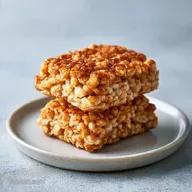
Nature Valley Granola Bars with Pure Honey
These bars provide a hard snap and satisfying crunch, making them a great alternative to soft, cakey store-bought options.
nature valley granola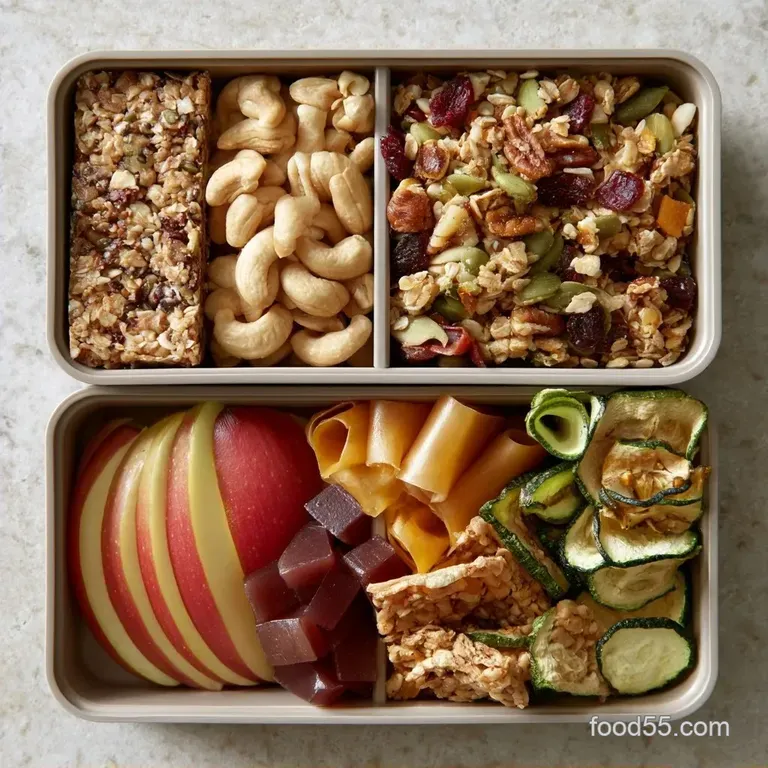
Packing a lunchbox requires a balance between what kids will actually eat and what keeps them focused until the final bell. The right combination of proteins, healthy fats, and natural sugars prevents the mid-morning energy crash.
Whether you're prepping for a hectic Monday or looking for quick after school snacks, having a rotation of homemade options reduces reliance on store-bought processed sweets. This collection focuses on portable, durable snacks that hold up in a backpack.
A successful school snack is defined by three main factors: portability, durability, and sustained energy. Portability means the item fits easily into standard lunch containers or reusable bags without leaking. Durability ensures the snack doesn't get crushed or soggy by lunchtime.
From a nutritional standpoint, the best options combine complex carbohydrates, like oats, with proteins or healthy fats to provide a steady release of energy. This helps students maintain concentration during lessons rather than experiencing the spike and crash associated with high-sugar treats.
Variations range from chewy fruit leathers to crunchy seed and nut mixes.
Selecting the right snack depends on the time of day and the storage available. For morning breaks, choose protein-heavy options like granola bars or muffins that tide students over until lunch. For afternoon energy, fresh fruit grab and go snacks or light veggie chips provide hydration and a quick lift.
If you're meal prepping for the week, focus on items with longer shelf lives, such as homemade fruit leather or trail mix. For households with nut restrictions, prioritize seed-based mixes or fruit-focused treats to ensure they are safe for the classroom environment.
These bars offer a substantial chew and lasting energy, making them ideal for morning breaks. Unlike store-bought versions, these homemade options allow you to control the sweetness and avoid artificial preservatives.
These bars provide a hard snap and satisfying crunch, making them a great alternative to soft, cakey store-bought options.
nature valley granolaA nostalgic oat-based treat that focuses on nutrition, providing a steady energy source for long school days.
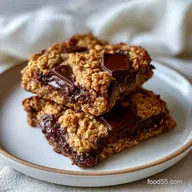
oat-based nutritionSoft-textured bars featuring chocolate chips, blending the feeling of a dessert with the sustenance of a granola bar.
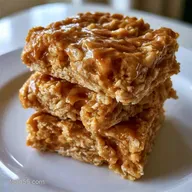
chocolate chipDense, protein-rich bars that require zero oven time, ideal for parents who need a fast prep solution.
no-bake methodThese recipes turn produce into portable formats that kids find appealing. By changing the texture through freezing, baking, or dehydrating, you can make vegetables and fruits more exciting to eat.
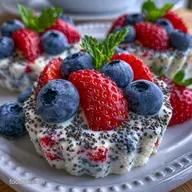
Yogurt-based bites that offer a refreshing temperature contrast, perfect for keeping a lunchbox cool and refreshing.
frozen treatChewy fruit bites with a matte finish that satisfy a candy craving using real fruit ingredients.
chewy fruitSalty zucchini slices baked until crispy, offering a way to include vegetables in a format kids love.
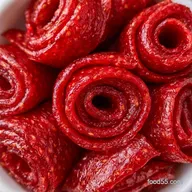
baked veggieNaturally sweet fruit strips that are highly portable and have a long shelf life for weekly meal prep.
fruit leatherThese options are designed for maximum speed and minimal cleanup. They work equally well as pre-packed lunch additions or quick after school snacks when hunger hits immediately after the bus arrives.
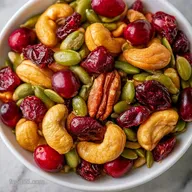
A balanced combination of salty and sweet components that creates a quick, high-energy mix for active students.
sweet and saltyFlourless muffins made with overripe bananas, providing a moist and filling snack for early morning hunger.
quick bread| # | Recipes | Best For | Time | Difficulty | Texture |
|---|---|---|---|---|---|
| 1 | Nature Valley Granola Bars | those who like a crunchy snap | 35 min | Easy | Crunchy |
| 2 | Kudos Granola Bars | nutritious meal prep | 85 min | Easy | Chewy |
| 3 | Chewy Chocolate Chip Granola Bars | a treat-like healthy snack | 40 min | Easy | Soft |
| 4 | Peanut Butter Granola Bars | no-oven preparation | 13 min | Easy | Dense |
| 5 | Frozen Fruit Snacks | insulated lunch bags | 10 min | Easy | Frozen |
| 6 | Fruit Snacks | a chewy candy alternative | 30 min | Easy | Chewy |
| 7 | Baked Zucchini Chips | sneaking in vegetables | 35 min | Easy | Crispy |
| 8 | Homemade Fruit Leather | long-term lunchbox storage | 10 min active / 6 hr 10 min total | Easy | Chewy |
| 9 | Kar Trail Mix | salty and sweet cravings | 27 min | Easy | Crunchy |
| 10 | Simple Banana Oatmeal Muffins | filling breakfast-style snacks | 28 min | Easy | Moist |
Discover more curated recipe collections
Explore more recipe collections →