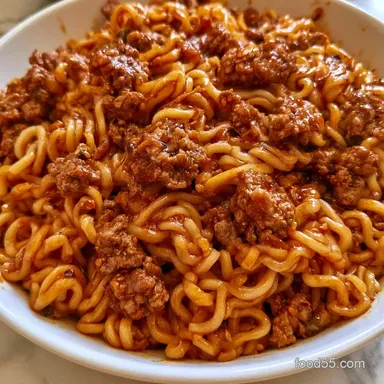
Beef Sesame Ramen Skillet: Rich and Glossy
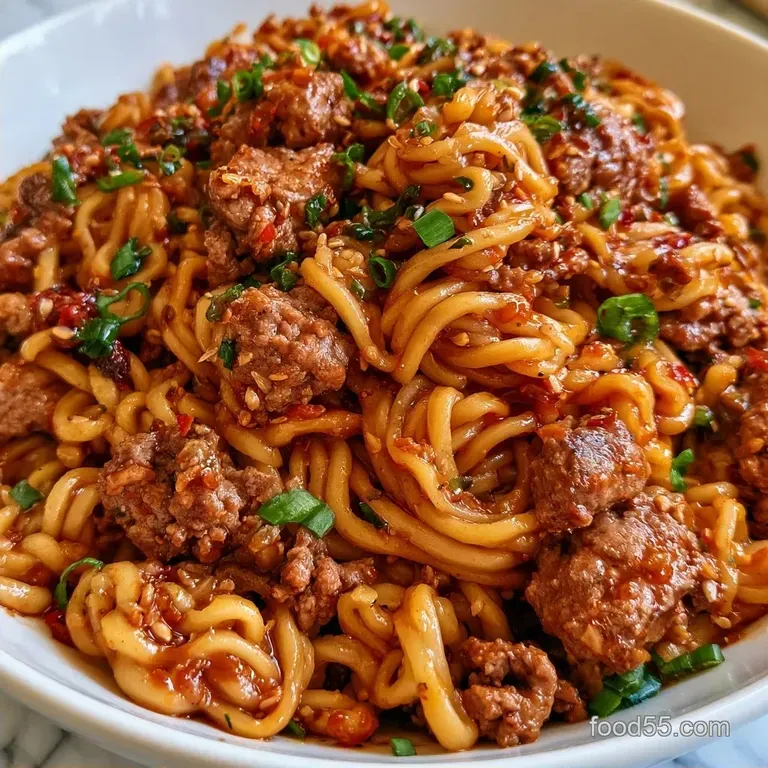
- Time: 10 minutes of prep and 20 minutes of cooking
- Flavor/Texture Hook: Rich, glossy coating and crisp beef edges
- Perfect for: A midweek indulgence or an effortless date night at home
Nothing beats the aroma of toasted sesame oil sizzling in a hot pan; it's a sure sign of a delicious meal to come. I first whipped this up on a tiring Tuesday when I needed a gourmet fix but was completely exhausted.
I craved that authentic ramen house intensity, yet I only had a skillet and 30 minutes to spare.
Forget your typical bowl of instant soup. Here, we use the noodles as a stir fry foundation for a savory, decadent beef topping. The magic lies in the interplay between the soft noodles and the charred, caramelized beef.
The final result is a visual treat, with vibrant green onions and toasted seeds contrasting against a dark, rich glaze. This recipe reimagines Beef Sesame Ramen as a contemporary fusion dish, merging traditional comfort with a daring, artistic flavor profile.
What Makes This So Good
- The High Heat Sear: Letting the beef sit undisturbed creates a mahogany crust. This adds a depth of flavor that you just don't get when you stir the meat constantly.
- The Cornstarch Slurry: Mixing cornstarch with water before adding it to the pan creates a glossy, professional looking glaze. It clings to the beef instead of pooling at the bottom of the bowl.
If you love this kind of profile, you might also enjoy my umami gold stir fry sauce for other protein swaps. The balance of salt and sugar is what makes these fusion dishes pop.
Equipment You'll Need
While you don't need a professional kitchen, a couple of key pieces of equipment make preparing this Beef Sesame Ramen much simpler.
Essential Equipment
The most critical tool is a large, high sided skillet. Whether you prefer stainless steel or cast iron, make sure the sides are high enough to prevent noodles from splashing onto the stovetop during tossing.
Tongs are also essential for the final steps, as they allow you to coat the noodles in glaze without breaking them.
A small whisk or a fork is useful for creating a smooth cornstarch slurry. Avoiding lumps is key, as uncooked cornstarch will leave small white patches in your sauce, spoiling the final look of the meal.
Gathering Your Essentials
I prefer using lean ground beef because it prevents the Beef Sesame Ramen from becoming too greasy. If you use a higher fat percentage, you'll need to drain the pan before adding the aromatics, or the glaze won't stick.
Why These Ingredients Work
| Ingredient | What It Does | Best Swap |
|---|---|---|
| Toasted Sesame Oil | Adds a nutty, aromatic base | Neutral oil + 1 tsp toasted sesame seeds |
| Rice Vinegar | Cuts through the fat with acidity | Apple cider vinegar |
| Cornstarch | Thickens the sauce into a glaze | Arrowroot powder |
| Brown Sugar | Adds sweetness and caramelization | Honey or maple syrup |
You'll notice the rice vinegar is key here. It prevents the soy and sugar from feeling too heavy.
The Full Ingredient List
- 1 lb (450g) lean ground beef Why this? Lower fat content helps the sauce adhere better
- 1 tbsp (15ml) toasted sesame oil Why this? Vital for that characteristic nutty scent
- 3 cloves (9g) garlic, minced
- 1 tbsp (6g) fresh ginger, grated
- 1/2 tsp (3g) kosher salt
- 1/4 tsp (1g) cracked black pepper
- 1/4 cup (60ml) soy sauce Why this? Forms the savory, salty base
- 2 tbsp (30ml) brown sugar, packed
- 1 tbsp (15ml) rice vinegar
- 1 tsp (5ml) Sriracha
- 1 tbsp (8g) cornstarch
- 2 tbsp (30ml) water
- 2 packs (160g) ramen noodles (discard seasoning packets)
- 2 stalks (10g) green onions, thinly sliced
- 1 tbsp (9g) toasted sesame seeds
Time to start the preparation.
From Prep to Plate
Phase 1: The Searing Process
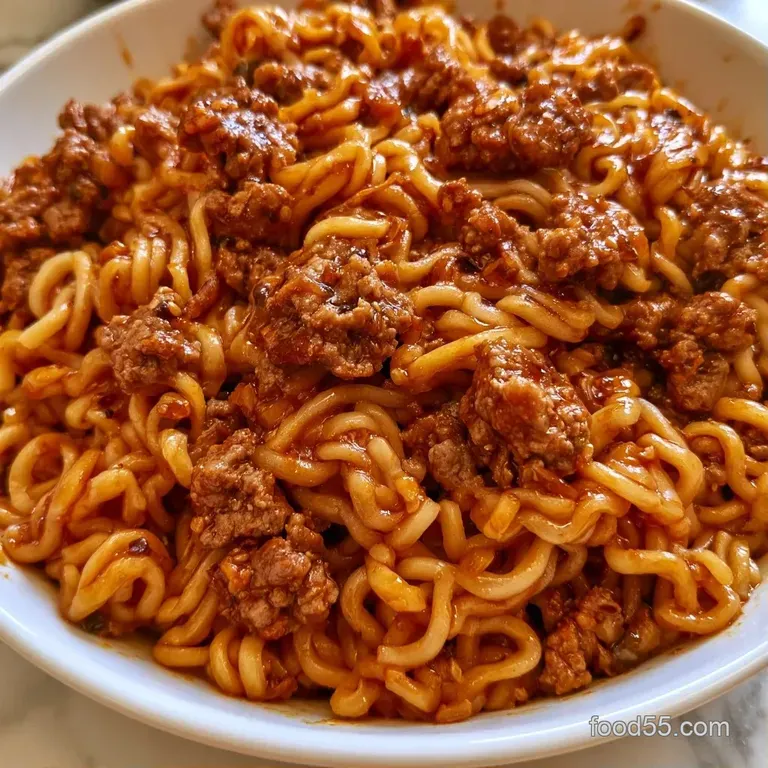
Set your large skillet over medium high heat and add the sesame oil, warming it until it shimmers. Add the ground beef, seasoned with salt and pepper. Flatten the meat into an even layer and let it sear undisturbed for 3-4 minutes until a deep brown crust forms.
Use your spoon to break the beef into crumbles and cook until fully browned.
Phase 2: Infusing Aromatics
Lower the heat to medium. Mix in the minced garlic and grated ginger. Sauté for 60-90 seconds until the aroma fills the kitchen and the garlic is translucent. Avoid letting the garlic turn dark brown, or it will taste bitter.
Phase 3: Glazing the Beef
In a small bowl, whisk together the soy sauce, brown sugar, rice vinegar, and Sriracha. Pour this over the beef and immediately stir in the cornstarch slurry (the mix of cornstarch and water). Simmer for 1-2 minutes until the sauce bubbles and becomes a glossy glaze.
Phase 4: The Final Toss
While the beef simmers, boil the ramen noodles. Cook them for 1 minute less than the package directions. Drain them and immediately toss them into the skillet with the beef. Use tongs to fold the noodles until every strand is coated in the Beef Sesame Ramen glaze.
Final Touch
Portion the noodles into deep bowls. Garnish with sliced green onions and toasted sesame seeds for a professional finish.
Common Mistakes & Troubleshooting
It's common to overcook the noodles or end up with a sauce that is overly thick. I've personally ruined several batches of Beef Sesame Ramen by leaving the noodles in the boiling water too long, turning them into mush.
Fixing a Paste Like Sauce
If the glaze thickens too rapidly and resembles a paste, the temperature was likely too high. You can remedy this by whisking in a tablespoon of beef broth or water.
Avoiding Mushy Noodles
Ramen continues to cook after it hits the hot pan. If they are fully boiled, the noodles will break apart during the tossing stage. Always remove them from the water while they still have a slight "bite."
Preventing Greasy Beef
Using 80/20 beef instead of a lean cut can result in a pool of oil in the pan, which hinders the sauce from emulsifying. Use a paper towel to blot up the excess fat before stirring in the ginger and garlic.
| Problem | Fix |
|---|---|
| Sauce is too thick | Add 1-2 tbsp water or broth |
| Noodles are mushy | Undercook noodles by 1 minute |
| Beef tastes bland | Increase the salt or soy sauce |
| Glaze is lumpy | Whisk cornstarch with water first |
Storage & Reheating
While it's tastiest when served immediately, this Beef Sesame Ramen is an excellent choice for meal prep.
Place any extras in a tightly sealed container and keep them chilled for a maximum of 3 days. Since the noodles tend to soak up the sauce, the dish may seem slightly dry when you go to warm it up. Add a bit of water or a dash of sesame oil before microwaving for 2 minutes.
To reduce waste, save your green onion trimmings. Chop them and store them in the freezer to use as a flavorful base for future stir fries. Similarly, peel any leftover ginger root and keep it frozen, which allows you to grate it directly from the freezer.
Dietary Adaptations
Depending on who you're feeding, you might want to tweak the ingredients. If you're looking for a lower carb version, you can swap the ramen noodles for zucchini noodles or shirataki noodles. Just note that these don't absorb the sauce the same way, so you might want to double the cornstarch slurry.
For a different twist, you can replace the ground beef with ground turkey or chicken. The flavor changes slightly, becoming lighter, but the sesame glaze still works beautifully. If you want a different base entirely, you can follow a soy sauce ground beef and rice method and just use the Beef Sesame Ramen glaze.
Quick Adjustment Guide
- Extra heat? → fold in 1 tsp red chili flakes
- More tang? → add 1 tsp extra rice vinegar
- Nutty crunch? → add 1 tbsp crushed peanuts
| Method | Stovetop (Skillet) | Oven (Sheet Pan) |
|---|---|---|
| Texture | Crispy beef, glossy glaze | Roasted beef, thinner sauce |
| Time | 30 minutes | 45 minutes |
| Effort | Active stirring | Set and forget |
What to Serve This With
Since the Beef Sesame Ramen is so rich and savory, you need something fresh to balance the plate. I love serving this with a side of smashed cucumber salad with rice vinegar and chili oil. The cold, crisp cucumbers cut through the richness of the sesame glaze.
Steamed bok choy or quick sauteed snap peas also work well. If you're serving this for a group, a side of edamame with sea salt is a great way to round out the meal.
When plating, I like to use wide, shallow bowls. It lets the Beef Sesame Ramen spread out, making the colors of the green onions and sesame seeds more visible. It's a small detail, but it makes the dish feel like it came from a modern bistro rather than a home kitchen.
Right then, you've got everything you need. This Beef Sesame Ramen is the ideal blend of speed and style, perfect for when you want to feel like a culinary artist without the stress of a complex recipe. Just remember to let that beef sear, and you're golden.
Critical Sodium Level
1700 mg 1700 mg of sodium per serving (74% 74% of daily value)
The American Heart Association recommends limiting sodium intake to no more than 2,300mg per day, with an ideal limit of 1,500mg for most adults.
Sodium Reduction Strategies
-
Swap the Soy Sauce-30%
Replace the standard soy sauce with low-sodium soy sauce or coconut aminos to significantly drop the salt content.
-
Noodle Upgrade-20%
Replace the processed ramen packs with brown rice noodles or soba noodles to avoid the high sodium found in pre-processed noodles.
-
Omit Added Salt-15%
Remove the 1/2 tsp of kosher salt entirely; the soy sauce and Sriracha already provide ample seasoning.
-
Sriracha Alternative-10%
Swap Sriracha for fresh chili flakes or sliced jalapeños to maintain heat without the added sodium.
-
Enhance Aromatics
Increase the fresh ginger and garlic or add a squeeze of fresh lime juice to boost flavor without adding salt.
Recipe FAQs
How to replace the seasoning packet?
Whisk together soy sauce, brown sugar, rice vinegar, and Sriracha.
Tip: stir in a cornstarch slurry to achieve a glossy, restaurant style glaze.
Is it true that only sliced steak works for this beef ramen?
Actually, no. Ground beef is ideal here for maximum flavor distribution and a great sear.
Tip: leave the meat undisturbed for 3-4 minutes to build a brown crust.
Why are my ramen noodles becoming mushy?
You are likely boiling them for too long before adding them to the skillet.
Tip: boil for one minute less than the package directions to maintain a firm bite.
Which ingredients bring out the best flavor?
Freshly grated ginger and minced garlic provide the essential aromatic base.
Tip: sauté these for only 60-90 seconds to prevent them from burning.
What's the best way to add heat?
Incorporate Sriracha directly into the sauce mixture before simmering.
Tip: adjust the amount of Sriracha at the very end to suit your spice preference.
Can I upgrade instant noodles for better quality?
Toss them with fresh green onions and toasted sesame seeds.
Tip: if you loved the flavor balance here, see how the same sweet salty principle works in this stir fry sauce.
Are sesame seeds necessary for the topping?
They add a toasted nuttiness that complements the savory beef.
Tip: toast them in a dry pan for a few seconds to amplify the aroma.
Do I need to boil noodles fully before adding to the pan?
No, they should be slightly underdone as they finish cooking in the sauce.
Tip: drain them immediately and fold in with tongs for even coating.
Beef Sesame Ramen Skillet