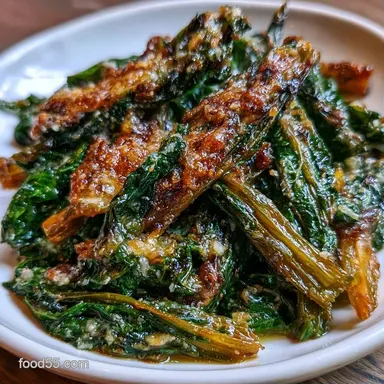
Crispy Baked Swiss Chard Stems
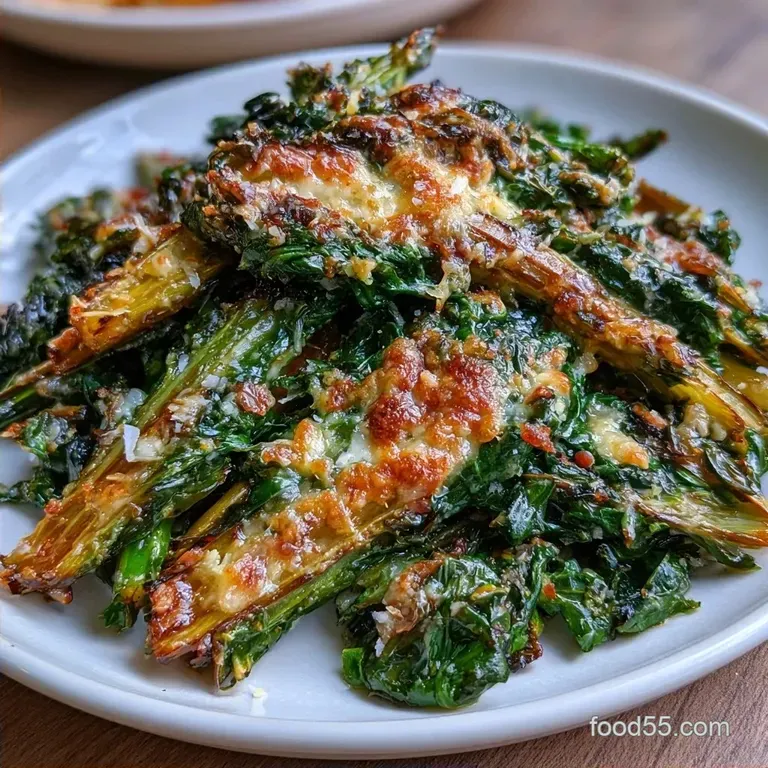
- Time: 10 min active + 15 min baking
- Flavor/Texture Hook: Nutty, salty, and shattering crisp edges
- Perfect for: A zero waste side or a vibrant appetizer
The smell of roasting vegetables hitting a hot pan is my favorite thing about autumn. In Mediterranean kitchens, the idea of throwing away a part of a vegetable is almost a crime. I grew up watching my grandmother treat every leaf and root with respect, but for a long time, the stems were just "filler" for slow cooked stews.
Then I tried roasting them. The difference is wild. When you hit them with enough heat, they lose that raw, earthy bitterness and turn into something resembling a salty, roasted root vegetable.
If you've been tossing your stalks, you're missing out. These Baked Swiss Chard Stems bring a vibrant color to the plate and a satisfying crunch that beats a standard salad any day.
Why This Roast Works
- High Heat: 400°F (200°C) evaporates moisture quickly, so the stems roast instead of steaming.
- Sugar Caramelization: The natural sugars in the stalks brown quickly, creating a nutty flavor.
| Method | Time | Texture | Best For |
|---|---|---|---|
| Sautéed | 8 mins | Tender/Chewy | Quick stir fries |
| Roasted | 15 mins | Crispy/Nutty | Side dishes |
| Steamed | 5 mins | Soft/Bland | Purees |
Quick Recipe Specs
This is a straightforward dish, but the details matter. If you crowd the pan, you get mush. If you leave the stems wet, you get steam. Stick to the 1 inch cut for the most consistent browning across the batch.
The Core Ingredients
First, let's break down the function of each key ingredient.
| Ingredient | Role | If You Don't Have It |
|---|---|---|
| Chard Stems | Base structure | Beet or kale stems |
| Olive Oil | Roasting medium | Avocado oil |
| Garlic Powder | Savory depth | Minced fresh garlic |
| Parmesan | Salty finish | Pecorino or Nutritional Yeast |
The Shopping List
- 1 bunch (approx. 1 lb / 450g) Swiss Chard stems, trimmed and cut into 1 inch pieces Reason: Uniform size ensures they cook at the same rate
- 2 tbsp (30ml) Extra virgin olive oil Reason: Stable at the temperatures needed for roasting
- ½ tsp (3g) Sea salt Reason: Highlights the natural earthy flavor
- ¼ tsp (1g) Freshly cracked black pepper Reason: Provides a gentle heat
- ½ tsp (2g) Garlic powder Reason: Ensures a more consistent coating than fresh garlic
- ¼ cup (25g) Grated Parmesan cheese Reason: Develops a salty, golden crust
Quick Ingredient Swaps
| Original Ingredient | Substitute | Why It Works |
|---|---|---|
| Parmesan | Nutritional Yeast | Comparable nutty profile. Note: Vegan-friendly; won't bubble as much |
| Olive Oil | Melted Butter | Adds richness. Note: Browns quicker, so keep an eye on it |
| Garlic Powder | Onion Powder | Similar savory quality. Note: Slightly sweeter and less sharp |
Tools For The Job
You only need a few basic tools. I always opt for a large rimmed baking sheet to prevent oil from dripping onto the oven floor.
Parchment paper is essential; it keeps the Parmesan from sticking to the pan, saving you twenty minutes of scrubbing afterward. Use a large mixing bowl to ensure every stem is thoroughly coated in oil and spices.
The step by step Process
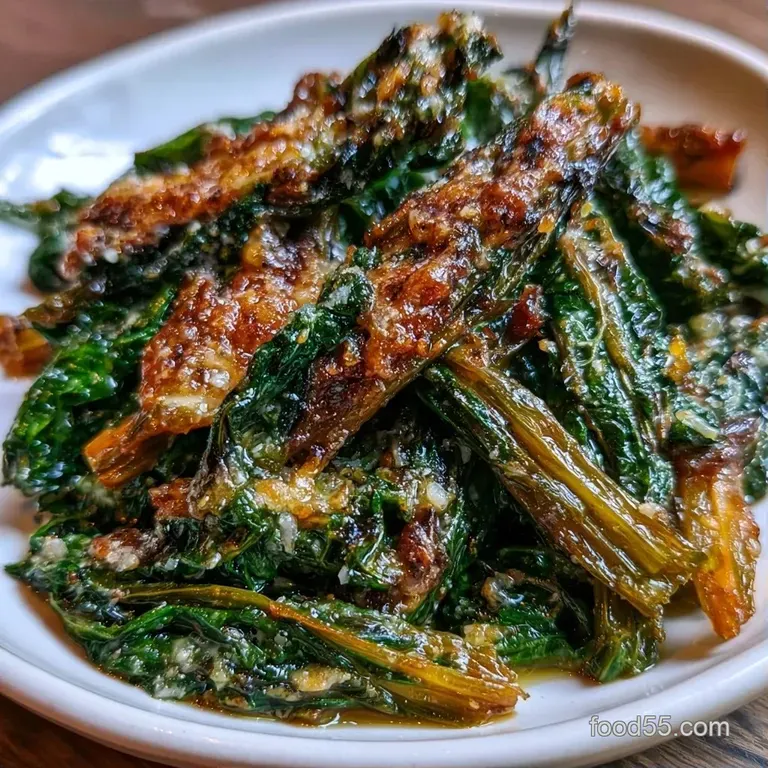
Now, it's time to get these roasting.
- Bring the oven temperature up to 400°F (200°C) and fit a large baking tray with parchment paper.
- Rinse the chard stems well. Pat them completely dry using a towel Note: any remaining moisture will create steam, which ruins the crunch.
- In a bowl, toss the 1 inch stem pieces with garlic powder, black pepper, sea salt, and olive oil.
- Stir until every piece is well-coated and glossy.
- Place the stems on the tray without overlapping them. Make sure there is enough space for air to circulate.
- Roast for 12–15 minutes until the edges are a deep golden brown and smell nutty.
- Scatter the grated Parmesan over the stems during the final 3 minutes.
- Take them out of the oven once the cheese is bubbly and melted.
Chef's Tip: To enhance the flavor, mix a bit of smoked paprika into the oil. It provides a "grilled" quality without the charcoal.
Fixing Common Roasting Issues
Stems are Mushy
This usually happens because the pan was too crowded. When stems touch, they trap moisture and steam each other. Use two pans if you're doubling the batch to keep that one inch gap.
Burnt Cheese Raw Centers
If your Parmesan is browned but the stems are still hard, your oven might be running too hot. Lower the heat to 375°F (190°C) and give them two more minutes before adding the cheese.
Bitter Aftertaste
Some chard varieties are more bitter than others. A quick squeeze of fresh lemon juice over the pan immediately after taking it out of the oven cuts through that bitterness.
Easy Swaps And Twists
This recipe is quite versatile. To add a kick, combine a pinch of red pepper flakes with the garlic powder. For a more sophisticated twist, use crumbled goat cheese instead of Parmesan, adding it after roasting for a creamy contrast.
To make this a complete meal, these Baked Swiss Chard Stems pair well with creamy sides. I highly recommend serving them with baked feta pasta, since the feta's acidity cuts through the earthiness of the chard.
Decision Shortcut: Extra zing? → add 1 tsp lemon zest More spice? → fold in ½ tsp cayenne Vegan option? → use nutritional yeast instead of cheese
Storage And Zero Waste
Fridge Storage Store extras in a glass dish, chilled for approximately 3 days. They will lose their crispness, but they are still excellent when mixed into an omelet.
Reheating for Crunch Skip the microwave. Instead, place them on a baking tray at 400°F (200°C) for 3-5 minutes to regain that shattering texture.
Freezing Note I suggest avoiding the freezer. The high water content within the stems results in a spongy consistency once they thaw.
Zero Waste Mindset The goal of preparing these stems is to eliminate waste. After stripping the stems, remember to use the leaves. Sauté them using the garlic and oil from this recipe, or blend them into a pesto.
Best Ways To Serve
These are versatile. I love them as a steakhouse style side, served right next to a seared ribeye or a piece of roasted salmon. The saltiness of the cheese makes them feel like a treat rather than a "healthy vegetable."
If you're hosting a small get together, serve them in a bowl with a side of garlic aioli or a lemon tahini dip. They also make a great addition to a winter platter alongside some toasted garlic herb bread.
The Power Bowl Pairing
Toss these stems into a bowl of quinoa, roasted chickpeas, and fresh spinach. The crunch of the stems adds a necessary texture contrast to the soft grains.
Scaling for a Crowd
When making this for 8 or more people, work in batches. If you pile the stems up, they'll just boil in their own juices. Lower the oven temp by 25°F if using a convection oven to prevent the cheese from burning before the stems are tender.
Recipe FAQs
Are Swiss chard stems edible?
Yes, they are completely edible and delicious. They have a texture similar to celery and become sweet when roasted.
How to roast chard stems for a nutty flavor?
Bake them at 400°F for 12 to 15 minutes. Ensure they are spread in a single layer on the baking sheet so they brown instead of steaming.
Is red chard the same thing as Swiss chard?
Yes, red chard is simply a variety of Swiss chard. The only real difference is the vibrant color of the stems.
What should I do with leftover chard stalks?
Roast them as a side dish or toss them into an omelet. If you enjoyed the savory balance here, see how we use a similar cheese-based richness in our three cheese macaroni.
Is it true that chard stems are too tough to bake?
Actually, no. Cutting them into 1-inch pieces and roasting at a high temperature makes them tender and caramelized.
Why are my roasted stems steaming instead of browning?
This usually happens if the stems were wet before oiling or crowded on the pan. Pat them completely dry with a towel first to ensure a proper roast.
Baked Swiss Chard Stems for 4 Servings