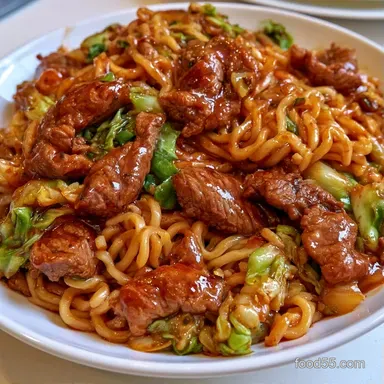
Beef Ramen Noodles in 15 Minutes
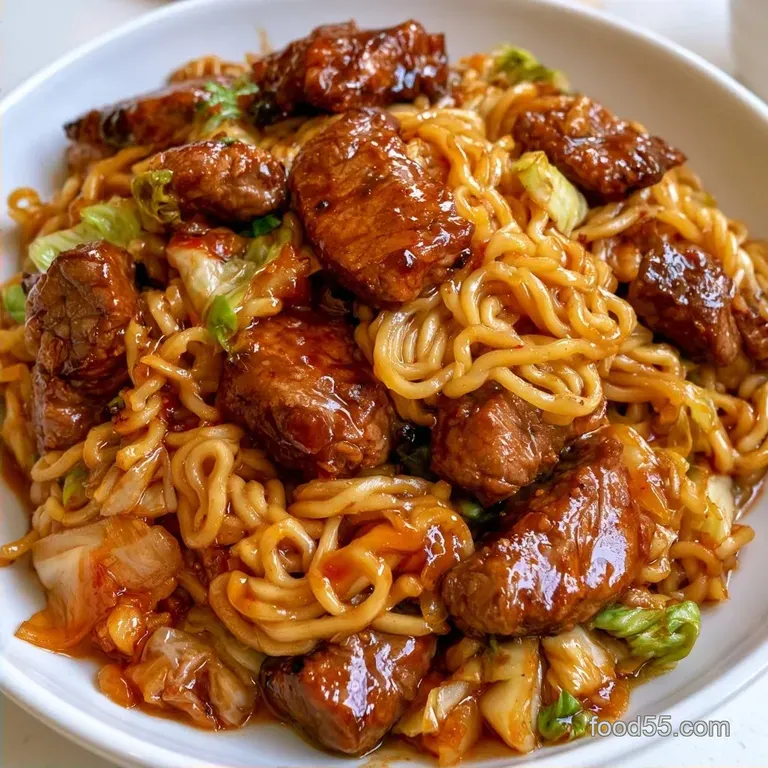
- Duration: 5 min active + 10 min cooking
- Taste & Texture: A rich mahogany glaze paired with a bouncy, chewy texture
- Ideal for: A speedy weekday meal with a gourmet restaurant vibe
Ever notice the difference between a limp stir fry and one with a glossy, mahogany coating that clings to every noodle? The secret is avoiding the "grey meat" trap. I used to rush the process, but I've found that waiting just three minutes for that sear completely transforms the flavor profile.
This goes beyond a simple pantry staple. We're elevating basic ingredients to create a striking presentation. By pairing the dark, savory tones of the beef with vibrant colors, the final plate looks as curated as it tastes.
Expect a dish where deep umami meets the brightness of fresh lime. These Beef Ramen Noodles are perfect for those exhausted evenings when you want something inventive without the effort.
Beef Ramen Noodles
We want a balance of colors and textures here. Rather than simply boiling the noodles, we are glazing them. If you like a thick, integrated sauce, this approach is similar to the flavor development in one pot spaghetti, though we use high heat to intensify the sugars.
The Hard Sear: Leaving the beef alone in the pan creates a proper crust. This yields a charred, nutty depth that you'll miss if you stir too often.
Under boiling: Removing the noodles early ensures they don't turn mushy. They finish cooking in the sauce, absorbing the soy and ginger instead of plain water.
The Acid Finish: Adding lime juice at the final moment balances the richness of the beef. This brightens the entire dish and makes the flavors stand out.
| Method | Time | Texture | Best For |
|---|---|---|---|
| Fast (One Pan) | 15 mins | Glazed & Springy | Weeknight rush |
| Classic (Separate) | 30 mins | Brothy & Soft | Slow Sundays |
Essential Ingredient Breakdown
| Ingredient | What It Does | Best Swap |
|---|---|---|
| Lean Ground Beef | Provides a savory, protein base | Ground turkey (leaner, milder) |
| Instant Ramen | Adds chew and structure | Rice noodles (gluten-free option) |
| Shredded Cabbage | Adds crunch and color balance | Bok choy or shredded carrots |
| Soy Sauce | Delivers the salt and umami | Tamari (for less gluten) |
The Protein and Base
- 1 lb lean ground beef (90% lean) Why this? Less grease means a better sear.
- 2 packs (160g) instant ramen noodles Why this? These hold a glaze better than fresh noodles.
- 2 cups (150g) shredded cabbage Why this? Adds a necessary crunch and pale green hue.
The Umami Glaze
- 1/4 cup (60ml) soy sauce Why this? The primary salt source for the Beef Ramen Noodles.
- 2 tbsp (25g) brown sugar Why this? Caramelizes to create that dark mahogany color.
- 1 tbsp (15ml) toasted sesame oil Why this? Adds a toasted, nutty aroma.
- 1 tbsp (15g) fresh ginger, minced Why this? Provides a sharp, fresh heat.
- 3 cloves (9g) garlic, minced Why this? Essential aromatic base.
- 1 tsp (5ml) sriracha Why this? Adds a subtle, glowing red tint and mild spice.
The Finishing Touches
- 2 stalks (10g) green onions, sliced Why this? Bright green contrast against the brown beef.
- 1 tbsp (8g) toasted sesame seeds Why this? Tiny gold accents and a slight pop.
- 1 tsp (5ml) lime juice Why this? Wakes up all the heavy flavors.
Gear You'll Need
I prefer a 12 inch cast iron skillet because it holds heat better than anything else. If you don't have one, a carbon steel wok is the next best thing. You want something that can handle medium high heat without losing its temperature when you drop the beef in.
A pair of long tongs is non negotiable here. You need to be able to toss the noodles and the sauce vigorously to ensure every strand is coated. A fork just doesn't provide enough leverage to get that cohesive glaze.
From Prep to Plate
Time to start cooking. Have everything ready to go before you start, as this process is quick.
- Heat a 12 inch cast iron skillet over medium high. Spread the ground beef evenly. Leave it alone for 3 minutes to develop a dark brown crust. Note: Resist the urge to stir; let it sear.
- Use a spatula to break up the beef and cook for another 2-3 mins until no longer pink.
- Move the beef to the sides of the pan, leaving a space in the middle. Add the ginger and minced garlic, sautéing for 30 seconds until they smell fragrant.
- Mix in the shredded cabbage and stir fry for 2 minutes until wilted but still snappy.
- While the beef sears, boil the ramen noodles for one minute less than the package instructions. Drain them right away.
- Toss the drained noodles into the skillet. Add the sriracha, sesame oil, brown sugar, and soy sauce.
- Stir with tongs for 2 minutes until the sauce reduces to a velvety coating.
- Take the skillet off the burner and quickly mix in the lime juice.
- Finish with a generous sprinkle of toasted sesame seeds and sliced green onions for a burst of color.
Fixing Common Problems
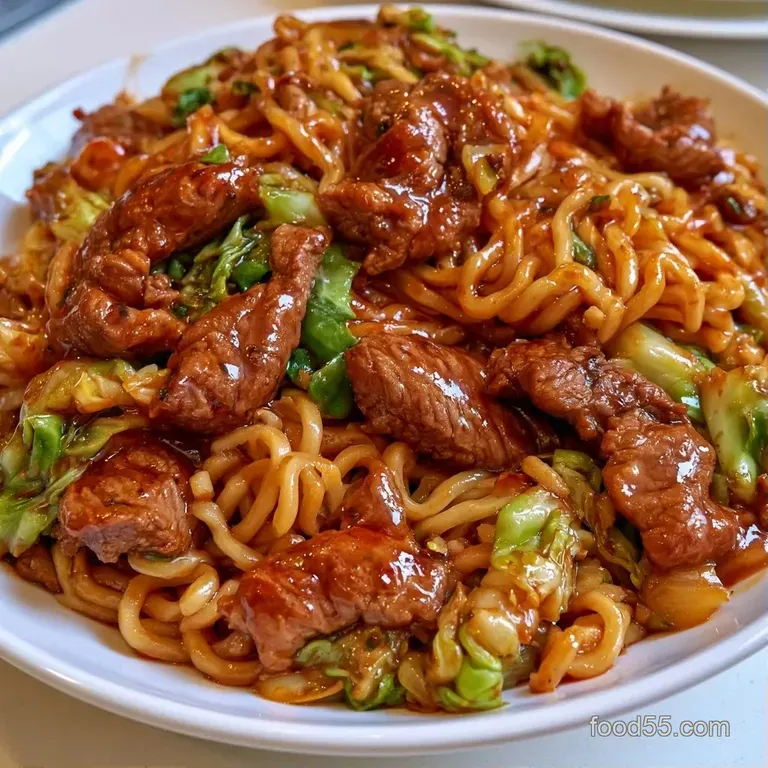
Noodle consistency is the most frequent hurdle. Sliminess typically results from over boiling or insufficient draining. Because they continue to cook once added to the pan, it's best to under boil them slightly.
Sauce thickness is another common issue. If it's too thin, you likely didn't let it reduce during those last two minutes. You want a glaze that coats the noodles instead of pooling in the skillet.
Noodles Are Mushy
If the noodles are breaking, you've over boiled them. For better results next time, drain them while they still have a slight "bite."
Sauce Is Too Salty
An excess of soy sauce can easily overpower the flavor. Balance the saltiness with a pinch of extra brown sugar or a squeeze of fresh lime juice.
Beef Is Steaming Rather Than Searing
This occurs when the skillet is overcrowded or not hot enough. Use a wider pan and make sure the oil is shimmering before you add the meat.
| Problem | Fix |
|---|---|
| Mushy Noodles | Boil 1 min less than package |
| Watery Sauce | Toss for 2 more mins over heat |
| Bland Flavor | Add extra lime juice or sriracha |
Twists and Swaps
For a fusion twist, try replacing the soy ginger glaze with this creamy peanut sauce. This gives the dish a deep tan hue and a distinct richness. To pack in more vegetables, stir in snap peas or sliced bell peppers when you add the cabbage.
Ground pork is an excellent protein alternative, offering a bit more fat for extra flavor. If you prefer ground turkey, stir in a touch more sesame oil to make up for the leaner meat.
- For a spicier kick
- double the sriracha or toss in fresh chili flakes.
- For a sweeter glaze
- stir in one more teaspoon of brown sugar.
- For a lighter version
- use zucchini noodles (zoodles) instead of ramen.
Keeping It Fresh
Keep the Beef and Ramen Noodles in an airtight glass container for the best results. They will remain fresh in the refrigerator for about 3 days. You may notice that the noodles absorb more of the liquid as they sit, making the dish seem a bit drier the following day.
Avoid putting this meal in the freezer. Ramen noodles often become grainy and lose their texture after the freeze thaw process. It is best to prepare a fresh portion or finish the leftovers quickly.
To minimize waste, save your green onion ends. Store them in the freezer with other vegetable trimmings to use for a future stock. Leftover cabbage is also perfect for a fast slaw or added to an omelet. For detailed nutritional information, USDA FoodData Central is an excellent resource for lean beef data.
Serving and Garnish
Plating is what truly elevates this meal. Given the rich, dark brown tones of the Beef Ramen Noodles, bold, contrasting colors are essential to achieve a professional look. I rely on three specific accents to create a balanced visual appeal.
Start with sliced green onions for a burst of fresh green that pops against the dark base. Next, a sprinkle of toasted sesame seeds adds tiny, golden highlights. Finally, the light green cabbage serves as a mid-tone, bridging the gap between the beef and the garnishes.
Present this in a shallow, wide bowl to showcase the glossy glaze. This pairs beautifully with a crisp cucumber salad tossed in sesame oil and rice vinegar, providing a refreshing counterpoint to the warmth and spice of the noodles.
In the end, you have a dish that looks like a labor of love but only required 15 minutes. A little extra attention to the garnish makes it a complete culinary experience.
Critical in Sodium
1340 mg 1,340 mg of sodium per serving (58% 58% of daily value)
The American Heart Association recommends a daily limit of no more than 2,300 mg, and an ideal limit of no more than 1,500 mg per day for most adults.
Tips to Reduce Sodium
-
Skip Seasoning Packets-30%
Do not use the flavor packets included with the instant ramen; they are the primary source of hidden sodium in this dish.
-
Switch Soy Sauce-20%
Replace regular soy sauce with low-sodium soy sauce or coconut aminos to significantly cut down on salt.
-
Increase Vegetables-10%
Double the amount of shredded cabbage or add carrots to increase volume, which lowers the sodium concentration per serving.
-
Swap the Sriracha-5%
Use fresh sliced red chilies or red pepper flakes instead of sriracha to maintain the heat without the added salt.
-
Boost Fresh Aromatics
Add extra fresh ginger, garlic, and lime juice to create a vibrant flavor profile that reduces the need for salt.
Recipe FAQs
Do ground beef and ramen noodles pair well together?
They are a great match. The rich fat from the beef balances the salty soy and sweet brown sugar in the sauce.
How to make ramen with ground beef?
Brown the ground beef in a skillet over medium high heat for 10 minutes without stirring to create a crust. If you enjoyed creating a deep sear here, see how similar browning principles apply to our slow cooker bolognese.
Which meats work best with ramen noodles?
Lean ground beef is the best choice for this recipe. It browns quickly and absorbs the savory glaze perfectly.
Is it true that you need the seasoning packet for taste?
Not true. A mix of soy sauce, brown sugar, toasted sesame oil, and sriracha creates a much more complex flavor profile.
What seasonings improve the flavor of beef ramen?
Fresh minced ginger and garlic provide a sharp aromatic base. Sriracha and lime juice add the necessary heat and acidity to cut through the richness.
Why should the noodles be under boiled?
Boil them for one minute less than the package instructions. This prevents them from becoming mushy as they finish cooking in the sauce.
Beef Ramen Noodles