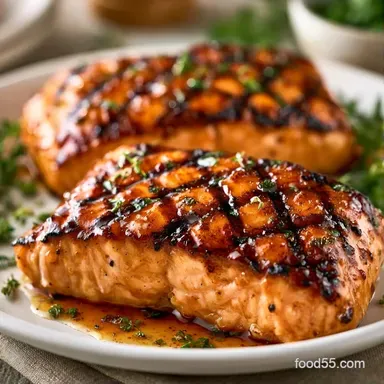
Best Grilled Salmon Marinade with Honey and Dijon
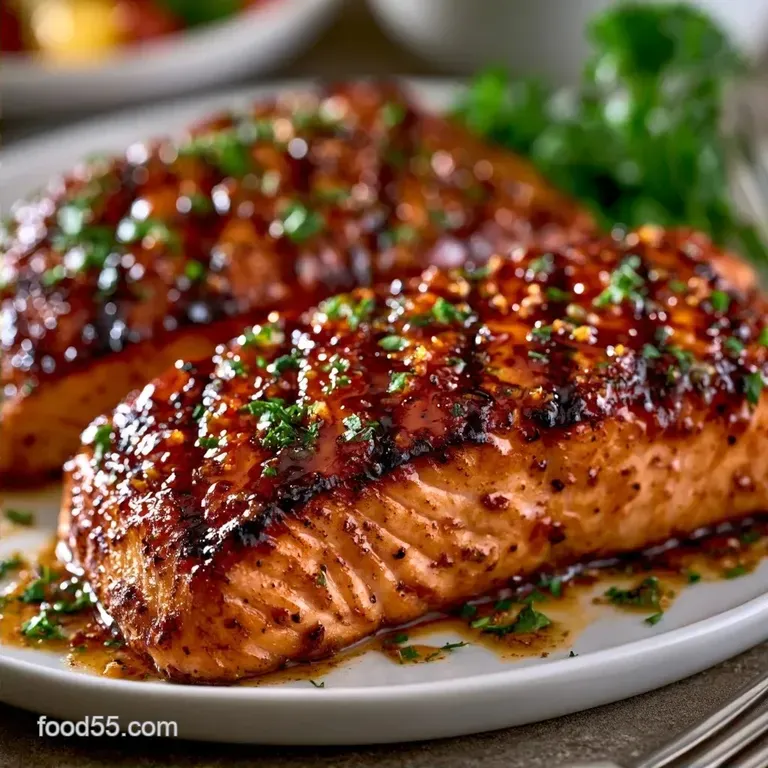
- Time: 5 min active + 30 min chilling
- Flavor/Texture Hook: Tangy, charred exterior with flaky centers
- Perfect for: Summer garden parties or a healthy weeknight dinner
Best Grilled Salmon Marinade
The smell of charcoal and searing fish always takes me back to those coastal summer gatherings where the grill is the center of the universe. In many fishing communities, salmon isn't just food, it's a seasonal event.
There's a deep tradition of keeping the flavors simple to let the freshness of the catch lead the way, usually relying on whatever citrus or honey was in the pantry to create a light glaze.
I used to overcomplicate things, adding too many spices that drowned out the fish. But the real magic happens when you balance acidity and sugar. This approach ensures the fish stays moist while the skin gets that satisfying snap.
You can expect a vibrant, zesty finish that cuts through the richness of the salmon. This Best Grilled Salmon Marinade creates a beautiful golden brown crust that makes the dish look as good as it tastes.
Why Most Recipes Fail
Most people let the fish sit in acid for too long. If you leave salmon in lemon juice for five hours, the acid actually "cooks" the protein, leaving you with a mushy, mealy texture.
Sugar Balance: Honey helps the fish brown in 10 minutes, but too much causes it to burn before the center is done. Emulsion Stability: Whisking the oil and mustard together prevents the marinade from separating, so every inch of the fillet gets coated evenly.
| Method | Time | Texture | Best For |
|---|---|---|---|
| Stovetop | 8-10 mins | Seared crust | Single fillets |
| Oven | 12-15 mins | Even cook | Large batches |
| Grill | 10 mins | Smoky char | Seasonal parties |
Ingredient Deep Dive
| Ingredient | What It Does | Best Swap |
|---|---|---|
| Dijon Mustard | Binds oil and acid | Whole grain mustard (adds texture) |
| Honey | Creates charred glaze | Maple syrup (woodier taste) |
| Soy Sauce | Adds salty depth | Coconut aminos (lower sodium) |
| Lemon Juice | Cuts through fat | Lime juice (more tropical) |
Quick Recipe Specs
For this Best Grilled Salmon Marinade, you'll need a few staples. I prefer using local, organic honey if I can find it at the farmer's market, as it adds a more floral note to the glaze.
- 4 salmon fillets Why this? Center cut fillets cook most evenly
- 1/4 cup extra virgin olive oil Why this? High smoke point and clean taste
- 2 tbsp soy sauce Why this? Provides the essential salty base
- 1 tbsp Dijon mustard Why this? Acts as the glue for the marinade
- 2 tbsp honey Why this? Caramelizes on the grill
- 1 tbsp fresh lemon juice Why this? Brightens the overall flavor
- 1 tsp lemon zest Why this? Concentrated citrus oils
- 2 cloves garlic, minced Why this? Adds a sharp, savory punch
- 1/2 tsp cracked black pepper Why this? Coarse grind adds texture
- 1/4 tsp salt Why this? Enhances all other flavors
Essential Kitchen Gear
You don't need a professional kitchen for this, but a few tools make it easier. A medium whisk is non negotiable for getting the sauce smooth. I use a heavy duty gallon freezer bag for marinating because it pushes the liquid into every nook of the fish.
For the grill, make sure you have a clean grate. If you're using a gas grill, a meat thermometer is helpful to avoid overcooking. If you have a cast iron grill pan, that works too for those rainy days when the outdoor grill is a no go.
From Prep to Plate
- Place the minced garlic, lemon zest, and cracked black pepper into a small mixing bowl.
- Whisk in the Dijon mustard and honey until the mixture is smooth.
- Slowly pour in the olive oil and soy sauce while whisking vigorously until the sauce is velvety and cohesive.
- Stir in the fresh lemon juice to complete the marinade.
- Pour the marinade over salmon fillets in a sealed bag or airtight container, gently massaging the liquid to ensure full coating.
- Refrigerate and marinate for at least 30 minutes (and up to 2 hours) before grilling.
- Preheat grill to medium high heat.
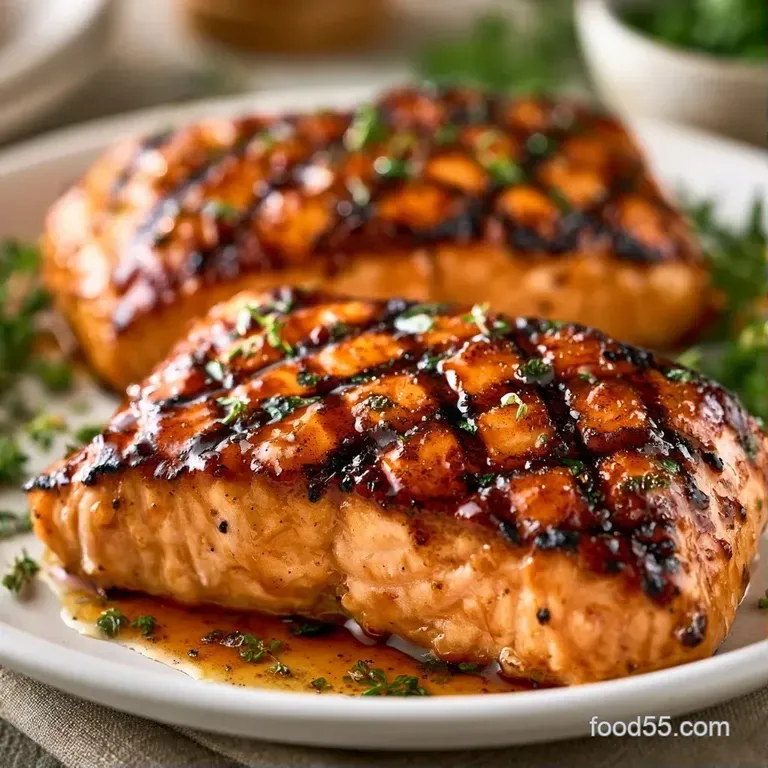
- Place fillets on the grill and cook 5 mins per side until the fish flakes easily with a fork.
Chef's Note: Don't flip the salmon too early. Let it sit for the full 5 minutes; the fish will naturally release from the grate once a proper sear has formed.
Pro Tips and Pitfalls
I once ruined a batch of salmon by marinating it overnight. The lemon juice broke down the fibers too much, and it felt like eating pâté. Stick to the two hour limit for the Best Grilled Salmon Marinade to keep that firm, flaky bite.
Why Your Salmon Sticks
Sticking usually happens because the grill isn't hot enough or the grates are dirty. Make sure you oil the grates right before the fish hits the metal.
| Problem | Root Cause | Solution |
|---|---|---|
| Burnt exterior | Too much honey | Reduce heat to medium |
| Raw center | Fillets too thick | Increase cook time by 2 mins |
| Dull flavor | Not enough salt | Add a pinch of flaky salt at the end |
Managing the Heat
Sugar in the honey burns fast. If you see the fillets darkening too quickly, move them to a cooler part of the grill. This allows the center to finish without the outside turning black.
Personalize Your Plate
If you want a different vibe, you can easily pivot this recipe. For a more "BBQ" feel, swap the honey for brown sugar and add a dash of smoked paprika. If you're craving something more Asian inspired, add a teaspoon of grated ginger to the garlic.
For those who prefer a pan sear with a creamy finish, you might enjoy a creamy salmon piccata instead. It uses similar citrus notes but moves the flavor profile toward a buttery, caper heavy sauce.
Decision Shortcut:
- If you want a smoky finish, use charcoal instead of gas.
- If you have thin fillets, reduce marinating time to 20 minutes.
- If you're serving a crowd, grill the salmon on a large sheet of foil.
Freezing and Reheating Guide
You can freeze the fillets after they are grilled. Let them cool completely, wrap them tightly in foil, and place them in a freezer bag. They'll stay good for about 2 months.
To reheat, avoid the microwave, as it makes salmon rubbery. Instead, place the fillet in a 275°F (135°C) oven for about 10 minutes. Add a tiny pat of butter on top to bring back the moisture.
For the leftover marinade, don't use it as a dipping sauce unless you boil it first. Since it touched raw fish, it needs to hit 165°F to be safe. Alternatively, use the marinade on grilled asparagus or zucchini for a matching side.
Serving and Color Balance
Salmon is naturally a deep orange pink, so you want to surround it with colors that pop. A monochromatic plate looks boring. I always focus on three specific color accents to make the dish feel vibrant and fresh.
First, add a bright green. A side of creamy cucumber salad provides a cool contrast to the charred fish. Fresh parsley or chives sprinkled on top also work. Second, bring in a deep red with thinly sliced radishes or a few pomegranate seeds for a tart burst. Finally, add a bright yellow with charred lemon wedges.
Squeeze that charred lemon over the fish right before eating. The heat mellows the lemon's sharpness and adds a subtle smokiness that ties the whole plate together.
Salmon Truths
Searing the fish doesn't "lock in" the juices. That's a common myth. The sear is actually about creating flavor and texture on the outside. The juiciness depends entirely on the internal temperature.
Another misconception is that you have to cook salmon until it's opaque all the way through. Actually, leaving the very center slightly translucent (medium rare) keeps the fish much moister and prevents that dry, chalky feel.
High in Sodium
810 mg 810 mg of sodium per serving (35% 35% of daily value)
The American Heart Association recommends a daily sodium limit of no more than 2,300 mg for most adults to maintain heart health.
Tips to Reduce Sodium
-
Omit Added Salt-25%
Remove the 1/4 tsp of salt completely; the soy sauce and mustard already provide significant salinity.
-
Swap Soy Sauce-20%
Replace regular soy sauce with low-sodium soy sauce or coconut aminos for a savory taste with less salt.
-
Lower Sodium Mustard-10%
Substitute Dijon mustard with a low-sodium version or use a small amount of ground mustard powder.
-
Enhance with Fresh Herbs
Add fresh dill, parsley, or cilantro to the fillets to increase flavor complexity without adding any sodium.
Recipe FAQs
How do you make grilled salmon?
Marinate fillets for 30 minutes and grill for 10 minutes. Whisk the honey and mustard first to ensure a velvety emulsion before adding the oil and soy sauce.
What are the common mistakes when marinating salmon?
Marinating for too long. Leaving fillets in the lemon juice for more than two hours can break down the proteins, causing the fish to become mushy.
How do you cook salmon in a foil pouch on the grill?
Place marinated fillets on foil, fold the edges to seal, and grill. This technique traps steam inside the pouch, keeping the salmon exceptionally moist.
How to cook salmon for a diabetic?
Reduce the amount of honey in the marinade. The soy sauce and garlic provide enough savory depth to maintain flavor while lowering the sugar content.
What spices go well with salmon?
Garlic and cracked black pepper are ideal. These bold elements balance the richness of the salmon and pair perfectly with the tang of Dijon mustard.
What is the best way to grill salmon on a pellet grill?
Preheat the grill to high and sear for 10 minutes. This high heat caramelizes the honey quickly, creating a charred crust without overcooking the center.
What are some good salmon recipes/marinades?
Combine honey, soy sauce, and Dijon mustard for a balanced glaze. To elevate this dish, serve the grilled fillets with cowboy butter sauce for a rich, creamy finish.
Best Grilled Salmon Marinade