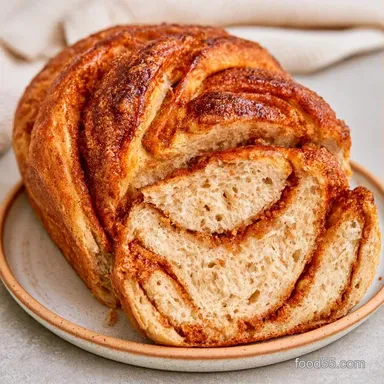
Golden Cinnamon Brown Sugar Sourdough Bread
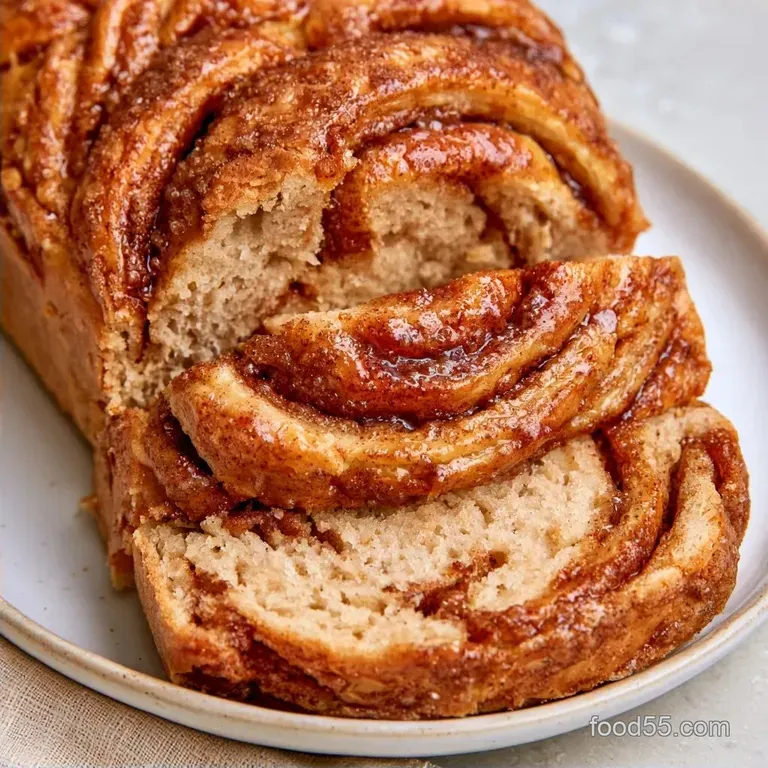
- Time: 30 min active + 23 hrs 30 mins resting/proofing
- Flavor/Texture Hook: A crisp, crackling crust with a bold, cinnamon-infused heart
- Perfect for: Leisurely morning treats or a celebratory holiday brunch
Cinnamon Brown Sugar Sourdough Bread
That aroma the way toasted cinnamon and melted brown sugar permeate every corner of the home. I thought I had the process figured out, but my early attempts were complete failures. I’d open my Dutch oven to find a blackened, sticky mess of caramelized sugar fused to the bottom.
Not only did it damage the pot, but it left the base of the bread gummy and underbaked.
The culprit was the "leak." While most guides explain how to roll and bake, they often overlook how to properly seal the edges. After several weekends experimenting with rolling tension and seam placement, I found the solution.
By pinching the edges firmly and baking the loaf seam side down, the sugar remains trapped inside the bread.
I now turn to this Cinnamon Brown Sugar Sourdough whenever I want a treat that feels more elevated than a standard loaf. The long fermentation adds a complexity that cuts through the sweetness of the cinnamon swirl.
Why This Bread Actually Works
Sugar Retardation: High amounts of sugar can actually slow down your yeast. We use a specific ratio here so the bread still gets a good lift without the sugar crushing the fermentation process.
Acid Balance: The tang of the sourdough starter acts like a pinch of salt in a caramel sauce. It balances the richness of the brown sugar, making the flavor more complex. If you're looking for other seasonal options, my pumpkin cinnamon sourdough uses a similar balance.
The Flour Buffer: Adding a tiny bit of all purpose flour to the cinnamon sugar mix prevents it from turning into a syrup too quickly in the oven. This keeps the swirl defined rather than letting it bleed into the crumb.
| Method | Time | Texture | Best For |
|---|---|---|---|
| Fresh Sourdough | 24 hours | Chewy, complex, crispy | Those who love the process |
| Shortcut (Pre made) | 4 hours | Softer, simpler, mild | A tighter deadline |
Choosing The Right Ingredients
The quality of your flour really matters here. Bread flour has the protein needed to hold up the heavy cinnamon sugar filling. If you use all purpose for the base, the loaf might flatten under the weight of the butter.
Dark brown sugar is the move here because of the molasses. It gives the swirl a deeper, almost toffee like flavor compared to light brown sugar. I also prefer unsalted butter so I can control the salt levels in the filling, which is what really makes the cinnamon pop.
For those who love the sweetness but want something smaller, sourdough apple muffins hit the spot.
| Original Ingredient | Substitute | Why It Works |
|---|---|---|
| Bread Flour (450g) | All Purpose Flour | Works in a pinch. Note: Loaf will be less airy |
| Dark Brown Sugar | Coconut Sugar | Similar depth. Note: Slightly grainier texture |
| Unsalted Butter | Coconut Oil (Solid) | Good vegan swap. Note: Adds a subtle coconut hint |
Essential Recipe Details
This loaf takes patience. You aren't just baking; you're managing a living culture over a full day. The 24 hour timeline ensures the flavor is developed and the gluten is strong enough to support the swirl.
Precision Checkpoints:
- Dough Temperature: Aim for 75-80°F (24-27°C) during bulk fermentation.
- Dough Growth: Look for a 50% increase in volume before shaping.
- Internal Temp: Bake until the center hits 205-210°F (96-99°C).
Tools For The Job
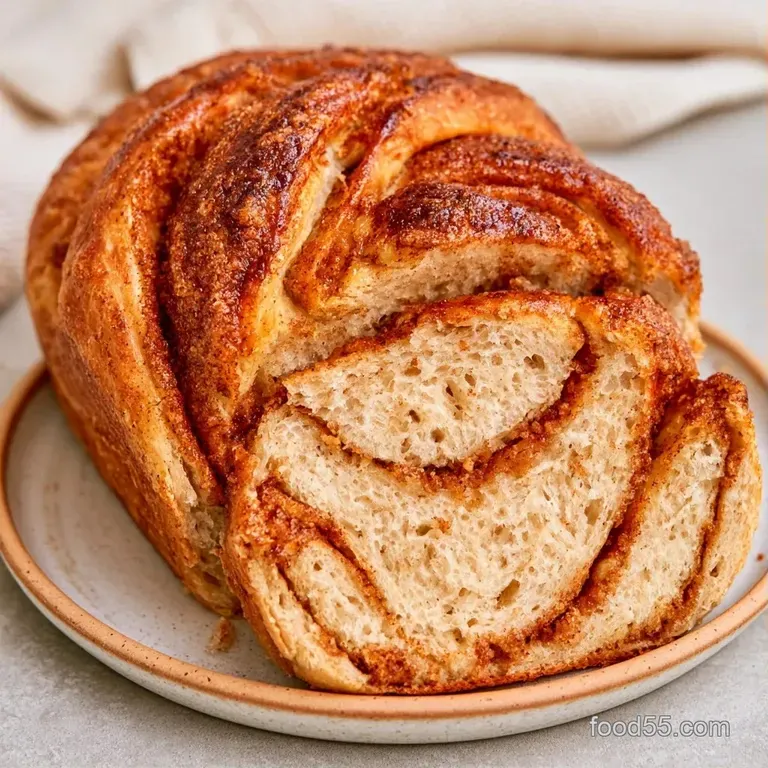
While you don't need a commercial kitchen, certain tools simplify the process. A digital scale is essential; relying on measuring cups for flour often results in bread that's far too dense.
A Dutch oven is the ideal choice here. By trapping the steam released by the dough, it ensures the crust stays supple so the loaf can reach its full volume. A sturdy lidded pot serves as a great alternative. You will also need a rolling pin or a smooth wine bottle to roll out the dough for the swirl.
Step by step Baking
Mix the base. Whisk the 100g active sourdough starter and 315ml warm water. Stir in 450g bread flour and 9g fine sea salt until a shaggy dough forms. Note: Don't overmix here; just get the flour hydrated.
Develop the gluten. Perform 4 sets of stretch and folds every 30 minutes. Grab an edge of the dough, pull it up, and fold it over itself. Repeat until the dough feels smooth and bounces back when poked.
Bulk fermentation. Cover the bowl and leave it in a warm spot. Let it rise until it has grown by about 50% and you see small bubbles on the surface.
Prep the filling. Mix 100g dark brown sugar, 15g ground cinnamon, 1.5g fine sea salt, and 16g all purpose flour in a small bowl.
Roll the dough. Turn the dough onto a floured surface. Gently roll it into a rectangle about 12x8 inches. Note: Be gentle so you don't pop all those fermentation bubbles.
Apply the swirl. Spread 55g of softened butter evenly across the dough. Sprinkle the cinnamon sugar mixture on top, pressing it lightly into the butter.
Roll and seal. Roll the dough tightly from the short end into a cylinder. Pinch the seam firmly with your fingers to lock the filling inside.
Final proof. Place the roll seam side down in your proofing basket or a lined bowl. Let it rest for 1-2 hours.
The bake. Preheat your oven and Dutch oven to 450°F (230°C). Carefully drop the dough in and bake for 20 mins with the lid on.
Finish the crust. Remove the lid and bake another 25 mins until the crust is a deep mahogany brown.
Fixing Common Baking Problems
If your loaf comes out flat, it's usually a timing issue. Either the dough was under proofed and didn't have the strength to rise, or it was over proofed and collapsed under its own weight. Pay attention to that 50% growth mark.
Another common issue is the "syrup leak." This happens when the filling melts faster than the dough sets. The trick is ensuring that seam is pinched tight and the loaf is placed seam side down. This creates a natural plug.
If the crumb feels gummy, you might have cut into it too early. Sourdough continues to cook as it cools. If you slice it while steaming, you'll trap that moisture and ruin the texture.
| Problem | Root Cause | Solution |
|---|---|---|
| Sugar leaking out | Loose seam seal | Pinch edges tighter and bake seam side down |
| Flat, dense loaf | Over proofing | Shorten the final rest by 30 minutes |
| Gummy interior | Sliced too early | Wait at least 2 hours before cutting |
Freshness And Storage Tips
Sourdough stays fresh longer than commercial bread, but the sugar in this recipe makes it a bit more prone to drying out. Keep it in a linen bag or a paper bag at room temperature for about 2 days.
For longer storage, slice the loaf first. Put the slices in a sealed freezer bag and freeze them for up to 3 months. To eat, just pop a slice straight into the toaster. It tastes just like it came out of the oven.
To avoid waste, use any stale ends for cinnamon toast. Brush them with butter and grill them in a pan. The residual sugar in the bread caramelizes beautifully, making old bread taste new again.
Best Pairings And Sides
This bread is rich, so it pairs well with things that have a bit of a bite. I love serving slices toasted with a thick slab of salted butter and a side of fresh, tart berries. The acidity of the fruit cuts through the brown sugar.
If you're serving this for brunch, pair it with a savory dish like soft scrambled eggs or avocado toast. The contrast between the sweet, cinnamon heavy bread and the salty eggs is a winner. A strong, black coffee is also a must to balance the sweetness.
Simple Ingredient Swaps
Adjust the filling to put your own spin on this loaf. For a citrusy twist, stir a teaspoon of orange zest into the cinnamon sugar mixture to brighten the flavor.
If you prefer a nuttier taste, fold in some chopped walnuts or pecans before rolling the dough. Just remember to toast the nuts first to prevent them from getting soggy.
| Goal | What to change |
|---|---|
| More depth | Use Muscovado sugar instead of brown |
| Lighter flavor | Swap cinnamon for cardamom |
| Extra crunch | Top with coarse sanding sugar before baking |
A few myths to clear up: You might hear that sugar "kills" sourdough starter. It doesn't actually kill it; it simply feeds the culture differently and can slow the rising process. As long as you don't overload the base dough with sugar, your starter will be just fine.
Another common misconception is that a Dutch oven is mandatory. It isn't, but you will need a pan of water at the bottom of your oven to create the steam necessary for that shattering crust.
Recipe FAQs
Can I add cinnamon and brown sugar to my sourdough bread?
Yes, these ingredients create a sweet, spiced flavor profile. Stir them in during the shaping or mixing stage to ensure even distribution throughout the loaf.
What does cinnamon do to sourdough dough?
Cinnamon can slightly slow down the fermentation process if used in large amounts. It adds a warm aroma and deepens the color of the crumb.
Is it true that adding brown sugar kills the sourdough starter?
Actually, no. While sugar affects yeast activity, the amount used here does not kill the starter, though it may alter the rise time.
How to incorporate the cinnamon sugar filling?
Mix the cinnamon, brown sugar, and butter into a paste. Spread this mixture over the dough during the shaping process before rolling it up.
Why is my cinnamon sourdough bread too dense?
This usually happens if the bulk fermentation is cut short. Ensure the dough grows by 50% and shows surface bubbles before shaping.
Will dark brown sugar change the texture?
Dark brown sugar adds more moisture and a deeper molasses flavor than light brown sugar. If you enjoyed working with the high hydration dough here, see how we adapt it for sourdough dinner rolls.
Does the salt amount change with the sugar?
No, keep the salt ratios the same to balance the sweetness. Salt regulates the yeast and strengthens the gluten structure of the bread.
Cinnamon Brown Sugar Sourdough