Easy New Years Cocktails: the 15-Minute Celebration Pour
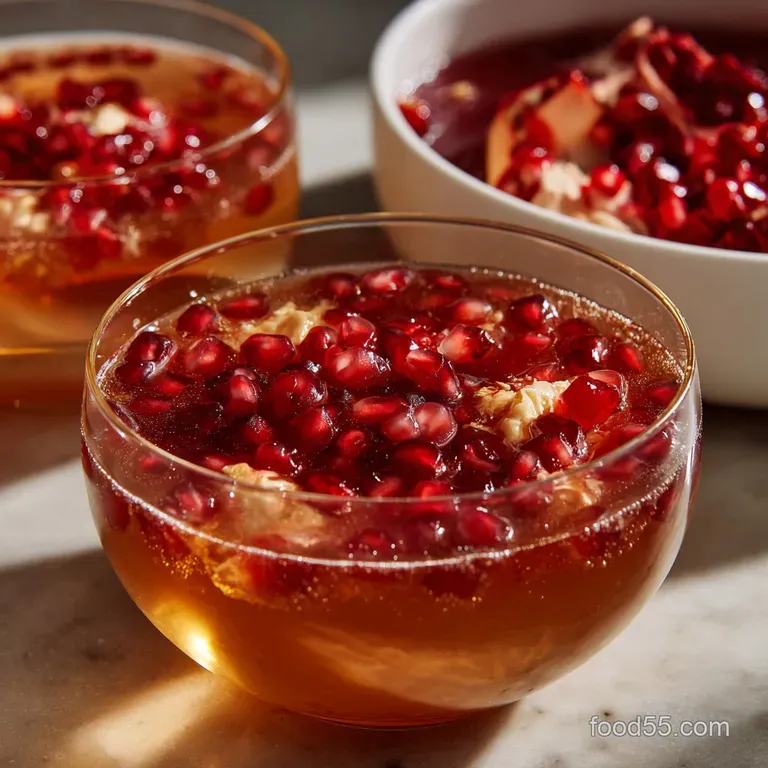
- Effort/Time: 15 minutes of active assembly (Zero-cook protocol).
- Flavor Hook: Sharp ginger-heat meets the tart snap of pomegranate arils and the crisp effervescence of Brut Champagne.
- Perfect for: High-volume New Year’s Eve parties requiring consistent, restaurant-quality results without a dedicated bartender.
- Crafting the Ultimate Effervescent Easy New Years Cocktails
- The Molecular Harmony of Bubbles and Botanicals
- Quantifiable Logistics for Your Midnight Celebration
- The Curated Pantry: Essential Elements for Festive Drinks
- Precision Barware for Flawless Fluid Dynamics
- The Sequential Architecture of a Balanced Pour
- Why Your Bubbles Go Flat: Troubleshooting Fluid Mechanics
- Flavor Architecture for Custom Easy New Years Cocktails
- Maintaining Carbonation and Freshness Standards
- ⚗️ The Scaling Lab: The Physics of Quantity
- Aesthetic Execution and Sensory Presentation
- Recipe FAQs
- 📝 Recipe Card
Crafting the Ultimate Effervescent Easy New Years Cocktails
The sound of a flat bottle of Champagne opening at 11:59 PM is the ultimate festive nightmare. There is nothing more disappointing than spending $100 on premium spirits only to end up with a cloyingly sweet, watery mess that leaves your guests hunting for the water pitcher.
When the balance of acidity and sugar is off, the ethanol burn becomes aggressive rather than integrated, turning your sophisticated celebration into a textural failure that tastes more like cough syrup than a high end beverage.
I’ll be the first to admit I’ve ruined my fair share of holiday gatherings. One year, I pre-mixed a massive batch of Easy New Years Cocktails five hours early, thinking I was being efficient.
By the time the ball dropped, the lime juice had oxidized into a metallic bitterness, and the ginger syrup had settled into a sludge at the bottom of the bowl. It was a humbling lesson in the volatile chemistry of citrus and the physics of suspension I ended up pouring twenty servings of "gray juice" down the drain while my friends toasted with plain tap water.
The secret to a "Masterclass" level drink isn't just buying the most expensive gin; it's understanding the cold chain integrity and the Brix scale balance.
By chilling your glassware to -4°F and using a high tannin base like 100% pomegranate juice, you create a structural framework that supports the carbonation rather than collapsing it.
The result is a drink with a shattering crispness and a velvety finish that maintains its integrity from the first pour to the midnight toast.
The Molecular Harmony of Bubbles and Botanicals
- Carbonation Solubility: Low temperatures increase CO2 solubility (Henry’s Law), ensuring the bubbles stay trapped in the liquid rather than escaping as gas.
- Tannic Structure: The polyphenols in pomegranate juice provide a "grip" on the palate, mimicking the dry mouthfeel of a high end red wine.
- Ethanol Solvency: Alcohol acts as a solvent, extracting the essential oils from the fresh rosemary sprigs to create a multi dimensional aromatic profile.
- Viscosity Control: The ginger simple syrup adds density to the liquid, allowing the pomegranate arils to remain suspended longer rather than sinking immediately.
Quantifiable Logistics for Your Midnight Celebration
| Metric | Value |
|---|---|
| Recipe Yield | 12 servings |
| Prep Time | 15 minutes |
| Cook Time | 0 minutes |
| Calories Per Serving | 224 kcal |
| Carbohydrates | 24.8 g |
| Sugar Content | 21.2 g |
The Curated Pantry: Essential Elements for Festive Drinks
- 2 cups Premium Gin or Vodka: Why this? High proof ethanol acts as the primary flavor carrier for the botanical aromatics.
- 3 cups 100% Pomegranate juice, unsweetened: Why this? Anthocyanins provide deep color and a sharp, acidic counterpoint to the sugar.
- 1/2 cup Freshly squeezed lime juice: Why this? Citric acid provides the "high notes" that brighten the darker fruit flavors.
- 3/4 cup Ginger simple syrup: Why this? Gingerol provides a warming heat that simulates the complexity of aged spirits.
- 2 cups Chilled Sparkling Water: Use San Pellegrino for its tight, persistent bubble structure.
- 750 ml Chilled Brut Champagne or Dry Prosecco: Use Veuve Clicquot or a dry La Marca Prosecco to ensure the drink remains crisp, not sugary.
- 1 cup Fresh pomegranate arils: These add a "shatter" texture and bursts of fresh juice.
- 12 sprigs Fresh rosemary: Provides the olfactory "forest" scent essential for winter cocktails.
- 2 Limes, thinly sliced into wheels: Essential for visual aesthetics and a hint of peel oil.
Ingredient Chemistry Breakdown
| Ingredient | Chemical/Physical Role (Science) | The Pro Secret (Why This Matters) |
|---|---|---|
| Premium Gin | Botanical terpene suspension | Alcohol binds to aroma molecules, releasing them slowly as the drink warms. |
| Pomegranate Juice | Polyphenol driven astringency | Creates "structure" so the drink doesn't taste like flat soda. |
| Ginger Syrup | Sucrose induced viscosity | Increases "mouthfeel" and slows the melting rate of added ice. |
Precision Barware for Flawless Fluid Dynamics
To achieve professional results with these Easy New Years Cocktails, you need tools that manage temperature and aeration. I recommend a Lodge Cast Iron Enamel Dutch Oven (used as an insulated ice bucket) or a YETI Rambler Beverage Bucket to keep your base mix at a constant 33°F.
For mixing, a Viski Professional Glass Mixing Pitcher is superior to plastic because glass has a higher thermal mass, keeping the liquid colder for longer. Finally, use a Barfly Japanese Precision Jigger for the gin cocktail balance is a game of milliliters, and "eyeballing" it is the fastest way to ruin the Brix ratio.
The Sequential Architecture of a Balanced Pour
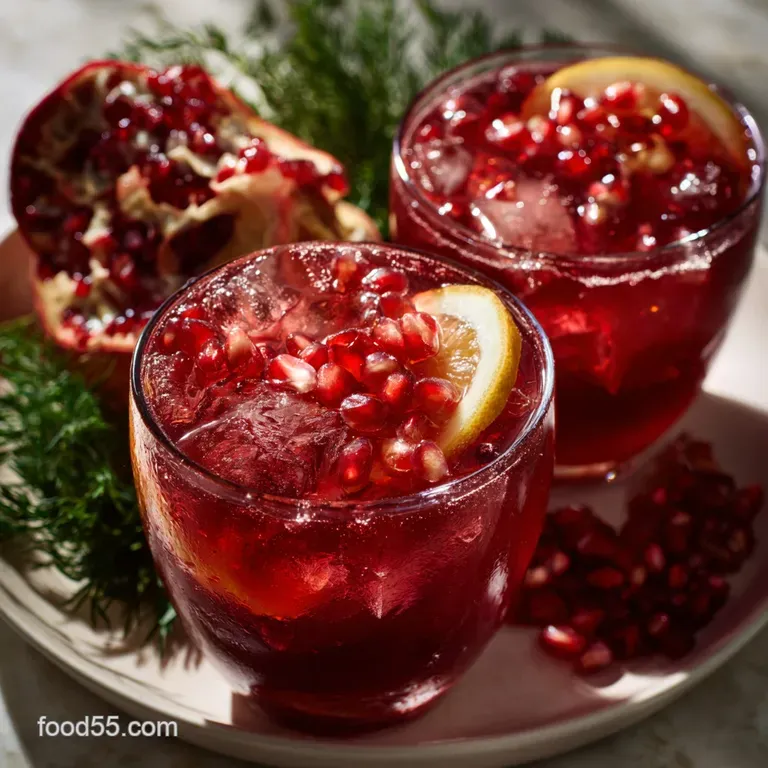
- Chill all liquid ingredients for at least 4 hours until they reach 35°F or lower. Note: This prevents the ice from melting instantly upon contact.
- Place the gin (or vodka) and ginger syrup into a large glass pitcher. Note: Mixing the densest liquids first ensures a homogenous base.
- Pour the pomegranate juice and lime juice into the pitcher until the liquid turns a deep, translucent ruby color.
- Stir gently with a long bar spoon for 15 seconds until the ginger syrup is fully incorporated into the juice base.
- Add the 1 cup of pomegranate arils to the mixture. Note: These act as tiny "ice cubes" that won't dilute the drink.
- Slide the lime wheels down the interior sides of the pitcher until they are submerged and visible through the glass.
- Incorporate the chilled sparkling water slowly until small bubbles begin to rise to the surface.
- Uncork the 750 ml of Brut Champagne and pour it at a 45 degree angle. Note: This minimizes foam over and preserves the "mousse" of the wine.
- Submerge 6 of the rosemary sprigs into the liquid until the resinous scent of pine becomes noticeable.
- Serve immediately by pouring into chilled flutes, garnishing each with a fresh rosemary sprig until the aroma hits the guest before the first sip.
Chef’s Tip: To take these Easy New Years Cocktails to the next level, freeze your pomegranate arils for 2 hours before adding them. They will act as thermal sinks, keeping the punch ice-cold for 45 minutes without a single drop of dilution.
Why Your Bubbles Go Flat: Troubleshooting Fluid Mechanics
Carbonation Dissipating Too Quickly
When CO2 escapes the liquid, it's usually due to "nucleation sites." If your pitcher or glasses have tiny scratches or dust, the gas bubbles cling to those spots and escape. This is a common issue with Easy New Years Cocktails served in older glassware. Always hand polish your flutes with a microfiber cloth to ensure a smooth surface that keeps the fizz trapped. This technique is similar to the precision needed for a Homemade Soft Pretzels recipe where surface pH dictates the final texture.
Too Much Tartness (Acid Imbalance)
| Problem | Root Cause | The Fix | Pro Protocol |
|---|---|---|---|
| Harsh Acid | Lime juice ratio vs. Ginger sugar | Add 1 tbsp extra syrup | Balance the pH by testing a 1oz sample first. |
| Metallic Aftertaste | Oxidized lime juice | Use fresh squeezed only | Squeeze limes no more than 1 hour before serving. |
| Cloying Sweetness | Low carbonation | Add more Brut Champagne | Bubbles provide "lift" that cuts through sugar density. |
Flavor Architecture for Custom Easy New Years Cocktails
- The Spiced Winter Twist: Swap the gin for a spiced rum. The molasses notes in the rum pair beautifully with the ginger, though it will darken the color significantly.
- The Midnight Gold Variation: Add a pinch of edible gold luster dust to the pitcher. The carbonation keeps the dust swirling, creating a "snow globe" effect.
- The Low-Sugar "Skinny" Option: Substitute the ginger syrup with fresh ginger juice and a stevia based simple syrup. Note: This will result in a thinner mouthfeel as the viscosity of sucrose is lost.
- Non-Alcoholic Mocktail Version: Replace the gin with a botanical non-alcoholic spirit (like Seedlip) and the Champagne with a sparkling white grape juice. This keeps the festive aesthetic for everyone.
For those planning a full party spread, these drinks are a natural partner for a New Years Eve recipe like a masterfully assembled charcuterie board, as the acidity of the pomegranate cuts through the fat of the cheeses.
Maintaining Carbonation and Freshness Standards
Easy New Years Cocktails are best enjoyed within 30 minutes of mixing to ensure peak effervescence. However, you can prep the "Flavor Base" (everything except the sparkling water and Champagne) up to 24 hours in advance.
Store this base in an airtight glass jar in the coldest part of your fridge.
Freezing: Do not freeze the fully assembled cocktail, as the carbonation will be lost. However, you can freeze the pomegranate juice/lime juice mixture in ice cube trays. Zero Waste Philosophy: Don't discard the leftover rosemary stems.
Transform: Simmer them with equal parts sugar and water to create a rosemary simple syrup for tomorrow's coffee. Science: The stems contain high concentrations of cineole, which provides a piney, savory depth even after the leaves are gone.
⚗️ The Scaling Lab: The Physics of Quantity
When doubling this recipe for a crowd, remember that Flavor Saturation is non-linear. If you make 24 servings, use only 1.25 cups of lime juice instead of a full double (1 cup). Acid and spice (ginger) can become overwhelming when scaled up too aggressively.
Regarding Thermal Mass, a double batch of liquid stays cold longer than a single serving, but it also takes longer to chill initially. If you are doubling the volume, your "pull temp" from the fridge must be 33°F. Because the surface area of a large punch bowl is greater than a pitcher, carbonation will escape 20% faster. The Fix: Add the Champagne in stages (half at the start, half 20 minutes later) to maintain a consistent "sizzle" throughout the hour. This is as critical as the temperature control required for a silky Alfredo Sauce Recipe.
Aesthetic Execution and Sensory Presentation
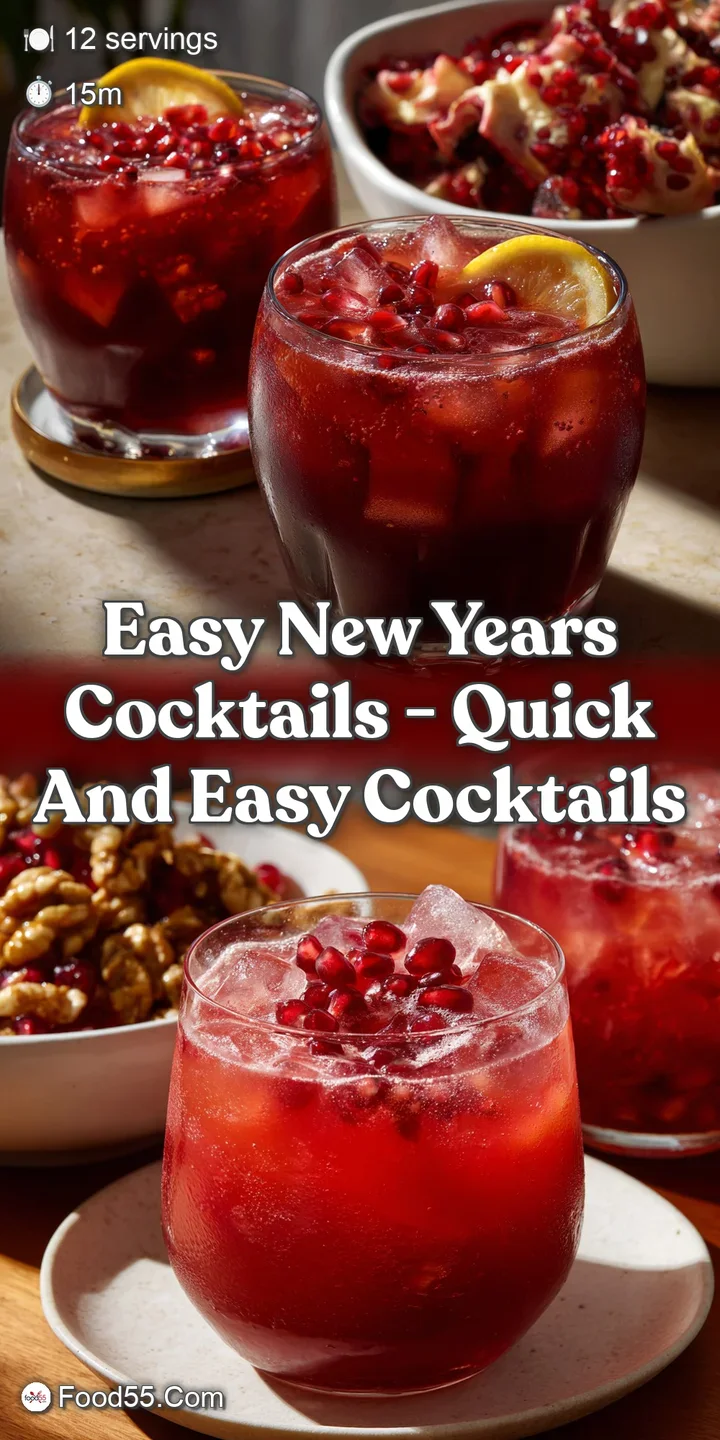
The final presentation of these Easy New Years Cocktails should focus on the contrast between the deep mahogany red of the juice and the bright green of the rosemary.
The Sugared Rim: Rub a lime wedge around the rim of each flute and dip it into a mix of white sugar and dried lime zest. It creates a "shatter" of sweetness before the tart liquid hits the tongue.
The Floating Ice Ring: If using a punch bowl, freeze a ring of pomegranate juice and lime wheels. This prevents dilution while providing a visual centerpiece.
Myth: Using expensive Champagne in a cocktail is a waste. Truth: While you don't need a vintage bottle, the "mousse" (bubble quality) of a mid-range Brut provides a structural elegance that cheap sparkling wines cannot replicate.
The finer the bubbles, the more "velvety" the mouthfeel of your Easy New Years Cocktails.
Recipe FAQs
What is the ideal serving temperature for this cocktail base?
33°F to 35°F is optimal for pre-mixing. Cold temperatures drastically increase CO2 solubility per Henry’s Law, trapping bubbles longer. If the base is warmer than 40°F, the added Champagne loses effervescence immediately.
Can I substitute vodka for the gin in this recipe?
Vodka provides a neutral base, but lacks complexity. Gin’s botanical compounds (terpenes) bind with the alcohol solvent to create layered aromatics. Vodka offers clean ethanol, similar to the pure base required for a perfect Classic Deviled Eggs: The Easy, Silky Smooth Recipe for Picnics base.
What technique keeps the pomegranate arils suspended?
Ginger syrup increases liquid viscosity, preventing immediate sinking. The dissolved sucrose molecules in the syrup raise the density of the mixture, effectively increasing the fluid's internal resistance to gravitational settling.
- Use 3/4 cup minimum ginger syrup
- Gently fold ingredients post addition
- Avoid aggressive stirring after adding arils
Myth: Adding ice directly to the punch bowl is acceptable.
Myth: Adding standard ice directly to the punch bowl is acceptable. Reality: Regular ice melts too quickly, causing immediate dilution and lowering the temperature below the CO2 retention threshold.
What is the best way to pre-chill glassware for maximum chill retention?
Flash freezing in a commercial freezer provides the coldest glass surface. Standard home freezers achieve about 0°F, but blast chillers reach -4°F, which significantly slows initial thermal transfer when the liquid is poured.
Should I use Prosecco or Brut Champagne for the topping?
Brut Champagne offers a finer, more persistent bubble structure. Prosecco generally has larger, more aggressive bubbles which dissipate faster, reducing the long term "shatter" of the final cocktail.
Myth: Over mixing the base ruins the flavor.
Myth: Over mixing the base ruins the flavor. Truth: Gentle mixing (15 seconds) is required to fully emulsify the syrup and juice, but excessive agitation risks premature oxidation of the lime juice, introducing a metallic off-note.
Easy New Years Cocktails
Ingredients:
Instructions:
Nutrition Facts:
| Calories | 224 kcal |
|---|---|
| Protein | 0.4 g |
| Fat | 0.1 g |
| Carbs | 24.8 g |
| Fiber | 0.8 g |
| Sugar | 21.2 g |
| Sodium | 12 mg |
