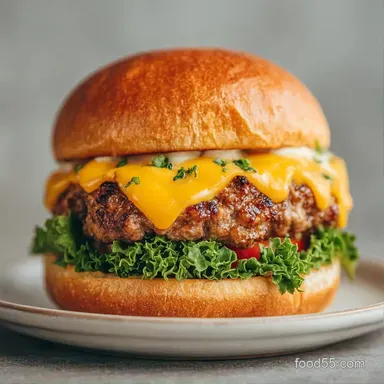
Grilled 4Th of July Burgers: Juicy and Charred
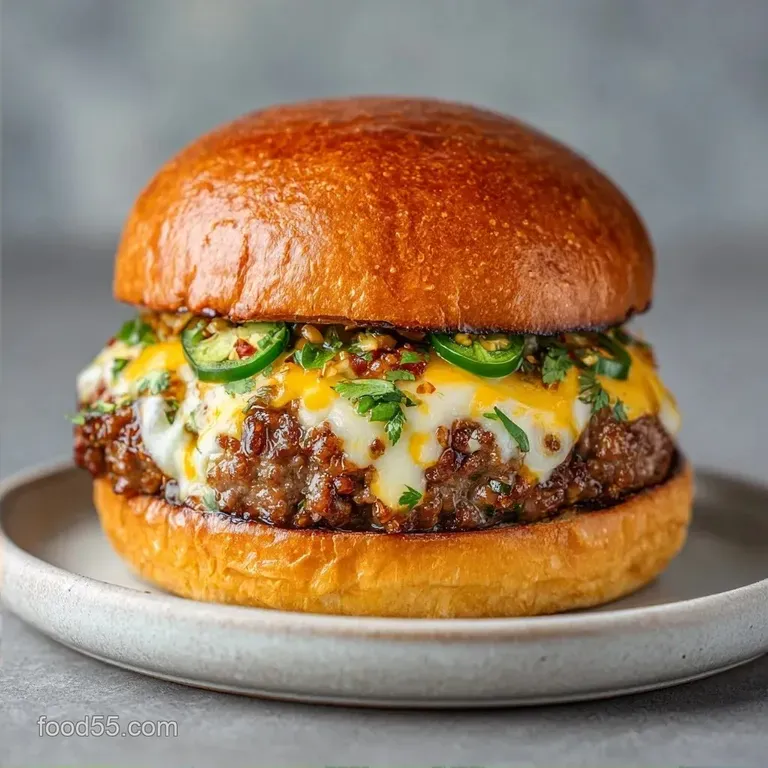
- Time: 15 min active + 10 min cook
- Flavor/Texture Hook: Charred, salty crust with a velvety center
- Perfect for: Family gatherings and outdoor parties
That sudden hiss when the cold beef hits a 450 degree grate is the best sound in the world. I remember one year I tried to be "healthy" and used 90/10 lean beef for a party. It was a disaster. The patties shrank into hard, dry little hockey pucks that tasted like cardboard.
My guests were polite, but the look on their faces told me everything.
The secret is the 80/20 ground chuck. It's the hero of this entire meal. That 20% fat isn't just for calories; it's what creates the sizzle and keeps the burger from turning into a brick. When that fat renders, it bashes the meat with flavor and creates a crust that holds everything together.
You can expect a burger that feels substantial but doesn't fall apart. We're talking about a juicy, salty patty nestled in a buttery toasted bun. These Grilled 4th of July Burgers are designed to be simple, focusing on heat and timing rather than fancy fillers.
Grilled 4th of July Burgers
Fat Saturation: The 20% fat in ground chuck melts during grilling, creating internal pockets of moisture that prevent the meat from drying out.
Surface Drying: Patting the meat dry removes excess moisture, allowing the heat to sear the meat immediately instead of steaming it.
The Dimple Effect: Pressing a thumbprint into the center prevents the patty from puffing up into a ball, ensuring a flat surface for toppings.
Salt Timing: Adding salt only right before grilling prevents the meat from curing and becoming rubbery like a sausage.
| Thickness | Temp | Rest | Doneness Cue |
|---|---|---|---|
| 1 inch | 450°F | 3 mins | Firm but bouncy center |
| 1.5 inch | 400°F | 5 mins | Springy with red center |
| 0.5 inch | 475°F | 2 mins | Firm and browned throughout |
Component Analysis
| Ingredient | Science Role | Pro Secret |
|---|---|---|
| 80/20 Ground Chuck | Flavor & Moisture | Keep it ice cold until it hits the grill |
| Brioche Bun | Structural Support | Butter the edges for a deep gold color |
| Sharp Cheddar | Flavor Contrast | Use thick slices to avoid immediate melting |
| Kosher Salt | Protein Binding | Use coarse grains for a better crust |
Ingredients
For the Patties
- 1.5 lb 80/20 ground chuckWhy this? Ideal fat ratio for juiciness and char
- 1 tsp kosher saltWhy this? Large grains don't over salt the surface
- 1 tsp coarse black pepperWhy this? Adds a sharp, pungent bite
- 1 tbsp vegetable oilWhy this? High smoke point prevents burning
For the Assembly
- 4 brioche bunsWhy this? High butter content toasts beautifully
- 4 slices sharp cheddar cheeseWhy this? Strong flavor that cuts through the fat
- 1 cup iceberg lettuce, shreddedWhy this? Provides a cold, watery crunch
- 1 large beefsteak tomato, slicedWhy this? Thick slices hold up to the heat
- 4 slices red onion, thinly slicedWhy this? Adds a crisp, sharp contrast
- 1/2 cup mayonnaiseWhy this? Acts as a moisture barrier for the bun
| Original Ingredient | Substitute | Why It Works |
|---|---|---|
| Ground Chuck | Ground Brisket | Higher fat content. Note: Even richer flavor, more flare ups |
| Brioche Bun | Potato Roll | Similar softness. Note: Slightly less buttery taste |
| Sharp Cheddar | Pepper Jack | Similar melting point. Note: Adds a spicy kick |
| Mayonnaise | Garlic Aioli | Similar fat base. Note: Adds a pungent, savory punch |
Equipment Needed
You don't need a professional kitchen for this, but a few things make it easier. A heavy duty grill is a must, whether it's charcoal or gas. I prefer a grill with a lid because it helps melt the cheese faster without overcooking the meat.
A wide metal spatula is your best friend here. Avoid the thin, flimsy ones that bend under the weight of a 6 oz patty. You want something that can slide under the meat and flip it in one clean motion.
Finally, keep a platter ready. Moving the burgers directly from the grill to a plate allows them to rest, which is a step most people skip. If you put them straight on the bun, the juices will soak through the bread and make it soggy.
How to Make It
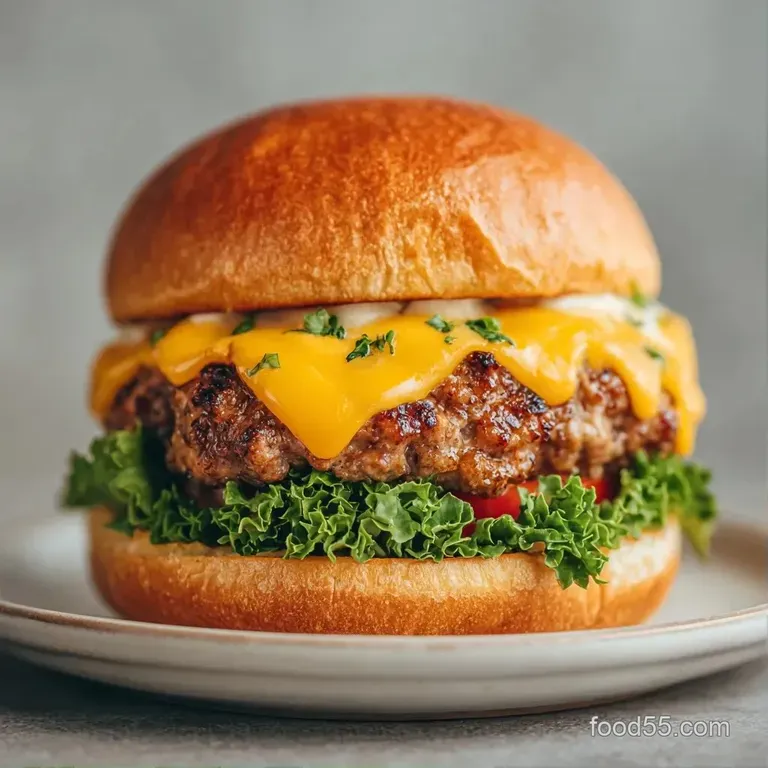
Phase 1: The Rapid Prep
Gently shape the cold ground beef into four 6 oz patties, roughly 1 inch thick, and use your thumb to create a shallow indentation in the center of each. Note: Don't over knead the meat or it will become dense.
Pat the patty surfaces dry with a paper towel and season generously with salt and pepper immediately before grilling. Note: This creates the crust.
Phase 2: The over High heat Sear
Preheat the grill to high (approximately 450°F/230°C) and brush the grates with vegetable oil. Note: Oil prevents the beef from sticking.
Place patties on the hottest part of the grill and sear for 4–5 minutes per side without pressing down with the spatula. Listen for a loud sizzle and look for a deep brown crust.
During the final 60 seconds of cooking, place a slice of cheddar cheese on each patty and close the grill lid to melt the cheese. Note: The lid creates an oven effect.
Phase 3: The Finishing Touch
Remove burgers from the grill and let them rest on a platter for 3 minutes. The meat should feel firm but have a slight give.
Toast the sliced brioche buns on the grill for 30 seconds until golden brown. Note: Watch these closely, they burn fast.
Assemble by spreading mayonnaise on the bottom bun, then adding lettuce, the patty, tomato, and onion. Note: Lettuce on the bottom protects the bun from meat juices.
Avoiding Kitchen Disasters
One of the biggest issues I've seen is the "burger shrink." This usually happens when the meat is too lean or when you press down on the patty with a spatula. Pressing the meat forces the juices out into the fire, which causes flare ups and leaves you with a dry burger.
Another common problem is the bun falling apart. This happens when you add too many wet ingredients (like tomato or raw onion) directly onto the bread. By spreading mayonnaise first, you create a fat based seal that keeps the bread toasted and crisp.
Burger Shrinkage Causes
If your burger looks like a pancake after grilling, you likely over worked the meat. When you squeeze the beef too hard during shaping, you break the protein bonds. According to guidelines from Serious Eats, handling the meat as little as possible preserves the airy texture.
Grease Flare up Fixes
Flare ups happen when fat drips onto the burners. If the flames get too high, simply move the patties to a cooler part of the grill for a minute. Don't panic and move them constantly, or you'll lose your sear.
| Problem | Root Cause | Solution |
|---|---|---|
| Patty falling apart | Too much handling/low fat | Form patties gently; use 80/20 beef |
| Burnt outside, raw inside | Grill temperature too high | Lower heat to 400°F and cook longer |
| Soggy bottom bun | Juices soaking into bread | Add mayo layer and let meat rest |
Common Mistakes Checklist
- ✓ Never press the patties with a spatula
- ✓ Season only right before they hit the grill
- ✓ Keep the beef cold until the last second
- ✓ Always let the meat rest for 3 minutes
- ✓ Toast the buns for exactly 30 seconds
Adjusting Batch Sizes
When you're making these for a crowd, don't just multiply everything and throw it all on the grill at once. If you crowd the grill, the temperature drops, and the meat will steam instead of sear. Work in batches of four to six patties.
For the seasoning, don't double the salt linearly. If you're making 12 burgers, start with 2.5 tsp of salt instead of 3. It's easier to add a pinch more at the end than to fix a salt bomb.
If you're using a smaller grill, you might need to lower the temperature by about 25°F to prevent the outside from burning before the inside is done. Give the patties an extra minute of resting time if they are thicker than 1 inch.
| Goal | Action | Result |
|---|---|---|
| More guests | Cook in batches of 4-6 | Maintains high sear temp |
| Leaner meat | Add 1 tbsp olive oil to mix | Mimics fat for moisture |
| Extra Char | Use charcoal instead of gas | More smoky, charred flavor |
Beef Beliefs
Many people think that searing the meat "seals in the juices." This is actually a myth. Searing creates flavor through browning, but it doesn't create a waterproof barrier. The moisture loss happens regardless of how you sear it.
Another common misconception is that you should add eggs or breadcrumbs to the beef. Unless you're making a meatloaf, avoid this. A real burger should just be beef, salt, and pepper. Adding fillers changes the texture and dilutes the beefy flavor.
Storage Guidelines
If you have leftover patties, store them in an airtight container in the fridge for up to 3 days. To reheat them without drying them out, use a skillet over medium heat with a teaspoon of water and a lid. The steam will wake up the juices.
For the toppings, keep the sliced onions and tomatoes in separate containers. This prevents the onions from making the tomatoes taste like sulfur. Shredded lettuce should be stored in a damp paper towel to keep it from wilting.
Zero Waste Tip: Don't throw away the onion skins or the tomato cores. You can toss the onion skins into a pot of water with some peppercorns to make a quick vegetable broth. The tomato cores can be frozen and used later in a homemade pasta sauce for extra depth.
Pairing Ideas
These burgers are heavy and rich, so you need something acidic or creamy to balance them out. A side of chunky authentic guacamole adds a fresh, buttery contrast that works perfectly with the charred beef.
If you want to lean into the BBQ theme, serve these alongside some classic backyard BBQ ribs. The sweetness of the rib glaze plays well with the saltiness of the cheddar cheese on the burgers.
For a condiment twist, skip the store-bought ketchup and whip up some smoky chipotle ketchup to give the meal a bit of a spicy kick. It cuts through the fat of the 80/20 beef and makes the whole plate feel more cohesive.
Recipe FAQs
Can you grill burgers ahead of time for a party?
No, it is best to grill them fresh. Cooking in advance often leads to overcooked, dry meat. If you must prepare early, undercook them slightly and reheat them in a skillet.
What are the best 4th of July side dishes to bring to a BBQ?
Corn on the cob, potato salad, and coleslaw are classic pairings. To elevate the meal, serve these alongside a rich flavor BBQ sauce for dipping the patties.
Is it true that pressing the patty with a spatula makes it cook faster?
No, this is a common misconception. Pressing the meat squeezes out essential juices, resulting in a drier burger and causing grease flare-ups on the grill.
How to prevent burgers from puffing up in the center?
Create a shallow indentation in the center of each patty with your thumb. This allows the meat to expand evenly during searing so the burger stays flat.
How to reheat leftover burgers without drying them out?
Use a skillet over medium heat with a teaspoon of water and a lid. The steam helps re-hydrate the beef and wakes up the juices.
Can I use a different meat than 80/20 ground chuck?
Stick with 80/20 ground chuck. This specific fat ratio is necessary to maintain moisture and flavor when searing at high temperatures like 450°F.
How long should the burgers rest before serving?
Let them rest for 3 minutes on a platter. This ensures the juices redistribute throughout the patty for a more tender and juicy burger.
Grilled 4th of July Burgers in 25 Minutes