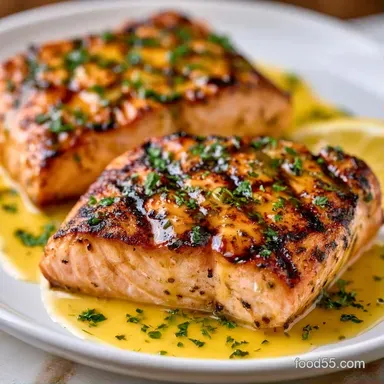
Healthy Grilled Salmon Lemon Sauce
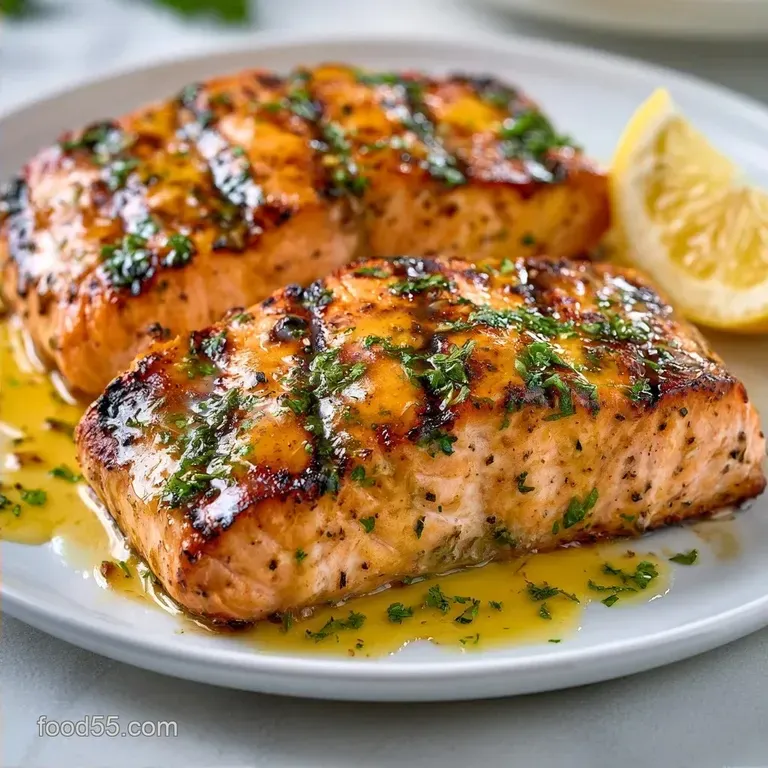
- Time: 5 min active + 10 min cooking
- Flavor/Texture Hook: Charred exterior with a velvety, bright sauce
- Perfect for: Seasonal dinner parties or a fresh weekend meal
Imagine the sound of a hot grill sizzling the moment the fish hits the grates. There is something about a summer evening, the smell of charcoal and lemon in the air, that makes a meal feel like an event. I remember the first time I hosted a backyard dinner for my extended family.
I wanted something that felt sophisticated but didn't keep me trapped in the kitchen while everyone else had a drink in their hand.
That is where this approach comes in. I used to overthink the prep, but I found that keeping the fish simple and letting the sauce do the heavy lifting is the way to go. You get those beautiful grill marks and a flaky center, topped with a sauce that tastes like a professional bistro made it.
This Grilled Salmon Lemon Sauce is designed for those moments. Whether it is a fancy anniversary dinner or just a Tuesday when you want to feel a bit more pampered, it hits the mark. It is vibrant, fresh, and relies on a few high-quality ingredients to bring the whole plate together.
Grilled Salmon Lemon Sauce
The goal here is a balance of temperatures and textures. You want the skin to be crisp and the flesh to be just barely opaque in the center. The sauce provides a cool, acidic contrast that cuts through the natural oils of the salmon.
I have found that the biggest mistake is rushing the heat. If your grill isn't screaming hot, the fish will stick and tear. Once you nail the sear, the rest is just simple mixing. This Grilled Salmon Lemon Sauce depends on that initial char to provide a smoky base for the lemon butter to cling to.
It is a dish that celebrates the season. I love using local, sustainably sourced fillets when I can. The freshness of the fish really lets the lemon and dill shine without needing a ton of extra seasoning.
Techniques That Actually Work
Instead of overcomplicating things, focus on these three specific points to ensure the fish stays moist and the sauce stays smooth.
- Dry Surface: Patting the salmon with paper towels removes surface moisture. This allows the fish to brown in 4-5 minutes rather than steaming in its own juices.
- The Carry over: Pulling the fish at 135°F (57°C) is a must. The internal temperature will climb a few more degrees while resting, bringing it to a juicy medium.
- Vigorous Whisking: Combining the melted butter and lemon juice quickly creates a stable emulsion. If you stir too slowly, the butter might separate, leaving you with an oily puddle.
For those who love a rich finish, you might also enjoy my Cowboy Butter Sauce, which uses a similar fat and acid base but adds a punchier garlic and herb profile.
| Method | Time | Texture | Best For |
|---|---|---|---|
| Grill (Fast) | 10 min | Charred & Firm | Weeknight Dinners |
| Slow Roast | 25 min | Tender & Moist | Formal Occasions |
| Pan Sear | 12 min | Crispy Skin | Single Servings |
Recipe Specifications
This recipe is built for speed and precision. Because salmon can go from underdone to dry in a matter of sixty seconds, sticking to the timings is helpful.
- Active Prep:5 minutes
- Total Cook Time:10 minutes
- Target Internal Temp:135°F (57°C)
- Yield: 4 servings (6 oz fillets)
The Ingredient List
Stick to fresh citrus here. Bottled lemon juice lacks the bright, floral notes that make this recipe pop.
For the Salmon: 4 (6 oz) salmon fillets, skin on Why this? Skin protects the flesh from the direct heat of the grill. 1 tbsp olive oil Why this? High smoke point prevents burning on the grill. ½ tsp sea salt ¼ tsp cracked
Black pepper
For the Lemon Sauce: 2 tbsp unsalted butter, melted Why this? Provides the rich, creamy base for the emulsion. 1 tbsp extra virgin olive oil 2 tbsp fresh lemon juice Why this? Essential acidity to balance the fatty fish. 1 tsp fresh lemon
Zest 2 cloves garlic, minced 1 tbsp fresh dill or parsley, finely chopped Pinch of salt and pepper
| Ingredient | What It Does | Best Swap |
|---|---|---|
| Lemon Juice | Cuts through the fat | Lime juice |
| Unsalted Butter | Adds richness | Ghee or Vegan Butter |
| Fresh Dill | Adds herbal brightness | Fresh Parsley |
Tools For The Grill
You don't need a professional kitchen, but a few specific tools make this easier. A fish spatula is a lifesaver because it is thin and flexible, allowing you to slide under the fillets without breaking the crust.
An instant read thermometer is the only way to be 100% sure about doneness. I've lost too many fillets to "guessing" based on color. For the sauce, a small stainless steel bowl and a whisk are sufficient to get that smooth, opaque finish.
Putting It All Together
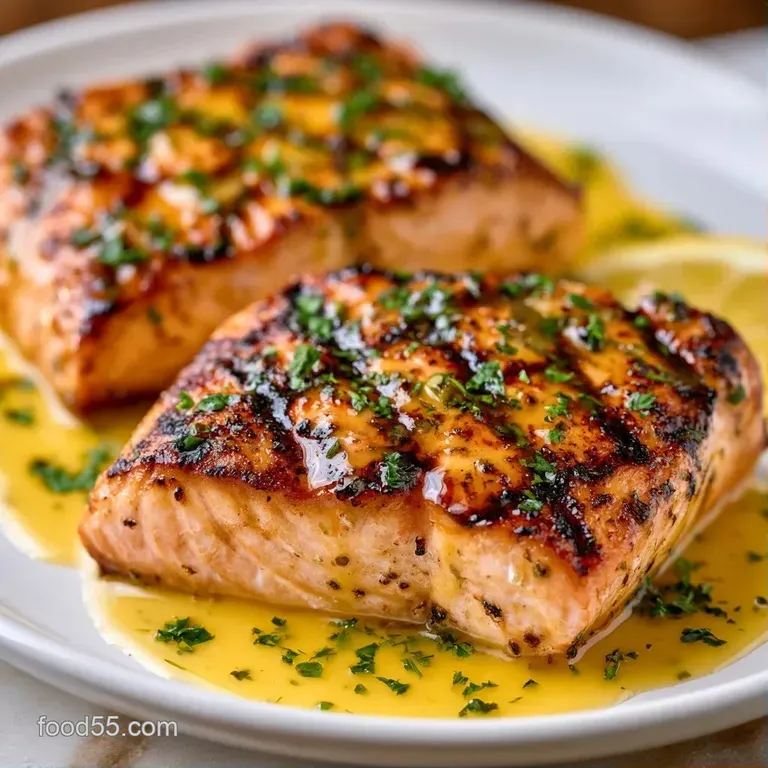
Right then, let's get to the cooking. Make sure your grill is preheated and the grates are clean.
- Pat the salmon fillets completely dry with paper towels. Note: This prevents sticking and ensures a better sear.
- Rub each fillet with olive oil, salt, and pepper.
- Preheat the grill to medium high heat.
- Place fillets skin side down on the grill.
- Sear for 4-5 minutes until the skin releases easily from the grate.
- Flip carefully using a fish spatula.
- Cook for another 3-4 minutes until the internal temperature reaches 135°F (57°C).
- Remove from heat and let the fish rest on a plate for 2-3 minutes.
- Combine melted butter, olive oil, lemon juice, and lemon zest in a bowl.
- Whisk vigorously until the sauce looks opaque and.
- Stir in minced garlic and chopped herbs just before pouring over the salmon.
Fixing Common Salmon Issues
Even with a plan, things happen. The most common issue is the fish sticking to the grill, which usually happens if the grate isn't hot enough or the fish was too wet.
The Salmon is Sticking
If the fillet won't budge, don't force it. Usually, the fish will naturally release once a proper crust has formed. If it's still stuck after 5 minutes, your grill may be too cool.
The Sauce is Separated
If you see beads of oil floating on top of the lemon juice, the emulsion broke. This happens if the butter was too hot or the whisking was too slow.
The Fish is Dry
Overcooking salmon happens fast. If the flakes are stark white and the fish feels firm to the touch, it has gone past medium.
| Problem | Root Cause | Solution |
|---|---|---|
| Sticking | Grill too cold / fish wet | Oil grates and pat fish dry |
| Dry Flesh | Overcooked | Pull at 135°F internal temp |
| Broken Sauce | Temp difference | Whisk faster or use room temp juice |
Diet Friendly Swaps
This recipe is naturally low carb and keto friendly, but you can tweak it further. If you are avoiding dairy, a high-quality vegan butter works well here. It maintains the fat content needed for the sauce to cling to the fish.
For those looking for a lighter version, you can replace the butter with a tablespoon of Greek yogurt or a splash of coconut milk. While it changes the flavor, it still provides that creamy contrast. If you enjoy other citrusy fish options, you might like this Creamy Salmon Piccata for a different take on lemon and butter.
| Original Ingredient | Substitute | Why It Works |
|---|---|---|
| Unsalted Butter | Vegan Butter | Similar fat content. Note: May add a slight salty/nutty taste |
| Fresh Dill | Dried Dill | Concentrated flavor. Note: Use only 1/3 of the amount |
| Salmon Fillets | Steelhead Trout | Very similar flavor and fat profile |
Scaling Guidelines
When cooking for a crowd, don't try to crowd the grill. If you put too many fillets on at once, the temperature of the grate drops, and you'll end up steaming the fish instead of searing it.
Scaling Down (2 Fillets): Use a smaller grill area. Keep the sauce measurements the same, as you'll likely want a bit of extra for the side vegetables. Cooking time remains the same, but check the temp 1 minute early.
Scaling Up (8+ Fillets): Work in batches. Only increase the salt and pepper to 1.5x the original amount to avoid over seasoning. For the sauce, double the ingredients, but whisk in the lemon juice slowly to ensure the emulsion holds.
Salmon Myths
There is a lot of old advice floating around that doesn't actually help.
Myth: You must seal in the juices. Searing doesn't create a waterproof seal. Moisture loss happens regardless of how you start the cook. The sear is for flavor and texture, not for "locking in" liquid.
Myth: Salmon must be cooked until it flakes easily. By the time salmon flakes easily with a fork, it is often already overcooked. Using a thermometer is far more reliable than the "flake test."
Saving And Reusing Leftovers
Grilled salmon keeps well in the fridge for up to 3 days. Store the fillets and the sauce in separate airtight containers. If you store them together, the acid in the lemon juice will continue to "cook" the fish, changing the texture to something more like ceviche.
To reheat, avoid the microwave, which can make salmon rubbery. Instead, place the fillets in a pan over low heat with a teaspoon of water or butter, cover with a lid, and warm for 3-5 minutes.
For zero waste, save the lemon peels and the ends of the dill. You can freeze the zest in an ice cube tray with olive oil for future sautés, or toss the lemon peels into a jar of vinegar for a quick homemade cleaning solution.
Plating For Guests
To make this feel like a special occasion, focus on the colors. The pink of the salmon and the bright yellow of the sauce look great against a dark plate or a white ceramic platter.
Spoon the Grilled Salmon Lemon Sauce over the center of the fillet, letting it drip down the sides. Garnish with a fresh sprig of dill and a thin lemon slice. I suggest pairing this with roasted asparagus or a crisp quinoa salad to keep the meal feeling light and seasonal.
If you are serving a group, platter the fillets together and pour the sauce over all of them at once. This keeps the fish warm and ensures every piece gets an even coating of that zesty butter.
Recipe FAQs
Should I put lemon on salmon before or after grilling?
Apply it after grilling. Adding citrus juice before cooking can break down the proteins and prevent a proper sear. The sauce is best whisked and poured over the rested fish to maintain a bright, fresh flavor.
How do I cook salmon in a foil pouch on the grill?
Place the seasoned fillet on a piece of foil and fold the edges to seal. Grill over medium high heat for 8 10 minutes. This method steams the fish, though you will miss the charred exterior and crisp skin.
What spices go well with salmon?
Salt, cracked black pepper, and fresh dill or parsley. These simple seasonings enhance the natural richness of the fish without overpowering it. For a different flavor profile, you might enjoy the balance found in a honey chipotle sauce.
Is it true that salmon must be cooked until it's completely opaque throughout?
No, this is a common misconception. For the best texture, pull the salmon when the internal temperature reaches 135°F (57°C). The carryover heat during resting will finish the cooking process, leaving the center moist and flaky.
How to grill salmon on a pellet grill?
Preheat the grill to medium high heat. Place the fillets skin side down and sear for 4 5 minutes without moving them, then flip and cook for 3 4 minutes. This ensures a crisp skin and a tender interior.
How to cook salmon for someone with diabetes?
Focus on healthy fats and avoid added sugars. This recipe is naturally diabetic friendly as it relies on olive oil and fresh lemon juice. Stick to the listed ingredients to keep the glycemic load low.
What is the best lemon sauce for grilled salmon?
A whisked emulsion of melted butter, olive oil, lemon juice, and zest. Combining these with minced garlic and fresh herbs creates a velvety texture that cuts through the fish's oils. Vigorously whisking the butter and oil is the key to achieving a professional, opaque finish.
Grilled Salmon Lemon Sauce