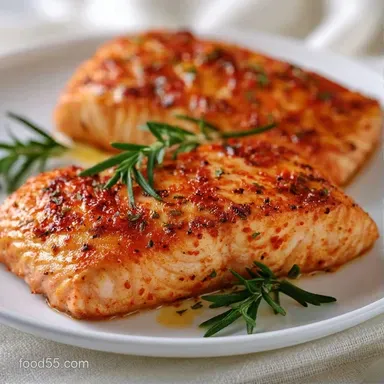
Low Carb Grilled Salmon with Smoked Paprika
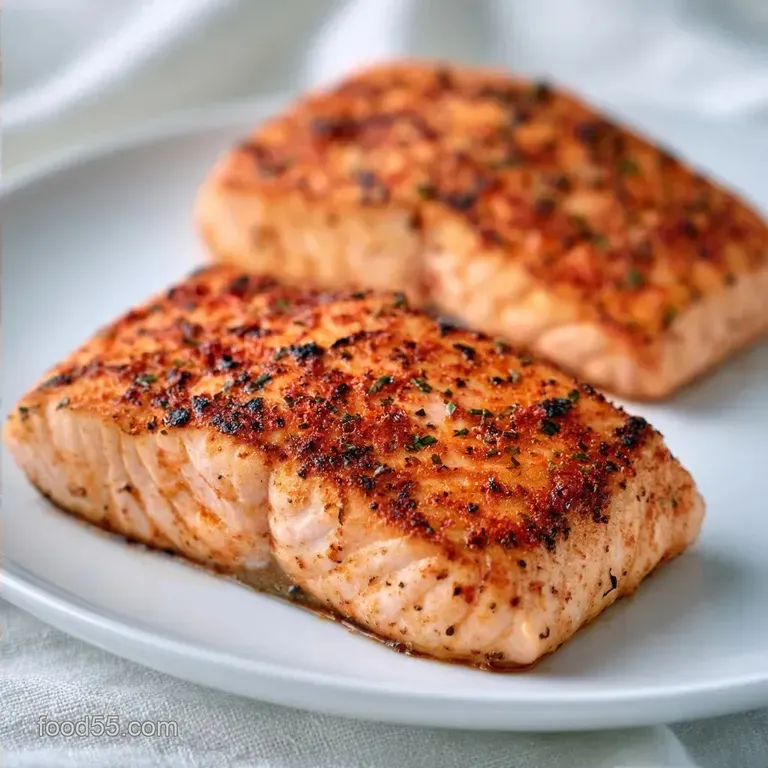
- Time: 5 min active + 10 min cooking
- Flavor/Texture Hook: Smoky, charred exterior with a tender, flaky center
- Perfect for: Fast weeknight dinners or healthy meal prep
Low Carb Grilled Salmon
Sizzle. That's the sound of the oil hitting the hot grates, and it's the only signal you need. For years, I thought you needed those sticky, honey based glazes to make fish taste like "restaurant" food. I was wrong.
Most of those glazes just burn on the grill, leaving you with a bitter crust and a fish that's overcooked inside.
Forget the sugar. This Low Carb Grilled Salmon uses a dry rub of smoked paprika and garlic that creates a mahogany crust without the carbs. It's a cleaner way to eat that actually lets the flavor of the fish shine through.
You can expect a dish that's rich and savory. It’s the kind of meal that feels fancy but takes less time than ordering takeout. We're keeping it simple, focusing on high heat and precise timing so you don't end up with a dry piece of cardboard.
Why This Recipe Works
- Dry Surface: Patting the skin completely dry prevents steaming and ensures the fish doesn't stick to the grill.
- Carryover Cooking: Pulling the fish at 135°F allows the internal temperature to rise naturally while resting, keeping the center moist.
According to the USDA FoodData, salmon is rich in omega-3 fatty acids, which means it has plenty of natural fats to prevent it from drying out if you watch the clock.
| Method | Time | Texture | Best For |
|---|---|---|---|
| Grill | 10 mins | Charred & Smoky | Bold flavor |
| Oven | 12-15 mins | Evenly Roasted | Large batches |
| Stovetop | 8-10 mins | Crispy Skin | Single fillets |
What Each Ingredient Does
| Ingredient | What It Does | Best Swap |
|---|---|---|
| Avocado Oil | High smoke point for searing | Grapeseed oil |
| Smoked Paprika | Adds depth and red color | Ancho chili powder |
| Garlic Powder | Savory base note | Onion powder |
| Lemon | Cuts through the fat | Lime wedges |
Fresh Ingredients List
- 4 (6 oz / 170g) salmon fillets, skin on Why this? Skin protects the flesh from direct heat
- 2 tbsp (30ml) avocado oil Why this? Won't smoke or burn at high temps
- 1 tsp (5g) garlic powder Why this? Even coverage compared to fresh garlic
- 1 tsp (5g) smoked paprika Why this? Gives a grilled taste even on indoor grills
- 1/2 tsp (3g) kosher salt Why this? Coarser grains are easier to control
- 1/2 tsp (3g) cracked black pepper Why this? Fresh crack adds a sharp bite
- 1 lemon, cut into wedges Why this? Fresh acidity brightens the fats
- 1 tbsp (4g) fresh parsley, chopped Why this? Fresh green contrast to the red rub
Essential Kitchen Gear
You'll need a grill (gas or charcoal) or a cast iron grill pan. A digital meat thermometer is non negotiable here, as five minutes can be the difference between juicy and dry. I also suggest a pair of wide fish spatulas to avoid breaking the fillets when you flip them.
Cooking Process
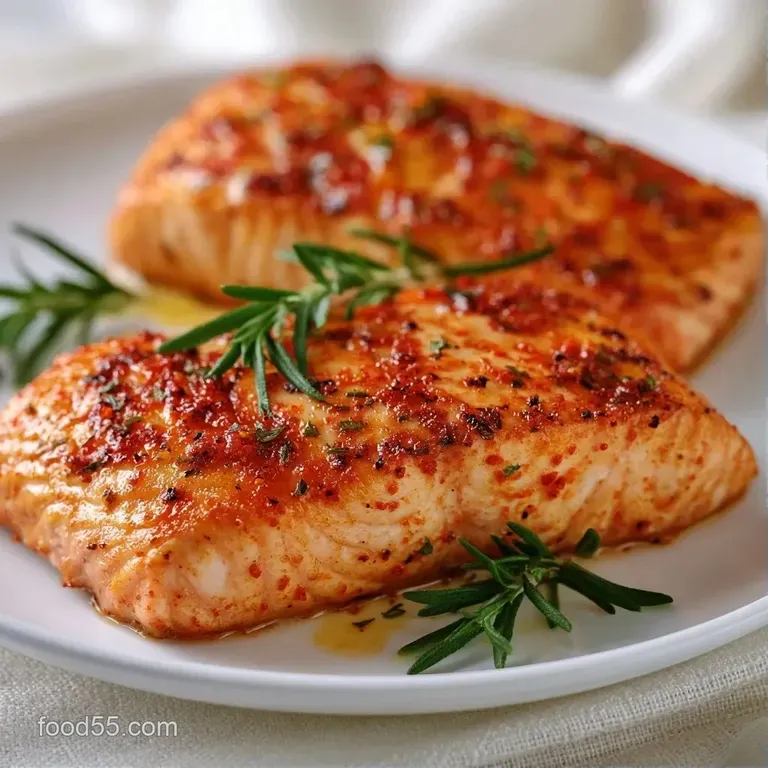
- Pat the salmon fillets completely dry with paper towels. Note: Any moisture will steam the fish instead of searing it
- Brush each fillet lightly with avocado oil.
- Combine garlic powder, smoked paprika, salt, and pepper.
- Coat the flesh side of the fish with the spice mix, pressing it in gently.
- Preheat your grill to medium high heat.
- Place the salmon fillets skin side down first.
- Close the lid and cook for 4–5 minutes until the skin releases easily from the grate.
- Carefully flip the fillets.
- Cook for another 3–4 minutes until the flesh is mahogany colored and the internal temperature reaches 135°F (57°C).
- Remove from heat and let rest on a plate for 3–5 minutes until it reaches 145°F (63°C).
- Squeeze fresh lemon juice over the top and garnish with chopped parsley.
Fixing Common Issues
If your fish is sticking, it's usually because the grill wasn't hot enough or the skin was damp. Don't force it. Let the fish sear for another minute, and it will naturally release once the proteins have browned.
Another issue is the "white stuff" (albumin) leaking out. That's just protein pushing out because the fish is cooking too fast or is slightly overdone. It's safe to eat, but pulling the fish at 135°F prevents most of it.
| Problem | Root Cause | Solution |
|---|---|---|
| Sticking to grill | Low heat or damp skin | Pat dry; wait for natural release |
| Dry texture | Overcooked internal temp | Use thermometer; pull at 135°F |
| Rub burnt | Heat too high | Lower to medium high; check every 2 mins |
Adjusting Portion Sizes
When you're making a double batch of this Low Carb Grilled Salmon, don't crowd the grill. If the fillets are touching, they'll steam rather than sear. Work in two batches if you have to.
For a single fillet, keep the spice ratios the same but reduce the oil to 1/2 tablespoon. Your cooking time stays roughly the same, but keep a closer eye on the internal temp since smaller fillets can overcook in a flash.
If you're using a smaller grill pan, leave at least an inch of space between pieces. This allows the hot air to circulate, ensuring the sides get a bit of heat too.
Debunking Salmon Myths
Searing the fish doesn't "lock in" the juices. That's a common myth. Searing is about flavor and texture, not creating a waterproof seal. The moisture stays in because you're not overcooking the proteins.
You also don't need to remove the skin before cooking. Keeping it on acts as a heat shield, protecting the delicate flesh from the direct flame and keeping the fillet from falling apart.
Storage and Zero Waste
Store any leftover Low Carb Grilled Salmon in an airtight container in the fridge for up to 3 days. To reheat, avoid the microwave, which makes fish rubbery. Instead, put it in a 275°F (135°C) oven for 5-10 minutes just to warm it through.
Don't throw away the lemon scraps. Toss the spent lemon hulls and any parsley stems into a freezer bag for making a homemade vegetable stock later. You can also use any leftover rub to season roasted cauliflower or asparagus for a consistent flavor profile.
Best Side Dishes
Since this is a low carb meal, you want sides that bring freshness or a bit of creaminess. This fish pairs well with a classic creamed spinach if you want something rich.
For something lighter, try a crisp cucumber salad with dill or roasted Brussels sprouts with balsamic vinegar. If you have a bit more time and want a different flavor profile, a lemon sauce can add a bright, zesty finish to the plate.
Recipe FAQs
Can I eat salmon on a low-carb diet?
Yes, salmon is an ideal choice. It contains zero carbohydrates and provides high-quality protein and omega-3 fatty acids.
How do you make grilled salmon?
Pat fillets dry and coat with avocado oil and the spice rub. Grill skin side down for 4 5 minutes on medium high heat, then flip and cook for 3 4 minutes until the internal temperature reaches 135°F.
What to eat with salmon that isn't carbs?
Serve it with roasted cauliflower, sautéed spinach, or a fresh salad. You can also pair it with spaghetti squash for a nutrient dense, low-carb alternative to pasta.
How do you cook salmon on the stovetop?
Heat avocado oil in a skillet over medium high heat. Sear the fillets skin side down for 4 5 minutes, then flip and cook for 3 4 minutes until the internal temperature hits 135°F.
How do you cook salmon in a foil pouch on the grill?
Place seasoned fillets on foil and fold the edges to seal tightly. Grill over medium high heat for approximately 8 10 minutes until the fish is opaque and reaches 135°F internally.
What is the best way to cook salmon for one person?
Prepare a single 6 oz fillet and scale the spice rub down. Follow the standard grilling times and temperatures to ensure the small portion remains moist.
What is the best way to grill salmon on a pellet grill?
Set the grill to medium high heat and place fillets skin side down. Close the lid and cook for 4 5 minutes, then flip and cook for 3 4 minutes until the internal temperature reaches 135°F.
Low Carb Grilled Salmon