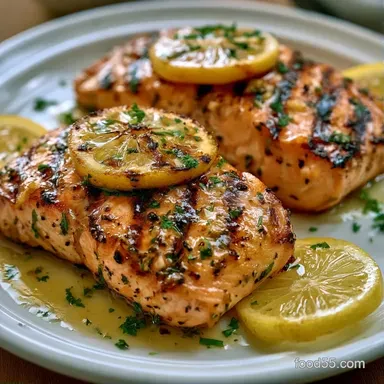
Easy Lemon Garlic Grilled Salmon
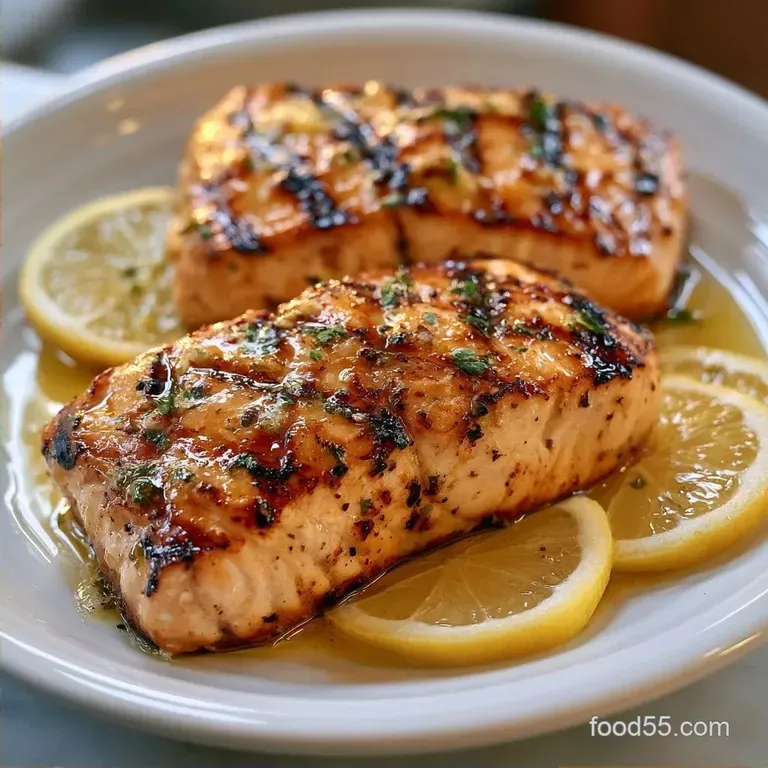
- Time: 10 min active + 10 min cook (plus 3 min rest)
- Flavor/Texture Hook: Charred exterior with a rich, buttery finish
- Perfect for: A fresh weeknight dinner or a seasonal outdoor meal
Ever wonder why some people get those gorgeous charred lines on their fish while others just end up with a shredded mess sticking to the grill? I used to think it was all about having a fancy grill. It turns out, it's actually about moisture and heat.
I remember one summer evening where I tried to grill salmon for a group of friends, and half the fillets stayed stuck to the grates. I practically had to scrape them off. After a few more attempts, I realized the skin needs a moment to release itself naturally before you even think about flipping.
This Lemon Garlic Grilled Salmon is all about that timing. We're going for a vibrant, fresh taste that celebrates the fish without masking it in too much sauce. It's a fast process, but you have to respect the internal temperature to avoid that dry, chalky texture.
Lemon Garlic Grilled Salmon Tips
The Butter Barrier: Adding the garlic butter after the first flip prevents the garlic from burning and creates a rich layer.
Skin Release: Salmon skin shrinks and lets go of the metal only when it's properly seared, which usually takes about 4 minutes.
Carryover Cooking: Pulling the fish at 135°F allows the internal heat to carry it to a safe, moist finish while resting.
| Method | Time | Texture | Best For |
|---|---|---|---|
| Direct Grill | 10 mins | Charred & Crispy | Weeknight meals |
| Slow Roast | 20 mins | Tender & Even | Sunday dinners |
What Each Ingredient Does
| Ingredient | What It Does | Best Swap |
|---|---|---|
| Unsalted Butter | Adds richness and carries garlic flavor | Ghee (for higher smoke point) |
| Fresh Lemon Juice | Cuts through the fat and brightens the taste | Lime juice (for a zestier twist) |
| Dried Oregano | Adds an earthy, herbal note | Dried thyme |
Timing and Temp
For this recipe, precision is everything. You don't want to guess when the fish is done because salmon goes from "perfect" to "overcooked" in about 60 seconds.
- Grill Temp: 400°F (200°C)
- First Side Sear: 4-5 minutes
- Internal Target: 135°F (57°C)
Ingredients and Swaps
- 4 (6 oz / 170 g) center cut salmon fillets Why this? Uniform thickness ensures even cooking.
- 1 tsp (5 g) kosher salt
- ½ tsp (3 g) cracked black pepper
- 1 tbsp (15 ml) olive oil Why this? High smoke point for the grates.
- 3 tbsp (42 g) unsalted butter, melted
- 2 tbsp (30 ml) fresh lemon juice
- 3 cloves (9 g) garlic, minced
- 1 tsp (2 g) dried oregano
- ¼ tsp (1.5 g) paprika
If you don't have butter, coconut oil works well but adds a slight tropical note. For the lemon, you can use bottled juice, but fresh is much more vibrant.
Tools You'll Need
I usually use a sturdy fish spatula because it's thin enough to slide under the skin. A digital instant read thermometer is also non negotiable here. If you're worried about the fish sticking, you can use a grill basket, though you'll lose some of those charred marks.
Cooking the Salmon
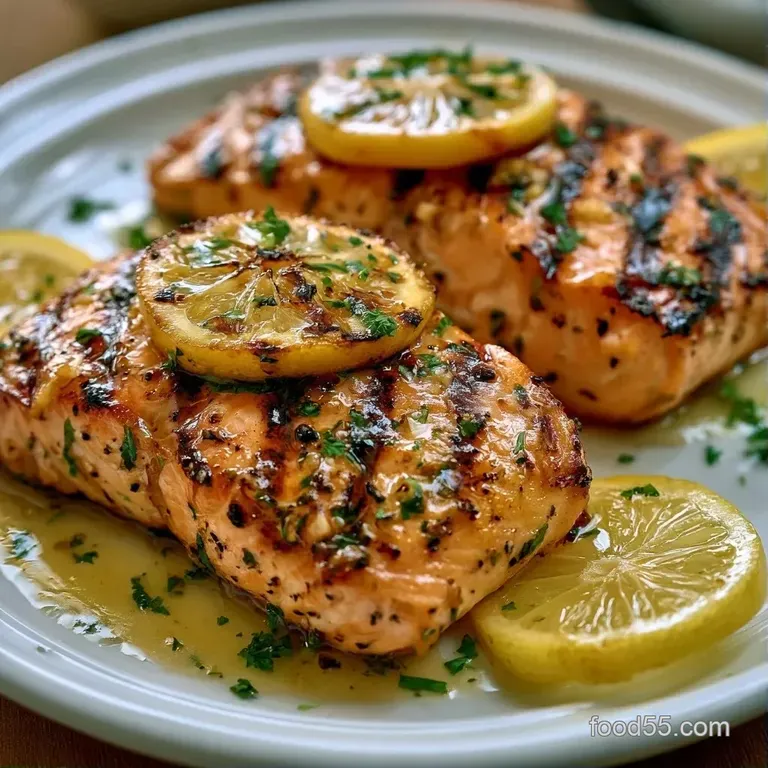
- Pat the salmon fillets completely dry with paper towels. Note: Dry skin crisps up faster.
- Season both sides generously with salt and black pepper.
- In a small bowl, whisk together the melted butter, lemon juice, minced garlic, oregano, and paprika.
- Preheat your grill to medium high (approx. 400°F / 200°C) and brush the grates with olive oil.
- Place the fillets skin side down on the grill. Grill for 4-5 minutes until the fish releases naturally from the grate.
- Flip the fillets and immediately brush the seared side generously with the lemon garlic butter.
- Grill for another 3-5 minutes until a thermometer indicates 135°F (57°C).
- Remove the salmon from the heat and let rest for 3 minutes before serving.
Chef's Note: If you see the butter starting to bubble and brown too quickly on the second side, move the fillets to a slightly cooler part of the grill.
Fixing Common Issues
The most frustrating part of this dish is when things don't release or the garlic turns bitter. Usually, it's just a matter of heat management.
Troubleshooting Common Issues
| Issue | Solution |
|---|---|
| Why Your Salmon is Sticking | This happens when the grill isn't hot enough or the skin hasn't fully seared. If you try to force the flip, you'll tear the fillet. Just wait another minute. |
| Why the Garlic is Burning | Garlic has a low burn point. By brushing it on during the second side, we protect it. If it still burns, use a lower heat setting for the final 3 minutes. |
| Why the Fish Feels Dry | Overcooking is the main culprit. According to Serious Eats on top of the grilled fillets. |
Flavor Twists - Honey Lemon: Add 1 tbsp of honey to the butter mix for a sweet savory glaze. - Spicy Garlic: Add a pinch of cayenne pepper or red chili flakes to the paprika.
Diet Swaps - dairy-free: Use a plant based butter alternative or extra olive oil. - Low Sodium: Use a salt free herb blend and increase the lemon juice.
If you want the skin even crispier, start with a drier fillet. If you want more tang, add an extra squeeze of lemon just before serving. If you want a smokier taste, use cedar planks.
Scaling the Recipe
When doubling this for a crowd, don't crowd the grill. If the fillets are too close, they'll steam instead of sear.
- Scaling Down: For two fillets, halve the butter mixture. Use a smaller pan for the glaze to keep it from evaporating.
- Scaling Up: For 8 fillets, increase salt and spices by 1.5x only. Work in batches to maintain the grill temperature.
Storage and Reheating
Store leftovers in an airtight container in the fridge for up to 3 days. Avoid the microwave, as it turns salmon rubbery. Instead, use the "no dry" reheat method.
The No Dry Reheat Method Place the salmon in a covered baking dish with a tablespoon of water or a knob of butter. Heat in the oven at 275°F (135°C) for about 10 minutes. This gently warms the fish without overcooking the center.
For freezing, wrap fillets tightly in foil and freezer paper for up to 2 months. Thaw in the fridge overnight before reheating.
Best Side Dishes
Since this is a rich, buttery dish, I love pairing it with something bright or earthy. A simple arugula salad with a light vinaigrette works wonders. If you're looking for something more substantial, a Dill Salmon Sauce on the side can add another layer of freshness.
Plating Your Dish
| Level | Tweak | Look |
|---|---|---|
| Simple | Salmon on plate, lemon slice | Homey and easy |
| Polished | Bed of greens, drizzled glaze | Dinner party ready |
| Restaurant | Sliced fillet, microgreens, dots of sauce | High end bistro |
Quick Myths - "Searing seals in juices." This is not true. Searing adds flavor and texture, but moisture loss happens regardless of the sear. - "You must cook salmon until it's opaque all the way through." Actually, a medium rare center (around 125-130°F) is often the tastiest and juiciest way to eat it.
Recipe FAQs
How do you make grilled salmon?
Preheat the grill to 400°F (200°C) and brush grates with olive oil. Grill seasoned fillets skin side down for 4-5 minutes, flip, and brush with lemon garlic butter for another 3-5 minutes until the internal temperature reaches 135°F.
How to grill salmon in foil?
Place fillets on foil and fold the edges to create a sealed pouch. Grill over medium high heat, though this method steams the fish and prevents the skin from searing compared to direct grilling.
What are some good salmon recipes without lemon?
Focus on creamy or herbed bases. You can swap the citrus for a pesto cream sauce to achieve a rich, velvety finish without the acidity.
What spices go well with salmon?
Paprika and oregano provide a balanced, savory profile. When combined with salt, pepper, and garlic, these spices enhance the fish's natural flavor without overpowering it.
What is the best way to cook king salmon?
Grill at medium high heat until the internal temperature hits 135°F. King salmon has higher fat content, making it more succulent, but precise temperature control prevents it from becoming oily.
Is it true that salmon always sticks to the grill?
No, this is a common misconception. Salmon releases naturally from the grates once the skin has fully seared; if it resists, simply wait another minute before attempting to flip.
What is the best recipe for broiled salmon?
Broil on high for 6-10 minutes. Place fillets on a lined tray and cook until the surface is charred and the internal temperature reaches 135°F.
Lemon Garlic Grilled Salmon