Pan Fried or Baked Salmon Cakes
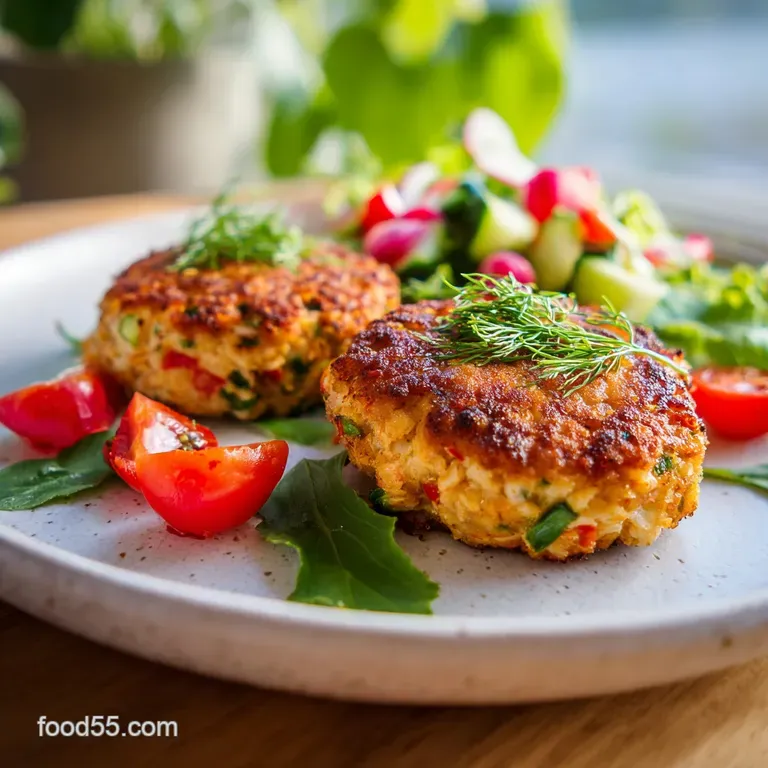
- Time: Active 15 minutes, Passive 10 minutes, Total 25 minutes
- Flavor/Texture Hook: Zesty lemon and fresh dill notes paired with a golden, crackling Panko crust.
- Perfect for: Weeknight family dinners, budget-friendly gourmet entertaining, or a nutritious meal prep option.
- Why Temperature Control and Texture Create the Ultimate Salmon Cakes
- The Component Analysis for Your Salmon Cake Adventure
- Selecting the Finest Elements for Your Shopping List
- The Practical Tools Required for a Golden Crust
- Step by Step Guide to Achieving Shatter Crisp Perfection
- Navigating the Challenges of Binding and Browning Your Patties
- Effective Methods for Scaling and Adjusting
- Debunking Common Kitchen Myths
- Keeping It Fresh: Storage and Zero Waste
- Bringing People Together with Beautifully Plated Coastal Comfort Food
- Recipe FAQs
- 📝 Recipe Card
Why Temperature Control and Texture Create the Ultimate Salmon Cakes
The sound of a fork flaking through a perfectly golden crust, followed by the bright, citrusy aroma of lemon zest hitting a hot pan, is one of those kitchen experiences that instantly brings people together.
I remember the first time I tried to make these, I treated the mixture like a burger patty, pressing it down firmly, and ended up with something more like a hockey puck than a delicate seafood cake.
It was a lesson in humility and the delicate art of the "light touch." These cakes aren't just a meal, they represent a long history of coastal communities finding ways to stretch a catch, a cultural exchange of thrift and flavor that spans from the Pacific Northwest to the shores of New England.
Discover the simple joy of perfect pan-fried or baked salmon cakes with this delicious lemon recipe. We are talking about a dish that bridges the gap between a casual Tuesday night and a fancy weekend brunch.
The secret lies in the contrast between the canned salmon, which provides a rich, savory foundation, and the bright, herbaceous additions like fresh dill and green onion. It is a shared meal that invites conversation, reminding us that some of the best connections are made over plates of simple, honest food.
When we talk about this dish, we are really talking about the magic of the "flake and fold." Unlike meatloaf or meatballs, we want to preserve the integrity of the salmon. We are looking for those larger chunks that offer a meaty bite, encased in a coating that provides a satisfying shatter when your fork breaks the surface.
Whether you choose the sizzle of the skillet or the consistent heat of the oven, this recipe is designed to deliver a result that feels far more luxurious than the sum of its parts.
- Cold Binding Stability: Chilling the mixture for 15 minutes allows the Panko to hydrate and the egg proteins to settle, ensuring the patties don't fall apart in the heat.
- Moisture Buffer: Greek yogurt acts as a modern substitute for heavy mayo, providing a tangy moisture barrier that prevents the salmon from drying out during the intense browning process.
- Starch Hydration: The Panko breadcrumbs absorb the lemon juice and yogurt, swelling slightly to create a structural matrix that traps steam inside the patty.
- over High heat Crispness: Using a cast iron skillet or a preheated baking sheet facilitates the rapid evaporation of surface moisture, leading to a crackling crust.
| Servings | Salmon Amount | Egg Count | Pan Size | Cook Time |
|---|---|---|---|---|
| 2 People | 7.35 oz (half can) | 1 small egg | 8 inch skillet | 10 minutes |
| 4 People | 14.7 oz (full can) | 1 large egg | 12 inch skillet | 10 minutes |
| 8 People | 29.4 oz (two cans) | 2 large eggs | Two baking sheets | 15 minutes (baked) |
Adjusting the scale of this recipe is quite simple as long as you maintain the ratio of binder to protein. For larger gatherings, the oven baked method is a total savior, allowing you to cook all the patties at once so everyone can sit down together.
If you are cooking for just one or two, the stovetop method gives you that immediate gratification and a slightly more pronounced sizzle.
The Component Analysis for Your Salmon Cake Adventure
Understanding what goes into your bowl is the first step toward kitchen confidence. While we often think of canned salmon as a "back of-the pantry" item, it is actually a nutritional powerhouse and a fantastic canvas for bold flavors.
In many cultures, preserved fish was the only way to enjoy the sea's bounty during the winter months, and this recipe honors that tradition of shelf stable brilliance.
| Ingredient | Science Role | Pro Secret |
|---|---|---|
| Canned Salmon | Structural Protein | Drain it until bone dry to prevent the patties from becoming mushy or steaming instead of frying. |
| Greek Yogurt | Emulsifying Binder | Use full fat yogurt for a velvety interior that mimics the richness of a traditional remoulade. |
| Panko Breadcrumbs | Textural Contrast | These "jagged" crumbs have more surface area than standard crumbs, creating a superior shatter crisp finish. |
| Fresh Dill | Aromatic Brightness | Never use dried dill here; the volatile oils in fresh dill react with the lemon juice to cut through the fatty salmon. |
When you open that can of salmon, you might notice small bones or skin. Don't let that intimidate you. In traditional recipes, these are often mashed right in for extra calcium, but for our modern, refined version, we take a minute to remove them to ensure every bite is smooth and focuses on the tender fish.
If your kids love these, they might also enjoy my Baked Fish Sticks which use a similar breading technique but with fresh white fish. It is a great way to keep the seafood rotation interesting for the whole family.
Selecting the Finest Elements for Your Shopping List
Finding the right ingredients makes all the difference in the final texture and aroma of the dish. This isn't just about grabbing a list; it is about knowing why each item earned its spot in the bowl. We are looking for a balance of fat, acid, and crunch that makes every mouthful interesting.
- 14.7 oz canned salmon, drained and bonelessWhy this? Provides the savory bulk and essential Omega-3 fats for a heart healthy main.
- 1/4 cup celery, finely mincedWhy this? Adds a necessary structural "snap" and a subtle earthiness to the mix.
- 2 green onions, thinly slicedWhy this? Offers a mild, sweet onion flavor without the harsh bite of raw yellow onions.
- 1 tbsp fresh dill, choppedWhy this? The classic seafood herb that provides an unmistakable grassy, lemony aroma.
- 1 tbsp lemon juiceWhy this? Provides the acid needed to "wake up" the canned fish flavors.
- 1 tsp lemon zestWhy this? Contains the essential oils that deliver a concentrated punch of citrus fragrance.
- 1 large egg, beatenWhy this? Acts as the primary glue that coagulates upon heating to hold everything together.
- 1/2 cup Panko breadcrumbsWhy this? Absorbs excess moisture while providing the signature crackling exterior.
- 2 tbsp Greek yogurtWhy this? Adds a velvety creaminess and a slight tang that balances the rich salmon.
- 1 tsp Dijon mustardWhy this? Contains mustard flour which acts as a secondary emulsifier and adds depth.
- 1/2 tsp garlic powderWhy this? Distributes savory flavor evenly without the risk of burning fresh garlic bits.
- 1/4 tsp cayenne pepperWhy this? Just enough heat to stimulate the palate without overpowering the delicate herbs.
- 1 tbsp olive oil for pan fryingWhy this? A high-quality fat for conducting heat and creating that golden brown crust.
| Original Ingredient | Substitute | Why It Works |
|---|---|---|
| Greek Yogurt | Mayonnaise | Provides a similar fat content and creamy texture, though it is slightly less tangy. |
| Panko Breadcrumbs | Crushed Saltines | Offers a nostalgic, salty crunch. Note: Reduce added salt if using crackers. |
| Fresh Dill | Fresh Parsley | Gives a clean, bright finish but lacks the specific "seafood" profile of dill. |
| Dijon Mustard | Yellow Mustard | Adds the necessary acidity but has a more aggressive, vinegary punch. |
If you find yourself with extra salmon or want to try a different crunchy protein, these Healthy Baked Nuggets use a very similar coating strategy to keep things juicy on the inside while maintaining a great exterior.
The Practical Tools Required for a Golden Crust
You don't need a professional kitchen to make these, but a few specific tools will make your life significantly easier. I've made these with a regular spoon and a thin frying pan, and while it works, the right gear turns the process from a chore into a joy.
- 12 inch Cast Iron Skillet: This is my absolute favorite for the stovetop method. The heat retention of cast iron (like a Lodge) ensures that when you drop those cold patties in, the temperature doesn't plummet.
- Fine Mesh Sieve: Essential for draining the canned salmon. If you leave too much liquid in the fish, the Panko will turn into a soggy paste instead of a structural binder.
- Microplane Grater: For the lemon zest. You want those tiny, fragrant curls of yellow skin, not the bitter white pith underneath.
- Large Mixing Bowl: Give yourself plenty of room to "fold" the ingredients. A cramped bowl leads to overmixing, which turns your cakes into dense blocks.
- Fish Spatula: A thin, flexible metal spatula is a game changer for flipping delicate cakes without breaking the crust.
Using a heavy bottomed pan is probably the biggest "secret" I can share. Thin pans have hot spots that will burn the outside of your salmon cakes before the egg has a chance to set on the inside. A steady, even heat is what transforms a greyish mixture into a golden brown masterpiece.
step-by-step Guide to Achieving Shatter Crisp Perfection
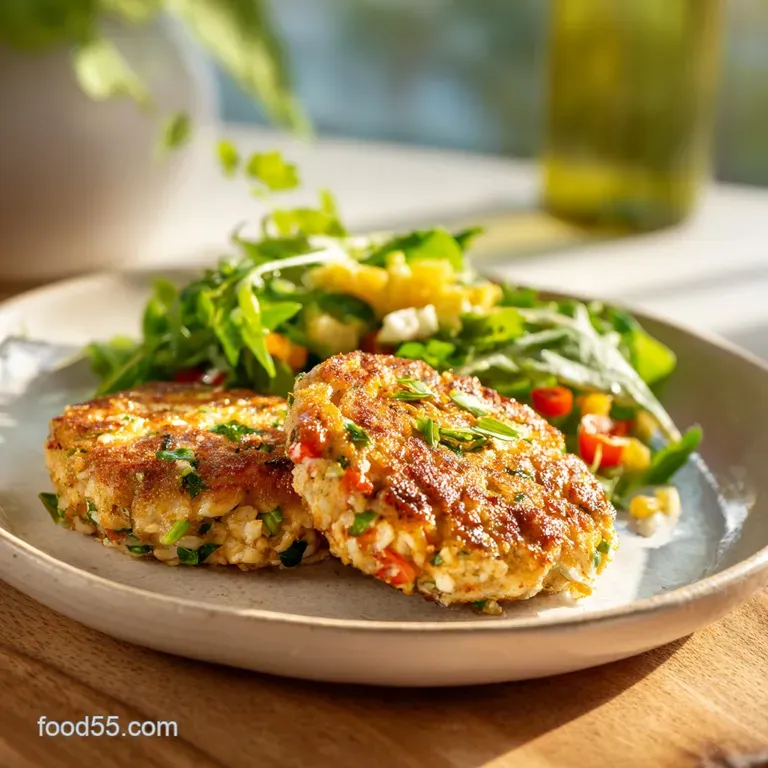
Now, let's get into the heart of the matter. Cooking is a sensory experience, so I want you to pay attention to the sounds and smells at each stage. This is where the magic happens and where those connections to the food really begin to form.
- Drain the salmon. Use a fine mesh sieve and press down with a spoon to remove all the liquid. Note: This ensures your patties stay together and don't "steam" in the pan.
- Flake the fish. In a large mixing bowl, use a fork to break the salmon apart. Look for chunks about the size of a nickel to maintain a meaty texture.
- Aromatize the base. Add the celery, green onions, dill, lemon juice, zest, Dijon, garlic powder, and cayenne. Breathe in the sharp, fresh scent of the dill and lemon as they combine.
- Integrate the binders. Pour in the beaten egg, Panko, and Greek yogurt. Gently fold with a spatula until the white streaks of yogurt disappear. Do not mash.
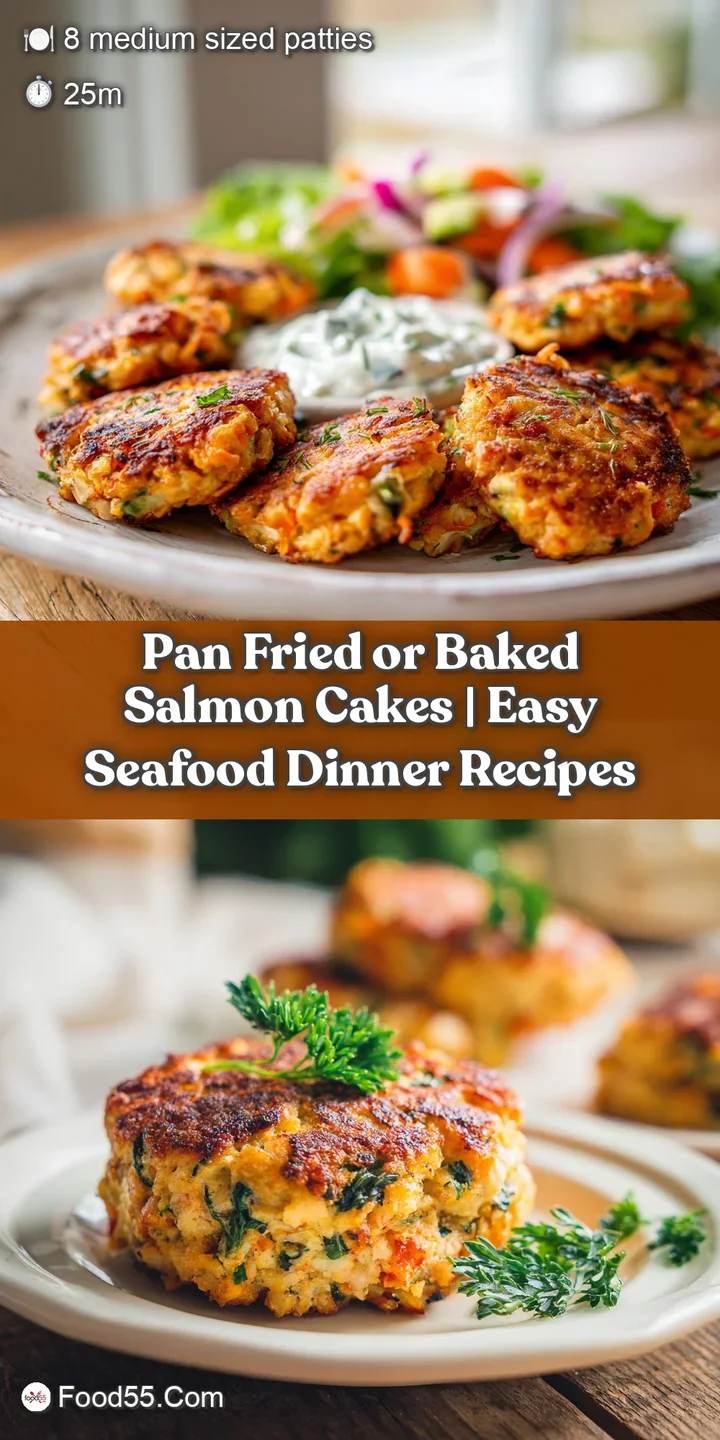
- Shape the cakes. Divide the mixture and form 8 medium sized patties. They should feel moist but hold their shape when pressed between your palms.
- The Chill Phase. Place the patties on a plate and refrigerate for 15 minutes. Note: This is the most important step for structural integrity.
- Heat the oil. For pan frying, add olive oil to the skillet over medium high heat. Wait for the oil to shimmer and dance across the pan before adding the fish.
- The Sear. Carefully place the patties in the pan. Listen for a steady, rhythmic sizzle—not a violent popping. Fry for 4-5 minutes per side.
- The Flip. Once a deep golden crust forms, use your spatula to gently turn them. The bottom should sound hollow when tapped lightly with a fork.
- Final Doneness. Cook the second side for 4 minutes. The aroma will change from raw fish to a toasted, nutty scent as the Panko browns.
If you choose to bake them, preheat your oven to 400°F (200°C) and line a tray with parchment. Place the patties down and bake for 15 minutes, flipping them halfway through.
You won't get the same deep fry shimmer, but you'll get a beautiful, even golden hue that is just as satisfying.
Navigating the Challenges of Binding and Browning Your Patties
Even the most experienced cooks run into trouble sometimes. The most common heartbreak with salmon cakes is the "falling apart" syndrome. It usually happens because we are too impatient or because the mixture is too wet. If you find your patties crumbling, don't panic. We can fix it.
Why Your Salmon Cakes Are Falling Apart
The root cause is usually a lack of "set" time or too much moisture. If the salmon wasn't drained properly, the water interferes with the egg's ability to create a solid bond. Also, if the pan isn't hot enough, the patty will stick to the metal instead of searing, causing it to tear when you try to flip it.
| Problem | Root Cause | Solution |
|---|---|---|
| Patties Crumbling | Too much moisture or skipped chilling. | Add 1 more tbsp of Panko and ensure you chill for at least 15 minutes. |
| Exterior Burnt / Interior Cold | Heat is too high or patties are too thick. | Lower the flame to medium and press patties to a 1 inch thickness. |
| Lack of Flavor | Not enough salt or acid. | Double the lemon zest and ensure you used a sharp Dijon mustard. |
Common Mistakes Checklist
- ✓ Pat the salmon dry: Even after draining, use a paper towel to squeeze out any lingering moisture.
- ✓ Don't overcrowd: Leave at least 2 inches between patties in the pan so they sear rather than steam.
- ✓ Respect the chill: That 15 minute rest in the fridge allows the starches in the Panko to "grab" the liquid.
- ✓ Check your oil: If the oil isn't shimmering, the patties will absorb the fat and become greasy.
- ✓ Use a gentle touch: Treat the mixture like a delicate dough, not like you are kneading bread.
- ✓ Flip only once: The more you fiddle with them, the more likely they are to break.
Effective Methods for Scaling and Adjusting
Scaling this recipe is straightforward, but you need to be careful with the seasonings. Spices don't always scale linearly. If you are doubling the recipe to feed a crowd, you are moving into the realm of a "shared meal" celebration, which I absolutely love.
For Scaling Down (2 Servings): Use half a can of salmon and half a beaten egg. To get half an egg, beat it in a small cup and measure out about 1.5 to 2 tablespoons. Use a smaller 8 inch skillet to maintain the oil depth and prevent burning.
For Scaling Up (8-12 Servings): When doubling or tripling, use a large sheet pan and the oven baked method. It is much easier than standing over a stove for three batches. Reduce the cayenne pepper slightly (use about 1.5x rather than 2x) as the heat can build up surprisingly fast in large batches.
Baking Adjustments: If you are making very small "slider sized" cakes for a party, reduce the baking time to about 10-12 minutes total. High heat is your friend here to ensure the outside gets crispy before the tiny center dries out.
| Method | Time | Texture | Best For |
|---|---|---|---|
| pan-fried | 10 minutes | Maximum crunch, buttery finish | Intimate dinners, quick lunches |
| Oven Baked | 15 minutes | Even browning, less mess | Large groups, healthy meal prep |
| Air Fryer | 8 minutes | Ultra crisp, very little oil | Solo meals, reheating |
Pair these with some crispy seasoned fries for a classic "fish and chips" vibe that feels updated and fresh.
Debunking Common Kitchen Myths
There are a few "rules" floating around out there that can actually lead you astray when making salmon cakes. Let's clear the air so you can cook with confidence.
Myth: Canned salmon is inferior to fresh for cakes. Truth: Canned salmon is actually often better for this specific application. The canning process softens the bones (which are edible and nutrient dense) and provides a consistent texture that binds much better than fresh, flaked fillets which can be too oily or too chunky to hold a patty shape.
Myth: You need a lot of oil for a crispy crust. Truth: You only need enough to coat the bottom of the pan. The "shatter" comes from the Panko and the removal of surface moisture, not from deep frying. Too much oil will actually make the cakes heavy and greasy.
Myth: You can't freeze salmon cakes. Truth: You absolutely can! In fact, freezing them on a tray before they are cooked is a great way to have a "healthy salmon patties recipe" ready to go at a moment's notice. Just cook them straight from frozen, adding an extra 2 minutes per side.
Keeping It Fresh: Storage and Zero Waste
We hate seeing good food go to waste. Luckily, these cakes are just as good the next day if handled correctly. They represent the ultimate "resourceful kitchen" food, where leftovers become something entirely new and exciting.
- Fridge
- Keep cooked cakes in an airtight container for up to 3 days. To maintain the crispness, place a paper towel at the bottom of the container to absorb any rising moisture.
- Freezer
- Wrap individual uncooked patties in plastic wrap and store in a freezer bag for up to 3 months.
- Reheating
- Avoid the microwave! It will turn your beautiful crust into a soggy mess. Instead, use a toaster oven or a dry skillet over medium heat for 3 minutes per side until heated through.
Zero Waste Tips: Don't throw away that salmon liquid from the can! If you have a cat or dog, it is a high protein treat they will love. Leftover celery leaves can be chopped up and added to the dill mixture for an extra punch of herbal flavor.
If you have just one or two cakes left over, crumble them over a salad or tuck them into a pita with some cucumber and more Greek yogurt for a quick, bistro style lunch.
Bringing People Together with Beautifully Plated Coastal Comfort Food
Presentation is about more than just looks; it is about signaling to your guests (or yourself!) that this meal is a special occasion. Even a simple Tuesday night dinner can feel like a cultural exchange of flavors when plated with a bit of care.
The Modern Bistro Plate
Place two golden salmon cakes in the center of a white plate. Lean them slightly against a mound of dressed baby greens. Top with a dollop of Greek yogurt mixed with extra lemon zest and a sprig of fresh dill. The contrast of the warm, crispy cake against the cool, crisp greens is velvety and refreshing.
The Salmon Slider
For a more casual, "shared meal" vibe, serve these on small toasted brioche buns. Add a slice of ripe tomato, a leaf of butter lettuce, and a smear of the Dijon yogurt sauce. It turns a traditional entrée into a fun, hand held snack that is perfect for game days or backyard gatherings.
Remember, the goal of this "Cakes Recipe with Lemon" is to foster connection. Whether you are serving them to your family or prepping them for your own lunches, take a moment to appreciate the aromas and textures. Cooking is one of the few ways we can truly unplug and engage with the world through our senses.
If you enjoy the process of making these savory hand held delights, you might want to try your hand at Chicken, Leek, and Ham Pasties. They offer that same satisfying "crust to filling" ratio and are another fantastic way to bring people together over a home cooked meal. Trust me, once you master the art of the perfect bind and the golden sear, you'll find yourself coming back to these salmon cakes time and time again. They are a true kitchen staple that never fails to deliver. Let's crack on and get that skillet heating up!
Recipe FAQs
Why is my salmon cake mixture falling apart in the pan?
This usually happens because the salmon wasn't drained well enough or the mixture wasn't chilled. Pressing the salmon through a fine mesh sieve to remove all moisture is critical, and you must respect the 15-minute refrigerator rest to allow the Panko and egg to bind the ingredients effectively.
How to ensure a shatter crisp crust when pan-frying?
Heat your olive oil until it is shimmering before adding the patties to the skillet. If you enjoyed mastering the sensory cues for searing here, you can apply similar heat control techniques to our Southern Salmon Patties to achieve that same golden, crunchy texture.
Is it necessary to chill the patties before cooking?
Yes, it is essential for structural integrity. The 15-minute rest in the refrigerator allows the Panko breadcrumbs to hydrate and the binders to set, ensuring your cakes maintain their shape during the flipping process.
How to tell when the cakes are done?
Look for a deep golden crust on the exterior. When pan-frying, this takes 4-5 minutes per side over medium high heat, while baking requires 15 minutes at 400°F (200°C) with a flip halfway through.
Can I use a different type of binder if I run out of Panko?
No, the recipe relies specifically on the texture of Panko breadcrumbs for success. Because Panko is drier and flakier than standard breadcrumbs, it absorbs moisture from the Greek yogurt and egg without becoming gummy, which keeps the interior light.
Is it okay to overcrowd the pan while frying?
No, overcrowding causes the temperature of the oil to drop and leads to steaming instead of searing. Always leave at least 2 inches of space between your patties to ensure they develop that signature crispy exterior rather than absorbing excess oil.
How to avoid overworking the mixture when combining ingredients?
Use a gentle folding motion, treating the mixture like a delicate dough. If you handle the salmon too aggressively, you will break down the texture of the fish and result in dense, heavy cakes instead of the desired light, flaky interior.
pan-fried Or Baked Salmon Cakes
Ingredients:
Instructions:
Nutrition Facts:
| Calories | 232 kcal |
|---|---|
| Protein | 24.6 g |
| Fat | 11.2 g |
| Carbs | 7.4 g |
| Fiber | 0.8 g |
| Sugar | 1.2 g |
| Sodium | 545 mg |
