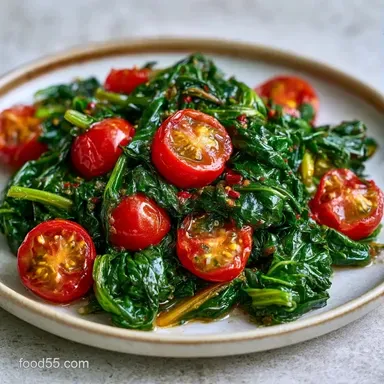
Vibrant Sauteed Swiss Chard Tomatoes
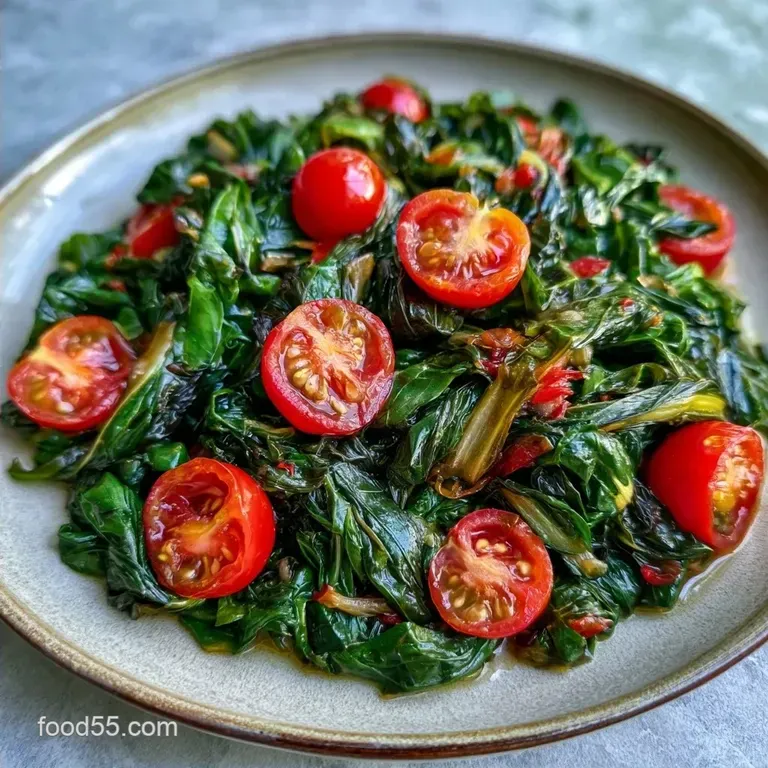
- Time: 10 min prep + 15 min cook
- Flavor/Texture Hook: Earthy greens with a bright, acidic pop
- Perfect for: A healthy weeknight side or a light lunch
Cooking Swiss Chard Tomatoes the Right Way
The smell of garlic hitting hot olive oil is enough to make anyone hungry. I used to think Swiss chard was just "health food" that tasted like dirt, especially if you overcooked it. I spent years ignoring it in favor of spinach, thinking the flavor was too aggressive or the stems too woody to be usable.
But you don't need to fear the bitterness. Most people treat chard like spinach, tossing everything in at once, which is a huge mistake. The stems take way longer to soften than the leaves. When you do it right, the result is a bright, savory dish that feels fresh and seasonal.
This version of Swiss Chard Tomatoes uses the natural acidity of cherry tomatoes to cut through the earthy mineral notes of the greens. It's a simple way to use local produce that actually tastes like a treat rather than a chore.
Why the Texture Works
- Staged Cooking: Sautéing stems first ensures they're tender crisp while the leaves stay vibrant.
- Acid Balance: Lemon juice and tomato acid neutralize the natural bitterness of the chard.
Right then, let's look at how this compares to the slower, more traditional braised method.
| Method | Time | Texture | Best For |
|---|---|---|---|
| Sautéed | 25 mins | Crisp & Bright | Weeknight sides |
| Braised | 60 mins | Soft & Jammy | Slow Sunday dinners |
Recipe Specs
This meal is nutrient-dense yet remains light. By sautéing on high heat, the flavors stay vibrant rather than blending into a stew. Another delicious use for hearty greens is my Turkey Soup with Lentils & Kale, which is also packed with vitamins.
The Ingredient Breakdown
| Ingredient | What It Does | Best Swap |
|---|---|---|
| Swiss Chard | Provides earthy base | Kale (needs more cook time) |
| Cherry Tomatoes | Adds acidic pop | Canned diced tomatoes (more liquid) |
| Lemon Juice | Brightens the flavor | Apple cider vinegar |
| Garlic | Adds savory depth | Shallots |
For the Aromatic Base
- 2 tbsp extra virgin olive oil
- 3 cloves garlic, thinly sliced Why this? Slices brown more evenly than minced garlic
- 1/2 medium yellow onion, finely diced
- 1/4 tsp crushed red pepper flakes
For the Greens & Fruit
- 1 bunch (500g) Swiss chard, stems removed and chopped, leaves sliced into ribbons Why this? Ribbons cook faster and easier to eat
- 1 cup (150g) cherry tomatoes, halved
For the Finishing Touch
- 1/2 tsp sea salt
- 1/4 tsp freshly cracked black pepper
- 1 tsp fresh lemon juice
- 1 tbsp fresh parsley, chopped
Tools for the Job
No special equipment is required. I prefer a 12 inch cast iron skillet for its ability to maintain heat and blister the tomatoes perfectly. If that's not available, a large non stick sauté pan will do. You will also want a sharp knife to slice through the chard stems.
Putting it All Together
Component Preparation
Detach the thick ribs from the Swiss chard leaves. Cut the ribs into 1/4 inch pieces and slice the leaves into ribbons 1 inch wide. Halve the cherry tomatoes and keep them with the sliced garlic and onions.
Sautéing the Aromatics
Warm the olive oil over medium heat. Sauté the diced onion for 3-4 minutes until translucent. Mix in the sliced garlic and red pepper flakes, cooking for about 60 seconds until the garlic becomes fragrant and pale gold.
Softening the Stems
Stir the chopped chard stems into the pan. Sauté for 4-5 minutes, stirring occasionally, until they are tender crisp and have a slight golden hue.
Wilting the Greens and Blistering Tomatoes
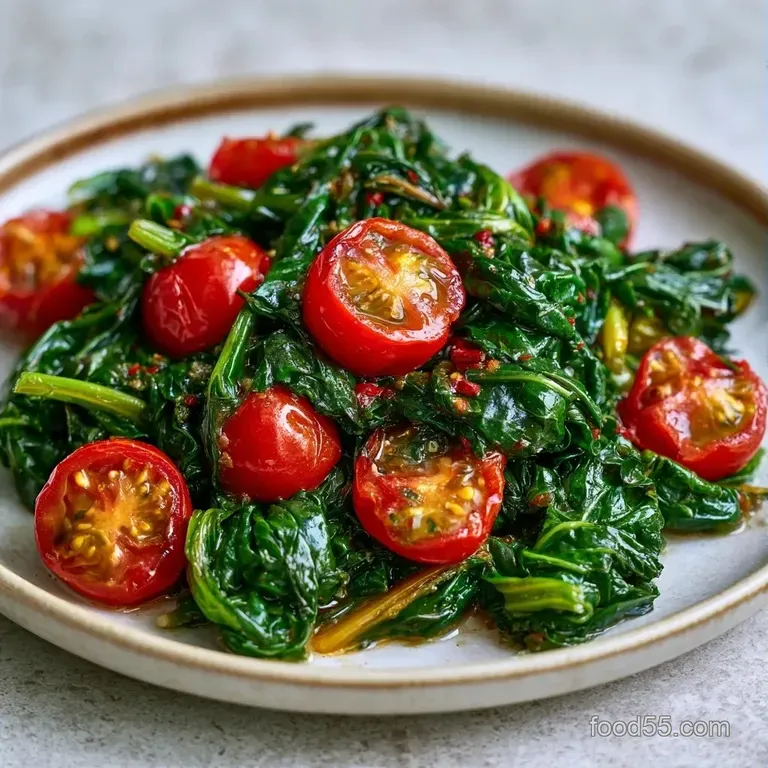
Raise the heat to medium high. Add the chard leaves and halved cherry tomatoes. Stir frequently for 2-3 minutes until the leaves are wilted and the tomatoes have begun to soften and release their juices.
Final Touches
Take the pan off the heat. Stir in the sea salt, black pepper, fresh lemon juice, and chopped parsley before serving.
Chef's Note: Avoid adding the lemon juice while the pan is still on high heat. High temperatures can make the fresh juice bitter, so stir it in at the very end for a bright, zesty finish.
Common Cooking Pitfalls
Preventing a Soggy Pan
If you notice too much liquid pooling at the bottom, stop stirring. Let the Swiss Chard Tomatoes sit undisturbed for 30 seconds. This lets the moisture evaporate and helps the edges of the greens caramelize slightly.
Avoiding Burnt Garlic
Garlic turns bitter the second it goes from gold to brown. If your pan is screaming hot, pull it off the burner for 10 seconds before adding the garlic. Trust me, the difference in taste is huge.
Managing Leaf Volume
A whole bunch of chard looks like a mountain before it cooks. Don't panic and cram it all in at once. Add the leaves in two batches if your pan is small so you can actually stir them without everything spilling over the edge.
Ways to Plate This
Tailor the presentation to suit your guests. Because this dish is so vibrant, let the natural colors stand out.
| Level | Plating Style | Tweak |
|---|---|---|
| Simple | Family Style | Present it straight from the cast iron skillet |
| Polished | Plated Side | Shape into a center mound with a lemon wedge |
| Restaurant | Gourmet | Pile leaves high and finish with a drizzle of olive oil |
When serving this as a main, it complements a rich pasta perfectly. My Creste di Gallo Pasta provides a creamy contrast that balances the acidity of the greens.
Keeping it Fresh
Refrigeration
Store any leftovers in a glass container; they will stay fresh in the refrigerator for 3 days. Note that the dish may become slightly saucier by the next day as the tomatoes release more moisture.
Proper Reheating
Try to avoid using a microwave. Instead, warm the dish in a small skillet over medium heat for 3-5 minutes. This keeps the flavors bright and prevents the chard from becoming slimy.
Using the Scraps
Don't discard the ends of the chard stems if they are too woody to eat. Place them in a freezer bag along with miscellaneous vegetable trimmings. When the bag reaches capacity, simmer the contents in water to produce a basic vegetable broth.
Changing the Recipe
Adding a Savory Depth
For a richer taste, stir in a tablespoon of capers or a few chopped kalamata olives at the very end. The brine works well with the Swiss Chard Tomatoes.
Boosting the Heat
If you like it spicy, double the red pepper flakes. You can also add a pinch of smoked paprika during the stem-sautéing stage for a woody, charred flavor.
Swapping the Greens
You can use rainbow chard for a more colorful look. If you're using kale, remember that the leaves are tougher, so they'll need an extra 3-5 minutes of cooking time before the tomatoes go in.
For a Different Goal:
- For a creamier finish: stir in a teaspoon of butter at the end.
- For more protein: top with a poached egg or crumbled feta.
- For a nuttier taste: garnish with toasted pine nuts.
Fact Check
Many believe that searing vegetables "locks in" nutrients, but that isn't actually the case. While heat always results in some vitamin loss, the real advantage here is the flavor. According to USDA FoodData Central, Swiss chard is packed with Vitamin K, which stays relatively stable during a quick sauté.
Another common misconception is that the stems are too fibrous and should be tossed. In reality, the stems offer a great crunch and are full of the plant's minerals. Just be sure to cook them for a few minutes longer than the leaves.
Now you have everything you need to make these Swiss Chard Tomatoes. It's a quick, vibrant way to add some seasonal color to your meal. Let's get started!
Recipe FAQs
What does Swiss chard taste like?
It has a salty, earthy flavor similar to spinach but with more pronounced mineral notes. The acidity from the cherry tomatoes and lemon juice in this recipe helps cut through that bitterness.
How to prevent Swiss chard from becoming mushy?
Sauté the diced ribs first for 4-5 minutes before adding the leaves. This staged approach ensures the stems are tender-crisp while the greens stay vibrant.
What can I use instead of collard greens?
Swiss chard is a great substitute because it cooks faster and has a milder flavor. For another fresh addition to your meal, try our dairy-free thousand island as a side.
Is it true that red chard is a different vegetable than Swiss chard?
Not true. Red chard is simply a variety of Swiss chard with colorful stems and is completely interchangeable in this recipe.
Can you eat Swiss chard every day?
Yes, it is a nutrient-dense leafy green that fits easily into a daily diet. Just vary your cooking methods to keep the flavors interesting.
Swiss Chard Tomatoes with Garlic