Velvety Swiss Chard Potato Soup
- Total Time: 15 min active + 30 min cook
- Taste & Texture: Buttery and chunky with a bright lemon finish
- Ideal for: A cozy weeknight dinner or meal prep
Few things beat the aroma of garlic and butter sizzling in a hot Dutch oven. It is that specific moment when the kitchen feels cozy and inviting, signaling that something comforting is simmering on the stove.
I once steered clear of chard, fearing its bitterness, until I discovered that preparing the stalks and leaves separately makes all the difference.
This is the kind of meal I crave when the weather turns cold and I want something that feels like a warm embrace. This Swiss Chard Potato Soup isn't a thin, watery broth; it's a rich, chunky soup that is truly satisfying. It perfectly balances the earthy, salty notes of the greens with the mellow sweetness of Yukon Gold potatoes.
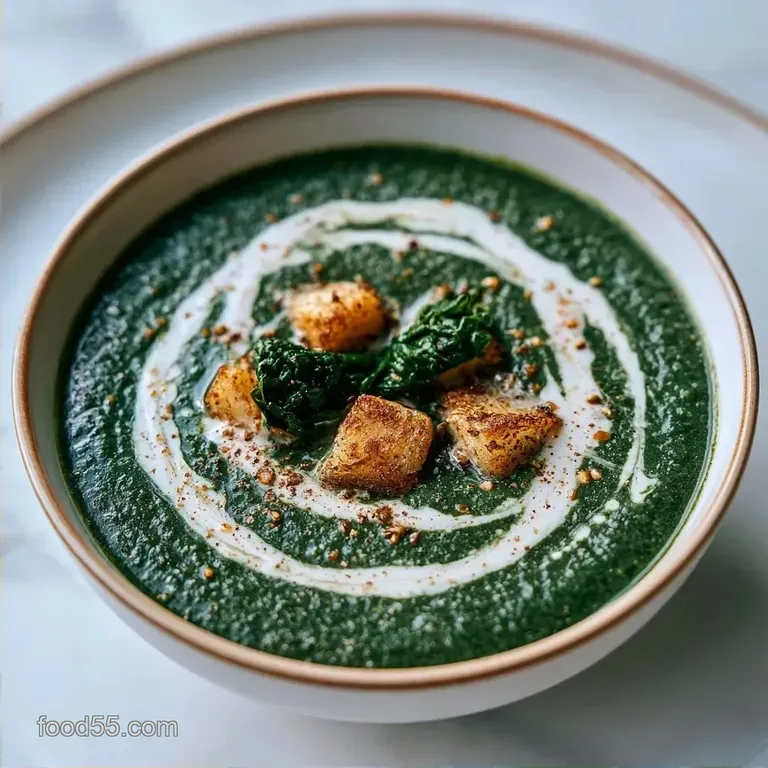
The final result is visually stunning as well as delicious. By folding in the greens at the very end, they stay a vivid forest green instead of the dull olive color typical of old-school cafeteria soups. It is a straightforward process, but the sequence of steps is important.
What Makes This Soup Work
- Dual-Phase Greens: Sautéing the stalks first tenderizes the fibrous parts, while stirring in the leaves at the last minute preserves their brightness.
- Potato Mash: Smashing a few cubes releases natural starches, which helps thicken the base of the soup.
- Acid Balance: A squeeze of lemon right before serving cuts through the creaminess and tames the bitterness of the chard.
| Method | Time | Texture | Best For |
|---|---|---|---|
| Stovetop | 45 mins | Chunky smooth | Fresh dinner |
| Slow Cooker | 6 hours | Very soft | Set and forget |
| Blender | 50 mins | Pureed/Smooth | Elegant starter |
I've noticed that using fresh ingredients truly enhances the final result. Although you can use frozen options, the extra water in frozen chard often makes the broth feel thin.
| Ingredient | Fresh | Frozen | Impact |
|---|---|---|---|
| Swiss Chard | Vibrant color, crisp stalks | Softer texture, muted green | Fresh is better for color |
| Potatoes | Firm cubes, better starch | Mushier, less structure | Fresh keeps the "chunk" |
The Ingredients You Need
For the flavor base, we use a mix of olive oil and butter. The oil stops the butter from burning, and the butter gives the onions that rich, bistro style taste.
For the hearty body, Yukon Gold potatoes are my go to. They have a naturally buttery flavor and don't fall apart as easily as Russets. The Swiss chard provides the earthy soul of the dish, and the heavy cream ties it all together.
For the creamy finish, we use Parmesan and lemon. The cheese adds a salty punch, and the lemon wakes up every other ingredient in the pot.
- 2 tbsp extra virgin olive oil
- 1 tbsp unsalted butter
- 1 medium (150g) yellow onion, finely diced
- 3 cloves (15g) garlic, minced
- 1 bunch (approx. 250g) Swiss chard, stalks finely diced and leaves roughly chopped Why this? Stalks add crunch; leaves add color
- 1.5 lbs (680g) Yukon Gold potatoes, peeled and cut into 1/2 inch cubes Why this? Holds shape well when simmered
- 4 cups (950ml) vegetable broth, low sodium
- 1 tsp dried thyme
- 1 bay leaf
- 1 tsp kosher salt
- ½ tsp cracked black pepper
- ½ cup heavy cream Why this? Adds a velvety mouthfeel
- 1 tbsp fresh lemon juice
- ¼ cup freshly grated Parmesan cheese
| Original Ingredient | Substitute | Why It Works |
|---|---|---|
| Heavy Cream (½ cup) | Full fat Coconut Milk | Similar richness. Note: Adds a subtle coconut flavor |
| Vegetable Broth | Chicken Broth | More savory depth. Note: Changes recipe to non vegetarian |
| Swiss Chard | Kale or Collards | Similar earthy flavor. Note: Needs 5-10 mins more cooking time |
| Parmesan | Pecorino Romano | Similar saltiness. Note: Sharper, more pungent taste |
Essential Kitchen Gear
Simple equipment will do. A heavy-bottomed pot is crucial for distributing heat evenly and stopping the butter from scorching. I recommend a Dutch oven, though any large stockpot will do. You'll also want a potato masher or a sturdy wooden spoon to build that natural thickness.
A sharp chef's knife is necessary to cut the chard stalks into small, uniform bits so they tenderize alongside the onions.
Cooking Steps for Success
Let's start cooking. If you have your chopping finished beforehand, this Swiss Chard Potato Soup comes together very quickly.
- Warm the olive oil and butter in a Dutch oven over medium heat until the butter foams.
- Add the diced onion and the reserved Swiss chard stalks. Sauté for 5–7 minutes until the onions are translucent and the stalks have softened.
- Stir in the minced garlic and cook for 60 seconds until fragrant. Note: Avoid browning the garlic to prevent a bitter taste.
- Add the cubed potatoes, dried thyme, salt, and black pepper. Stir to ensure the potatoes are well-coated.
- Pour in the vegetable broth and add the bay leaf. Simmer for 15-20 mins until potatoes are tender when pierced with a fork.
- Using a potato masher or wooden spoon, partially crush some of the cooked potatoes directly in the pot. Note: This releases starch to naturally thicken the soup.
- Stir in the chopped Swiss chard leaves and cook for 2-3 minutes until just wilted.
- Mix in the heavy cream and fresh lemon juice.
- Remove the bay leaf and serve hot, garnished with freshly grated Parmesan cheese.
Fixing Common Soup Issues

Even the best recipes can occasionally miss the mark. Often, it's simply a timing issue or a slight imbalance in ingredients. I remember overcooking my chard once, which left the soup looking like murky pond water; it still tasted delicious, but it wasn't visually appealing.
The Soup Appears Gray
This typically occurs when the chard leaves simmer for too long. To prevent this, stir them in during the final few minutes. If the color has already faded, a splash of fresh cream or a sprinkle of fresh parsley can help brighten the appearance.
The Broth is Too Watery
If you didn't crush enough potatoes, the texture may feel more like a thin broth. You can either mash a few more cubes or let the pot simmer uncovered for an additional 5-10 minutes to reduce the liquid.
Overpowering Bitterness
The bitterness of chard can fluctuate depending on the season. If the flavor is too sharp, stir in another teaspoon of lemon juice or a tiny pinch of sugar to balance the profile.
| Problem | Fix |
|---|---|
| Gray/Dull Color | Add greens only at the end |
| Too Thin | Mash more potatoes or simmer longer |
| Bitter Taste | Add more lemon juice or a pinch of sugar |
For those who want a specific result, use this quick guide:
| Goal | What to change |
|---|---|
| Thicker consistency | Mash 50% of potatoes instead of 25% |
| Brighter flavor | Increase lemon juice to 1.5 tbsp |
| Lighter meal | Use 1/4 cup cream and 1/4 cup extra broth |
Serving and Garnish Ideas
The visual appeal of this Swiss Chard Potato Soup is truly striking. To make the colors pop, I suggest adding three specific finishing touches. First, the white Parmesan cheese creates a vivid contrast against the deep green hues. Second, a sprinkle of cracked black pepper adds a rustic charm.
Finally, a small drizzle of extra virgin olive oil gives the dish a polished, glossy look.
This soup pairs perfectly with a piece of crusty sourdough or a toasted baguette rubbed with a garlic clove. If you need another cozy appetizer for a winter dinner party, my French Onion Soup recipe is a wonderful accompaniment.
Always serve the soup in warmed bowls. This ensures your meal stays hot and doesn't cool down instantly due to a chilled bowl.
Keeping Your Soup Fresh
Keep any extra soup in an airtight glass container. It will remain fresh in the fridge for 3 to 4 days. You'll find that the potatoes make the consistency even thicker as it rests, which is actually quite pleasant.
To reheat, warm it gently on the burner at a low-medium setting. Stir in a bit of liquid, such as water or broth, to restore the texture. I suggest avoiding the freezer for this recipe, as the cream may split and the potatoes can develop a grainy consistency.
To reduce waste, don't throw away your potato peels. After scrubbing them well, toss them with oil and salt and roast at 400°F (200°C) for 10 minutes for a crisp treat.
Additionally, if you have spare chard stems from another dish, add them to the initial sauté, they are far too flavorful to discard.
Changing the Recipe
Adjust this Swiss Chard Potato Soup to suit your dietary needs or mood. To boost the protein, try stirring in smoked kielbasa or sliced Italian sausage while the potatoes simmer. For a rustic, lighter option, check out this Hearty Turkey Soup if you have leftovers in the fridge.
Making it Vegan
Use olive oil or a plant-based butter instead of dairy butter. Substitute the heavy cream for cashew cream or full-fat coconut milk. To get that salty, nutty taste without Parmesan, try nutritional yeast or a vegan cheese alternative.
Boost the Protein
Mix in 1 cup of chickpeas or cooked cannellini beans together with the potatoes. This increases the protein content and adds creaminess without altering the overall taste.
Green Alternatives
Kale works perfectly if Swiss chard isn't available. Since kale is heartier, stir it in 5-10 minutes before adding the cream so it softens properly.
Common Kitchen Myths
Searing potatoes before adding liquid doesn't "lock in" the flavor, but it does add a toasted note to the soup. The real reason we stir them in the fat is to ensure every cube is coated, which helps them hold their shape.
Another myth is that you have to peel potatoes for soup. While I prefer peeling Yukon Golds for a smoother look, leaving the skins on adds more nutrients and a more rustic, earthy vibe. It's entirely a matter of preference.
Whether you're making a big pot for the family or just a small batch for yourself, the trick is all in the timing. Treat those greens with care, don't skip the lemon, and you'll have a bowl of comfort that beats any restaurant version. Enjoy!
Recipe FAQs
What does Swiss chard taste like?
It has an earthy, slightly salty flavor similar to spinach but with a more robust profile.
Tip: adding lemon juice at the end brightens the overall taste.
How do you prepare the chard?
Dice the stalks finely and roughly chop the leaves.
Tip: keep them separate since they require different cooking times.
Is it true that Swiss chard is different from red chard?
False. They are the same species, and the only difference is the color of the stems.
Tip: either variety works perfectly in this potato soup.
When are the leaves added?
Stir them in during the last 2-3 minutes of cooking.
Tip: this prevents them from overcooking and turning an olive-drab color.
Why is the soup thick?
Partially crushing some cooked potato cubes releases natural starches into the broth.
Tip: use a potato masher directly in the pot for a rustic texture.
How to cut the bitterness?
Stir in fresh lemon juice and heavy cream just before serving.
Tip: the acid in the lemon specifically neutralizes the chard's natural bitter notes.
Are the stalks too tough to eat?
That's a myth. Sautéing them with the onions for 5–7 minutes softens them completely.
Tip: use the stalks to add a nice crunch and extra nutrition to your meal.
Which potato variety works best?
Yukon Gold potatoes are ideal because they hold their shape while providing a creamy texture.
Tip: if you're mastering thickening techniques here, see how we use a similar creamy base in our Mornay sauce.
Swiss Chard Potato Soup in 45 Minutes