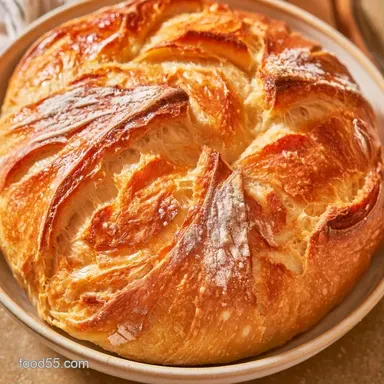
Sourdough Pie Crust for Quiche: Buttery and Crisp
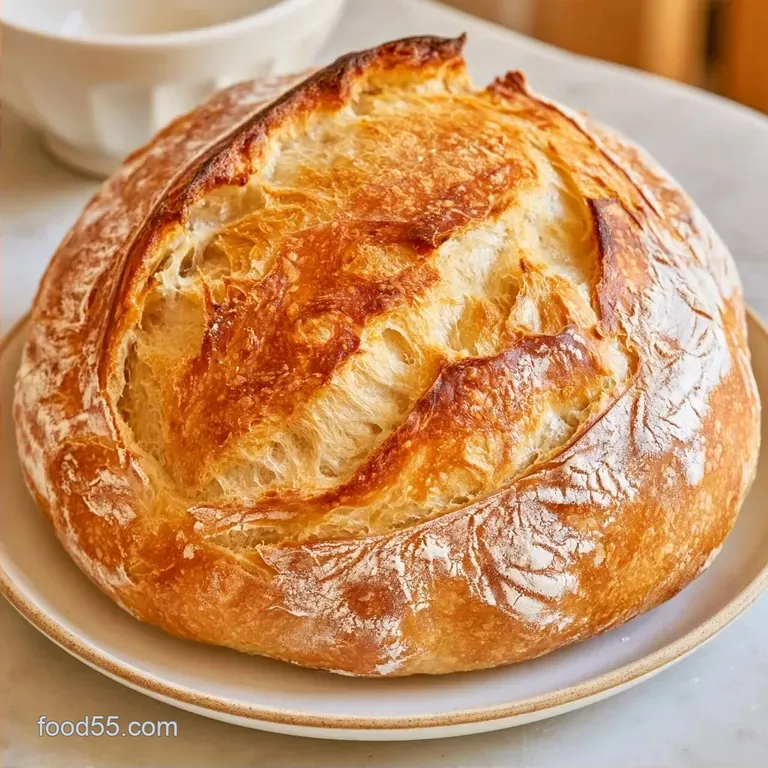
- Time:15 mins active + 1 hour chilling
- Flavor/Texture Hook: Buttery, crisp, and subtly tangy
- Perfect for: Weekend gatherings or seasonal brunches
Nothing beats the satisfying snap of a quiche crust on a Sunday morning. Combining farm fresh butter with a bit of sourdough discard fills the room with a warm, toasted grain scent, offering a massive upgrade over bland, store-bought shells.
You can achieve this professional result without spending hours in the kitchen. The payoff is a reliable base that supports dense fillings without buckling. By opting for a Sourdough Pie Crust for Quiche, you clear out your discard jar while introducing a complexity that standard flour simply cannot match.
This method prioritizes efficiency and quality. By working quickly and keeping the ingredients chilled, you'll achieve those signature flaky layers. It's an easy way to serve an elegant brunch without the typical pastry chef pressure.
The Trick Behind the Texture
- Lactic Acid: The acidity in the sourdough breaks down long gluten strands, which keeps the crust tender instead of chewy.
- Cold Fat Pockets: Keeping butter in pea sized lumps creates steam during baking, which lifts the dough into layers.
| store-bought Shell | Sourdough Homemade | Impact |
|---|---|---|
| Bland, oily taste | Tangy, buttery depth | Much richer flavor |
| Often rubbery | Shattering crispness | Better mouthfeel |
| Processed preservatives | Fresh, local ingredients | Cleaner label |
Essential Tools for Success
Specialized gear isn't necessary, though a few items are helpful. A pastry blender is great, but two forks pressed together work just as well for cutting in the butter. You'll also need a rolling pin and a 9 inch pie dish.
If you have a food processor, you can pulse the flour and butter, but be careful not to overwork the mixture. You want lumps, not a paste.
The Building Blocks
| Ingredient | Role | If You Don't Have It |
|---|---|---|
| All purpose flour | Provides structure | Spelt flour (adds nuttiness) |
| Cold unsalted butter | Creates flakiness | Chilled margarine (less flavor) |
| Sourdough discard | Adds tang and tenderizes | Greek yogurt + splash of vinegar |
| Fine sea salt | Balances the fat | Kosher salt (use a bit more) |
Choosing Your Components
- 1.5 cups (180g) all purpose flour Why this? Balanced protein for a sturdy but tender base
- 0.5 cup (115g) cold unsalted butter, cubed Why this? High fat content for maximum shatter
- 0.5 cup (120g) chilled sourdough discard Why this? Natural acidity prevents toughness
- 0.5 teaspoon (3g) fine sea salt Why this? Enhances the savory notes of the quiche
- 1-2 tablespoons ice cold water Why this? Binds the dough without adding too much moisture
Recipe Specs
This recipe is designed for one standard 9 inch tart or pie pan. It's a lean process, but the resting time is non negotiable if you want to avoid the dreaded shrinking crust.
- Prep time: 15 minutes
- Cook time: 15 minutes
- Total time: 1 hour 30 mins
- Temperature: 200°C (400°F) for blind baking
Bringing It Together
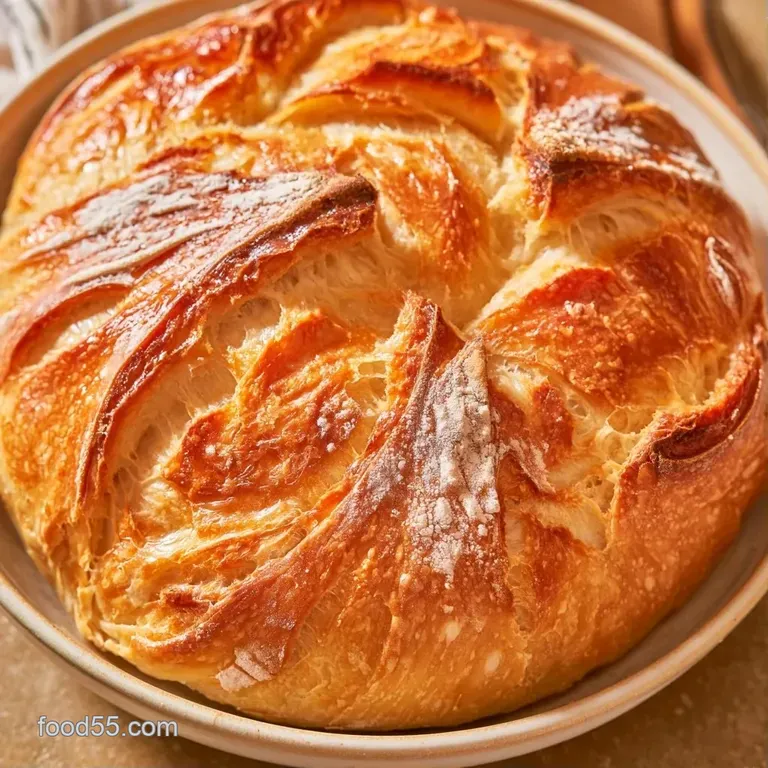
- Whisk the flour and salt together in a wide mixing bowl.
- Stir in the cubed cold butter. Use a pastry cutter or forks to work the butter into the flour until it resembles coarse crumbs with a few pea-sized lumps remaining.
- Fold in the chilled sourdough discard using a spatula.
- Lightly press the dough together until it just starts to clump. Note: Avoid kneading it like bread to keep the flakes.
- Gradually add ice water by the tablespoon until the dough forms a ball.
- Press the dough into a flat disc and wrap it tightly in plastic.
- Chill in the refrigerator for 1 hour to relax the gluten and firm up the butter.
- On a floured surface, roll the dough out into a 12 inch circle.
- Gently transfer the dough into the pie dish, press the sides, and prick the bottom with a fork.
- Line with parchment and pie weights, then bake for 15 minutes until the edges are set and pale gold.
Common Mistakes & Troubleshooting
The most frequent issue is the dough becoming too warm. If the butter melts before it hits the oven, you get a cookie like crust instead of a flaky one. I once rushed the chilling step and ended up with a shell that shrank two inches down the side of the pan. It's frustrating, but easy to fix.
For those who struggle with consistency, using a Sourdough Pie Crust recipe method can help you get used to the feel of the dough.
Dough Too Sticky
If your discard is very hydrated, the dough might feel like paste. Don't keep adding flour, as that makes the crust tough. Instead, pop the disc in the freezer for 10 minutes.
The Shrunken Crust
This happens when the gluten is too tight or the butter is too soft. Always let the dough rest for the full hour.
Soggy Bottoms
When you pour wet custard into a raw crust, it steams from the bottom. Blind baking (pre baking) the crust is the only way to stop this.
| Problem | Root Cause | Solution |
|---|---|---|
| Dough crumbles apart | Not enough water/discard | Add 1 tsp ice water at a time |
| Crust is tough/hard | Over mixing the flour | Stop as soon as it clumps |
| Bottom is wet | Skipping the blind bake | Bake with weights for 15 mins |
Keeping It Fresh
Keep the raw dough disc chilled for no more than two days. Otherwise, wrap it in foil and freeze it for 3 months, then thaw it in the refrigerator overnight before baking.
To prevent waste, save any leftover scraps from rolling. I usually form them into small balls and bake them with a pinch of sea salt for a quick savory treat.
Creative Twists and Swaps
Feel free to adjust the flavor of your Sourdough Quiche Crust based on the season. Adding a touch of fresh thyme to the dough is a fantastic pairing for spring asparagus. For a more substantial autumn option, use a Sourdough Pot Pie Crust recipe approach for added stability.
- Savory Herb: Mix in 1 tsp of dried oregano or fresh rosemary.
- Cheese Boost: Incorporate 20g of finely grated Parmesan into the flour.
- Grain Swap: Swap 30g of AP flour for rye flour to achieve a deeper, earthier flavor.
| Goal | Exact Change | Impact |
|---|---|---|
| Extra Tang | Add 1 tsp lemon juice | Sharper contrast to cream |
| More Crunch | Brush edges with egg wash | Glossy, golden finish |
| Nutty Flavor | Use toasted walnut flour (10%) | Earthy, rich aroma |
Truth About Pastry
Some people say you must use a food processor for the best results. That's not true. Hand cutting the butter actually allows you to see exactly when the lumps are the right size, which often leads to better flakes.
Another myth is that you should "blind bake" for an hour. You only need about 15 minutes to set the structure; any longer and you'll overcook the flour before the filling even goes in.
What to Serve This With
A traditional Quiche Lorraine with thick cut bacon and Gruyère is the definitive choice. The sourdough's signature tang balances the creamy cheese beautifully.
For a lighter, seasonal alternative, try a Garden Harvest Quiche featuring sautéed leeks, fresh spinach, and goat cheese. Serve either option with a simple arugula salad tossed in lemon vinaigrette to keep the meal bright and vibrant.
Recipe FAQs
Can sourdough discard be used in pie crusts?
Yes, it adds a subtle tang and helps create a more tender crumb. It is a great way to use leftover starter.
Which type of crust works best for quiche?
A robust and flaky sourdough crust is the best choice to withstand the moist custard filling. If you liked mastering these discard ratios, you can also try them in our pumpkin cookies.
Why did my sourdough crust turn out like a cookie?
The butter likely melted before baking because the dough wasn't chilled enough. Always refrigerate the disc for at least an hour to keep the fat solid.
Is it true that you can skip blind baking for quiche?
Actually, no. Pre-baking the crust with weights prevents the bottom from becoming soggy once the custard is added.
Sourdough Pie Crust For Quiche