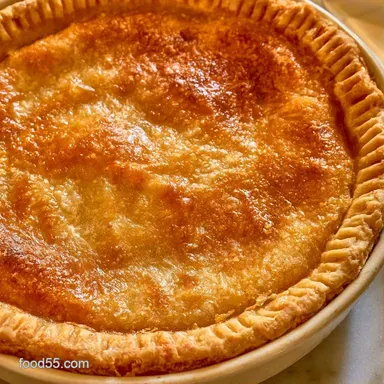
Healthy Sourdough Pie Crust
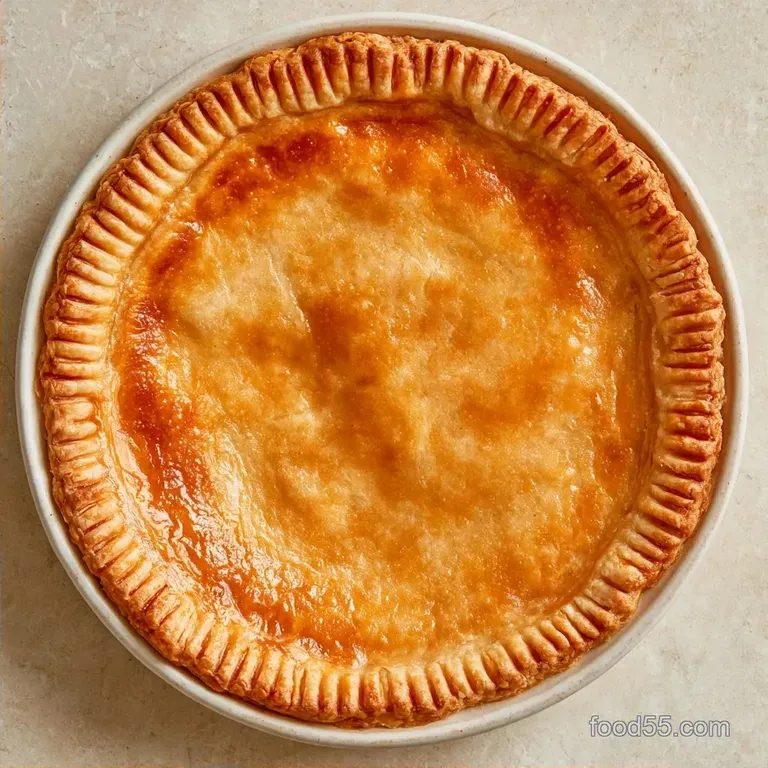
- Time:15 minutes active + 1 hour chilling
- Flavor/Texture Hook: Tangy, mahogany colored, and flaky
- Perfect for: Seasonal fruit tarts or savory quiches
The aroma of browned butter and fermented flour filling a hot oven is one of the highlights of autumn for me. There is a certain rustic quality to the way sourdough pastry browns that feels more authentic than a standard crust.
I originally began using discard to avoid waste, but I continued because of a complex, distinct flavor absent in commercial mixes.
Historically, sourdough was used for more than just bread. In many European traditions, the "leaven" was incorporated into everything from rustic tarts to pancakes. It brings a sense of old-world heritage to the modern kitchen, transforming a simple dessert into something with a storied taste.
When preparing a Sourdough Pie Crust, you are doing more than adding a tangy note; you are changing the dough's behavior. It is slightly more forgiving than traditional pastry, though it still rewards you for keeping your fats cold and your touch light.
How Sourdough Changes the Crust
Tender Gluten: The lactic acid in the sourdough discard breaks down the long protein strands in the flour. This means the crust doesn't get tough or "bready" even if you overwork it slightly.
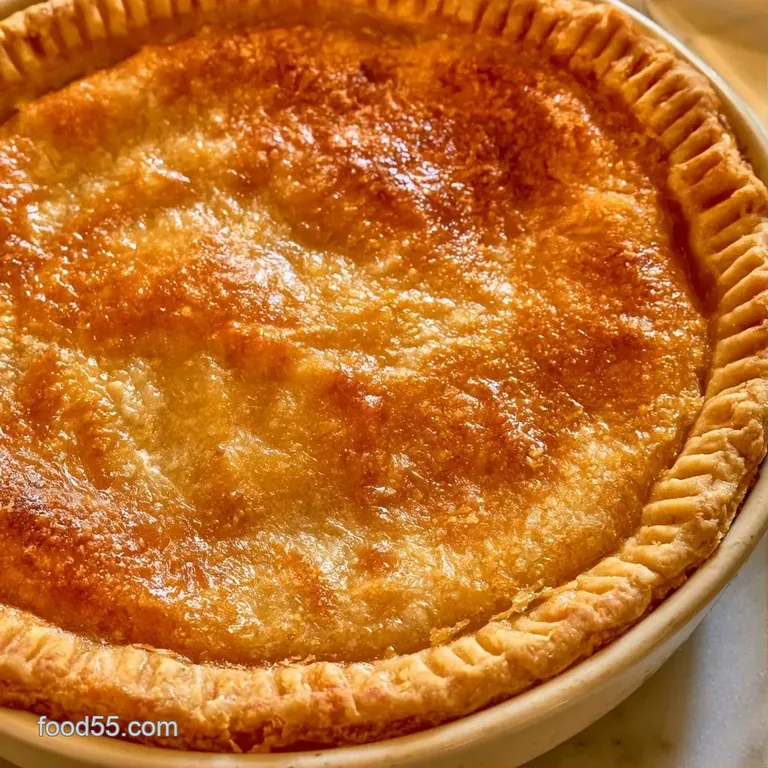
Deep Color: Natural sugars in the fermented starter caramelize faster in the oven. You get a deep, mahogany finish without needing to load the dough with extra sugar.
Why These Ingredients Work
| Ingredient | Function | Swap Suggestions |
|---|---|---|
| All Purpose Flour | Builds structure | Bread flour: Higher protein creates a chewier crust |
| Unsalted Butter | Creates flakiness | Solid coconut oil: Similar fat, though it lacks the buttery flavor |
| Sourdough Discard | Adds tang and tenderness | Greek yogurt: Similar acidity, but lacks the depth of fermentation |
| Fine Sea Salt | Balances the richness | Kosher salt: Use 3/4 tsp instead of 1/2 tsp |
My Sourdough discard cookies are another wonderful option for bringing that same tangy depth to a sweet treat.
The Shopping List
For this Sourdough Pie Crust, grab these specific items:
- 2 cups (250g) all purpose flour
- 1/2 cup (113g) unsalted butter, chilled and cubed Why this? Cold fat creates the steam pockets for flakiness
- 1/2 cup (120g) sourdough discard (unfed, 100% hydration) Why this? Provides acidity for a tender crumb
- 1/2 tsp (3g) fine sea salt
- 1 tbsp (15ml) ice water Why this? Prevents butter from melting during mixing
- 1 egg (50g), beaten
- 1 tbsp (15ml) water
- 1g coarse salt
For a snack that's just as crispy, you might like these Sourdough discard crackers for your next cheese board.
Tools for the Job
I prefer using a food processor to keep the butter cold, but a pastry cutter works too. You'll also need a chilled mixing bowl if you're going the manual route. A rolling pin and a 9 inch pie dish are the basics.
Chef's Tip: Put your flour and your mixing bowl in the freezer for 10 minutes before you start. When everything is ice cold, the butter stays in distinct chunks, which is exactly what makes the crust flake.
Bringing It Together
1. Combining Cold Ingredients
Mix the all purpose flour and fine sea salt in a chilled food processor or bowl. Incorporate the cold, cubed butter, pulsing or cutting it in until the texture resembles coarse crumbs with some pea-sized pieces remaining. Note: Don't overwork the mixture; you want those visible lumps of butter.
2. Adding Moisture
Using a spatula, fold in the sourdough discard. Stir gently until a shaggy dough forms. If the mixture is too dry to bind, stir in ice water by the spoonful until the dough just holds together without becoming sticky.
3. Resting and Shaping
Shape the dough into two discs, wrap them securely in plastic, and refrigerate for at least 1 hour. Roll the dough from the center outward on a floured surface. Move the pastry to your pie dish and trim the edges. Note: This method is similar to the pâte brisée technique called fraisage, where you use the heel of your hand to press the butter into thin layers.
4. The Final Bake
Fill the crust as you prefer and brush the edges with the egg and water mixture. For a professional finish, sprinkle 1g of coarse salt along the rim. Bake at 375°F (190°C) until golden brown, which usually takes about 40 minutes.
Fixing Common Issues
Sticky Dough
If the dough clings to your fingers or the counter, your discard might have been too thin or your kitchen is too warm. Put the dough back in the fridge for 30 minutes. When you roll it again, use a bit more flour on the surface to prevent sticking.
Shrinking Crust
This happens when the gluten is too tight or the dough didn't rest. Always let the dough chill for at least 1 hour. When you place it in the pan, gently press it into the corners rather than stretching it, which prevents it from snapping back during the bake.
Soggy Bottom
A wet filling often seeps into the base. To stop this, you can blind bake the crust for 10 minutes before adding the filling. Alternatively, brush a thin layer of beaten egg over the bottom of the crust to create a moisture barrier.
| Goal | What to change |
|---|---|
| More Flakiness | Use larger butter chunks |
| Sweeter Crust | Add 1 tbsp sugar |
| Sturdier Base | Add 2 tbsp flour |
Storage and Reheating
Keep unused dough discs in the fridge for 3 days. If you won't use them by then, wrap them in plastic and then foil for the freezer. They stay good for 3 months.
To use a frozen disc, let it thaw in the fridge overnight. Don't try to thaw it on the counter, or the outer edges will melt while the center stays frozen, which ruins the texture.
For zero waste, don't toss the scrap dough from the edges. Gather the trimmings, roll them into small balls, and bake them as "pie crackers" with a bit of salt.
| Method | Texture | Time |
|---|---|---|
| Fast (Processor) | Uniformly flaky | 15 mins |
| Classic (Hand) | More rustic chunks | 30 mins |
Serving and Plating Ideas
The mahogany color of a Sourdough Pie Crust looks stunning against bright, seasonal fruits like tart cherries or crisp Granny Smith apples.
Simple Plating: Serve the pie straight from the dish. Let the juices run slightly over the edge for a homey, rustic feel.
Polished Plating: Use a fluted pastry cutter for the edges. Dust the top of the fruit with a tiny bit of powdered sugar and serve with a dollop of crème fraîche.
Restaurant Plating: Cut a clean wedge and place it slightly off center on a large white plate. Use a stencil to dust cocoa powder or cinnamon in a pattern around the slice, and add a few fresh mint leaves for a pop of color.
| Plating Level | Key Tweak | Vibe |
|---|---|---|
| Simple | Rustic edges | Family dinner |
| Polished | Crimped rim | Holiday party |
| Restaurant | Stenciled garnish | Fine dining |
Tweak Your Crust
Going Savory
If you are making a quiche or a Sourdough Pot Pie Crust, omit any sugar from the filling and mix 1/2 tsp of cracked black pepper or dried thyme directly into the flour. This tastes wonderful with local leeks and mushrooms.
Adding Whole Grains
Swap 1/2 cup of all-purpose flour for whole wheat or spelt flour. This results in a nuttier, denser crust that complements squash or pumpkin fillings perfectly.
Vegan Alternatives
For a Vegan Sourdough Pie Crust, substitute the butter with chilled vegan butter sticks and replace the egg wash with a mix of 1 tbsp ground flax and 3 tbsp water.
That's the secret to a Sourdough Pie Crust. It takes a little more patience than a conventional dough, but the flavor is absolutely worth the wait. Believe me, once you've tried sourdough, the plain versions feel incomplete. Let's get baking!
Recipe FAQs
Can sourdough discard be used for pie crust?
Yes, discard adds a subtle tang and improved texture to the pastry.
Tip: Use unfed discard at 100% hydration for the best balance of flavor and structure.
Why does my sourdough pie crust turn out tough?
Overworking the dough develops too much gluten, which removes the flakiness.
Tip: Stir the discard in until just combined to maintain those pea-sized butter chunks.
Is it true that sourdough crust is significantly healthier than traditional crust?
That isn't the case. Despite the addition of fermented flour, the proportions of butter and flour are quite similar to those found in conventional crusts.
Tip: If you liked adjusting the discard's consistency here, you can apply those same techniques to our sourdough starter guide.
Which flour works best for this recipe?
All-purpose flour provides the ideal balance of strength and tenderness.
Tip: Chill your flour in the freezer for 10 minutes before mixing to keep the butter cold.
How to keep the crust from shrinking during baking?
Chill the rolled dough in the pie dish for 30 minutes before putting it in the oven.
Tip: Bake at 375°F (190°C) to ensure the edges set quickly before they can slide down.
Sourdough Pie Crust: Crisp and Flaky