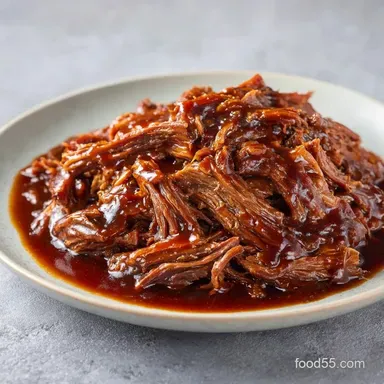
Summer Slow Cooker Italian Beef: Tender and Zesty
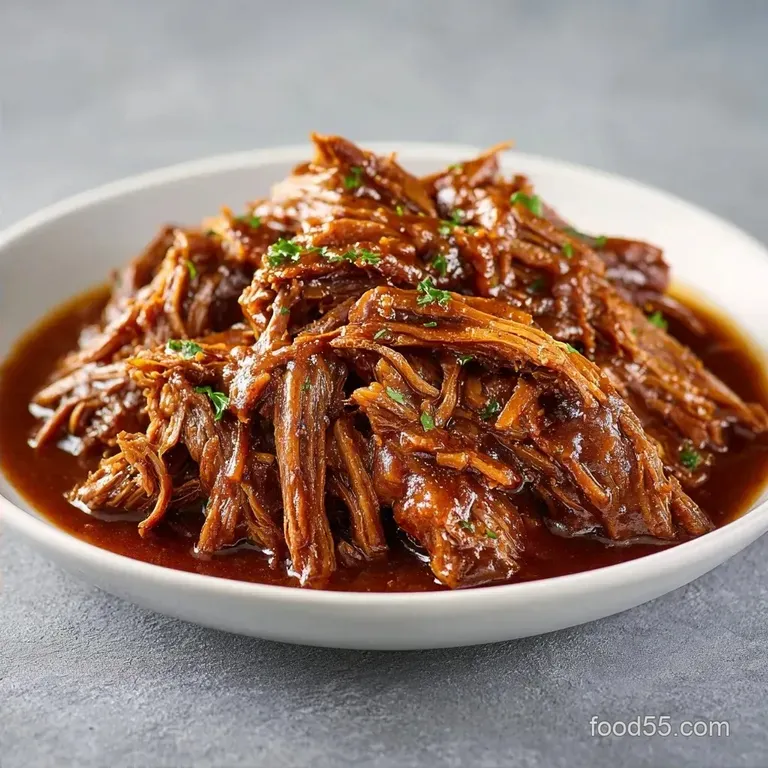
- Time: 20 min active + 8 hours cooking
- Flavor/Texture Hook: Shredded, tender beef with a zesty, vinegary punch
- Perfect for: Summer family gatherings, game day, or low effort meal prep
- Summer Slow Cooker Italian Beef
- Why the Beef Stays Tender
- Ingredient Deep Dive
- Essential Kitchen Tools
- The Cooking Process
- Fixing Common Issues
- Troubleshooting Common Issues
- Easy Flavor Variations
- Adjusting Portion Sizes
- Truth About Beef Braising
- Storage and Leftovers
- Best Side Dish Pairings
- High in Sodium
- Recipe FAQs
- 📝 Recipe Card
That first sizzle when the beef hits the hot oil is where the magic starts. If you aren't smelling that deep, nutty aroma of browning meat, you're missing out. I remember the first time I tried this, I skipped the searing step because I was in a rush.
The meat was tender, sure, but it lacked that mahogany depth that makes a sandwich feel like it came from a real Chicago deli.
The secret is all in the beef chuck roast. I always look for a piece with a good amount of white marbling - those little streaks of fat that melt away during the 8 hours of cooking.
Using a leaner cut like round or sirloin is a mistake I made early on; they just can't handle the long heat and end up feeling dry. When you get the right chuck, it practically falls apart when you touch it with a fork.
We're making a Summer Slow Cooker Italian Beef that doesn't heat up the whole house. By letting the appliance do the heavy lifting, you can spend your afternoon on the porch instead of hovering over a stove.
It's a hearty meal, but the hit of giardiniera and pepperoncini keeps it feeling bright and fresh for the season.
Summer Slow Cooker Italian Beef
Right then, let's talk about why we use these specific steps. Most people just throw everything in the pot and hope for the best, but that's how you end up with "boiled" meat instead of a rich braise. Searing the beef first creates a crust that adds a layer of savory complexity.
Then, the slow simmer in a mix of broth and vinegar transforms the tough collagen into gelatin, which gives the meat that silky mouthfeel.
But what about the sogginess? We'll get to that. The key is the "soak" phase. Once you shred the beef, letting it sit in the au jus for a few minutes ensures every fiber is saturated. If you just scoop the meat out and put it on the bun, you're leaving all the flavor in the pot.
If you've enjoyed this style of slow cooking, you might also love my ultimate slow cooker pot roast recipe, which uses a similar low and slow approach but with a more traditional root vegetable profile. Both rely on that same patience to get the meat just right.
Why the Beef Stays Tender
The goal here isn't just to cook the meat, but to fundamentally change its structure. Here is what's actually happening inside your cooker:
- Collagen Breakdown: The long, slow heat converts tough connective tissue into gelatin, which makes the meat feel velvety rather than stringy.
- Acidic Tenderizing: The apple cider vinegar breaks down the muscle fibers, allowing the broth and spices to penetrate deeper into the roast.
- Fat Rendering: Slow heat melts the intramuscular fat, which bastes the meat from the inside out for 8 hours.
- Moisture Retention: Keeping the lid sealed traps steam, preventing the liquid from evaporating and keeping the beef submerged.
Since we are focusing on a long braise, it's helpful to understand how different cuts react to heat. According to the USDA FoodData, beef chuck is higher in fat and connective tissue than leaner cuts, which is exactly why it's the only choice for a Summer Slow Cooker Italian Beef.
Below is a quick look at how the "fresh" approach compares to the shortcuts some people take. Trust me, the extra 10 minutes of prep makes a world of difference.
| Feature | Fresh Approach | Shortcut Version | Impact |
|---|---|---|---|
| Searing | Cast iron sear | No sear | Loss of deep, savory crust |
| Garlic | Fresh minced | Garlic powder | Less pungent, flatter flavor |
| Beef | Choice Chuck | Pre cut stew meat | Tougher, uneven texture |
| Liquid | Mixed Au Jus | store-bought broth | Too salty, lacks acidity |
Ingredient Deep Dive
Not every ingredient is just there for flavor; some are doing a specific job to make this dish work.
| Ingredient | Science Role | Pro Secret |
|---|---|---|
| Beef Chuck | Structure/Fat | Choose a roast with heavy marbling for more moisture |
| Apple Cider Vinegar | Fiber Breakdown | Use ACV over white vinegar for a fruitier, milder tang |
| Beef Broth | Solvent/Medium | Use low sodium so you can control the salt level |
| Worcestershire | Umami Boost | Adds a fermented depth that mimics long aged beef |
When picking your beef, try to find a local butcher who can give you a well marbled roast. Sustainability matters, and local grass fed beef often has a more vibrant flavor that stands up well to the strong acidity of the giardiniera.
Essential Kitchen Tools
You don't need a professional kitchen to pull this off, but a few specific tools make it easier.
- Slow Cooker: A 6 quart model is ideal so the beef isn't cramped.
- Cast Iron Skillet: This is for the sear. It holds heat better than non stick, giving you that mahogany crust.
- Two Forks: Essential for the shredding process.
- Meat Thermometer: While you're cooking by time, checking that the internal temp has hit 200°F ensures it's truly tender.
- Tongs: For flipping the roast without piercing the meat and letting juices escape.
The Cooking Process
Let's crack on with the actual steps. Keep an eye on the colors and smells - those are your real guides.
Phase 1: The Flavor Foundation
- Pat the beef dry with paper towels. Note: Wet meat steams instead of searing, which prevents the crust from forming.
- Season the roast generously with 1 tsp kosher salt and 1 tsp cracked black pepper.
- Heat 2 tbsp vegetable oil in a skillet over medium high heat until it shimmers.
- Sear the roast for 4-5 minutes per side until a deep mahogany colored crust forms. Transfer the beef to the slow cooker.
Phase 2: The Slow Simmer
- In a bowl, whisk together 2 cups low sodium beef broth, 1/2 cup apple cider vinegar, 4 cloves minced garlic, 1 tbsp dried oregano, 1 tbsp dried basil, 1 tsp onion powder, and 1 tbsp Worcestershire sauce.
- Pour the liquid mixture over the beef in the slow cooker and tuck in 2 bay leaves.
- Cover and cook on Low for 8 hours until the meat is fork tender and pulls apart with zero resistance.
Phase 3: The Final Shred & Soak
- Remove the beef to a carving board and shred into thick chunks using two forks. Discard the bay leaves.
- Return the shredded beef to the slow cooker and toss to coat. Let it soak in the au jus for 15 minutes until the meat looks glossy and saturated.
- Assemble by placing beef on 8 hoagie rolls, topping with a slice of provolone cheese, 1 cup giardiniera, and 1/2 cup sliced pepperoncini peppers.
Chef's Note: If you want the cheese to be perfectly melted, put the assembled sandwich under a broiler for 60 seconds. It makes the provolone bubble and slightly brown, which is just brilliant.
Fixing Common Issues
Even with a simple recipe, things can go sideways. Most of the time, it's just a matter of adjusting the liquid or the time.
Troubleshooting Common Issues
| Issue | Solution |
|---|---|
| Why Your Meat Is Tough | If the beef is resisting the fork, it's usually not "overcooked" - it's undercooked. Beef chuck needs to reach a specific internal temperature before the collagen melts. |
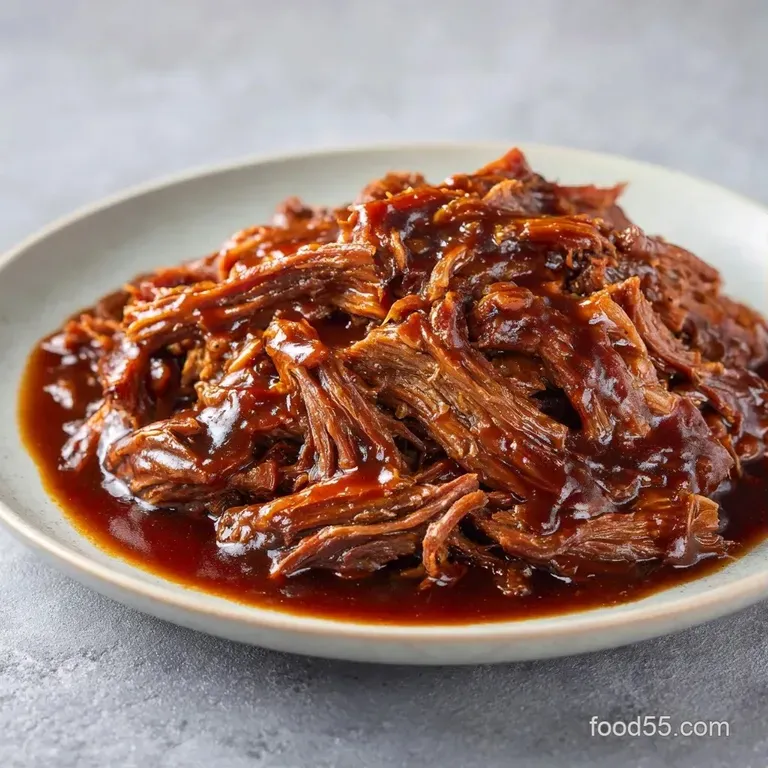
| Why Your Jus Is Too Thin | Sometimes the meat releases more water than expected. |
| Why Your Beef Is Too Salty | Between the broth and the Worcestershire, salt can build up. If it's too salty, add a tablespoon of apple cider vinegar or a splash of water. The acid cuts through the saltiness. |
Common Mistakes Checklist
- ✓ Did you pat the meat dry before searing?
- ✓ Did you sear for 4-5 minutes per side for that dark crust?
- ✓ Did you use a chuck roast instead of a lean cut?
- ✓ Did you let the shredded meat soak for 15 minutes?
- ✓ Did you discard the bay leaves before serving?
Easy Flavor Variations
This recipe is a great base, but you can tweak it depending on what's in your pantry. For another heavy hitter slow cooker meal, you might try my tender crockpot meatballs, which use a similar over low heat method for a different kind of comfort.
For a Spicy Kick
Add a teaspoon of red pepper flakes to the liquid mixture. You can also double the amount of pepperoncini on the sandwich for an extra zing.
For a Low Sodium Option
Use a "no salt-added" beef broth and swap the Worcestershire for a splash of balsamic vinegar. You'll still get the depth, but with much less sodium.
For a Cheesy Melt
Instead of just a slice of provolone, use a mix of provolone and smoked gouda. The smokiness pairs incredibly well with the acidic giardiniera.
Decision Shortcut
- If you want it extra juicy, do the 15 minute soak in the pot.
- If you want it more concentrated, reduce the jus in a pan first.
- If you're in a rush, use the "High" setting for 4-5 hours, but the meat may be slightly less tender.
Adjusting Portion Sizes
Scaling a slow cooker recipe isn't always a straight line because the liquid doesn't evaporate the same way it does in an oven.
Scaling Down (1/2 Batch) Use a 3 lb roast cut in half (1.5 lb). Use a smaller slow cooker if possible. Reduce the cooking time by about 20%, but still check for tenderness with a fork. Reduce the liquid slightly so the meat isn't swimming.
Scaling Up (2x Batch) If you're feeding a crowd, use 6 lbs of beef. Do not double the salt or spices; increase them to 1.5x instead. Liquids should be increased by about 70%, not 100%, to prevent the jus from becoming too watery.
Work in batches when searing the meat so you don't crowd the pan and steam the beef.
Truth About Beef Braising
There are a few things people say about slow cooking that just aren't true. Let's clear those up.
The "Sealing in Juices" Myth You'll often hear that searing meat "seals in the juices." It doesn't. Moisture loss happens regardless of searing. The real reason we sear is for the flavor.
That brown crust is the result of amino acids and sugars reacting, which adds a savory depth you can't get any other way.
The "Overcooking" Myth With a chuck roast, it's actually very hard to overcook it in a slow cooker. Because there is so much fat and collagen, the meat stays moist long after it reaches the safe temperature.
The only way to "overcook" it is to let it go so long that it loses all structural integrity and becomes mush.
Storage and Leftovers
This Summer Slow Cooker Italian Beef is actually better the next day once the flavors have had time to marry.
Fridge and Freezer Store the shredded beef and the au jus together in an airtight container in the fridge for up to 4 days. For the freezer, put the beef and jus in a heavy duty freezer bag. It'll keep for 3 months.
When reheating, do it slowly on the stovetop over medium low heat to avoid toughening the meat.
Zero Waste Tips Don't toss the leftover au jus! It's liquid gold. You can reduce it further in a pan to make a thick glaze for roasted carrots or potatoes. If you have beef scraps left over from trimming the roast, toss them in a freezer bag and use them as a base for a homemade beef stock later in the month.
Even the leftover giardiniera can be chopped up and stirred into a pasta salad for a bright, acidic kick.
Best Side Dish Pairings
Since the sandwich is so rich and savory, you need sides that provide contrast.
The Classic Chicago Pairing
A side of thick cut potato chips or a simple coleslaw works best. The crunch of the chips and the creaminess of the slaw balance the softness of the beef and the zing of the peppers.
The Summer Side
A chilled watermelon and feta salad with mint is a brilliant contrast. The sweetness and coolness of the melon cut through the heavy, salty nature of the Italian beef, making the meal feel much lighter.
Plating Your Creation
Depending on who you're serving, you can change how this looks on the plate.
| Level | Tweaks | Presentation |
|---|---|---|
| Simple | Hoagie roll, cheese, meat | Casual plate, napkins on the side |
| Polished | Toasted roll, neat pile of meat | Garnish with extra pepperoncini and a side of chips |
| Restaurant | Dipped roll, au jus ramekin | Artfully draped meat, side salad, ramekin for dipping |
For that restaurant feel, take the assembled sandwich and dip the bottom half into the au jus for just 2 seconds. It gives the bread a velvety texture without making it fall apart. Serve it with a small bowl of the jus on the side so your guests can dip as they go.
High in Sodium
938 mg 938 mg of sodium per serving (41% 41% of daily value)
The American Heart Association recommends a daily sodium limit of 2,300mg, with an ideal limit of 1,500mg for most adults to reduce cardiovascular risk.
Tips to Reduce Sodium
-
Rinse Pickled Toppings-30%
Rinse the giardiniera and pepperoncini under cold water before adding them to the rolls to wash away the high-sodium brine.
-
Switch to Unsalted Stock-30%
Replace the low-sodium beef broth with completely unsalted beef stock or water with a tablespoon of tomato paste for depth.
-
Eliminate Added Salt-25%
Omit the 1 tsp of kosher salt entirely; the combination of broth and Worcestershire sauce provides enough salinity.
-
Swap Worcestershire Sauce-20%
Use a low-sodium Worcestershire sauce or substitute it with a splash of balsamic vinegar for a similar tangy, savory profile.
-
Lower Sodium Cheese-15%
Substitute the provolone with a low-sodium Swiss cheese or reduce the amount of cheese used per serving.
-
Boost Fresh Aromatics
Increase the amount of fresh garlic, dried oregano, and basil to enhance the flavor profile without relying on salt.
Recipe FAQs
Is this a good, cheap slow cooker recipe for a crowd?
Yes, it is very budget-friendly. A 3 lb chuck roast provides 8 hearty servings, making it a cost-effective way to feed a large group.
How to make this a Chicago style Italian beef?
Assemble by placing shredded beef on hoagie rolls topped with provolone, giardiniera, and pepperoncini. This specific combination of melted cheese and tangy peppers creates the authentic Chicago flavor profile.
Is it true the beef is overcooked if it's still tough?
No, this is a common misconception. Tough beef is usually undercooked because the collagen hasn't fully melted; continue cooking until the meat is fork-tender.
Why is this the best version for summer slow cooking?
Use a slow cooker to keep your kitchen cool. By avoiding the oven, you can prepare a rich, savory meal without adding unwanted heat to your home during hot months.
What should I do if the au jus is too salty?
Add a tablespoon of apple cider vinegar or a splash of water. The acidity from the vinegar helps cut through the saltiness and balances the overall flavor.
How to get the most flavor out of the beef?
Sear the roast for 4-5 minutes per side until a deep mahogany-colored crust forms. This initial browning creates a savory depth that enhances the final au jus.
Can I use a different cut of meat for this recipe?
Stick with beef chuck roast for the best tenderness. If you enjoy these hearty meat profiles, you can apply similar savory-building principles to our ground beef potato casserole.
Summer Slow Cooker Italian Beef: Tender