Turkey Brine: the Ultimate Aromatic Recipe for Ridiculously Juicy Meat
- The Ultimate Aromatic Turkey Brine: Banish Dryness Forever
- The Science of Succulence: Why This Aromatic Turkey Brine Recipe Works
- Essential Components for Your Ultimate Turkey Brine Bath
- Preparing the Aromatic Turkey Brine Solution: Step-by-Step Guide
- Master the Brine: Pro Tips and Troubleshooting Common Errors
- Post-Brine Management: Storing and Preparing for the Oven
- Flavor Pairings and Serving Suggestions for Aromatic Turkey
- Recipe FAQs
- 📝 Recipe Card
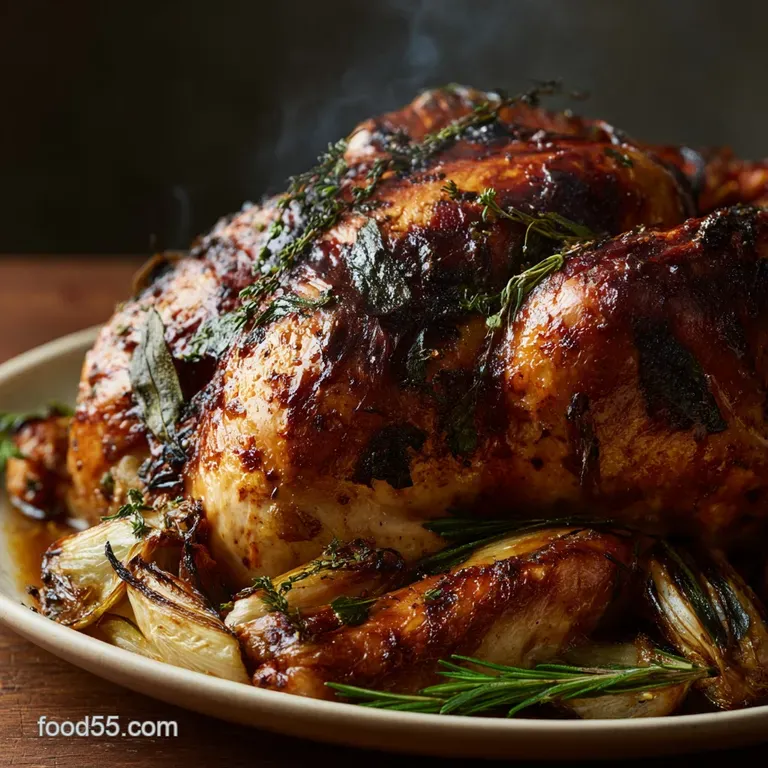
The Ultimate Aromatic Turkey Brine: Banish Dryness Forever
Imagine the scent that hits you the moment you carve into the turkey it's unbelievably fragrant, all bright citrus and earthy herbs. That smell is the secret to holiday perfection. The interior meat isn't just cooked; it’s shimmering with moisture, absolutely begging you to take a bite.
For years, I was terrified of making dry turkey. Honestly, it’s the easiest thing in the world to overcook, especially the delicate breast meat. But this simple wet brine recipe is your one and only insurance policy against a culinary disaster.
It guarantees flavor and locks in moisture, making the meat nearly impossible to dry out.
It sounds like a complicated step, but trust me, the prep is minimal and the reward is huge. This specific aromatic blend infuses deep, robust flavor right into the meat before it even hits the oven. We’re going to master the Best Turkey Brine Recipe out there.
The Science of Succulence: Why This Aromatic Turkey Brine Recipe Works
What is Brining and Why is it Essential for Turkey?
Brining is a fancy way of saying we are soaking the turkey in a salt water bath before cooking it. Why bother? Turkey is notoriously lean, which means it dries out incredibly fast when roasted to temperature. Brining essentially forces the turkey muscles to absorb liquid and salt.
The salt denatures the proteins in the meat. This process causes the muscle fibers to relax and unravel, effectively creating tiny cages that trap the liquid inside. It’s the key to achieving that unbelievable succulence.
The Ultimate Wet Brine vs. Dry Brining: Which is Best?
I adore a good dry brine for smaller cuts, but for a whole bird, I always come back to the wet brine. A wet brine allows for superior flavor infusion because the aromatics like the rosemary and orange dissolve and bloom in the warm water. This provides massive flavor in a much shorter time.
Plus, it adds crucial moisture back into the bird.
How This Specific Aromatic Brine Delivers Maximum Flavor
We are not just using salt water here; we're creating an infusion. By simmering the herbs, citrus, and spices first, we extract their essential oils right into the brine concentrate. When the turkey soaks for 12 to 24 hours, it pulls in all that aromatic goodness deep into the muscle.
This means every single bite tastes like Thanksgiving, right to the bone.
Osmosis Explained: The Mechanism for Maximum Moisture Retention
When the salt concentration is higher outside the turkey meat than inside, osmosis does its work. Water from the brine moves into the turkey cells to balance the salinity. You are literally injecting moisture into the bird.
This added liquid acts as an internal buffer against the oven's brutal heat.
Balancing Salt and Sweetness for Perfect Browning
Our recipe includes brown sugar for a reason, and it’s not just flavor. The sugar counteracts the aggressive saltiness slightly, creating a perfect balance. More importantly, those dissolved sugars caramelize beautifully in the oven, giving you that rich, gorgeous, golden brown skin. No more pale birds!
Extracting Essential Oils: Infusing the Turkey with Robust Aromatics
We use fresh, robust ingredients like ginger, garlic, rosemary, and orange zest. Boiling the concentrate is absolutely necessary here. You are actively "blooming" these flavors, ensuring the brine is concentrated before it's diluted with cold water.
Essential Components for Your Ultimate Turkey Brine Bath
This formula works perfectly for a 14 16 lb bird. If you're tackling a monster 20 pounder, you'll need to increase the quantities by about 50%.
Selecting the Right Salt (Kosher vs. Table Salt Ratios)
You absolutely must use coarse Kosher Salt for brining. It dissolves cleanly and its crystalline structure makes measuring by volume consistent. If you only have table salt, you must weigh it; table salt is much finer and using the same volume will make your bird inedibly salty.
Chef's Note: If you swap Kosher Salt for standard Table Salt, reduce the volume by 25% or the weight will be too high. Iodized salt can also impart a metallic, off-flavor. Avoid it!
Aromatic Additions: Herbs and Citrus for Deep Infusion
I always use fresh herbs for this specific Turkey Brine Recipe . Fresh rosemary and thyme release far more pungent oils than dried versions. We also use whole, halved oranges for a bright counterpoint to the salt and rich brown sugar.
| Ingredient Focus | Viable Substitution | Why it Works |
|---|---|---|
| Kosher Salt | Coarse Sea Salt (use by weight!) | Essential salinity component. |
| Brown Sugar | Maple Syrup or Honey | Provides necessary sweetness for balance and browning. |
| Fresh Oranges | Lemons or Apples (sliced) | Adds bright acidity and fruit notes. |
| Fresh Rosemary | 1 Tbsp Dried Rosemary | Use less dried, as the flavor is more concentrated. |
Adjusting Quantities for Different Turkey Sizes (Weight Chart)
The volume of liquid is what really matters. You need enough to fully submerge the turkey.
| Turkey Weight (Approx.) | Brine Concentrate | Cold Water/Ice | Brining Time |
|---|---|---|---|
| 10 12 lbs (5 6 kg) | 1 gallon | 2 gallons | 10– 12 hours |
| 14 16 lbs (6 7 kg) | 1 gallon | 3 gallons | 12– 18 hours |
| 18 22 lbs (8 10 kg) | 1.5 gallons | 4.5 gallons | 18– 24 hours |
Essential Equipment Checklist for Safe Brining
Forget trying to fit this beast into your stock pots. You need serious space. A large, food safe 5 gallon bucket or a heavy duty brining bag placed inside a cooler is the way to go. You must keep the turkey below 40°F (4° C) at all times.
Using a cooler filled with ice packs (and ensuring the lid is secure) often works better than trying to clear out a massive fridge shelf.
Preparing the Aromatic Turkey Brine Solution: step-by-step Guide

Step 1: Creating the Brine Base: Blooming the Aromatics and Spices
Start with the concentrate in your largest stock pot. Combine the specified salt, brown sugar, and 1 gallon of water. Bring this to a furious boil, whisking until everything is perfectly dissolved. It should look clear.
Now, add the spices, herbs, garlic, and halved oranges. Simmer this mixture gently for 5– 7 minutes. You should notice the aroma intensifying rapidly. This step is non-negotiable for flavor extraction.
Step 2: Cooling the Brine Safely (The Critical Chill Factor)
This is where I messed up my first time I added the turkey before the brine was cold. Big mistake and a major food safety risk! Remove the concentrate from the heat and let it sit for 15 minutes.
Next, pour that hot concentrate into your massive brining container. Immediately dump in the remaining 3 gallons of ice-cold water or 10 pounds of ice. Stir until all the ice melts. You must measure the temperature; it needs to be 40°F or colder before the turkey touches it.
Step 3: Submerging and Storing the Turkey (Food Safety Protocols)
Give your turkey a quick rinse and remove the giblets. Pat it dry; yes, even though it’s about to go into liquid, a dry surface helps the brine penetrate faster.
Gently submerge the turkey, breast side down if possible, into the chilled brine. Ensure it is fully submerged; use a heavy plate to weigh it down if it floats. Transfer the container to the refrigerator or your iced cooler for the specified brining time.
Master the Brine: Pro Tips and Troubleshooting Common Errors
The Critical Brining Timeline: How Long is Too Long?
Brining for too long is the biggest rookie error, followed closely by adding warm brine. For a standard 14 lb bird, 12 to 18 hours is perfect. Do not exceed 24 hours.
If you over brine, the salt starts to cook the meat and the texture gets weirdly spongy or mushy.
The Crucial Step: Patting the Turkey Dry Before Roasting
Once brining is complete, remove the bird and discard all the liquid and spent aromatics immediately. Rinse the turkey under cold water for a full minute to remove surface salt. Then, pat it absolutely bone dry with paper towels.
For the crispest skin imaginable, place the rinsed and dried bird on a rack in a roasting pan. Leave it, uncovered, in the refrigerator for 2 to 4 hours, or even overnight. This air-drying process desiccates the skin, guaranteeing an incredibly crispy result when you finally follow a recipe like my Roast Turkey: Stress Free Herb Butter Method for Crispy Skin .
Mistake Alert: Never Brine a Pre-Koshered Turkey
If your turkey package says "Kosher," "Enhanced," or "Self Basting," do not brine it. These birds have already been treated with a salt solution (or pumped with liquid) and brining them again will make them aggressively, unpleasantly salty. Check the label before you start!
Post Brine Management: Storing and Preparing for the Oven
Can You Re-Use Brine Solution? (Safety Check)
No, absolutely not. The brine has been exposed to raw turkey for hours, making it a huge food safety risk. Dump it straight down the drain.
Preparing the Brined Turkey for Smoking or Roasting
After the rinsing and air-drying steps are complete, the turkey is ready for seasoning. Since the meat is already salted internally, focus only on fat and flavor for the exterior. Slather it heavily with melted butter, clarified butter, or oil, then sprinkle with pepper and fresh herbs. You can even slide a delicious compound butter under the skin using my technique for Herb Butter Turkey: Guaranteed Moist, Crispy Skin, No Basting Needed .
Gravy Considerations: Adjusting for Brine Salt Content
Because the turkey drippings will contain some of the absorbed salt, use caution when making gravy from the pan juices. Taste the drippings before seasoning them. You may need little to no additional salt in your gravy base.
Flavor Pairings and Serving Suggestions for Aromatic Turkey
Best Complementary Side Dishes (Starchy and Tangy Pairings)
This aromatic brine, featuring citrus and warming spices, pairs beautifully with rich, starchy sides. Think creamy mashed potatoes or a deeply savory cornbread dressing. However, the meal benefits most from something bright and tangy, like a robust cranberry sauce or a sharp green bean salad, to cut through the richness of the incredibly juicy meat.
Recipe FAQs
Do I need to rinse the turkey after brining?
Yes, absolutely. Rinsing the turkey under cool water immediately after brining removes excess surface salt and prevents the skin from becoming overly salty during cooking. Ensure you pat the turkey thoroughly dry with paper towels after rinsing; a very dry skin is essential for achieving that perfect crispiness.
How long can I safely leave the turkey in the brine?
For turkeys between 12 and 18 pounds, the ideal brining time is generally 12 to 24 hours. Brining for significantly longer than 24 hours can cause the meat texture to become mushy or overly salty, especially in smaller birds.
Always ensure the brine and turkey remain below 40°F (4°C) throughout the entire process for safety.
My turkey is too big for my refrigerator container. What should I do?
If you lack a container large enough, use a heavy duty, food grade brining bag placed inside a deep stock pot or a clean, unused cooler. If using a cooler, pack it securely with ice to maintain safe temperatures and rotate the turkey halfway through the brining time to ensure even seasoning.
Can I use table salt instead of kosher salt for this brine?
You can substitute table salt, but you must adjust the quantity carefully because table salt is much denser than kosher salt. To maintain the correct salinity, use approximately half the volume of table salt specified in the recipe. Using a 1:1 ratio will result in an unbearably salty bird.
Why is my turkey still dry, even though I brined it?
Brining helps moisture retention, but dryness is typically caused by overcooking. Use a reliable instant read thermometer and remove the bird from the oven immediately when the breast meat reaches 160°F (71°C), as it will rise to 165°F (74°C) while resting.
Overcooking by even a few degrees will negate the benefits of the brine.
Can I inject the brine instead of soaking the whole bird?
Yes, injecting is an excellent technique, especially for large birds, as it rapidly delivers flavour and moisture deep into the muscle fibers. If you inject a significant amount of brine, you may want to slightly reduce your soaking time or ensure your brine concentration is adjusted downward to avoid over salting.
Can I reuse the brine liquid for another piece of poultry?
No, the brine liquid should never be reused. Once the raw turkey has been submerged, the liquid is contaminated with raw meat juices and bacteria, making it unsafe for further culinary use. Dispose of the spent brine safely down the drain or into the waste after the brining period is complete.
Ultimate Aromatic Turkey Brine Recipe 2
Ingredients:
Instructions:
Nutrition Facts:
| Calories | 664 kcal |
|---|---|
| Protein | 0.9 g |
| Fat | 22.8 g |
| Carbs | 112.4 g |
