Alton Browns Turkey Brine: Signature Method for the Juiciest Bird Ever
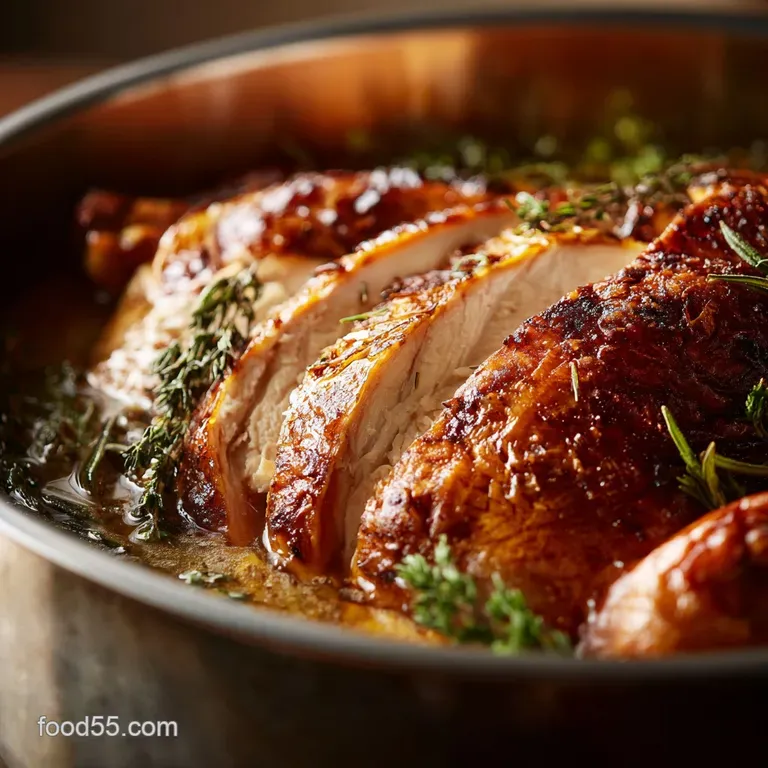
- Achieving the Perfect Bird: An Overview of Alton Brown’s Turkey Brine
- The Triple Threat: Texture, Moisture, and Infused Flavor
- Essential Components for Alton Brown's Turkey Brine
- Step-by-Step Directions: Preparing and Applying The Signature Turkey Brine
- Expert Tips for Maximizing the Results of Alton Browns Turkey Brine
- Practical Guide: Managing Leftover Brine and Turkey Storage
- Pairing Perfection: What to Serve with an Alton Brown Brined Turkey
- Recipe FAQs
- 📝 Recipe Card
Achieving the Perfect Bird: An Overview of Alton Brown’s Turkey Brine
That first slice of perfectly brined, unbelievably juicy turkey, the steam carrying the scent of warm orange and pungent bay leaf? That’s the dream, and it smells like all the best holidays rolled into one stunning roast. For years, I struggled to replicate that moist texture until I found the key.
It was never the basting that mattered, it was the preparation.
Look, roasting a huge bird is stressful enough without worrying about dry breast meat, which is why this Alton Browns Turkey Brine recipe is my absolute lifesaver. This process guarantees moisture and flavour, all while requiring surprisingly little active work from you once the initial brine is mixed.
It’s truly foolproof once you get past the logistics of finding a huge bucket for the big bird.
I’ve played with a million flavour variations over the years, but the core wet brining formula from Alton Brown's Good Eats ? It’s absolute genius, and it simply works every single time I make it.
This is the best turkey brine for juicy turkey , hands down, so let's crack on and dive into exactly how to pull off the ultimate, show stopping bird.
The Triple Threat: Texture, Moisture, and Infused Flavor
This isn't just salty water; this is strategic hydration paired with intentional flavour layering. The brilliance of the Alton Browns Turkey Brine method lies in its elegant simplicity and the way it radically changes the protein structure of the meat.
The Science of Wet Brining: Why Salt is Your Secret Weapon
Brining fundamentally changes the way muscle fibres react to heat. The salt dissolves protein strands in the muscle tissue, essentially untangling them, which allows the muscle to absorb and hold onto water far more effectively during cooking.
When the turkey goes into the oven, it has extra moisture locked inside, which is why your final product stays so wonderfully juicy. This process is far superior to just rubbing salt on the surface.
The History of 'The Bob’s Your Uncle Brine' Method
Alton Brown didn't invent brining, but he certainly perfected the ratio and popularized the technique for the average home cook through his iconic show. The original Good Eats recipe, which is the foundation of this one, became the gold standard because it expertly balances the aggressive saltiness required for hydration with enough sugar and aromatics to prevent the meat from tasting like ocean water.
The resulting bird is savoury, subtly sweet, and incredibly tender.
Equipment Checklist: Setting Up Your Brining Station
You need a big pot to make the concentrate, but you need an even bigger vessel to hold the turkey and the gallons of liquid. My trick? I use a clean, dedicated 5 gallon food grade bucket, or sometimes I’ll use my large camping cooler if the turkey is truly enormous.
Always ensure your brining vessel is food safe and completely sanitized before you start.
Osmosis Explained: How the Brine Penetrates the Turkey Muscle
The whole process relies on osmosis and diffusion. The water (with dissolved salt and sugar) moves from a high concentration area (the brine) into the lower concentration area (the turkey muscle cells). This equalizing pressure forces water into the bird, hydrating it deeply.
The flavour compounds the citrus, the peppercorns, the ginger diffuse into the muscle as the water moves. That’s how you get flavour deep inside the meat, not just on the surface.
Balancing Salt and Sweetness: The Critical Ratio for Juiciness
In this specific recipe, the balance between the 2 cups of Kosher salt and the 1 cup of brown sugar is absolutely essential. The salt does the heavy lifting by hydrating and tenderizing, but the sugar prevents the salt from dominating the flavour profile and helps the skin achieve a beautiful, burnished colour when roasting.
Without the sugar, the skin often scorches before the inside is done.
Aromatics vs. Spices: Building the Core Flavor Layers
We use aromatics like fresh oranges, garlic, and ginger for bright, volatile flavours that permeate quickly. Spices, like whole peppercorns and allspice berries, provide deep, warming notes that complement the bird without being overpowering.
Remember, these flavours are subtle; they enhance the natural flavour of the turkey, not mask it.
Essential Components for Alton Brown's Turkey Brine
Trust me when I say the quality of these core ingredients matters a huge amount here. You are creating the foundation for a 12 hour soak, so don't skimp on freshness!
The Brine Base: Water, Kosher Salt, and Brown Sugar Specifications
Critical Tip: Use coarse Kosher salt, not iodized table salt. Table salt is much denser and contains anti caking agents that can cloud the brine and leave a weird metallic aftertaste.
| Ingredient | Standard Use | Viable Substitution Note |
|---|---|---|
| Kosher Salt | 2 cups | Reduce to 1 cup of fine sea salt (must reduce quantity!). |
| Brown Sugar | 1 cup, packed | Use 1 cup of maple syrup or honey for a deeper colour and richer taste. |
| Water | 2 gallons | Ensure it is cold tap water or filtered water for the main volume. |
Citrus & Spice Selection: The Required Zest and Warming Notes
The oranges are non-negotiable for that signature, bright note in this Alton Browns Turkey Brine . We use whole oranges, cut in half, because we want the essential oils from the peel to infuse the hot concentrate.
For spices, whole peppercorns and allspice berries give it that quintessential holiday warmth. Don’t use ground spices; they will make the brine cloudy and dirty.
Herb Substitutions and Notes on Fresh vs. Dried Bay Leaves
Fresh herbs offer a much cleaner, stronger flavour infusion than dried ones, especially thyme and bay leaves. If you absolutely cannot find fresh bay leaves, use about half the amount of dried ones, but be warned, dried bay leaves don't release their flavour as intensely.
For the ginger, just slice it up; no need to stand there peeling it, seriously.
Calculating Brine Volume Based on Turkey Size
The recipe provided makes enough brine for a standard 12 16 lb turkey. If you have a massive 22 lb bird, you will likely need to scale the recipe by 50% to ensure full submersion. You must have enough liquid to completely cover the turkey without using an expensive brining bag.
I always mix my brine first, then check the volume in my brining vessel before adding the turkey.
step-by-step Directions: Preparing and Applying The Signature Turkey Brine
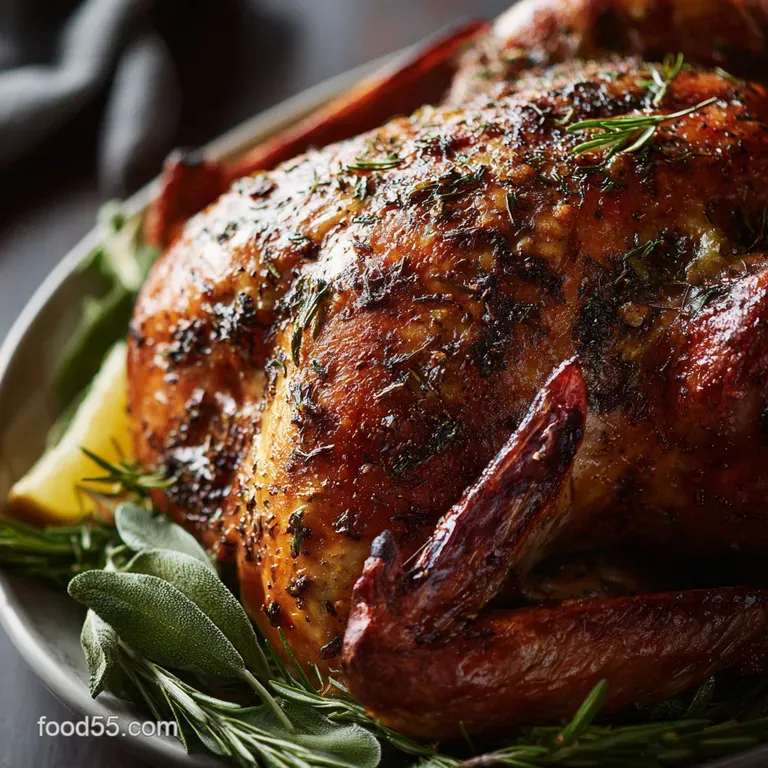
Preparation is everything here. Don't rush the cooling process, whatever you do!
Step 1: Preparing the Concentrate (Boiling and Infusing the Aromatics)
Start by boiling just two cups of water and immediately dissolve all the salt and sugar, whisking vigorously until the solution is clear. Once dissolved, remove the pot from the heat source and immediately toss in the oranges, sliced ginger, garlic, peppercorns, and herbs.
Let that steep for about 15 minutes; you’ll smell the intense burst of citrus and thyme hitting the air. That’s how you know the infusion is working.
Step 2: Cooling the Brine Completely (The Safety Imperative)
Immediately pour the remaining cold water the vast majority of the volume into the hot concentrate. This dramatically drops the temperature. You cannot, under any circumstance, add the turkey until the brine is below 40°F (4° C).
If you skip this step, you risk creating a food safety hazard. If I'm pressed for time, I sometimes use a big bag of ice to jumpstart the cooling in the brine pot before moving it to the fridge.
Step 3: Submerging the Turkey and Recommended Refrigeration Times
Once the brine is fully chilled, remove the turkey's giblets and neck, and drop the bird into the container breast side down. Pour the cold liquid over the top, making sure it’s fully covered. Brine for about one hour per pound, generally between 8 and 16 hours total.
Mistake I once made: I brined a 10 lb turkey for 24 hours, and the breast meat tasted distractingly hammy and overly salty. Stick to the time limit.
Step 4: Final Rinse and Thorough Drying Before Roasting
Remove the turkey, discard the spent brine do not try to reuse it, it’s unsafe! and rinse the bird meticulously inside and out under cold running water. You must wash away the excess surface salt.
Finally, pat that turkey absolutely bone dry with a mountain of paper towels.
Expert Tips for Maximizing the Results of Alton Browns Turkey Brine
Chef's Note: The single most important step after brining is the drying time. Place the rinsed and dried turkey back on a rack in the fridge, uncovered, overnight (up to 12 hours). This allows the cold air to completely dehydrate the skin, which is the secret trick for achieving that glorious, shatteringly crispy skin when you finally roast it!
For optimal results, ensure your turkey is fully thawed before brining; frozen sections will not absorb the brine effectively. And remember, because the Alton Brown Turkey Brine already provides deep seasoning, you absolutely do not need to salt the bird again before it goes into the oven. Instead, use a good quality layer of butter or oil combined with fresh herbs, like the method I use in my Roast Turkey: Stress Free Herb Butter Method for Crispy Skin guide.
Practical Guide: Managing Leftover Brine and Turkey Storage
Addressing Brine Overflow: Container Size and Placement
The amount of brine is huge, so plan ahead! If you don't have enough space in your fridge for a massive pot, use a clean cooler in a cold garage or patio (below 40°F/4°C) with extra ice packs added every 6- 8 hours.
The most common error is miscalculating displacement; the turkey takes up space, so your final container must be large enough to handle the volume plus the bird without spilling everywhere when you close the lid.
Handling the Frozen Turkey Brine Dilemma
You cannot effectively brine a frozen or partially frozen turkey. The salt molecules cannot penetrate the ice crystals, leading to uneven flavouring and potentially tough meat. Make sure your bird is fully thawed in the refrigerator before you even think about preparing the brine.
Common Brining Mistakes to Avoid Before Roasting
- Using Iodized Table Salt: Causes an off-flavour and potential over salting due to volume differences.
- Brining Too Long: Leads to mushy texture and over curing (hammy flavour).
- Skipping the Rinse and Dry: This leaves a thick layer of salt on the skin, guaranteeing a heavily salted, soggy exterior.
Can I Reuse the Brine? Safety Guidelines
Absolutely not. The used brine has been in contact with raw poultry for hours and is contaminated with bacteria. You must drain and discard the brine after use. It has done its job beautifully, now let it go.
How Long Can the Turkey Sit in the Brine?
Stick to the 8 16 hour window. Smaller turkeys (under 12 lbs) need closer to 8– 10 hours, while larger ones (18 lbs+) can handle the full 16 hours.
Never, ever exceed 18 hours, or you’ll compromise the beautiful texture you worked so hard to achieve.
Post Brining Storage: Prepping the Bird 24 Hours Ahead
Once the turkey is rinsed and dried, you can leave it uncovered on a rack in the refrigerator for up to 24 hours before cooking. This continued air-drying is highly beneficial for the skin, and it means less stress on cooking day!
It will actually give you an even better result when you finally follow your roasting technique.
Pairing Perfection: What to Serve with an Alton Brown Brined Turkey
Because this method infuses the turkey with a beautiful blend of citrus and herbs, you want side dishes that complement, not compete. Think bright and savoury.
The brine itself creates such a flavourful, juicy centerpiece that your classic sides will truly shine. I always pair this turkey with my grandmother's sweet potato casserole and a truly rich gravy made from the turkey neck and giblets (never use the brine to make gravy!). If you want to explore other aromatic ideas for your main course prep, you might also like my detailed guide on Turkey Brine: The Ultimate Aromatic Recipe for Juicy, Foolproof Roasting .
Recipe FAQs
How long should I brine the turkey, and is it possible to over brine?
The standard time is 12 to 24 hours, depending on the weight of your turkey; generally, do not exceed 24 hours. Over brining can result in meat that is too salty or develops a mushy texture due to the salt beginning to break down the proteins too aggressively.
Always adhere strictly to the maximum recommended time based on the bird's size.
My turkey is pre-brined, enhanced, or injected. Should I still use this recipe?
Absolutely not. Many store-bought turkeys are "enhanced" with up to a 10% solution of salt and flavourings; adding this brine will make the final bird inedibly salty. If the packaging lists water, salt, or sodium phosphate as ingredients, skip the brine entirely and proceed directly to seasoning and roasting.
What are the safe alternatives if my turkey and brine do not fit in the refrigerator?
A large, clean cooler is a safe alternative, provided you pack it generously with ice and ensure the brine container is fully submerged. The temperature of the brine must be monitored closely and held below 40°F (4°C) at all times to prevent bacterial growth.
Replace the ice frequently to maintain food safety standards.
Can I use table salt or sea salt instead of Kosher salt in the recipe?
Yes, but you must adjust the quantities precisely due to grain size differences. Kosher salt is bulkier, so if substituting with denser table salt or fine sea salt, you should use approximately half the volume specified in the recipe. Using the same volume will result in a severely over salted turkey.
Is it truly necessary to rinse the turkey after brining, and won't that wash off flavour?
Yes, a thorough rinse is crucial to wash off excess salt residue clinging to the surface of the skin and cavity. Rinsing prevents the skin from tasting too salty, and while it doesn't remove the flavour absorbed by the meat, it is a key step toward achieving a crispy final product.
Pat the turkey completely dry immediately after rinsing.
How do I ensure the skin is crispy after the bird has been submerged in liquid?
The secret is removing all surface moisture after brining and rinsing. After patting the bird dry, place the turkey uncovered on a sheet pan in the refrigerator for at least 6 to 12 hours before roasting. This air-drying process desiccates the skin surface, guaranteeing maximum crispness when it hits the hot oven.
Can I reuse the leftover brine for another turkey or another recipe?
No, brine cannot be reused or saved once raw poultry has been introduced, as it becomes contaminated with poultry juices and potential bacteria. For food safety reasons, the entire mixture must be safely and immediately discarded down the drain after the turkey is removed.
Always start with a fresh batch for every bird.
Alton Browns Ultimate Turkey Brine
Ingredients:
Instructions:
Nutrition Facts:
| Calories | 946 kcal |
|---|---|
| Protein | 1.1 g |
| Fat | 30.4 g |
| Carbs | 167.7 g |
