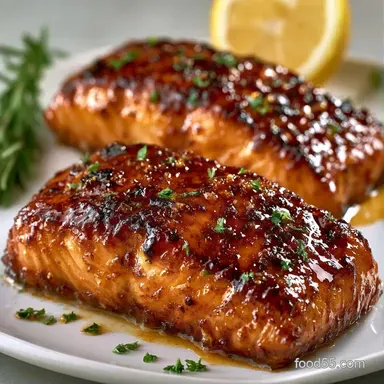
Sweet Brown Sugar Salmon: Caramelized and Sticky
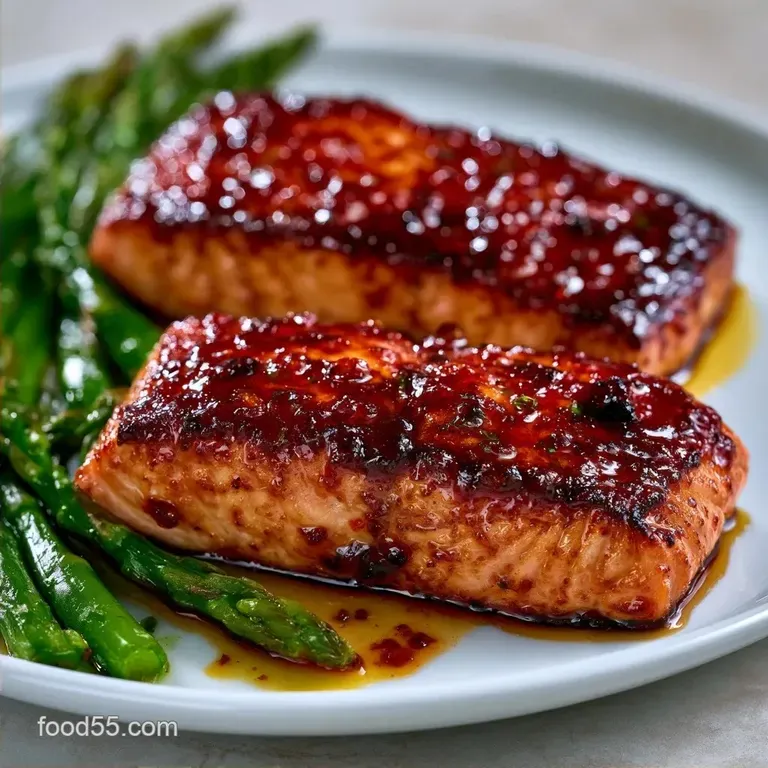
- Time: 10 min active + 12 min cooking
- Flavor/Texture Hook: Sweet salty glaze with a charred edge
- Perfect for: Date nights or fancy feeling weeknight meals
I once made a glazed salmon where the sugar just turned into a wet syrup that slid right off the fish. It wasn't a crust, it was a puddle. I had rushed the prep and didn't dry the fillets, so the glaze never actually gripped the protein. It was a soggy mess.
The fix is simpler than you'd think. By patting the salmon completely dry and using a over high heat roast followed by a quick broil, the sugar bonds to the fish. This creates a glassy, tacky finish that stays put.
This Brown Sugar Salmon recipe gives you that exact charred exterior while keeping the inside tender. It's an appreciative nod to fresh, seasonal produce, especially when you can source wild caught fillets from a local fishmonger.
Why Brown Sugar Salmon Works
- High Heat: Cooking at 200°C causes the sugar to bubble and brown quickly, which creates that characteristic crust.
- Acidic Balance: The lemon juice and mustard break up the richness of the salmon fats, so the dish doesn't feel too heavy.
According to the guides at Serious Eats, this type of caramelization happens when sugars break down under heat, creating new flavor compounds.
| Method | Time | Texture | Best For |
|---|---|---|---|
| Fast Broil | 5 mins | Heavy Char | Quick Lunch |
| Classic Bake | 12 mins | Evenly Glazed | Dinner Party |
The Quick Details
Right then, let's look at the numbers. For this to work, you need to hit these specific marks. If you pull the fish too early, the glaze stays wet. If you leave it too long, the sugar burns.
- Oven Temp: 200°C (400°F)
- Internal Temp: 57°C (135°F) for medium rare
- Total Bake Time: 12 minutes
Ingredient Roles
I like to think of the glaze as a balancing act. You have the heavy sweetness of the sugar, but the soy and mustard pull it back into a savory space.
| Ingredient | What It Does | Best Swap |
|---|---|---|
| Brown Sugar | Creates the crust | Honey (adds floral notes) |
| Soy Sauce | Adds salt and umami | Tamari (gluten-free) |
| Dijon Mustard | Emulsifies the glaze | Whole grain mustard (chunkier) |
Essential Kitchen Tools
You don't need a professional setup for this, but a few things make it easier. Use a rimmed baking sheet so the glaze doesn't drip into your oven.
- Parchment Paper: Stops the sugar from gluing your salmon to the pan.
- Silicone Brush: Best for getting the glaze into every nook.
- Instant Read Thermometer: The only way to ensure the fish stays juicy.
Cooking the Salmon
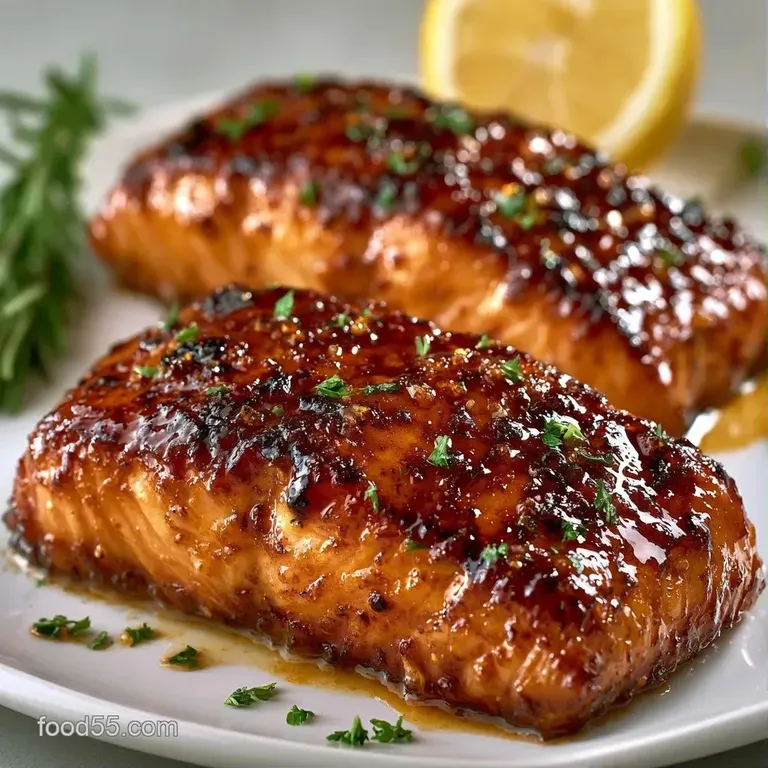
Let's crack on. Make sure your fillets are center cut for even cooking. If they are different thicknesses, the thin ends will overcook before the center is ready.
- Preheat oven to 200°C and line a tray with parchment paper.
- Pat salmon fillets completely dry with a paper towel. Note: This prevents the "soggy glaze" problem.
- Rub each fillet with olive oil, sea salt, and cracked black pepper.
- Whisk brown sugar, soy sauce, Dijon mustard, lemon juice, and minced garlic in a bowl until the sugar mostly dissolves.
- Brush the glaze generously over the top and sides of each fillet.
- Bake for 10 minutes until the glaze starts to bubble.
- Turn the oven to Broil for the final 2 minutes until the edges are charred and dark brown.
- Remove when the internal temperature hits 57°C for medium rare or 63°C for well done.
Solving Common Issues
If your Brown Sugar Salmon didn't turn out quite right, it usually comes down to moisture or heat. Trust me on this, the thermometer is your best friend here.
Burning Glaze
Because of the high sugar content, this glaze can go from "caramelized" to "burnt" in about 30 seconds. If you see black spots too early, move the rack to a lower position.
Dry Fish
Overcooking salmon happens fast. If the fish flakes apart with zero resistance and feels chalky, it's gone too far. Aim for a silky interior that just barely holds together.
Glaze Sliding Off
This happens if the fish was damp when you brushed the glaze on. The water creates a barrier that stops the sugar from sticking.
| Problem | Root Cause | Solution |
|---|---|---|
| Burnt edges | Broiler too hot | Reduce broil to 1 minute |
| Rubbery texture | Overcooked | Pull at 57°C internal |
| Pale crust | Oven too cool | Ensure preheat to 200°C |
Swaps and Tweaks
I love playing with this base. If you want something with more heat, try my Ginger Chili Salmon for a spicy kick.
If you want a different vibe, try these:
- For more heat: Add a pinch of cayenne or red pepper flakes to the glaze.
- For a milder taste: Replace the soy sauce with a splash of coconut aminos.
- For a nuttier crust: Sprinkle crushed pecans over the glaze before baking.
| Original Ingredient | Substitute | Why It Works |
|---|---|---|
| Brown Sugar | Maple Syrup | Similar sweetness. Note: Glaze will be thinner |
| Dijon Mustard | Honey Mustard | Sweeter and milder. Note: Reduce added sugar |
| Lemon Juice | Lime Juice | Similar acidity. Note: Gives a tropical twist |
Scaling the Recipe
When you're making Brown Sugar Salmon for a crowd, don't just double everything and throw it in one pan.
Scaling Down (2 fillets): Use a smaller baking sheet. Reduce the baking time by about 2 minutes since there is less thermal mass in the oven.
Scaling Up (8+ fillets): Work in batches. If you overcrowd the pan, the fillets will steam instead of roast, and you'll lose that crispy crust. Increase the salt and spices to 1.5x rather than 2x to avoid over seasoning.
Storage and Waste
Leftover salmon is great, but the glaze can get sticky in the fridge. Store the fish in an airtight container for up to 3 days.
Reheating Tips: Avoid the microwave, which makes salmon rubbery. Instead, put the fillets in a 150°C oven for 5-8 minutes. This gently warms the fats without overcooking the protein.
Zero Waste: If you have a bit of glaze left in the bowl, don't toss it. Toss some roasted carrots or Brussels sprouts in it during the last 5 minutes of their roast for a coordinated side dish.
What to Serve Along
Since Brown Sugar Salmon is quite rich and sweet, you need something vibrant to cut through that intensity.
The Green Balance Blanched asparagus or steamed broccolini works best. The bitterness of the greens balances the sugar. A squeeze of fresh lemon over the vegetables ties everything together.
The Complex Carb Wild rice or quinoa provides a nutty base that absorbs the extra glaze. If you're looking for a creamy contrast, a side of homemade tartar sauce provides a cool, tangy dip.
Common Misconceptions Some people think you have to sear salmon in a pan before putting it in the oven. For this specific recipe, that's not true. The broiler provides all the char you need without adding extra fat or messing with the glaze. Others suggest bringing fish to room temperature first.
Honestly, keeping it chilled helps prevent the outside from overcooking before the middle is done.
Recipe FAQs
Can I make this salmon recipe without lemon?
Yes, you can omit the lemon. The soy sauce and Dijon mustard provide enough salt and acidity to balance the brown sugar effectively.
How do you bake brown sugar salmon?
Preheat the oven to 400°F (200°C). Pat fillets dry, rub with olive oil, salt, and pepper, apply the glaze, and bake for 10 12 minutes.
What is a good seasoning for salmon?
A blend of brown sugar, soy sauce, and Dijon mustard works best. Adding minced garlic, salt, and pepper creates a professional, savory sweet profile.
How do you get a caramelized crust?
Turn the oven to Broil for the final 2 minutes. This high heat bubbles the sugars on the surface for a sticky, charred finish.
How do you reheat leftover salmon without it becoming rubbery?
Warm the fillets in a 150°C oven for 5-8 minutes. This method gently heats the fats without overcooking the protein.
Is it true that all salmon must be cooked to 145°F to be delicious?
No, this is a common misconception. Many prefer a medium rare internal temperature of 135°F (57°C) for a more moist and tender texture.
What should I do with leftover glaze in the bowl?
Toss it with roasted carrots or Brussels sprouts. Add the vegetables during the last 5 minutes of roasting for a cohesive side; if you love this flavor balance, try our slow cooker BBQ sauce.
Brown Sugar Salmon Recipe