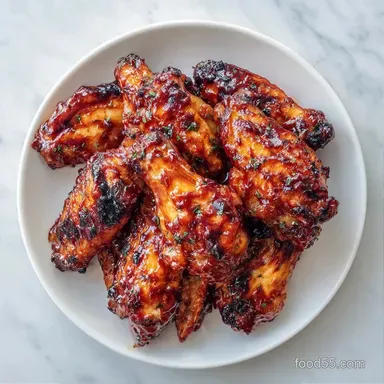
Smoked BBQ Chicken Wings: Shatter Crisp Skin
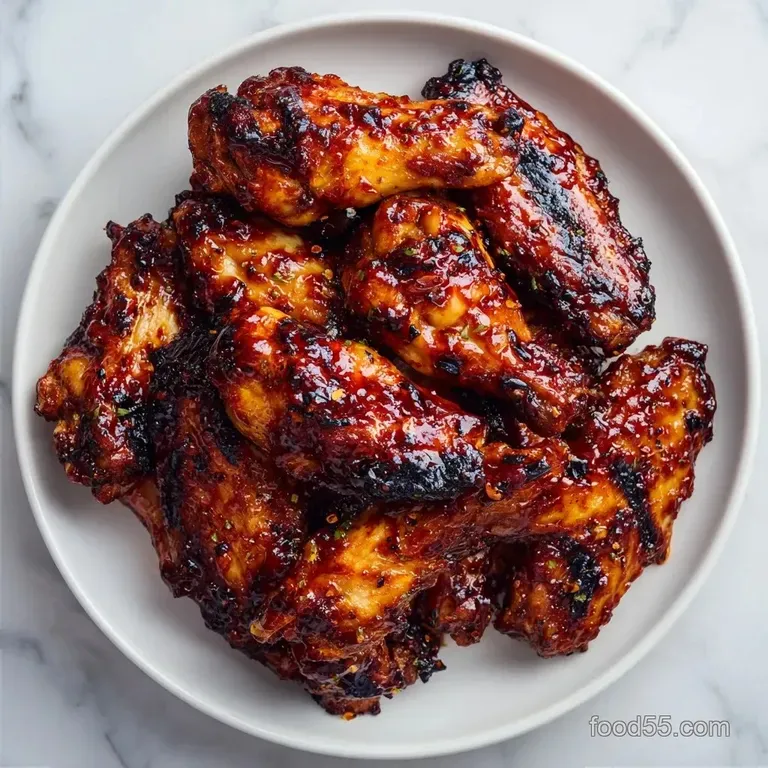
- Time: 15 min active + 90 min cook
- Flavor/Texture Hook: Sticky, caramelized glaze with a shatter crisp skin
- Perfect for: Game day spreads or backyard summer parties
- Smoked BBQ Chicken Wings
- Why This Method Works
- Component Analysis
- Everything You'll Need
- The Right Gear
- Detailed Cooking Steps
- Fixing Common Wing Problems
- Troubleshooting Common Issues
- Swaps and Variations
- Adjusting the Batch Size
- Dispelling Common Myths
- Storage and Waste Tips
- Serving and Plating
- Recipe FAQs
- 📝 Recipe Card
Smoked BBQ Chicken Wings
The smell of hickory smoke drifting across the backyard is usually where the magic starts. I remember the first time I tried smoking wings; I kept them at a low temp the whole time, thinking that was the "correct" way to smoke. I ended up with wings that tasted like a campfire but had the texture of a wet sponge.
It was a total disaster, and I almost gave up on the pellet grill for appetizers entirely.
Then I figured out the trick. You can't just smoke wings; you have to treat them like a two act play. First, you let the smoke penetrate the meat at a low temp, then you crank the heat to render that fat and crisp up the skin. Once you see that glaze bubbling and turning a deep mahogany, you know you've won.
These Smoked BBQ Chicken Wings are all about layering. We start with a sweet and salty rub, move into the smoky infusion, and finish with a tangy, honey infused glaze. It's a bit more work than throwing them in an air fryer, but the depth of flavor is on a different level. Right then, let's get into how to actually make them work.
Why This Method Works
- The Two Step Heat: Starting low infuses smoke without overcooking, while the final over high heat blast renders the subcutaneous fat for a crispy finish.
- Dry Brining Effect: Letting the rub sit for 20 minutes pulls moisture out of the skin, which is the secret to avoiding rubberiness.
- Sugar Caramelization: The brown sugar in the rub and honey in the glaze create a sticky crust that traps the smoke flavor against the meat.
- Acid Balance: The apple cider vinegar in the glaze cuts through the heavy fat of the chicken skin, keeping the flavor vibrant.
| Feature | Fresh Rub & Smoke | Pre Marinated Shortcut | Impact |
|---|---|---|---|
| Skin Texture | Shatter crisp | Often rubbery/soft | Massive difference in mouthfeel |
| Flavor Depth | Layered (Smoke → Rub → Glaze) | One dimensional | Fresh rub allows for custom heat |
| Prep Time | 15 mins active | 2 mins active | Extra 13 mins for way better taste |
Component Analysis
| Ingredient | Science Role | Pro Secret |
|---|---|---|
| Brown Sugar | Caramelization | Use dark brown sugar for a deeper, molasses like taste |
| Smoked Paprika | Color & Base Smoke | Toasted paprika adds a street food vibe to the crust |
| Apple Cider Vinegar | pH Balance | Thins the sauce so it glazes instead of glopping |
| Kosher Salt | Moisture Extraction | Coarser grains draw out skin moisture more effectively |
Everything You'll Need
For the rub, we're building a base that's sweet but has a kick. Don't skip the smoked paprika, as it bridges the gap between the dry rub and the actual smoke from the grill.
The Dry Rub 1/2 cup brown sugar Why this? Provides the sticky base for caramelization 2 tbsp smoked paprika Why this? Adds deep red color and earthy notes 1 tbsp garlic powder Why this? Essential savory backbone 1 tbsp onion powder Why this? Adds a subtle sweetness and depth 1 tbsp kosher salt Why this? Essential for flavor and skin drying 1 tsp black pepper Why this? Basic heat to balance the sugar 1/2 tsp cayenne pepper Why this? Subtle back end heat
The Chicken 4 lbs chicken wings Why this? Split flats and drums for even cooking 2 tbsp olive oil Why this? Acts as the "glue" for the rub
The BBQ Glaze 1 cup BBQ sauce Why this? Use a Kansas City style for maximum sweetness 2 tbsp apple cider vinegar Why this? Cuts the sugar for a zingy finish 1 tbsp honey Why this? Adds a glossy, professional sheen 1 tsp Worcestershire sauce Why this? Umami boost that deepens the flavor
If you're looking for a different flavor profile for your wings, my Honey Chipotle Sauce works as a brilliant substitute for the BBQ glaze if you want more of a smoky sweet heat.
The Right Gear
You don't need a professional kitchen, but a few things make this easier. A pellet grill or a Traeger is ideal because they maintain steady temps without you having to babysit the fire.
The most important piece of gear is a wire cooling rack. If you put the wings directly on the grill grates, the bottom side stays soggy because it's sitting in its own rendered fat. By lifting them up, the smoke and heat circulate 360 degrees.
I also recommend a silicone brush for the glaze. Metal bristles can sometimes scratch your grill or leave streaks, and silicone holds more sauce, meaning fewer trips back and forth to the bowl.
Detailed Cooking Steps
- Pat the chicken wings completely dry with paper towels. Note: Moisture is the enemy of crispiness; according to Serious Eats, dry skin is the only way to get a proper sear.
- Toss wings in olive oil, then coat generously with the mixed brown sugar rub. Ensure every nook and cranny is covered.
- Allow wings to sit at room temperature for 20 minutes. Note: This lets the salt penetrate the meat and draws moisture to the surface.
- Preheat the pellet grill or smoker to 225°F (107°C).
- Arrange wings on a wire cooling rack and smoke for 60–75 minutes until the meat pulls back slightly from the bone.
- Increase the grill temperature to 375°F (190°C). Note: This high heat is what transforms the skin from rubbery to crispy.
- Whisk together the BBQ sauce, apple cider vinegar, honey, and Worcestershire sauce to create the glaze.
- Brush a thin layer of glaze onto each wing and return to the grill for 10–15 minutes, basting as needed, until the crust is caramelized and shattering.
Fixing Common Wing Problems
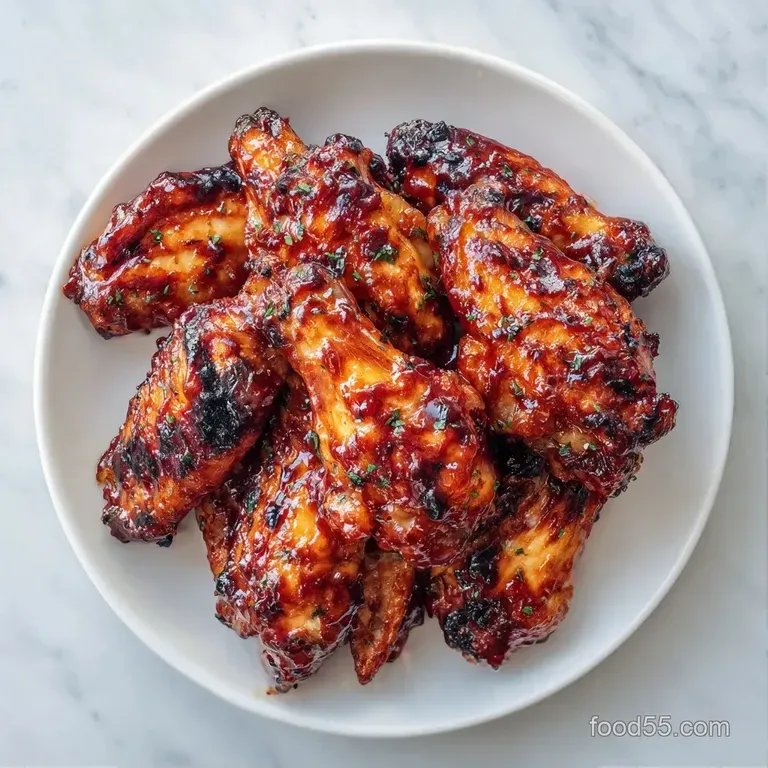
The most common complaint with Smoked BBQ Chicken Wings is the texture. Because smokers are essentially giant convection ovens with smoke, they can sometimes "steam" the meat if you aren't careful.
Troubleshooting Common Issues
| Issue | Solution |
|---|---|
| Why Your Wings Are Rubbery | This usually happens because the temperature stayed too low. Smoke is great for flavor, but it doesn't "fry" the skin. |
| Why the Sauce Burnt | Sugar is the culprit here. Both the brown sugar in the rub and the honey in the glaze can burn if they hit 400°F+ for too long. |
| How to Tell They're Done | Don't just rely on the clock. Look for the "bone pull." When the meat shrinks back and exposes a bit of the wing tip, they're ready for the glaze. |
Common Mistakes Checklist
- ✓ Did you pat the wings bone dry before oiling?
- ✓ Did you use a wire rack to allow airflow?
- ✓ Did you wait for the meat to pull back from the bone?
- ✓ Did you apply the glaze only at the very end?
- ✓ Did you check the internal temp before the final sear?
Swaps and Variations
Depending on what's in your pantry, you can tweak this recipe without ruining the results. The key is maintaining the balance of sugar, acid, and salt.
Want a Spicy Twist?
If you like a "Nashville" style, swap the smoked paprika for a mix of cayenne and chipotle powder. You can also add a tablespoon of hot honey to the glaze for a lingering heat that hits the back of the throat.
Prefer Tangy Carolina Style?
Replace the standard BBQ sauce with a cider vinegar based sauce. Reduce the brown sugar in the rub by half and increase the black pepper. This creates a sharper, more acidic profile that pairs well with cold beer.
No Smoker Available?
If you don't have a pellet grill, you can get a similar result using an oven. I've written a guide on Crispy Oven Baked Chicken Wings that uses a similar two stage approach to mimic that pub style crunch.
| Original Ingredient | Substitute | Why It Works |
|---|---|---|
| Brown Sugar | Maple Syrup (in glaze) | Similar sweetness, adds woody notes. Note: May brown faster |
| Apple Cider Vinegar | White Wine Vinegar | Similar acidity. Note: Slightly sharper, less fruity |
| Smoked Paprika | Regular Paprika + Cumin | Provides color and earthiness. Note: Lacks the "smoky" punch |
Adjusting the Batch Size
When you're cooking for a crowd, you can't just multiply everything by four and expect it to work the same. Airflow is the most critical factor in a smoker.
Scaling Down (for 2-4 people) If you're only doing 2 lbs of wings, the cook time in the smoke phase will likely drop by about 15-20 minutes. Use a smaller rack so the wings aren't spread too thin, which can lead to them drying out faster.
Scaling Up (for parties) When doubling or tripling the recipe, don't double the salt and cayenne. Start with 1.5x the spices and taste a wing before adding more. The most important thing is to avoid overcrowding the grill. If the wings are touching, they'll steam instead of smoke.
Work in batches if you have to.
For the glaze, you can make a double batch and keep the extra in the fridge for 3 days. It actually gets better as the flavors meld together.
Dispelling Common Myths
There's a lot of bad advice out there about smoking meat. Let's clear a few things up so you don't waste a good batch of chicken.
Myth: Searing "seals in" the juices. This is a classic kitchen lie. Searing doesn't create a waterproof barrier. Moisture loss happens regardless of when you sear.
The over high heat blast at the end of these Smoked BBQ Chicken Wings is for texture and flavor (caramelization), not for "locking in" liquid.
Myth: You must smoke wings at 225°F for the whole cook. If you do this, you'll get "rubber wings." Chicken skin needs to hit at least 300°F to actually crisp up. The low temp is for the flavor; the high temp is for the eatability.
Myth: More smoke always equals more flavor. Too much smoke can make the meat taste like an ashtray. This is why we use a balanced rub and a controlled pellet grill. The goal is a hint of woodfire, not a charcoal briquette.
Storage and Waste Tips
Once you've made a big batch of Smoked BBQ Chicken Wings, you'll likely have leftovers. The challenge is keeping that skin from turning into leather in the fridge.
Fridge and Freezer Store wings in an airtight container for up to 4 days. If you're freezing them, let them cool completely first. They'll last about 2 months in the freezer. To reheat, avoid the microwave at all costs.
Use an air fryer at 375°F for 5 minutes or a hot oven. This is the only way to bring back the shatter crisp texture.
Zero Waste Strategy Don't throw away the wing tips if you're splitting them yourself. Toss them into a pot with some carrots, celery, and onion to make a quick chicken stock.
Also, any leftover BBQ glaze can be used as a marinade for pork chops or brushed onto grilled corn on the cob for a smoky sweet side.
Serving and Plating
Presentation is everything when you're serving a crowd. Since these wings are sticky, you want a platter that looks intentional, not messy.
I like to use a large wooden board or a galvanized metal tray. Pile the wings high in the center and surround them with cold, crisp elements to contrast the heat. Sliced cucumbers, pickled red onions, and celery sticks aren't just clichés, they actually cleanse the palate between the rich, smoky bites.
For the sauce, serve a small bowl of the remaining glaze on the side. Some people like a little extra drizzle, and it keeps the platter from looking like a swamp of sauce. A sprinkle of fresh chopped parsley or sliced green onions adds a pop of color that makes the mahogany glaze look even more vibrant.
Trust me, the visual contrast makes them look like they came from a professional smokehouse.
Recipe FAQs
Can you smoke chicken wings on a smoker?
Yes. It is the ideal way to infuse deep smoky flavor before finishing them at a higher temperature for a shatter-crisp skin.
How long to smoke chicken wings on the barbecue?
Smoke for 60–75 minutes at 225°F, then glaze and cook for 10–15 minutes at 375°F. This two-stage process ensures the meat is tender and the crust is properly caramelized.
How long do chicken wings take to smoke at 225 degrees?
Smoke for 60–75 minutes. At this temperature, you are waiting for the meat to pull back slightly from the bone before increasing the heat.
Is it better to smoke chicken at 225 or 250?
Stick with 225°F. This temperature allows the smoke to penetrate the meat effectively without overcooking the wings before they hit the final searing stage.
Why are my smoked wings rubbery?
The temperature stayed too low for too long. While smoke adds flavor, you must increase the grill to 375°F at the end to "fry" the skin and remove that rubbery texture.
How do I know when the wings are ready for the glaze?
Check for "bone pull." When the meat shrinks back and exposes a bit of the wing tip, they are ready for the BBQ sauce glaze.
What are the best 4th of July side dishes to bring to a BBQ?
Pair these wings with something creamy and rich. They balance perfectly with a side of elevated mac and cheese for a complete holiday spread.
Smoked BBQ Chicken Wings: Shatter Crisp