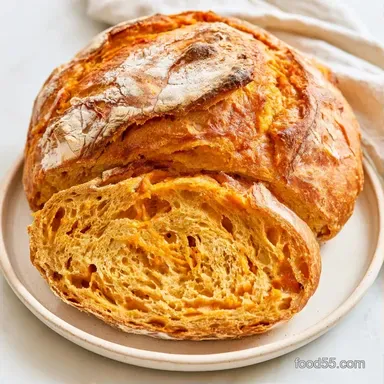
Pumpkin Sourdough Bread: Spice-Infused
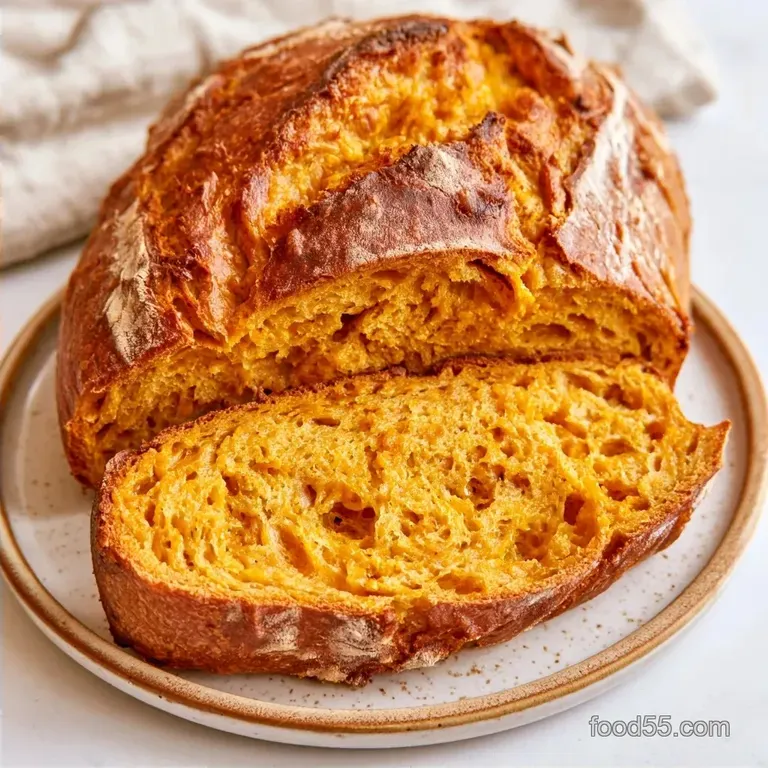
- Time: 45 min active + 12 hours 45 mins resting
- Flavor/Texture Hook: Tangy sourdough blended with warm cinnamon and a tender crumb
- Perfect for: Seasonal brunch or a cozy autumn snack
The aroma of cinnamon and roasting squash is an autumn essential across North America. It's more than just a flavor profile; it's a ritual marking the shift toward winter. In many households, the harvest season is about maximizing local produce, and incorporating these earthy notes into a fermented loaf blends old-world baking traditions with the abundance of the season.
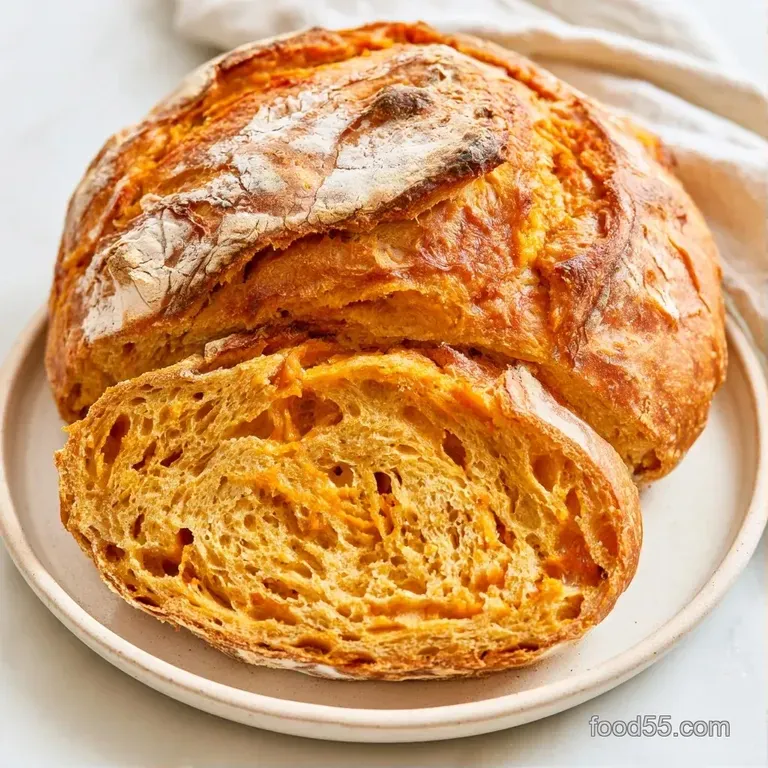
I love the vibrant orange color this Pumpkin Sourdough Bread brings to the table. Beyond the visual appeal, the pumpkin provides a natural moisture that keeps the loaf fresh for several days longer than a basic white bread.
You can expect a result that is slightly denser than a standard sourdough but considerably more aromatic. It turns your entire kitchen into a cozy sanctuary.
How to Nail This Loaf
Sugar Boost: Pumpkin puree has natural sugars that act like rocket fuel for your yeast. This helps the dough rise more predictably than a plain loaf, especially if your sourdough starter is feeling a bit sluggish in the cold.
Hydration Balance: The puree adds moisture without adding liquid water. This creates a thick, supportive structure that holds the spices in place while keeping the inside soft.
Acid Interaction: The lactic acid in the sourdough balances the sweetness of the honey and brown sugar. This prevents the bread from tasting like a cake and keeps it firmly in the "bread" category.
Essential Recipe Details
Before you start, it's helpful to see how this compares to a shortcut version. Most people use instant yeast for pumpkin bread, but the wild ferment changes everything.
| Feature | Fresh Sourdough Method | Shortcut Yeast Method |
|---|---|---|
| Flavor Profile | Complex, tangy, earthy | Simple, sweet, yeasty |
| Texture | Chewy with a crisp crust | Soft, cake like crumb |
| Digestion | Easier on the gut | Standard gluten profile |
- 1. Starter Temp
- Your active starter should be 75-80°F (24-27°C) before mixing.
- 2. Bulk Growth
- Stop the first rise when the dough has grown by exactly 50-75%.
- 3. Internal Temp
- The loaf is done when the center hits 205-210°F (96-99°C).
Gathering Your Essentials
For the dough, you'll need high protein bread flour to support the weight of the pumpkin.
For the Dough
- 440g bread flourWhy this? High protein creates the structure needed for a heavy loaf
- 120g active sourdough starterWhy this? Provides the lift and the signature tang
- 120g pumpkin pureeWhy this? Adds color, moisture, and seasonal flavor
- 180ml warm waterWhy this? Wakes up the yeast without scorching it
- 12g fine sea saltWhy this? Controls yeast growth and tightens the crumb
- 40g honeyWhy this? Adds a floral sweetness and helps browning
- 6g ground cinnamon
- 2g ground ginger
- 1g ground nutmeg
- 0.5g ground cloves
For the Optional Cinnamon Swirl
- 42g unsalted butter, softened
- 50g brown sugar
- 6g ground cinnamon
Ingredient Swaps
| Original Ingredient | Substitute | Why It Works |
|---|---|---|
| Honey (40g) | Maple Syrup (40g) | Similar sugar content. Note: Adds a more distinct woody flavor |
| Bread Flour (440g) | All Purpose Flour (440g) | Works in a pinch. Note: Loaf will be less airy and slightly softer |
| Pumpkin Puree (120g) | Butternut Squash Puree (120g) | Similar texture. Note: Slightly milder, less "pumpkin y" taste |
Equipment Needed
While you can get by with basic kitchen gear, these items make baking Pumpkin Sourdough Bread much more straightforward.
- Digital Scale: Crucial for precision, as measuring cups are often too unreliable for sourdough.
- Dutch Oven: A heavy cast iron vessel locks in steam to create that signature shattering crust.
- Parchment Paper: Stops the base from burning and allows for an easy transfer into the pot.
- Bench Scraper: Ideal for managing the tacky pumpkin dough without needing excessive flour.
- Proofing Basket (Banneton): Supports the structure of the loaf during the final rise.
How to Make It
Phase 1: The Mix and Autolyse
- In a large bowl, whisk the warm water, active starter, honey, and pumpkin puree together until smooth.
- Mix in the bread flour and the Autumn Spice Blend (cinnamon, ginger, nutmeg, cloves) until all dry bits disappear.
- Let the dough sit for 30 minutes. Note: This hydration step makes the dough easier to handle and less sticky.
- Scatter salt over the surface and dimple it in with your fingers, folding the dough to incorporate.
Phase 2: Bulk Fermentation
- Every 30 minutes, perform 4 sets of stretch and folds: pull the edge of the dough up and fold it toward the middle, rotating the bowl 4 times per set.
- Cover the bowl and leave it at room temperature until the volume increases by 50-75%. Wait for the dough to feel airy and for bubbles to form on the surface.
- (Optional) Spread softened butter on parchment, sprinkle with cinnamon and brown sugar, then roll the dough inside and shape into a loaf.
Phase 3: The Bake
- Place the shaped dough into a proofing basket and refrigerate for 8-12 hours. Note: A cold proof improves the flavor and makes the dough easier to score.
- Set your oven to 450°F (230°C) with the Dutch oven inside for 45 minutes.
- Carefully shift the dough into the pot, score the surface with a blade, and bake for 20 mins with the lid on.
- Take off the lid and bake for another 25 mins until the crust reaches a deep mahogany color and sounds hollow when tapped.
Avoiding Kitchen Disasters
Pumpkin dough behaves differently than plain sourdough. It's tackier and can be a bit more temperamental during the shaping phase.
The Dough is Too Sticky
If the dough is sticking to everything, resist the urge to dump in cups of extra flour. This will make your Pumpkin Sourdough Bread dense and dry. Instead, dip your hands in water before every stretch and fold. The water creates a barrier that lets you handle the dough without altering the hydration.
The Loaf is Flat
A flat loaf usually means the dough was over proofed or the shaping wasn't tight enough. If the dough feels like a puddle when you turn it out of the basket, it has likely fermented too long at room temperature. Try moving it to the fridge sooner next time.
The Crust Burnt Early
Because of the honey and pumpkin sugars, this bread browns faster than a white loaf. If the top is getting too dark before the 45 minute mark, slide a baking sheet onto the rack above the Dutch oven to shield the bread from direct heat.
| Problem | Root Cause | Solution |
|---|---|---|
| Gummy Interior | Underbaked or cut too soon | Bake until 205°F; cool for 2 hours before slicing |
| No Oven Spring | Weak starter or under proofed | Feed starter 12 hours prior; ensure 50-75% growth |
| Dense Crumb | Too much added flour | Use wet hands for folds instead of dusting flour |
Flavor Variations to Try
After mastering the core Pumpkin Sourdough Bread, try experimenting with different mix-ins. This earthy flavor profile pairs perfectly with either savory or sweet accents.
Pumpkin Sourdough Discard Bread
For a faster alternative, use the discard sitting in your refrigerator. Increase the discard to 200g and lower the amount of active starter. While the rise will be less pronounced, it's an excellent method to avoid waste.
Pumpkin Sourdough Bread with Cinnamon Swirl
As noted in the steps, incorporating a swirl of brown sugar and butter turns this loaf into a breakfast delight. It complements these sourdough pancakes beautifully for a festive fall brunch.
The Hearty Harvest Swap
Stir in 100g of toasted pumpkin seeds (pepitas) and 50g of dried cranberries during the second round of stretch and folds. These seeds provide a satisfying crunch against the tender interior.
Savory Autumn Roast
Omit the brown sugar and honey. Instead, mix in 10g of dried sage and 5g of cracked black pepper. This variation is a fantastic accompaniment to squash soup or a roast turkey.
Freezing and Reheating Guide
Sourdough typically stays fresh longer than commercial varieties, and the addition of pumpkin puree helps. Keep the loaf on your counter in a paper or breathable linen bag for up to 4 days. Don't use plastic bags, as they hold onto moisture and make the crust soft and rubbery.
For extended storage, slice the Pumpkin Sourdough Bread first. Separate each slice with parchment paper and store them in an airtight freezer bag for up to 3 months.
Avoid the microwave when reheating to prevent the bread from becoming chewy. Instead, place a frozen slice directly into a toaster or heat it in a skillet with a small amount of butter. This brings back the crisp outer layer and warms the center beautifully.
To avoid waste, turn stale ends into croutons. Toss them with sage and olive oil, then bake at 350°F (180°C) for 10 minutes. They make a delicious addition to a fall salad.
Serving Suggestions
To make your loaf look as stunning as it tastes, focus on the visual contrast. The deep orange crumb and dark crust create a wonderful foundation, but a few final touches really make it shine.
First, brush the crust with melted butter immediately after removing it from the oven to achieve a glossy, golden sheen. Second, serve each slice with a dollop of salted honey butter, as the pale yellow hue creates a striking contrast against the vivid orange bread.
Finally, garnish your platter with a sprinkle of cinnamon sugar or a few fresh sage leaves.
| Goal | What to change |
|---|---|
| Softer Crust | Brush with butter after baking |
| More Tang | Extend the cold proof to 24 hours |
| Brighter Color | Use a deep orange pumpkin puree |
This Pumpkin Sourdough Bread is a celebration of autumn. Whether served as a dinner accompaniment or a sweet breakfast treat, it adds a cozy warmth that only wild yeast and seasonal produce can provide. Enjoy the process, trust your senses, and embrace the tactile nature of that sticky dough.
Critical Sodium Level
1200 mg 1,200 mg of sodium per serving (52% 52% of daily value)
The American Heart Association recommends a daily limit of 2,300 mg of sodium, with an ideal limit of 1,500 mg for most adults to reduce cardiovascular risk.
Tips to Reduce Sodium in Your Pumpkin Bread
-
Reduce Added Salt-25%
The fine sea salt is the primary sodium source. Reduce the amount by half or more; sourdough's natural tang helps compensate for less salt.
-
Use Salt Substitutes-20%
Replace a portion of the sea salt with a potassium-based salt substitute to maintain the savory balance without the sodium.
-
Check Pumpkin Puree-10%
Ensure you are using unsalted pumpkin puree. Some canned varieties contain added salt that can secretly inflate the sodium count.
-
Enhance Warm Spices
Increase the cinnamon, ginger, nutmeg, and cloves slightly to provide a bolder flavor profile that distracts from the reduced salt.
Recipe FAQs
Can you add pumpkin to sourdough?
Yes, pumpkin puree adds moisture and natural sugars that feed the yeast.
Tip: use plain puree rather than pumpkin pie filling to avoid unwanted additives.
When do I mix in the pumpkin puree?
Whisk the puree together with warm water, active starter, and honey. This creates a smooth base before you stir in the flour.
Tip: ensure the water is warm to help the puree integrate without clumps.
How long is the bulk ferment?
Let the dough sit at room temperature until it grows by 50-75%. This duration allows the wild yeast to properly aerate the heavier dough.
Tip: If you liked the honey's sweetness here, see how we balance flavors in our bran muffins.
Is it true that pumpkin puree makes sourdough unhealthy?
Actually, no. Pumpkin adds fiber and vitamins while the fermentation process still breaks down gluten for better digestion.
Tip: stick to unsweetened pumpkin to keep the glycemic index low.
Pumpkin Sourdough Bread in 90 Minutes