Herb Butter Turkey: the Definitive Recipe for Guaranteed Moist Crisp Skin
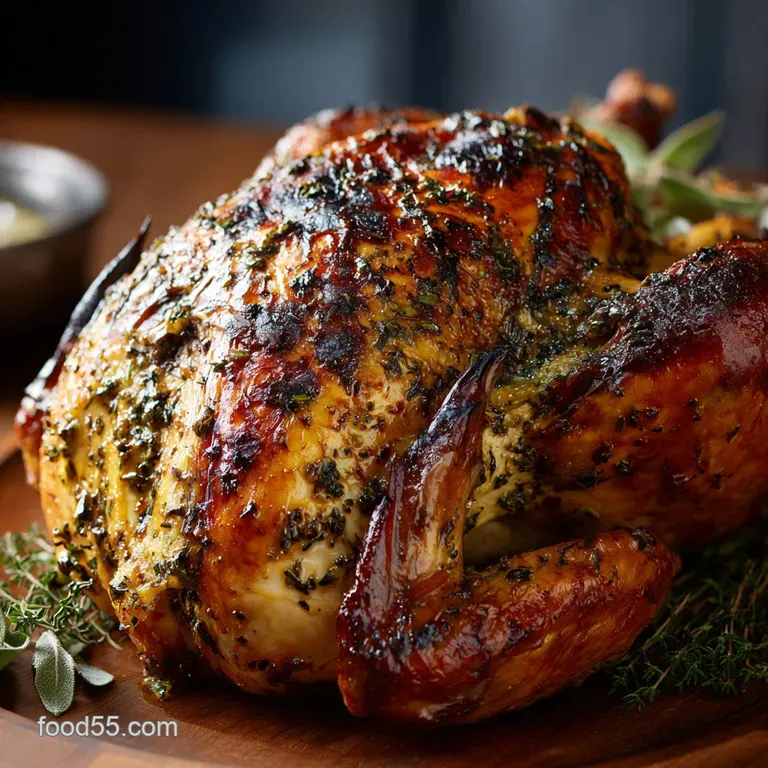
Achieving the Impossible: Why This Herb Butter Turkey Works
If you’ve ever served a turkey that looked gorgeous but tasted like seasoned sawdust, I feel your pain. I have been there, watching my guests politely chew through the breast meat while aggressively reaching for the gravy boat. It is a terrible feeling. We are not doing that again.
The reason most roast turkeys fail is simple: they lose moisture fast, and the flavour only sits on the surface. This Herb Butter Turkey recipe is the definitive fix because we address both issues head and on, delivering flavour under the skin and using two specific, genius techniques.
The Magic of the Pre and Roast Dry Brine
This is my secret weapon. Forget the messy, sprawling buckets of wet brine that make your bird taste faintly like cured ham. The dry brine is just salt (and pepper, if you like).
You rub the turkey down with a precise amount of salt 12 to 24 hours before cooking, and then you leave it, uncovered, in the fridge. Why? Science! The salt first draws moisture out of the meat, then that moisture dissolves the salt, creating a super and concentrated liquid.
That liquid is then reabsorbed back into the muscle tissue, seasoning the meat deeply while simultaneously tightening and drying out the skin. Dry skin is the foundation of crispy skin. It’s non and negotiable.
Defining Compound Butter: Fresh Herbs, Garlic, and Zest
Okay, so we’ve seasoned the meat, but how do we keep it juicy and flavourful for hours? Compound butter . We are talking about soft, room and temp butter mixed with fresh herbs, garlic, and citrus zest. You absolutely cannot skimp on the fresh ingredients here.
The butter serves two roles: it locks in moisture right against the muscle, and as it melts, it bastes the meat internally with intense aromatic flavour. Honestly, the smell of this herby butter alone is enough to make your knees weak.
A Note on Temperature and Essential Resting Time
I use a over high heat start (425°F/220°C) to get that skin cracking and golden, then I drop the temperature significantly to finish cooking (350°F/180°C). This gives you the best of both worlds a crisp exterior and a slow, controlled cook inside.
But listen up, the single biggest mistake people make isn't overcooking; it’s rushing the rest. You worked hard for hours. Do not let those beautiful juices run out onto the carving board.
This is a crucial warning: Once the turkey hits temperature, tent it tightly and leave it alone for a full 45 to 60 minutes. The internal temp will actually continue to climb a bit (carryover cooking), and the meat fibers need that time to relax and redistribute the moisture.
It’s brilliant.
Gathering Your Arsenal: Components for the Perfect Roast
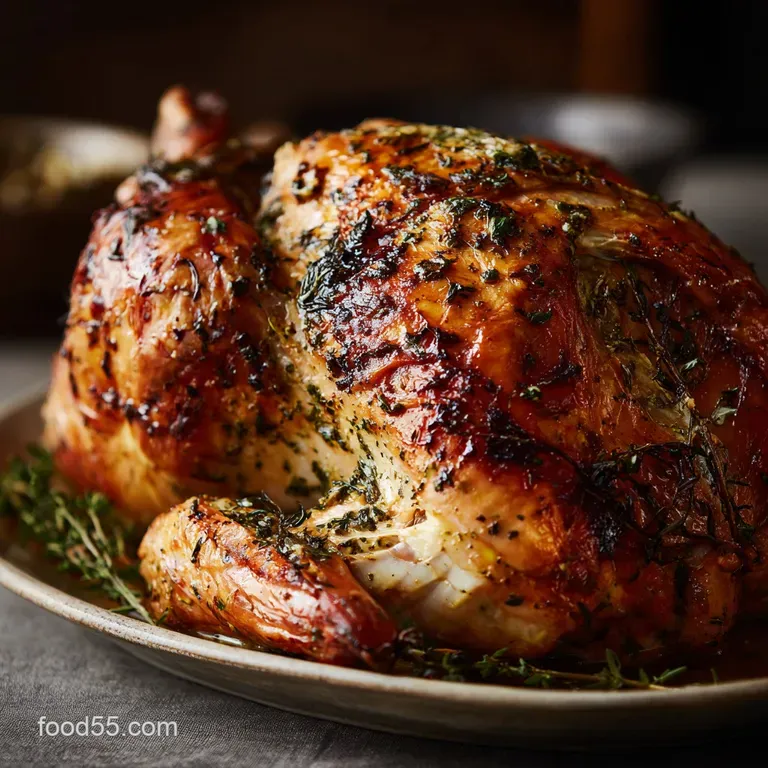
Right then, let's look at the ingredients. Nothing complicated, but everything needs to be top quality. Don’t use that old tub of dried, dusty herbs you found in the back of the pantry. We deserve better.
What You Need for the Aromatic Herb Butter
We’re using unsalted butter, softened. Why unsalted? Because we’ve already calibrated the salt in the dry brine. This allows us to control the seasoning perfectly. I lean heavily on thyme, rosemary, and sage the holy trinity of roast bird.
Make sure you use the lemon zest, too; that brightness cuts through the richness of the fat and keeps the flavour profile lively. If you want a deeper colour and a slightly earthy note, throw in a teaspoon of smoked paprika. It makes the skin look incredible.
The Primary Bird and Precise Dry Brining Salt Ratios
The size of your turkey will dictate the final cooking time, but the ratio of salt to weight is always key for a proper dry brine. Generally, I budget about 1 tablespoon of Kosher salt per 5 pounds of bird. It feels like a lot, but trust the process.
You are going to use a good flaky salt, completely rub the bird down (including a little inside the cavity), and then put it in the fridge, uncovered, on a rack. If you skip the rack, the bottom of the turkey gets soggy from sitting in its own juices.
Key Tools: Racks, Pans, and the Essential Thermometer
You probably already own a decent roasting pan, but if you don't have a V-rack or a simple wire rack that fits inside, get one. Air circulation is your best friend when chasing crisp skin. Second, the instant and read meat thermometer is not optional. I repeat: it is mandatory.
You cannot tell if a large bird is done by sight, feel, or praying to the cooking gods. You need the numbers. I once guessed and nearly gave my entire family rubber turkey. Never again.
| Essential Tool | Function | Why You Need It |
|---|---|---|
| Instant and Read Thermometer | Measures internal heat quickly. | Guarantees safety and prevents overcooking. |
| Roasting Rack (V or Flat) | Lifts the bird above the pan drippings. | Critical for allowing air circulation around the bottom skin. |
Related Recipes Worth Trying
- Garlic Butter Bread Rolls: The Fluffiest, Bistro Quality Dinner Rolls — These are the ultimate Garlic Butter Bread Rolls. Learn how to make easy homemade garlic butter dinner rolls that are incredibly soft, tender, and drenched...
- Thanksgiving Recipes: Rich Sage and Brown Butter Gravy, Ready in 40 Min — Thanksgiving Recipes require the perfect gravy. Our ultimate brown butter and sage recipe elevates standard pan drippings for deep, savory flavour. This is...
- Turkey Patties Recipe Succulent PubStyle with Lemon Herbs — Turkey Patties are often dry but not these This Ground Turkey Recipes Easy method uses chef secrets for juicy healthy turkey burger recipes packed with...
Step and by-Step Mastery: Roasting Your Herb Butter Turkey
Let’s crack on with the hands and on part. Remember, the goal here is getting that delicious, highly aromatic compound butter exactly where it needs to be.
Infusing the Flavour: Applying the Butter Beneath the Skin
This part is squishy and gross, but it is the most fun, flavour and wise. First, make sure your butter is soft. Starting at the cavity opening near the breast, gently slide your fingers between the skin and the meat. You are trying to separate them without tearing the skin.
Once you’ve created a pocket, take the majority of your herb butter and push it deep into that space, spreading it with your fingers so it covers the entire breast and the top of the thighs. The beautiful thing is, you don’t need to be perfect; as the butter melts, it will coat everything evenly.
Use the small remainder of the butter to coat the outside of the skin for extra browning power.
Addressing the Cavity: Aromatics vs. Stuffing Safety
Please, for the love of safe cooking, do not stuff a large turkey with dressing. If you do, the stuffing acts like insulation, meaning the turkey breast will be done long before the center of the stuffing reaches a safe temperature (165°F/74°C).
If you wait for the stuffing to be ready, your turkey will be drier than the Sahara. Instead, we use aromatics inside the cavity a halved lemon (the one you zested), a few garlic cloves, and some herb sprigs. They perfume the cavity and the meat without complicating the cooking time.
The Great Debate: To Baste or To Use Cheesecloth?
Short answer: Don't baste. You hear that? Don't. Every time you open the oven door and pour cold liquid over the bird, you drop the oven temperature by 25 to 50 degrees. Plus, since we put the herb butter under the skin, basting is mostly a theatrical gesture.
If your skin starts getting too dark (usually around the 2 hour mark), just drape a piece of aluminum foil loosely over the breast. That's it. Keep the heat in!
Monitoring the Internal Temperature and Doneness
Start checking the temperature about 30 minutes before the projected end time. The target is 165°F (74° C) in the breast and 175°F (80° C) in the thickest part of the thigh (avoiding the bone).
Always use the thigh number, because the legs take longer to cook. Once you hit those numbers, pull it out immediately. That extra five minutes in the oven is the difference between a gloriously moist guaranteed moist turkey recipe and a disappointment.
Maximizing Flavour and Handling Post and Roast Details
Achieving Truly Crisp Skin: Oven Placement and Initial Heat
We already covered the dry brine, which does 80% of the work, but here are the last steps to perfection: Place the turkey on the lowest rack in the oven initially. This exposes the top skin more intensely to the initial high heat (425°F/220°C).
After the first 25 minutes, when you drop the temperature, you can usually raise the rack up one level so the whole bird cooks evenly. That initial blast, combined with the dry, buttery skin, results in that beautiful mahogany colour and satisfying crunch.
Safe Storage and Reheating Methods for Turkey Leftovers
Assuming you have leftovers (and I hope you do!), storing them properly is key.
- Carve the meat off the bone and store white meat and dark meat separately in airtight containers. They usually last 3 4 days in the fridge.
- The absolute best way to reheat turkey is with moisture. Place the slices in an oven and safe dish, pour a splash of chicken broth or gravy over them, cover tightly with foil, and warm slowly in a 300°F (150°C) oven until just heated through. This keeps it from drying out.
- Don't waste the carcass! Boil the bones, neck, and aromatics with fresh vegetables for an intensely rich turkey stock.
Scaling and Timing Adjustments for Different Bird Sizes
This herb butter turkey recipe works for various sizes, but the main variable is time. The rule of thumb is roughly 13 minutes per pound at 350°F (180°C) after the initial searing phase.
- Small Turkey (6 lbs): ~ 2 hours, 15 minutes.
- Medium Turkey (12 lbs): ~ 3 hours, 45 minutes.
- Large Turkey (18 lbs): ~ 4 hours, 45 minutes.
Remember to start checking the temperature early. If you are roasting a large bird (18+ lbs), consider removing the wings and drumsticks partway through and letting them finish separately if the breast is cooking too quickly.
Variations: Making a Smoked Paprika Herb Butter Turkey
If you’re looking to add a deep, almost rustic flavour, add 1 to 2 teaspoons of good quality smoked paprika (not the sweet kind!) to your herb butter turkey rub .
The colour is breathtaking, and the flavour of the paprika combined with the sage and rosemary gives the whole roast a lovely, smoky background note without needing a smoker. If you decide to make a herb butter turkey breast recipe instead of a whole bird, this variation is particularly stunning.
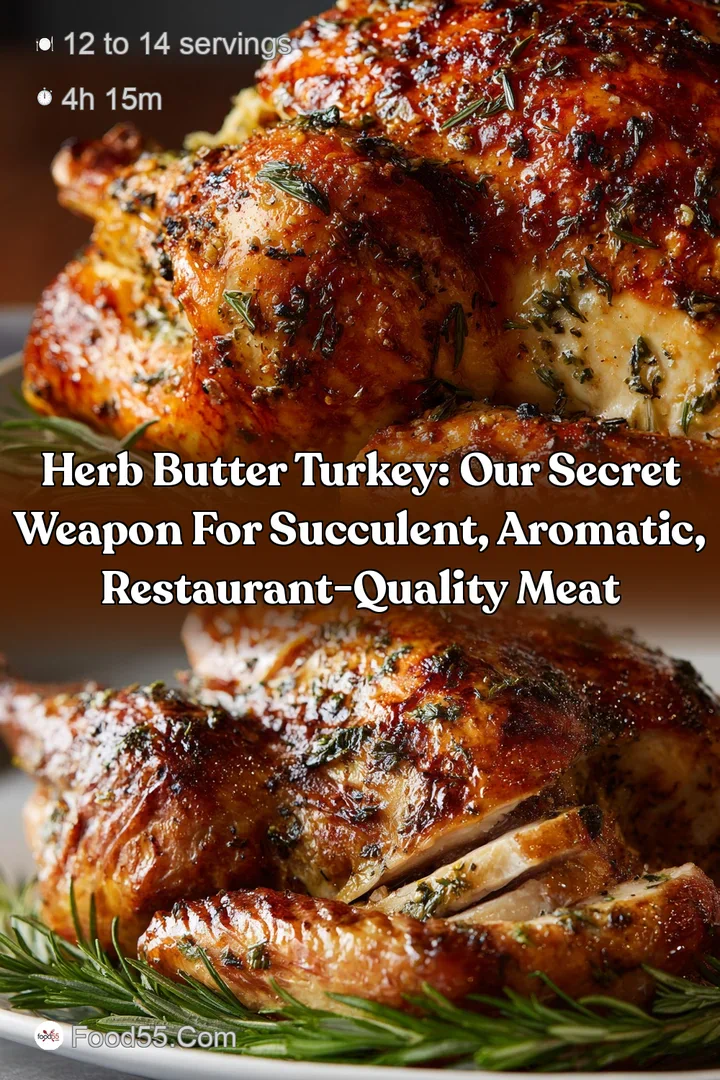
Recipe FAQs
I always end up with a turkey drier than the Sahara! What's the secret to keeping this Herb Butter Turkey succulent?
The secret weapon is the dry brine; salting the bird 24 hours ahead fundamentally changes the meat’s ability to retain moisture, guaranteeing a good result. Secondly, applying the butter under the skin lubricates the meat from within, ensuring a juicy result without constant, fussy basting.
Spreading the herb butter under the skin sounds a bit fiddly; do I risk tearing the skin?
Start by gently wiggling your fingers from the cavity end up towards the breastbone, being firm but gentle, and ensure the butter is fully softened so it slides easily and spreads without lumps, reducing the risk of a dramatic tear.
Is using an instant read thermometer truly mandatory for this Herb Butter Turkey, or can I just trust the timer?
A high-quality meat thermometer is non-negotiable for a perfect roast; it’s the only way to guarantee both food safety and perfect doneness, targeting 74°C (165°F) in the breast and 80°C (175°F) in the thigh before resting.
Can I prep this whole bird early, and how long can I store the leftovers after our jolly good feast?
You must prep 12-24 hours ahead for the dry brining period, and you can prepare the herb butter up to a week in advance; leftover cooked turkey stores safely in an airtight container in the fridge for 3 4 days.
If I'm not keen on sage, are there any jolly good substitutions for the classic herb butter blend?
Absolutely; for a rich, savoury alternative, try swapping the sage and rosemary for a blended mushroom duxelles butter, or for a fresher, brighter twist, substitute with lime zest and coriander (cilantro).
Classic Herb Butter Turkey Recipe
Ingredients:
Instructions:
Nutrition Facts:
| Calories | 500 calories |
|---|---|
| Fat | 25 g |
| Fiber | 1 g |
