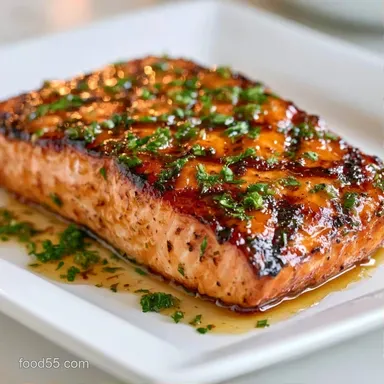
Grilled Wild Caught Salmon with Lemon
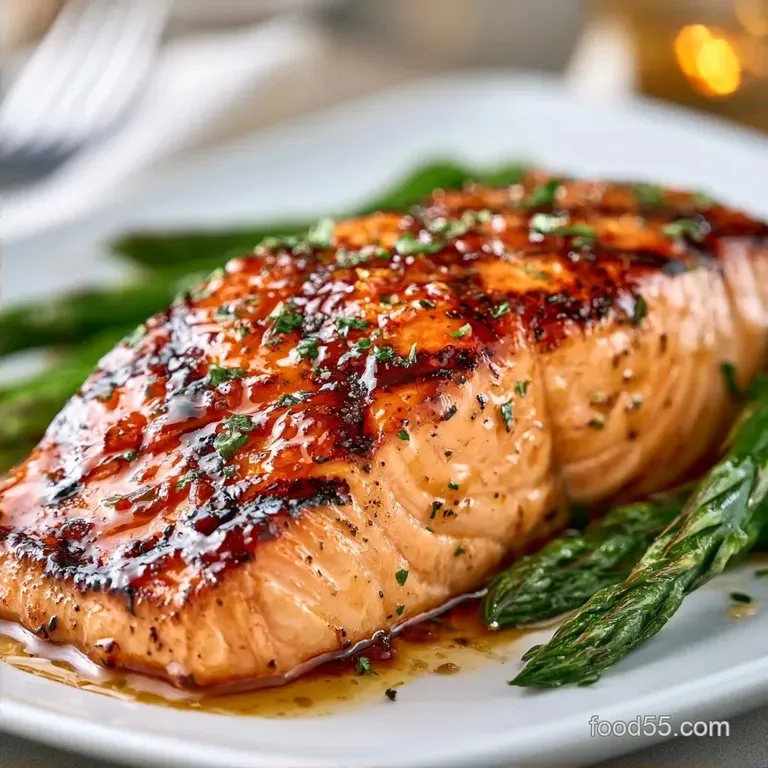
- Time: 5 min active + 10 min cook
- Flavor/Texture Hook: Charred edges with a juicy, tender center
- Perfect for: An impressive dinner that takes less than 30 minutes
For generations, people in the Pacific Northwest have treated the annual salmon run as a cultural event. It isn't just about food, it's about a connection to the river and the season.
I remember visiting a family in Oregon who grilled their catch right on the bank, using simple salt and the natural oils of the fish to get a deep, smoky crust.
That tradition is what drives this approach. We aren't trying to mask the flavor with heavy creams or thick batters. We want the vibrant, deep red color of the Sockeye to shine through.
You can expect a dish that tastes fresh and bright. This Grilled Wild Caught Salmon uses a touch of honey to balance the acidity of lemon, creating a glaze that clings to the fillet without overpowering the natural taste of the ocean.
Grilled Wild Caught Salmon Tips
The trick here is managing the heat. Wild salmon, especially Sockeye, has much less fat than farmed varieties. If you leave it on the grill a minute too long, it goes from juicy to dry faster than you can grab a napkin.
Honey Glaze: The honey browns quickly, creating a charred crust that mimics a professional kitchen.
Skin Side First: Starting on the skin creates a natural barrier. This protects the delicate flesh from the direct flame for the first few minutes.
Carry over Cooking: The internal temperature keeps rising after you pull it off the grill. Pulling it at 130°F (54°C) ensures it hits the ideal doneness while resting.
| Style | Heat Level | Texture | Best For |
|---|---|---|---|
| Fast Sear | High | Crispy skin, Rare center | Quick weeknight meals |
| Classic Grill | Medium High | Evenly cooked, Flaky | Dinner parties |
Quick Recipe Specs
When planning your evening, keep the timing tight. Since the prep is only 5 minutes, you can focus on your sides. I usually start my vegetables first since the fish only needs 10 minutes of actual heat.
For the best results, let your fillets sit at room temperature for about 15 minutes before grilling. This prevents the center from staying cold while the outside overcooks. Trust me, it makes a difference in how the heat penetrates the thickest part of the fillet.
Ingredient List Breakdown
I prefer using Sockeye for this because of its intense color and clean flavor. If you can't find Sockeye, King or Coho work well, though you might need to adjust the time slightly for thicker cuts.
| Ingredient | What It Does | Best Swap |
|---|---|---|
| Sockeye Salmon | Provides the lean, rich base | King Salmon (more fat) |
| Honey | Caramelizes for a charred crust | Maple Syrup |
| Lemon Juice | Cuts through the richness | Lime Juice |
| Olive Oil | Conducts heat and prevents sticking | Avocado Oil |
For the Salmon
- 1.5 lbs Wild Caught Sockeye Salmon fillets (skin on) Why this? Skin protects the meat from drying out
- 1 tsp Kosher salt
- ½ tsp Cracked black pepper
For the Grilled Wild Caught Salmon Marinade
- 3 tbsp Extra virgin olive oil Why this? High smoke point for grilling
- 2 tbsp Freshly squeezed lemon juice
- 1 tbsp Honey Why this? Adds sweetness and aids browning
- 2 cloves Garlic, minced
- ½ tsp Dried oregano
Tools You Will Need
You don't need a fancy setup for this. A standard gas or charcoal grill works. I use a wide fish spatula because it allows me to get under the skin without tearing the fillet.
If you're worried about the fish sticking, a grill basket is a lifesaver. But if you want those beautiful grill marks, go straight onto the grates. Just make sure your grates are scrubbed clean and lightly oiled right before the fish hits the metal.
The Cooking Process
Right then, let's get to the heat. The goal is a over high heat sear followed by a gentle finish.
- Pat the salmon fillets completely dry with paper towels. Note: Wet fish steams instead of searing
- In a small bowl, whisk together the olive oil, lemon juice, honey, minced garlic, and dried oregano.
- Brush the marinade generously over all sides of the salmon, then season with salt and pepper.
- Preheat the grill to medium high (approximately 400°F / 204°C), then clean and oil the grates.
- Place fillets skin side down and press lightly for 5 seconds. Grill undisturbed for 4–6 minutes until the edges turn opaque.
- Carefully flip the fillets and grill for another 3–5 minutes.
- Remove from heat when the internal temperature reaches 130°F (54°C).
- Transfer to a platter and let the salmon rest for 5 minutes to allow juices to redistribute.
Chef's Note: Don't keep flipping the fish. Every time you move it, you lose the heat buildup needed for that crust. Two flips maximum.
Troubleshooting The Grill
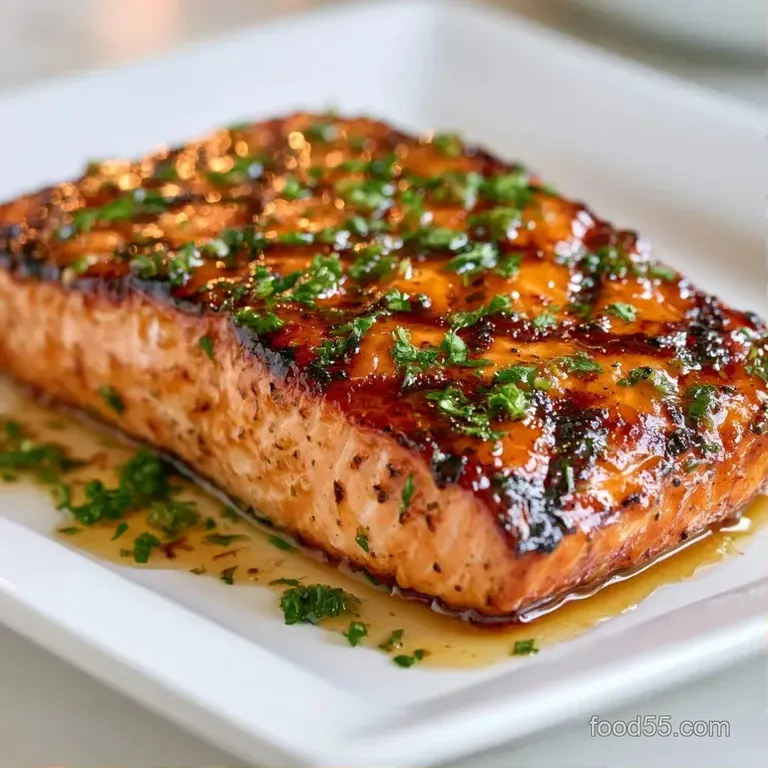
Even the best of us have fish stick to the grill. It usually comes down to temperature or moisture.
Why Salmon Sticks
If the grill isn't hot enough, the proteins bond to the metal. Make sure the grates are sizzling. Also, ensure you've patted the fish dry. According to America’s Test Kitchen, the secret to a moist sockeye salmon recipe is not to overcook it, but that starts with a clean, hot surface.
Burnt Skin, Raw Middle
This happens when the heat is too high. If the skin is blackening but the center is cold, move the fillets to a cooler part of the grill and close the lid. This creates an oven effect that cooks the middle without burning the outside.
Removing Fishy Tastes
Wild fish has a stronger profile than farmed. The lemon juice in the marinade neutralizes the amines that cause that "fishy" smell. For a cleaner taste, soak the fillets in milk for 20 minutes before marinating.
| Problem | Root Cause | Solution |
|---|---|---|
| Sticking | Grill too cold | Increase heat to 400°F |
| Dry Meat | Overcooked | Pull at 130°F internal |
| No Char | Not enough honey | Brush extra glaze on at the end |
Twists and Flavor Swaps
If you want to change the vibe, you can swap the oregano for fresh dill or smoked paprika. For those who like a bit of heat, a pinch of cayenne in the marinade works wonders.
If you're feeling fancy, try topping the finished fillets with a Cowboy Butter Sauce. The garlic and herb butter melts into the charred crust of the Grilled Wild Caught Salmon and adds a rich, savory layer.
Decision Shortcut:
- If you want more smoke: Use a cedar plank.
- If you want it healthier: Replace honey with a splash of orange juice.
- If you're feeding a crowd: Grill the fillets in foil packets to keep them moist longer.
Scaling The Recipe
Cooking for one or two: If you're only doing one fillet, reduce the marinade by half. Use a smaller pan for the marinade to ensure the fish is fully coated. The cooking time stays roughly the same, but keep a close eye on the thickness.
Cooking for a crowd (4x): When grilling 6 lbs of fish, don't crowd the grill. Work in batches. If you put too many fillets on at once, the grill temperature drops, and you'll end up steaming the fish instead of searing it.
Only increase salt and pepper by 1.5x, as too much salt can draw moisture out of the fish.
Myths About Wild Salmon
Myth: Searing seals in the juices. This is simply not true. Searing creates flavor and texture, but moisture loss happens regardless of how you start. The key to juiciness is the final internal temperature, not the initial sear. You can see this when comparing this method to a Basic Grilled Salmon Fillet without the glaze.
Myth: Wild salmon is always better regardless of heat. Wild salmon is leaner, which means it is actually easier to overcook. You have to be more precise with your timer than you would be with a fatty Atlantic salmon.
Storage and Zero Waste
Fridge & Freezer: Store leftovers in an airtight container for up to 3 days in the fridge. If you must freeze it, do so for up to 2 months, though the texture will soften.
Reheating: Avoid the microwave. It turns salmon into rubber. Instead, place the fillet in a 275°F (135°C) oven for 8-10 minutes. This gently warms the fats without overcooking the center.
Zero Waste: Don't throw away the skin if it didn't stick to the grill. You can crisp up salmon skin scraps in a pan with a little oil to make "salmon chips." They are great as a salty garnish for salads.
Serving and Enjoying
This dish is vibrant and fresh, so pair it with something equally bright. I love serving this with a side of Creamed Spinach to add a bit of creaminess to the meal.
For a lighter option, a crisp cucumber salad with rice vinegar and sesame seeds balances the sweetness of the honey glaze. If you're serving this for a special occasion, slice some fresh lemon into rounds and grill them for 2 minutes per side.
Place them right on top of the Grilled Wild Caught Salmon for a professional look and a concentrated citrus punch.
Recipe FAQs
How long do you grill sockeye salmon?
Grill for 4 6 minutes skin side down and 3 5 minutes after flipping. Remove the fillets from the heat once the internal temperature reaches 130°F (54°C).
How to cook salmon and it not taste fishy?
Pat the fillets completely dry with paper towels and use lemon juice. This removes surface moisture and neutralizes strong odors before the salmon hits the grill.
How to prepare and cook salmon?
Whisk together the marinade ingredients, brush onto dried fillets, and grill at 400°F (204°C). Cook until the internal temperature hits 130°F (54°C) and let the fish rest for 5 minutes.
Is grilled salmon high in potassium?
Yes, salmon contains a moderate amount of potassium. This essential mineral helps support healthy nerve and muscle function.
Is grilled salmon good for high blood pressure?
Yes, the omega-3 fatty acids in salmon support heart health. Just be cautious with the amount of salt used during the seasoning process.
How to cook salmon on the stovetop?
Sear in a hot pan with olive oil over medium high heat. Start skin side down and follow the same timing as the grill until the edges turn opaque.
How to cook salmon for a diabetic?
Omit the honey from the marinade to reduce sugar content. For other nutrient dense pairings, try our eggplant tomato sauce.
Grilled Wild Caught Salmon