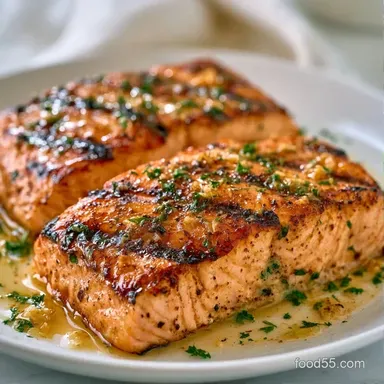
How to Grill Salmon with Crispy Skin
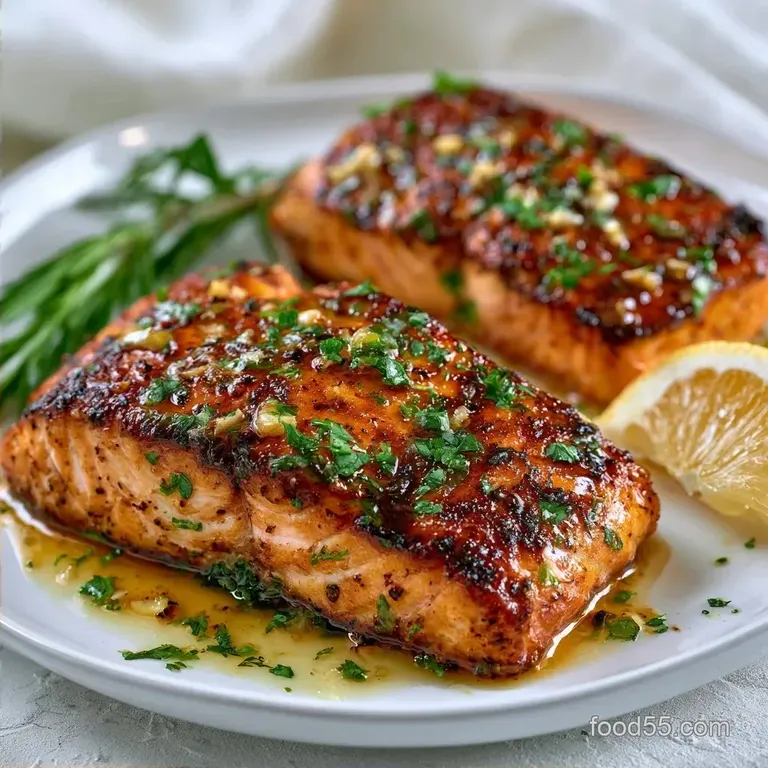
- Time: 5 min active + 10 min cooking + 15 min resting (room temp)
- Flavor/Texture Hook: Mahogany crisp skin with a tender, buttery center
- Perfect for: A vibrant weeknight dinner using fresh, local catches
- How to Grill Salmon
- The Truth About Sticking Fish
- What Each Ingredient Does
- The Essential Grill Gear
- Step by Step Salmon Guide
- Avoiding Rubbery Salmon
- Troubleshooting Common Issues
- Flavor Variations and Substitutes
- Scaling the Portions
- Truths About Searing
- Saving and Warming Leftovers
- Vibrant Sides for Salmon
- High in Sodium
- Recipe FAQs
- 📝 Recipe Card
How to Grill Salmon
That loud, aggressive sizzle when the fish hits the hot grate is the best sound in the world. But let's be honest, most of us have had a disaster where half the fillet stays stuck to the grill, leaving you with a shredded piece of fish.
It's frustrating when you've bought a beautiful piece of wild caught salmon only to have it turn into a rubbery, dry brick.
The fix isn't a fancy tool or a special marinade. It's actually about the moisture on the surface of the fish and the temperature of the meat before it hits the fire. When the salmon is too cold, the outside overcooks before the middle is done.
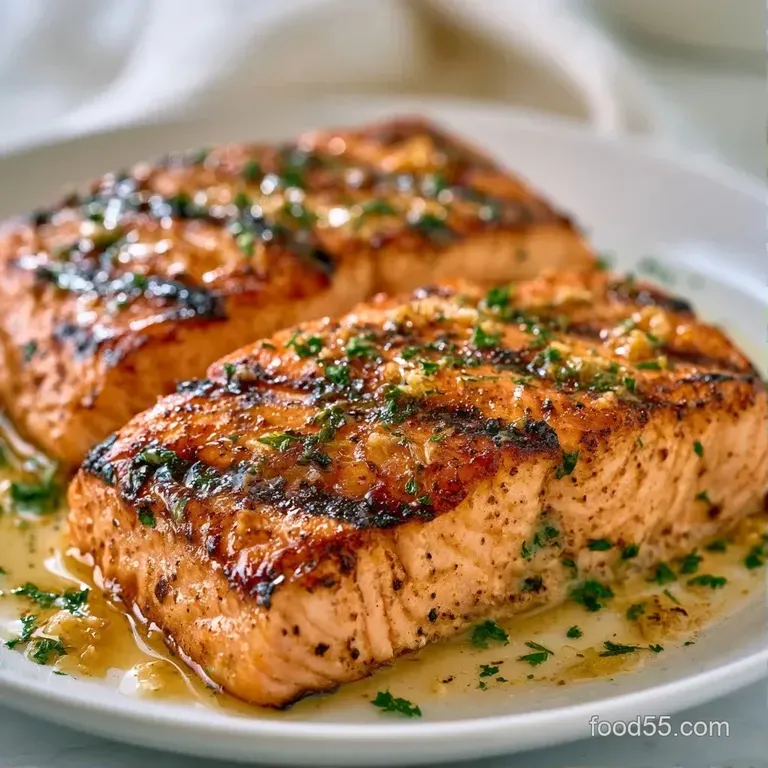
Once you get the timing right, you'll see that mahogany crust that tastes like a professional steakhouse. We're aiming for vibrant colors and a texture that flakes with a fork. This is the most reliable way to handle your fillets every single time.
The Truth About Sticking Fish
Most people think the fish sticks because the grill isn't hot enough. In reality, it's often because the salmon is too wet. Moisture creates steam, and steam prevents that initial sear that naturally releases the fish from the metal.
Another issue is the "cold shock." Taking a fillet straight from the fridge to a 400°F grill causes the muscle fibers to tighten up instantly. This leads to uneven cooking and that dreaded rubbery feel.
Letting the fish sit out for a bit allows the internal temperature to rise slightly, so the heat penetrates the center more evenly.
I've found that using a high smoke point oil like avocado oil is a huge help. It doesn't burn or smoke as quickly as olive oil, which keeps the flavor clean and the surface slick.
Why the Rest Matters: Resting the fish for 15 minutes at room temperature ensures the center isn't ice cold. This means you don't have to blast the outside for too long just to get the middle warm.
The Skin Factor: The skin acts as a natural heat shield. Cooking skin side down first protects the delicate flesh from the direct intensity of the flames.
| Method | Time | Texture | Best For |
|---|---|---|---|
| Fast Sear | 10 min | Very Crispy | Thin fillets |
| Classic | 15 min | Balanced | Center cut portions |
What Each Ingredient Does
Choosing fresh, seasonal ingredients makes a world of difference here. I prefer sourcing from local fishmongers who can tell me exactly when the salmon was caught.
| Ingredient | What It Does | Best Swap |
|---|---|---|
| Avocado Oil | High heat sear | Grapeseed oil |
| Kosher Salt | Draws out moisture | Sea salt |
| Unsalted Butter | Adds rich finish | Ghee |
| Fresh Lemon | Cuts through fat | Lime wedge |
The Essential Grill Gear
You don't need a professional kitchen, but a few specific tools make this way easier. A sturdy pair of long handled tongs is non negotiable. You need to be able to flip the fish with confidence without poking holes in the fillet.
A digital instant read thermometer is the only way to stop guessing. Since salmon overcooks in a matter of seconds, knowing exactly when you hit 135°F saves the meal. If you're using a gas grill, make sure your burners are clean to avoid flare ups that can soot up the fish.
For those who like a different approach, you might consider a cedar plank, though the direct grate method provides a better crust. If you want more sauce options, my cowboy butter sauce is a great way to add a rich, garlic finish after the fish comes off the heat.
Step by step Salmon Guide
1. Prepping the Fish
Pat the salmon fillets completely dry with paper towels. This is the most important part to stop sticking. Rub the avocado oil evenly over all sides, then season generously with salt and pepper. Let them sit at room temperature for 15 minutes.
2. Setting the Heat
Preheat your grill to medium high (approximately 400-450°F / 200-230°C). Use tongs and a folded paper towel dipped in oil to wipe the grates clean. This creates a non stick surface.
3. Searing the Skin
Place the fillets skin side down on the grill. Close the lid and cook undisturbed for 5-6 minutes until the fish releases easily from the grate and the skin is mahogany colored.
4. Finishing the Center
Flip the fillets carefully. Top each fillet with a small dot of butter and a pinch of minced garlic. Grill for another 2-4 minutes until the internal temperature reaches 135°F (57°C) for medium rare or 145°F (63°C) for medium.
5. Resting the Meat
Remove the salmon from the grill and let it rest on a plate for 3 minutes. Squeeze a fresh lemon wedge over the top before serving.
Avoiding Rubbery Salmon
The biggest pitfall when learning how to Grill Salmon is the "flip panic." If you try to flip the fish and it resists, leave it alone. It will naturally release once the proteins have seared and contracted.
If you notice the butter bubbling and turning brown too quickly, move the fish to a cooler part of the grill. This is especially common on charcoal grills where the center is much hotter than the edges.
Troubleshooting Common Issues
| Issue | Solution |
|---|---|
| Why Your Salmon Stuck | If the fish tore when you flipped it, the grates were likely too cold or the fish was too damp. Ensure the grill is screaming hot before the fish touches the metal. |
| Why the Middle is Raw | This usually happens if the fillets are too thick or were too cold when they started. Always use a thermometer to check the thickest part of the fillet. |
| Why the Skin Burnt | Too much oil or a flame flare up can char the skin before the meat cooks. Keep a spray bottle of water handy to douse small grease fires. |
Flavor Variations and Substitutes
If you're tired of the classic lemon butter combo, you can easily pivot. For a more savory profile, try a glaze of honey and soy sauce. Apply this only in the last 2 minutes of cooking to prevent the sugars from burning.
For those who prefer a different fish, trout works beautifully with this exact method. It's a bit thinner, so reduce the skin side cook time by about a minute. If you're looking for other grilled proteins, my backyard BBQ ribs are a great companion for a full summer spread.
Decision Shortcut: If you want a smoky flavor, use a charcoal grill. If you want precise heat control, use a gas grill. If you want zero cleanup, use foil (though you'll lose the sear).
Scaling the Portions
When you're cooking for a crowd, the rules change slightly. If you're doubling the recipe to 8 fillets, don't crowd the grill. If the fish are too close together, they'll steam instead of sear, and you'll lose that mahogany crust.
For larger batches, work in two turns. This keeps the grill temperature stable. If you're scaling down for just one person, remember that a single fillet can sometimes overcook faster because there's less mass on the grill to absorb the heat. Reduce your final flip time by about 30 seconds.
For those using a Blackstone or flat top grill, the process is even faster. You have more surface area, so you can sear multiple fillets without any hot spots. Just keep the heat at medium high and follow the same temperature cues.
Truths About Searing
There is a common belief that searing salmon "locks in the juices." That isn't actually how it works. Searing creates flavor and texture, but it doesn't create a waterproof seal. The moisture loss happens regardless of how you sear it.
Another myth is that you should always cook salmon until it's opaque all the way through. While some prefer that, salmon is actually more tender and juicy when pulled at a medium rare temperature. According to Serious Eats, cooking fish to a slightly lower internal temperature prevents the white albumin (the white protein streaks) from pushing out of the meat.
Saving and Warming Leftovers
Store your leftover salmon in an airtight container in the fridge for up to 3 days. To keep it fresh, press a piece of parchment paper directly onto the surface of the fish before sealing the lid.
When reheating, avoid the microwave if possible. It turns salmon into rubber almost instantly. Instead, place the fillet in a 275°F oven for about 10 minutes, or gently warm it in a pan with a teaspoon of butter over low heat.
For zero waste, don't toss the lemon rinds. Zest them into your salads or use them to infuse olive oil. If you have leftover skin that didn't get attached to the meat, fry it in a pan until crisp and use it as a salty garnish for a bowl of rice.
Vibrant Sides for Salmon
To make the plate look as good as it tastes, focus on color balance. The orange pink of the salmon needs contrast to look truly vibrant.
- 1. Bright Green
- Add steamed asparagus or a fresh parsley garnish right before serving.
- 2. Deep Red
- A side of roasted red peppers or thinly sliced radishes adds a sharp pop of color.
- 3. Sunny Yellow
- The lemon wedge isn't just for flavor; it provides a bright visual highlight.
Adding these accents just as the dish hits the table keeps the produce fresh and the colors popping. A side of quinoa or a crisp cucumber salad also balances the richness of the buttered fish.
High in Sodium
1050 mg 1050 mg of sodium per serving (46% 46% of daily value)
The American Heart Association recommends a daily sodium limit of 2,300mg for most adults to reduce the risk of high blood pressure and heart disease.
Tips to Reduce Sodium
-
Reduce Kosher Salt-25%
Cut the kosher salt by half or replace it with a salt free seasoning blend to significantly lower the sodium content.
-
Increase Citrus-10%
Use extra lemon juice and zest to provide a bright, acidic flavor that mimics the taste of salt.
-
Amplify Garlic-5%
Increase the amount of minced garlic to add more aromatic depth and savory flavor to the butter sauce.
-
Add Fresh Herbs
Garnish the salmon with fresh parsley or dill to add complex flavors without adding any sodium.
Recipe FAQs
How long should salmon be cooked on a grill?
Cook for 5-6 minutes skin side down, then 2-4 minutes after flipping. Use a meat thermometer to ensure the internal temperature reaches 135°F for medium rare or 145°F for medium.
Should you flip salmon on a grill?
Yes, flip once. Once the skin is mahogany colored and releases easily from the grate, flip the fillet to finish cooking and add the garlic butter.
Is it true that salmon must be cooked in foil to prevent sticking?
No, this is a common misconception. Patting the fillets completely dry and using avocado oil allows the fish to sear directly on the grates without sticking.
How do you make grilled salmon?
Pat fillets dry, rub with avocado oil, and season with salt and pepper. Grill skin side down for 5-6 minutes, flip, and cook for another 2-4 minutes with butter and garlic before finishing with a squeeze of lemon.
How do you cook salmon for one person?
Follow the same timing and temperature for a single 6 oz fillet. It is a quick, high protein meal that pairs perfectly with homemade tartar sauce.
Is grilled salmon high in potassium?
Yes, it is a good source of potassium. This essential mineral helps maintain healthy blood pressure and supports muscle function.
How do you prevent salmon from sticking to the grill?
Heat the grill to 400-450°F and oil the grates thoroughly. Ensuring the fish is completely dry before adding oil prevents the meat from steaming and tearing during the flip.
How To Grill Salmon