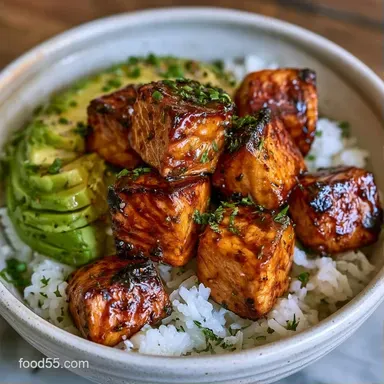
Healthy Salmon Bowl in 25 Minutes
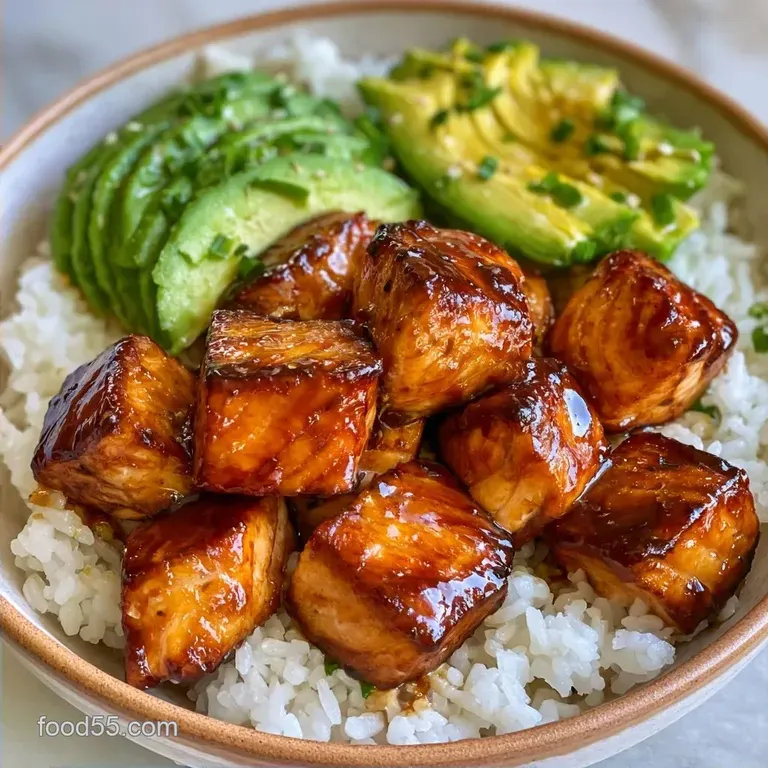
- Time: 15 min prep + 10 min cook
- Flavor/Texture Hook: Sweet savory glaze with a crunchy vegetable base
- Perfect for: Weeknight dinner or Healthy Salmon Bowl Meal Prep
- Salmon Bowl: Vibrant Colors and Fresh Flavors
- What Makes the Sear Work
- Choosing the Best Components
- The Right Gear for Searing
- Step by Step Assembly
- Solving Salmon Bowl Issues
- Troubleshooting Common Issues
- Fresh Variations and Swaps
- Storage and Waste Tips
- Serving and Garnish Tips
- Recipe FAQs
- 📝 Recipe Card
Salmon Bowl: Vibrant Colors and Fresh Flavors
The smell of honey and soy sauce hitting a hot pan is a total mood booster. It reminds me of the first time I tried a proper donburi in a small shop in Kyoto, where the bowl wasn't just a meal, but a study in color and balance.
Those traditional Japanese bowls treat every ingredient with respect, focusing on the natural vibrancy of the produce.
I used to just throw everything in a bowl and hope for the best. But I've learned that the real magic of a Salmon Bowl happens when you balance temperatures. You want that hot, seared fish resting on cool, crisp cucumbers and creamy avocado. It's all about that contrast.
This version uses brown rice for a nuttier base and plenty of fresh, local greens. We're aiming for a dish that looks as good as it tastes, using the bright orange of carrots and the deep green of edamame to make the Salmon Bowl pop.
What Makes the Sear Work
The goal here is a mahogany crust that doesn't overcook the center of the fish.
Sugar Caramelization: The honey in the marinade browns quickly, creating a sticky glaze that clings to the fish. Surface Moisture: Searing the cubes in a single layer lets water evaporate fast so the fish browns instead of steaming.
Right then, let's look at how this differs from a traditional slow cooked version.
| Feature | Fast Sear | Classic Poach | Impact |
|---|---|---|---|
| Texture | Crispy edges | Soft, uniform | Sear adds more depth |
| Time | 10 minutes | 20 minutes | Sear is faster |
| Flavor | Caramelized | Mild/Clean | Sear is bolder |
Choosing the Best Components
Every part of a Salmon Bowl has a job. If one thing is off, the whole balance shifts. I prefer using short grain brown rice because it holds the sauce better than long grain varieties.
| Ingredient | What It Does | Best Swap |
|---|---|---|
| Salmon Fillet | Provides rich protein and omega-3s | Rainbow Trout (milder flavor) |
| Soy Sauce | Adds salt and umami | Coconut Aminos (lower sodium) |
| Honey | Creates the brown crust | Maple Syrup (earthier taste) |
| Rice Vinegar | Cuts through the fat | Lime Juice (brighter zing) |
For the fish, I always look for sustainably sourced fillets. According to the USDA FoodData, salmon provides a high concentration of protein and healthy fats, which makes this Salmon Bowl feel filling without feeling heavy.
The Right Gear for Searing
You don't need a fancy kitchen, but the pan matters. A large non stick skillet is great, but a cast iron pan is where the Salmon Bowl really levels up. Cast iron holds heat better, ensuring the cubes brown in 3 minutes per side without dropping the temperature.
I also suggest a sharp chef's knife. Cutting the salmon into exact 1 inch cubes ensures they all finish cooking at the same time. If some are tiny and some are huge, you'll end up with some burnt bits and some raw centers.
Chef's Tip: Freeze your honey for 10 minutes before mixing if it's too runny. This helps it emulsify better with the soy sauce for a thicker glaze on your Salmon Bowl.
Step by step Assembly
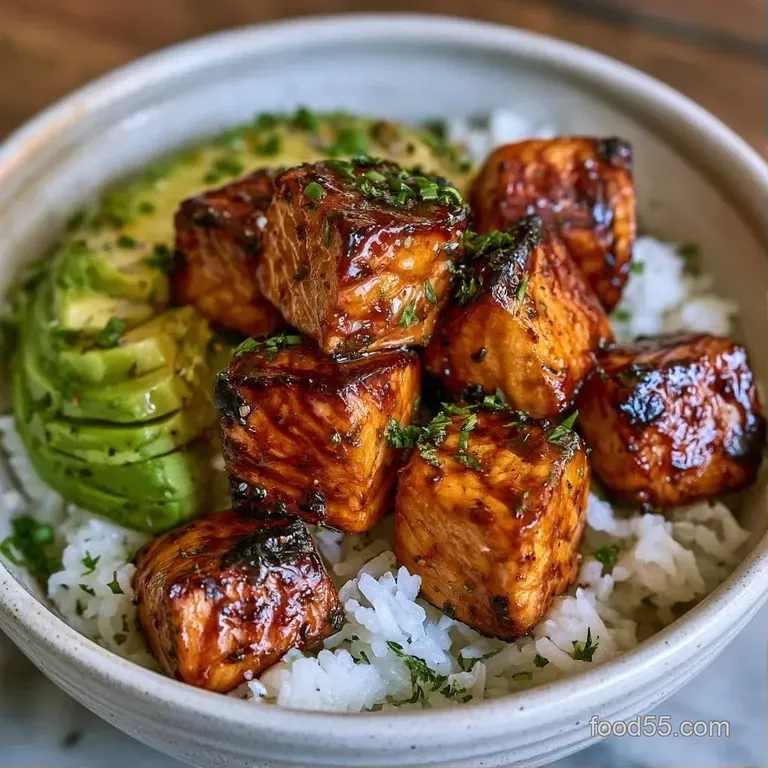
Let's get into the actual process. This Salmon Bowl comes together fast if you prep your vegetables first.
Preparing the Components
- Whisk together soy sauce, honey, sesame oil, and ginger in a small bowl.
- Toss the salmon cubes in the mixture and marinate for 10 minutes. Note: Don't go over 20 minutes or the salt will start to cure the fish.
- Arrange the cooked brown rice, sliced cucumbers, steamed edamame, shredded carrots, and diced avocado in separate piles.
- Mix mayonnaise, Sriracha, lime juice, and rice vinegar together for the dressing.
Searing the Salmon
- Heat the neutral oil in a large non stick skillet or cast iron pan over medium high heat until shimmering.
- Add salmon cubes in a single layer.
- Sear for 2–3 minutes per side without moving them until a mahogany colored crust forms.
- Remove from heat immediately to prevent overcooking.
Assembling the Bowl
- Divide the warm brown rice among four bowls.
- Arrange the fresh cucumbers, edamame, carrots, and avocado in sections on top of the rice.
- Place the seared salmon cubes in the center of each Salmon Bowl.
- Drizzle the creamy Sriracha dressing over everything.
If you're feeling like something different, you could try a grilled salmon method for a smokier flavor, but the pan sear is the gold standard for this Salmon Bowl.
Solving Salmon Bowl Issues
Sometimes the fish sticks or the sauce feels off. It happens to the best of us. I once ruined a whole batch by crowding the pan, and it turned into a Salmon Bowl soup instead of a sear.
Troubleshooting Common Issues
| Issue | Solution |
|---|---|
| Why Your Fish Sticks | If the salmon clings to the pan, you likely didn't let the oil get hot enough. The fish needs to "leap" off the surface. |
| Why Your Sauce is Too Salty | Over marinating or using too much soy sauce can make the Salmon Bowl taste like a salt lick. Balance it with more lime juice or a pinch of extra honey. |
| Why the Salmon is Dry | Cooking the cubes too long is the main culprit. Remember, they continue to cook for a minute after they leave the pan. |
Fresh Variations and Swaps
The beauty of a Salmon Bowl is that it adapts to what's in your fridge. If you want a Japanese Salmon Bowl Recipe, swap the brown rice for seasoned sushi rice and add a slice of pickled ginger.
For those looking for a Low Calorie Salmon Bowl, replace the mayo in the dressing with Greek yogurt. It keeps the creaminess but cuts the fat. You can also swap the brown rice for cauliflower rice or shredded kale to make it a Healthy Salmon Bowl for Weight Loss.
If you're into meal prep, this is a great Healthy Salmon Bowl Recipe for the week. Just keep the dressing in a separate container and add the avocado fresh on the day you eat it.
| Original | Substitute | Why It Works |
|---|---|---|
| Brown Rice | Quinoa | Higher protein, similar nuttiness |
| Edamame | Snap Peas | Adds a similar crunch and color |
| Sriracha | Gochujang | Deepens the fermented flavor |
To add more depth to the flavor profile, I often use a dill salmon sauce on the side. It brings a fresh, herbal note that contrasts the sweetness of the honey glaze.
Storage and Waste Tips
Store your Salmon Bowl components separately if you're prepping for the week. The cooked salmon stays good in the fridge for 3 days in an airtight container. The brown rice lasts about 4-5 days.
When reheating the salmon, do it gently. A quick 30 seconds in the microwave or a light pan sear prevents it from becoming rubbery. Avoid microwaving the cucumber or avocado, obviously.
To keep things zero waste, don't toss your carrot peels or the ends of the cucumber. I throw mine into a freezer bag and boil them down with some onion scraps to make a quick vegetable stock. Even the avocado pit can be composted or used in some DIY skincare recipes.
Serving and Garnish Tips
Color balance is what makes this Salmon Bowl look professional. I focus on three main accents: the bright orange of the carrots, the vivid green of the avocado, and the deep mahogany of the fish. Add these as distinct sections rather than mixing them together.
For a final touch, sprinkle some toasted sesame seeds or sliced scallions over the top. These small additions provide a tiny bit of crunch and a pop of white and green.
Decision Shortcut: If you want more heat, double the Sriracha in the dressing. If you prefer a crunchier base, use toasted brown rice or farro. If you're serving guests, use wide, shallow bowls to show off the colors.
There are a few myths about searing fish that I want to clear up. Many people think searing "locks in the juices." It doesn't. Moisture loss happens regardless of the sear. The crust is purely for flavor and texture, not for moisture control. Also, you don't need to "rest" salmon cubes like you would a steak.
They're too small to need a long rest; just a minute off the heat is plenty.
This Salmon Bowl is a great way to use seasonal produce. In the spring, I add radishes for a peppery bite. In the fall, roasted squash replaces the carrots. It's a flexible, vibrant meal that keeps things interesting. Now go grab some fresh salmon and get searing!
Recipe FAQs
Are salmon bowls healthy for weight loss?
Yes, they are nutrient dense. The combination of lean protein, healthy fats from avocado, and complex carbs from brown rice keeps you full longer.
What should I put in a salmon bowl?
Combine brown rice, seared salmon, and a mix of fresh vegetables. Use sliced cucumbers, steamed edamame, shredded carrots, and diced avocado for a balanced meal.
How do you cook salmon on the stovetop?
Sear salmon cubes in neutral oil over medium high heat. Cook for 2 3 minutes per side without moving them to create a mahogany colored crust.
How to cook salmon for diabetics?
Limit the honey in the marinade. Use the same pan-searing method but reduce the sweetener to keep blood sugar levels stable.
How to cook salmon for acid reflux?
Omit the Sriracha and lime juice from the dressing. Stick to the soy sauce, honey, and ginger marinade to avoid common acidic triggers.
What is the best way to cook salmon for one person?
Scale the marinade and salmon fillet to a single serving. Use a small non-stick skillet to ensure the neutral oil maintains the high temperature needed for a proper sear.
Why does my salmon stick to the pan?
Wait for the neutral oil to shimmer before adding the fish. This creates the necessary heat for the salmon to "leap" off the surface. If you enjoyed mastering the sear here, see how a similar high heat approach works in our backyard BBQ ribs.
Healthy Salmon Bowl