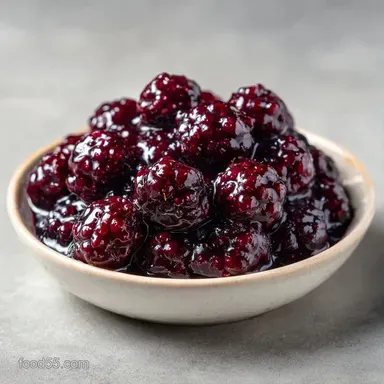
Mulberry Jam: Glossy and Tart
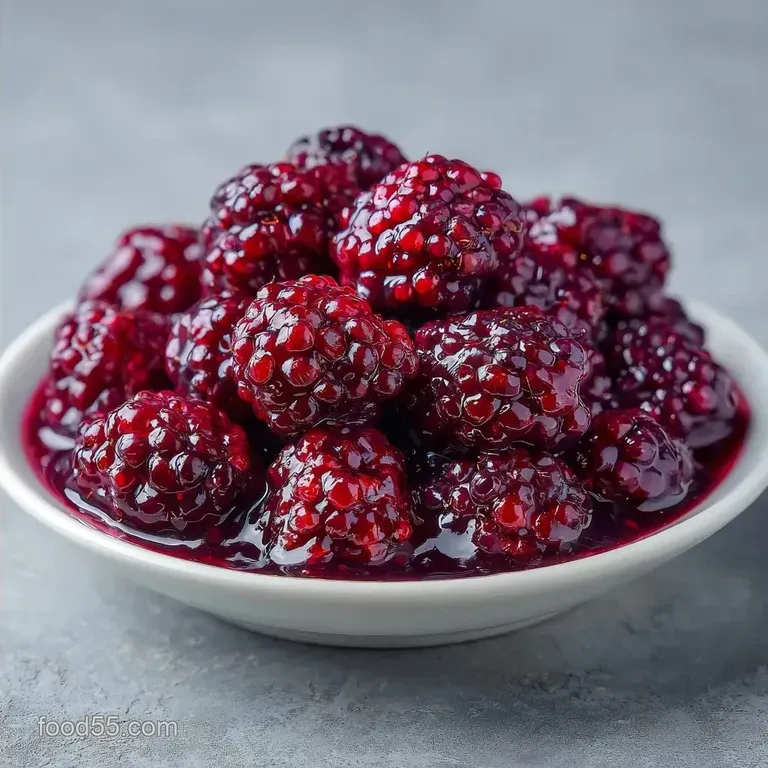
- Time: 10 min active + 20 min cooking
- Flavor/Texture Hook: Deep purple, glossy, and tart
- Perfect for: Local farmers market hauls, breakfast, or gifts
The smell of simmering berries is one of those things that just screams summer. I remember the first time I tried to preserve the mulberries from a wild tree in my backyard, and I spent way too long hovering over the pot. The goal was a spread that tasted like the fruit itself, not just sugar and gelatin.
You can actually get a professional result without spending all day in the kitchen. This version skips the complicated water baths and long reductions. You just need a few local ingredients and a bit of patience while the fruit breaks down.
You'll end up with a deep, vibrant spread that works on everything from sourdough to cheesecake. This Mulberry Jam keeps the fresh, wild character of the berries while hitting that ideal thickness for spreading.
Nailing the Process
The trick to a good set is all about the balance of acid and heat. Since we are using fresh fruit, we rely on the natural pectin. If you undercook it, you have syrup; if you overcook it, it turns into a gummy paste.
Acid Balance: Lemon juice helps the natural pectin bond together. This is what makes the jam thicken without needing store-bought powders.
Sugar Ratio: Sugar doesn't just sweeten, it draws moisture out of the fruit cells. This creates a glossy finish and helps the jam hold its shape.
| Method | Time | Texture | Best For |
|---|---|---|---|
| Fast Simmer | 30 mins | Glossy & Soft | Fresh eating, fridge storage |
| Classic Boil | 2+ hours | Firm & Dense | Long-term canning, shelving |
Jam Recipe Specs
The focus here is on speed and flavor. We aren't trying to make a shelf stable product for three years, but rather a fresh, seasonal treat. Trust me on this, the fresh taste is far better than anything you'd buy at a store.
The total time is 30 minutes. We spend 10 minutes prepping and 20 minutes at the stove. It's a quick win for anyone who has a sudden surplus of seasonal produce.
Gathering Your Essentials
Before you turn on the heat, get your jars ready. I use sterilized glass jars because they keep the color vibrant. If you don't have those, any clean glass container will do for fridge storage.
For the fruit, look for berries that are plump and dark. If they are too pale, the jam won't have that deep purple hue. I prefer buying from local growers to ensure the berries haven't spent days in a truck.
| Ingredient | What It Does | Best Swap |
|---|---|---|
| Fresh Mulberries | Provides base flavor/pectin | Blackberries (adds more seeds) |
| Granulated Sugar | Preserves and thickens | Honey (makes it softer/runnier) |
| Lemon Juice | Sets the jam/adds brightness | Lime juice (sharper citrus note) |
The Ingredient List
Make sure your berries are cleaned and stems are gone. I find that removing the stems early prevents any woody taste from leaching into the syrup.
- 4 cups (600g) fresh mulberries, stems removed Why this? High natural pectin and deep color.
- 1 cup (200g) granulated sugar Why this? Essential for the chemical set and preservation.
- 2 tbsp (30ml) fresh lemon juice Why this? Activates pectin and cuts through the sugar.
Needed Kitchen Tools
You don't need a professional lab. A heavy bottomed stainless steel pot is a must because it distributes heat evenly. Thin pots often lead to scorched sugar at the bottom.
I also suggest a chilled plate in the freezer. This is the only way to be sure your Mulberry Jam is actually done without guessing. A slotted spoon is also handy for skimming the foam.
Bringing It Together
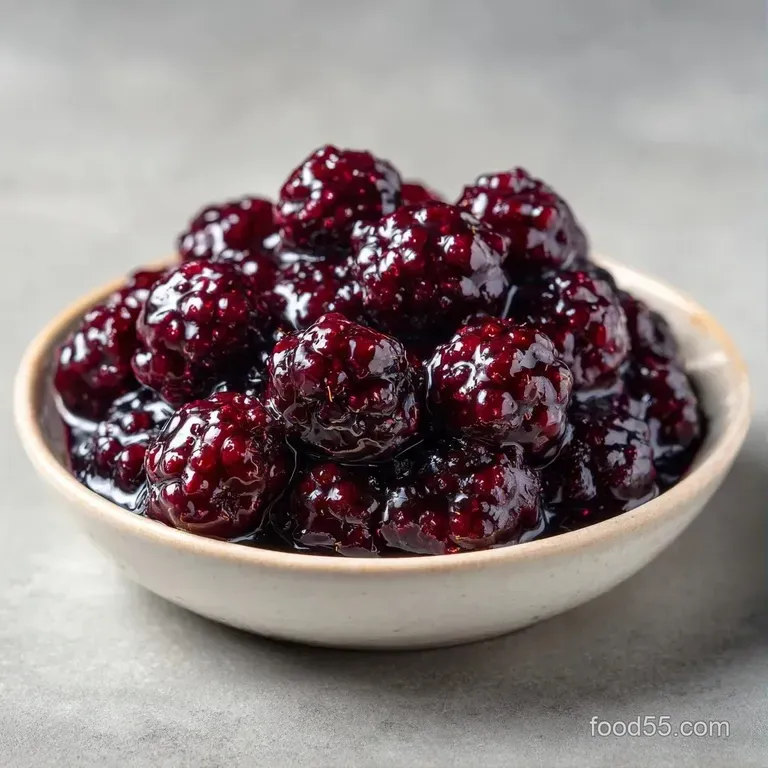
Let's crack on with the cooking. Keep an eye on the bubbles; they change from small and fast to slow and thick as the jam sets.
- Rinse the mulberries in cold water and pat them dry.
- Place the berries in a heavy bottomed stainless steel pot with the lemon juice and allow them to macerate for 10 minutes. Note: This softens the fruit fibers.
- Stir in the granulated sugar until the berries are evenly coated.
- Bring the mixture to medium heat, stirring constantly to dissolve the sugar, then increase to a steady simmer.
- Use a slotted spoon to skim off any excess foam that rises to the top. Note: Removing foam ensures a clearer, glossier jam.
- Continue simmering until the mixture thickens and begins to coat the back of a spoon.
- Perform the plate test: drop a small dollop of jam onto a chilled plate from the freezer; if it wrinkles when pushed with a finger after 30 seconds, it has reached the setting point. According to Serious Eats, this is the most reliable way to check for a set.
- Remove from heat immediately and pour the hot jam into sterilized glass canning jars, leaving 1/4 inch (0.6cm) of headspace.
- Seal tightly and let cool.
Fixing Common Problems
If your jam isn't behaving, don't panic. Most issues come down to temperature or timing.
Runny Consistency
This usually happens if the jam is pulled off the heat too early. Pectin needs a specific temperature to bond. If it's too thin, just put it back on medium heat for 5 more minutes.
Cloudy Appearance
Cloudiness comes from leaving too much foam on top or stirring too aggressively during the final simmer. It still tastes the same, but it lacks that professional shine.
Bitter Aftertaste
This happens if the berries were scorched or if too many stems were left in. Next time, be more thorough with the cleaning process.
| Problem | Root Cause | Solution |
|---|---|---|
| Jam won't set | Not enough acid or heat | Add 1 tsp lemon juice and simmer longer |
| Too sweet | Sugar ratio too high | Stir in a squeeze of fresh lemon at the end |
| Burnt bottom | Heat too high/thin pot | Use a heavier pot and stir more often |
Making Custom Versions
You can tweak this base to fit your mood. If you want something less sweet, you can reduce the sugar slightly, but be aware that the set will be softer.
For a savory twist, you can move toward a Mulberry Chutney by adding vinegar and ginger. If you have leftover berries that aren't ripe enough for jam, freeze them for later use.
Adjusting the Batch Size
If you only have a handful of berries, you can halve the recipe. Use a smaller saucepan and reduce the simmering time by about 20%, as a smaller volume evaporates faster.
When doubling or tripling the batch, don't just multiply everything linearly. I suggest increasing the sugar and lemon juice to 1.5x instead of 2x to avoid an overly sweet result. Work in batches if your pot is too full, or you'll spend an hour waiting for it to thicken.
Jam Beliefs Debunked
Some people think you must add store-bought pectin to get a set. That's not true for mulberries. They have enough natural pectin that lemon juice and heat do all the work.
Another myth is that you have to boil jam for hours to preserve it. For fridge jams, a 20 minute simmer is plenty. The sugar and acid handle the preservation for short-term storage.
Storage and Freshness
Store your Mulberry Jam in the fridge for up to 3 weeks. Keep the lid tight to prevent the jam from picking up other smells from your fridge.
For longer storage, these jars freeze well for up to 6 months. Just leave a bit more headspace in the jar so the glass doesn't crack when the jam expands. To avoid waste, use any leftover fruit scraps or stems to infuse a simple syrup for cocktails.
Perfect Complement Ideas
This jam is a powerhouse on toasted brioche with a slab of salted butter. The tartness of the berries cuts right through the richness of the bread.
If you're feeling fancy, use it as a topping for a Mulberry Malai Dessert or swirl it into Greek yogurt. It also makes a great glaze for roasted pork or chicken, adding a vibrant color and a sweet tart finish to the meat.
Recipe FAQs
How to make mulberry jam?
Macerate rinsed mulberries with lemon juice for 10 minutes. Stir in sugar, simmer on medium heat while skimming foam, and cook until the mixture coats the back of a spoon.
Do you need to remove mulberry stems for jam?
Yes, remove all stems. Leaving them in can introduce a bitter taste and ruin the smooth consistency of the preserve.
Do mulberries make good jam?
Yes, they are ideal. Their natural balance of sweetness and acidity creates a deep, complex flavor that sets beautifully.
Do you need pectin for mulberry jam?
No, pectin is not necessary. The fresh lemon juice reacts with the natural pectin in the berries to create a stable set.
In which other recipes can you include mulberries?
They are versatile in desserts. You can use them in a moist tea cake or a cobbler for a similar sweet-tart profile.
How to tell when the jam has reached the setting point?
Perform the plate test. Place a small dollop of jam on a chilled plate; it is ready if the jam wrinkles when pushed with a finger after 30 seconds.
Is it true that you must add cornstarch to thicken mulberry jam?
No, this is a common misconception. Proper simmering of the berries with sugar and lemon juice naturally thickens the jam without the need for starches.
Mulberry Jam in 30 Minutes