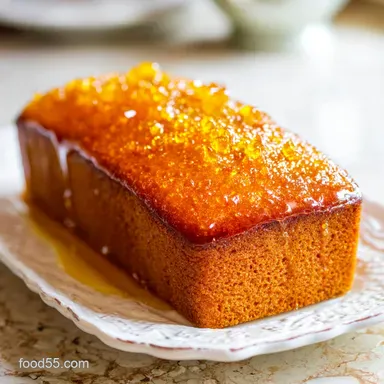
Greek Honey Cake: Authentic and Moist
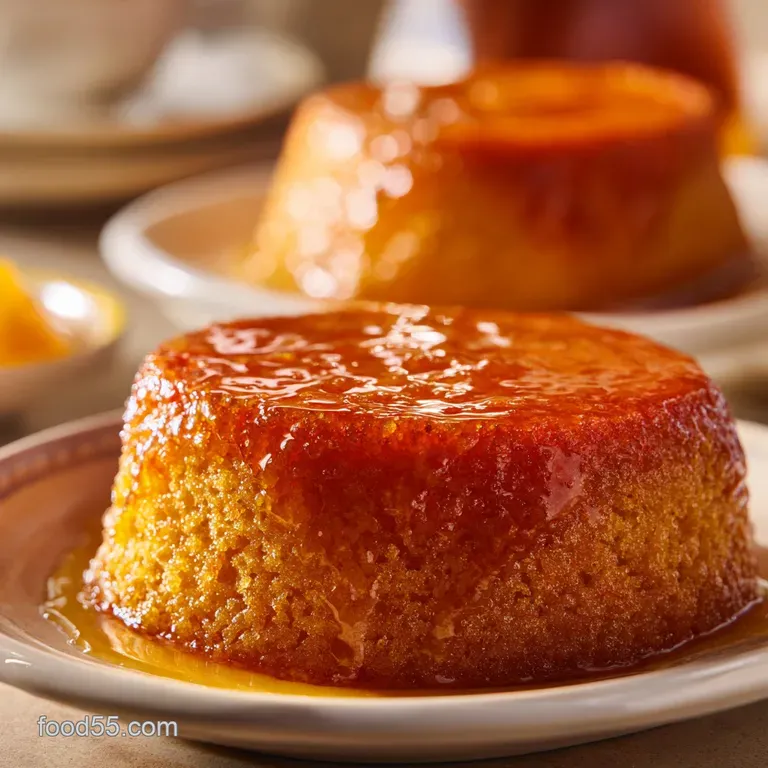
- Time:15 minutes active + 40 minutes soaking = Total 1 hours 30 mins
- Flavor/Texture Hook: Floral honey aroma with a moist, velvety crumb and nutty crunch
- Perfect for: Holiday gatherings, family tea time, or a welcoming dessert for guests
I can still smell that first batch I ever made, the way the floral honey hit the heat and filled my whole kitchen with a scent like a sunny afternoon in the Mediterranean. It was a bit of a disaster at first, actually.
I had forgotten to let the syrup cool, and instead of a moist cake, I ended up with something that felt more like a sweet sponge. But that mistake taught me the most important lesson about this dessert: the temperature dance.
Once I figured out the cold syrup-on hot-cake trick, everything changed. Now, the result is always that same velvety texture that just melts on your tongue, balanced by the bright, zingy pop of orange zest.
This Greek Honey Cake isn't just a dessert; it's the kind of dish that brings people together around a table, sparking conversations about old family recipes and shared meals.
If you're looking for a win that feels impressive but doesn't require a professional kitchen, you're in the right place. We're going for a result that is moist, fragrant, and visually stunning with those bright green pistachios on top.
Trust me on this, the wait for the syrup to cool is the hardest part, but it's where the magic happens.
Greek Honey Cake
Right then, let's get into what makes this particular treat so special. When you first slice into a Greek Honey Cake, you'll notice it doesn't behave like a standard sponge. It's denser, almost like a cross between a pound cake and a syrup cake, but without that heavy, cloying feeling.
The honey provides a depth of flavor that sugar alone can't touch, giving it a floral, earthy quality.
The beauty of this recipe is in its simplicity. You don't need any fancy gadgets or rare ingredients, just some patience while the syrup chills. It's the kind of bake that feels old-fashioned in the best way possible, reminding me of those traditional bakeries where the air is thick with the smell of cinnamon and honey.
Whether you're serving this at a big party or just treating yourself on a rainy Tuesday, the combination of citrus and honey is a timeless pairing. It's a dish that celebrates the joy of simple ingredients transformed by a few clever techniques. Let's crack on and get this in the oven.
The Logic Behind Texture
I used to wonder why some syrup cakes feel soggy and others feel velvety. It turns out it's all about the "suction" effect. When a hot cake hits a cold liquid, the cake essentially breathes in the syrup, pulling it deep into the center rather than letting it just sit on the surface.
Syrup Suction: The temperature difference creates a pressure vacuum, pulling the cold syrup into the hot air pockets of the cake.
Honey Hydration: Honey is naturally hygroscopic, meaning it grabs onto water molecules and keeps them locked in the crumb.
Airy Foundation: Creaming the butter and sugar creates tiny air bubbles that act as conduits for the syrup to travel through.
Citrus Balance: The lemon juice in the syrup cuts through the heavy fats, ensuring the cake feels light rather than greasy.
| Fresh Ingredient | Shortcut Version | Impact on Result | Savings |
|---|---|---|---|
| Fresh Orange Zest | Orange Extract | Lacks the essential oils and bright aroma | 2 minutes |
| Softened Butter | Melted Butter | Denser crumb; loses the airy lift | 5 minutes |
| Wildflower Honey | Honey flavored Syrup | Lacks the floral depth and complexity | $2.00 |
The choice of fat is especially important here. I've tried using oil to speed things up, but you lose that rich, buttery backbone that supports the honey flavor. It's a small trade off in time for a massive gain in taste.
The Essential Recipe Specs
Before we jump into the flour and eggs, let's look at the building blocks. The goal here is a balance between the sweetness of the honey and the acidity of the lemon and orange. If you overdo the honey, it becomes too heavy; too much lemon, and it tastes like a tart.
Component Analysis: This table breaks down why we use these specific items.
| Ingredient | Science Role | Pro Secret |
|---|---|---|
| Honey | Moisture Lock | Use a light clover honey for a subtle taste or orange blossom for punch |
| Eggs | Structure | Room temperature eggs emulsify better with the butter |
| All Purpose Flour | Framework | Don't overmix or the cake becomes tough |
| Baking Powder | Lift | Fresh powder ensures the cake doesn't sink in the middle |
When you're gathering your supplies, remember that the quality of your honey really dictates the final profile. I usually go for a local wildflower honey because it has those unpredictable floral notes that make the Greek Honey Cake feel homemade and authentic.
The Pantry and Produce List
Here is everything you'll need. I've listed these exactly as they should go into your bowl, but I've added some thoughts on how to swap them if your cupboards are bare.
For the Syrup
- 1/2 cup honey Why this? Provides the signature floral sweetness (Substitute: Maple syrup, but it will taste more "autumnal")
- 1 cup granulated sugar Why this? Creates the syrup structure (Substitute: Cane sugar)
- 1 cup waterWhy this? Dilutes the sugar for absorption
- 1 tbsp fresh lemon juice Why this? Prevents the syrup from crystallizing (Substitute: Apple cider vinegar)
For the Cake Batter
- 1/2 cup unsalted butter, softened Why this? For a velvety crumb (Substitute: Coconut oil, though the flavor shifts)
- 3/4 cup granulated sugar Why this? For sweetness and aeration (Substitute: Brown sugar for a deeper, molasses tone)
- 3 large eggsWhy this? Binding and lift
- 2 cups all purpose flour Why this? Standard gluten structure (Substitute: See the gluten-free section below)
- 1 1/2 tsp baking powderWhy this? Chemical leavening
- 1/2 tsp saltWhy this? Balances the sugar
- 1/2 cup whole milk Why this? Adds moisture and tenderness (Substitute: Almond milk)
- 1 tsp vanilla extractWhy this? Rounds out the honey notes
For the Garnish - 1/4 cup shelled pistachios, crushed Why this? Adds a salty, nutty crunch (Substitute: Sliced almonds) - 1 tbsp orange zest Why this? High note aromatic contrast (Substitute: Lemon zest)
If you're feeling adventurous, you can actually add a pinch of cinnamon to the flour mix. It's not traditional for every region, but it adds a warmth that pairs beautifully with the honey. If you enjoy that kind of spiced profile, you might also love my applesauce bread which uses a similar warm flavor palette.
Must Have Baking Gear
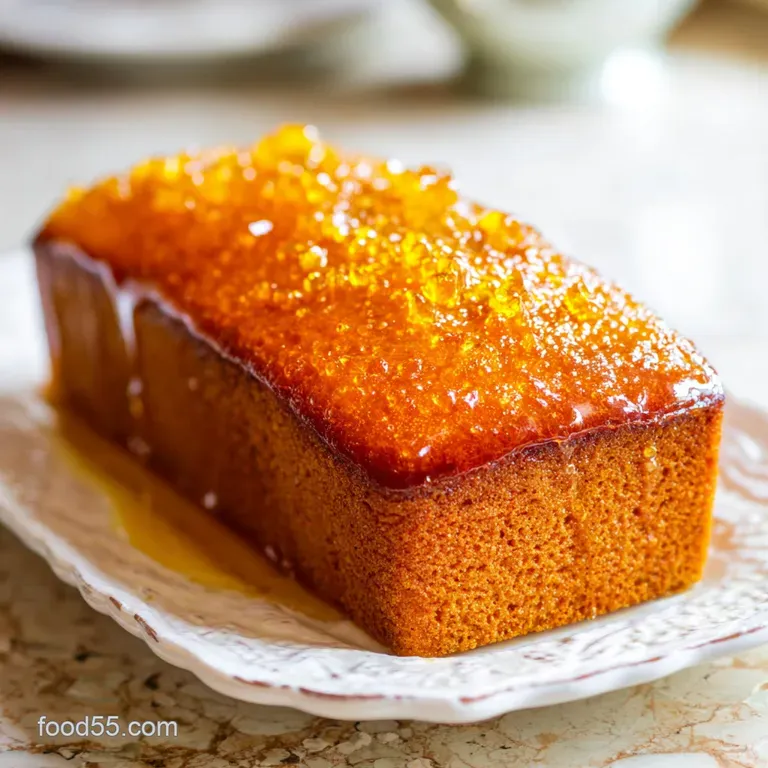
You don't need a fancy studio to make this, but a few specific tools make the process smoother. I always use a whisk for the butter and sugar it's faster than a fork and doesn't require the cleanup of a giant mixer.
- 9 inch round cake pan: The gold standard for this size. You can use a square pan, but the edges tend to dry out faster.
- Parchment paper: Don't trust the grease alone. Lining the bottom ensures the cake slides out without shattering.
- Small saucepan: For the syrup. Something with a heavy bottom is best so the sugar doesn't scorch.
- Fine mesh sieve: For the flour and baking powder to avoid those annoying lumps.
- Zester or Microplane: To get just the orange skin without the bitter white pith.
Chef Note: If you don't have a zester, just use a small grater, but be incredibly careful. Once you hit the white part of the peel, the cake will have a bitter aftertaste that honey can't hide.
Step by step Cake Process
Let's get moving. This process is divided into three phases: the chill, the bake, and the soak. Pay close attention to the smell cues they tell you more than the timer ever will.
Phase 1: The Syrup Chill
- Combine the honey, sugar, and water in a saucepan over medium heat. Simmer for 5 minutes, stirring occasionally until the sugar is fully dissolved and it smells like warm nectar.
- Stir in the lemon juice and bring to a quick boil for 2 minutes. Remove from heat immediately.
- Let the syrup cool completely to room temperature. Note: This is the most critical step for the texture.
Phase 2: The Batter Assembly
- Preheat oven to 350°F (175°C). Grease your 9 inch pan and line it with parchment.
- Cream the softened butter and sugar with a whisk until the mixture looks pale, fluffy, and light.
- Beat in the eggs one at a time, then stir in the vanilla extract until the batter is smooth and glossy.
- In a separate bowl, whisk together the flour, baking powder, and salt.
- Gradually alternate adding the dry ingredients and the milk into the butter mixture. Stir only until no streaks of flour remain. Note: Overmixing here leads to a tough cake.
Phase 3: The Bake and Soak
- Pour the batter into the pan and smooth the top. Bake for 30–35 minutes until the edges are golden brown and a toothpick comes out clean.
- Remove the cake from the oven. Immediately pour the cooled syrup over the hot cake.
- Let it soak for 40 minutes until the liquid has been fully absorbed and the surface looks moist but not swimming.
- Garnish with crushed pistachios and orange zest.
Fixing Common Baking Glitches
Even the best of us hit a snag. Usually, when a Greek Honey Cake goes wrong, it's a matter of temperature or timing.
Soggy Cake Causes
If your cake feels more like a pudding than a sponge, you likely poured the syrup in while it was still hot. When both the cake and syrup are hot, the structure of the cake collapses rather than absorbing the liquid.
Syrup Absorption Fix
If the syrup is just sitting on top after 40 minutes, your cake might have been overbaked. An overbaked cake creates a "skin" that blocks the syrup. Next time, pull it out 2 minutes earlier.
Cake Sinking Reason
A sinkhole in the middle usually happens if the oven door was opened too early or if the baking powder is expired. Make sure your oven is fully preheated before the cake goes in.
| Problem | Root Cause | Solution |
|---|---|---|
| Mushy Center | Syrup was too hot | Cool syrup for at least 1 hour |
| Dry Edges | Overbaked by 5 mins | Use a thermometer for 205°F internal |
| Dense Crumb | Overmixed flour | Stir only until streaks disappear |
To make sure you nail it on the first try, keep this checklist in mind:
- ✓ Butter is truly softened, not melted.
- ✓ Syrup is completely room temperature before pouring.
- ✓ Cake is poured into the pan and baked immediately.
- ✓ Flour is measured using the "spoon and level" method to avoid packing.
- ✓ Pistachios are added last to keep their crunch.
Customizing Your Honey Cake
One of my favorite things about this recipe is how flexible it is. Once you've mastered the basic Greek Honey Cake, you can start playing with the flavor profiles to match the season.
Gluten free Options
To make this a gluten-free greek honey cake, swap the all purpose flour for a high-quality 1:1 gluten-free baking blend. I recommend one that includes xanthan gum. Since GF flours absorb liquid differently, you might need an extra tablespoon of milk to keep the batter from becoming too thick.
Citrus Twist Ideas
If you want a citrusier twist, you can replace the orange zest with a mix of lemon and lime. This creates a much brighter, almost tropical vibe. For an even deeper flavor, replace the vanilla extract with a half teaspoon of almond extract.
Honey Choice
Different honeys change the soul of the cake. Orange blossom honey is the traditional choice for an authentic greek honey cake, providing a floral scent. If you use a dark buckwheat honey, the cake will be much richer and almost malty, which is great for winter months.
If you enjoy these kinds of modifications, you might find my madeleine cookies interesting, as they also rely on a specific temperature contrast for their signature hump.
| Goal | Modification | Result |
|---|---|---|
| More Nutty | Add 1/4 cup almond meal | Denser, grainier texture |
| Extra Zesty | Add 1 tsp orange extract | Intense citrus punch |
| Less Sweet | Reduce sugar by 2 tbsp | More honey forward taste |
When modifying, just remember not to change the liquid ratios too much. The balance of water, milk, and honey is what ensures the cake stays velvety.
Keeping It Fresh Longer
Because of the honey and syrup, this cake actually stays moist longer than a standard vanilla cake. However, you still want to handle it correctly to avoid it becoming a sticky mess.
Fridge Storage: Store the cake in an airtight container in the fridge for up to 5 days. The cold temperature actually makes the honey flavors more concentrated and the texture slightly fudgier.
Freezing Steps: You can freeze slices of this cake for up to 3 months. Wrap each slice individually in plastic wrap and then place them in a freezer bag. To thaw, let them sit in the fridge overnight.
Reheating Tips: I don't recommend microwaving this cake, as the honey can overheat and make the cake rubbery. Instead, let it come to room temperature naturally, or pop it in a 300°F (150°C) oven for 5 minutes just to take the chill off.
Zero Waste: If you have leftover syrup that didn't make it into the cake, don't toss it! It's a fantastic glaze for roasted carrots or a drizzle for morning pancakes. You can also use the leftover orange rinds to infuse your sugar for future baking.
Best Drinks and Sides
A Greek Honey Cake is quite rich, so you want pairings that cut through the sweetness. I find that the more acidic or bitter the drink, the better the cake tastes.
Drink Pairings: A strong, unsweetened Greek coffee or a bold espresso is the gold standard here. The bitterness of the coffee balances the floral sweetness of the honey. If you prefer tea, a hot Earl Grey with a slice of lemon mirrors the citrus notes in the cake perfectly.
Topping Suggestions: While pistachios are the classic choice, a dollop of thick Greek yogurt on the side adds a tangy contrast that is absolutely brilliant. For a more decadent version, a small scoop of vanilla bean ice cream provides a creamy temperature contrast to the room temperature cake.
Right then, that's everything you need to get this beauty on your table. This Greek Honey Cake is all about the process the simmering of the syrup, the creaming of the butter, and that final, satisfying soak. It's a labor of love that pays off in every single bite.
Trust the process, let the syrup cool, and enjoy the wonderful connections that happen when you share something this special. Happy baking!
Recipe FAQs
What is the name of the Greek honey cake?
It is simply called Greek Honey Cake. This moist sponge is a beloved home style dessert, distinct from the smaller, traditional honey cookies known as Melomakarona.
How to make Greek honey cake?
Simmer honey, sugar, and water, then prepare the butter based batter. Bake the cake at 350°F (175°C) for 30 35 minutes and pour the cooled syrup over the hot cake immediately.
Which cake is best for diabetics?
None of the ingredients in this cake are suitable for diabetics. Because this recipe relies on honey and granulated sugar for texture and flavor, a sugar-free alternative is recommended.
What is the most famous Greek dessert?
Baklava is generally considered the most famous. However, Greek Honey Cake is highly prized for its softer, citrus infused profile and soak-in syrup.
Is it true I must boil the syrup for an hour to get the right texture?
No, this is a common misconception. You only need to simmer the honey mixture for 5 minutes and boil it with lemon juice for 2 minutes to achieve the correct consistency.
Why did my cake not soak up the syrup?
The syrup was likely too hot or the cake was too cold. For maximum absorption, ensure the syrup is cooled completely to room temperature and poured over the cake the moment it leaves the oven.
Can I serve this with a savory Mediterranean appetizer?
Yes, the sweet tart profile balances salty flavors perfectly. If you enjoy these regional tastes, try pairing this dessert with a savory chicken flatbread.
Greek Honey Cake