Maplebrown Butter Roasted Acorn Squash with Crisp Sage
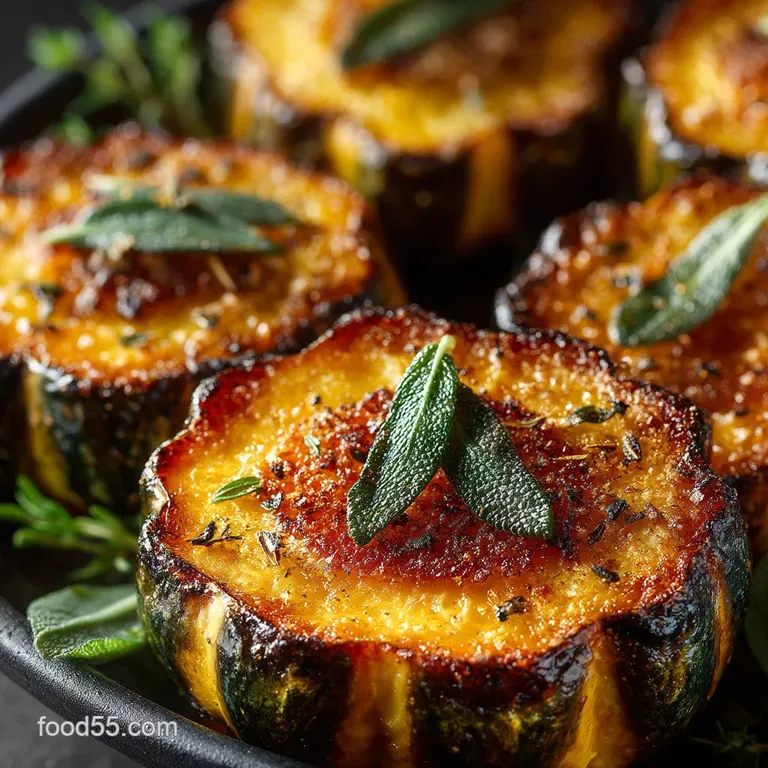
- Transforming Humble Squash: Why This Roasted Acorn Squash Recipe Reigns Supreme
- The Essential Cast: Ingredients for Our Brown Butter Glaze and Perfect Roast
- The Royal Process: Step-by-Step Guide to Roasting and Glazing
- Squash Secrets: Tips, Pairings, and Nutritional Insights
- Recipe FAQs
- 📝 Recipe Card
Transforming Humble Squash: Why This Roasted Acorn Squash Recipe Reigns Supreme
Few dishes capture the essence of the autumn and winter seasons quite like perfectly Roasted Acorn Squash . While preparing a simple baked squash is straightforward, mastering the art requires maximizing its inherent sweetness and ensuring a melt-in-your-mouth tenderness.
This specific roasted acorn squash recipe elevates the experience by introducing complex, nutty notes that transform a humble vegetable into a culinary centerpiece.
We move beyond simple butter and salt to deliver a seasonal showstopper that is deeply comforting, subtly sweet, and wonderfully aromatic, a true triumph of simplicity and flavor.
Harnessing the Magic of Brown Butter and Crisp Sage
The secret weapon in this creation is the rich, layered glaze. By using the technique of browning the butter, we unlock a depth of flavor that is reminiscent of toasted hazelnuts, instantly adding sophistication to the dish.
This "nutty" element, combined with the caramelized sugar, is precisely what earns this the moniker of Maple-Brown Butter Acorn Squash . The infusion of pure maple syrup provides the perfect natural complement to the earthy squash, ensuring a gorgeous sticky sheen without being cloyingly sweet.
On top of that,, we infuse this magnificent glaze with fresh sage leaves, which are then crisped and used as a delicate, fragrant garnish. This combination ensures that every spoonful of roasted acorn squash with brown sugar and butter (or in this case, maple) offers both sweetness and a delicate herbal complexity.
A Gourmet Side Dish Made Effortlessly Easy
Despite its gourmet flavor profile and showstopping appearance, this is an incredibly approachable recipe. We categorize the preparation as genuinely easy, making it perfect for both weeknight dinners and holiday gatherings. The process relies heavily on passive cooking time.
While the total time clocks in at about 65 minutes, the active prep work, slicing the two Acorn Squash and whipping up the glaze, takes a mere 15 minutes.
The majority of the time is spent letting the Acorn Squash In Oven work its magic, transforming the sturdy flesh into a tender, creamy treat.
The Essential Cast: Ingredients for Our Brown Butter Glaze and Perfect Roast
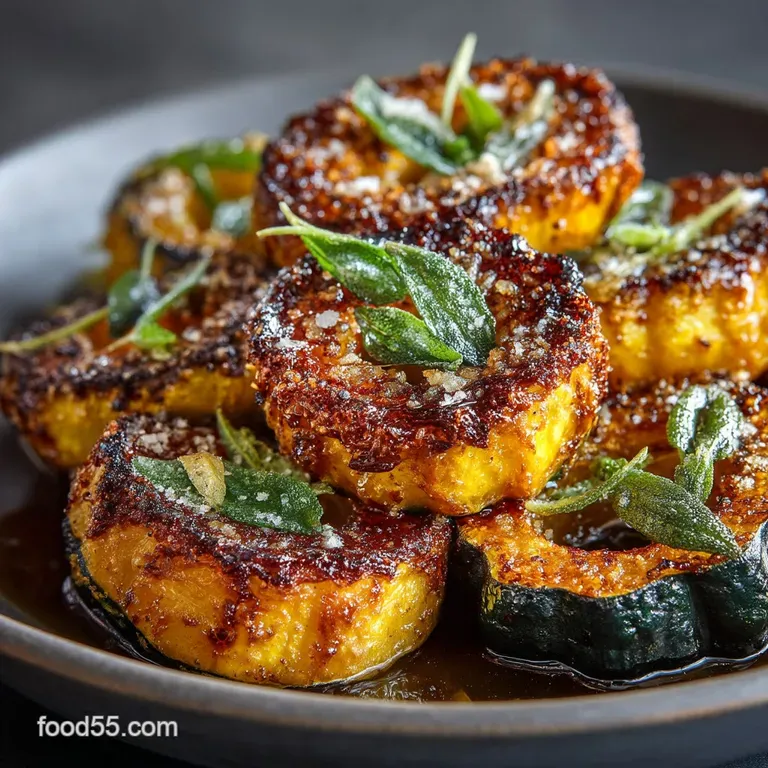
Creating an exceptional dish always starts with high-quality ingredients, and this roasted acorn squash recipe is no exception. We focus on just a handful of items, ensuring maximum flavor payoff with minimal fuss.
How to Choose and Prep the Best Acorn Squash
When selecting the star ingredient, look for medium-sized squash (ideally 700g to 1 kg each) with deep green skin that is free of soft spots or blemishes. A heavier squash often indicates better moisture content. Preparing Winter Squash can feel intimidating due to its hard rind, but safety is key.
After washing and drying, the best method for stability is to slice a tiny piece off the rounded bottom of the squash so it sits flat on the cutting board before carefully slicing it lengthwise into two symmetrical roasted acorn squash halves .
Once the halves are prepped, use a sturdy metal spoon or an ice cream scoop to quickly and efficiently remove the stringy pulp and seeds before brushing lightly with a neutral oil, salt, and pepper.
Recommended Kitchen Tools for a Flawless Finish
While this recipe requires minimal equipment, having the right tools makes the preparation safer and more effective. A large, sturdy chef’s knife is non-negotiable for handling the hard shell of the squash.
You will also need a large rimmed baking sheet, we suggest lining it with parchment paper for the easiest cleanup. Crucial for the glaze is a small saucepan or butter warmer, which allows you to monitor the browning butter closely.
Finally, a simple pastry brush is essential for evenly coating the roasted acorn squash halves with the rich, sticky glaze.
Smart Swaps: Alternative Sweeteners and Herbs
While the combination of brown butter and sage is divine, this recipe is highly adaptable. If pure roasted acorn squash maple syrup is unavailable, you can substitute it successfully with good quality honey or agave nectar, though the deep, dark notes of maple syrup are highly recommended for the best results.
For those looking for a different herbal profile, fresh thyme or rosemary can be swapped in place of the sage. If you prefer to change the Winter Squash entirely, Delicata squash or pre-peeled segments of Butternut squash can be used with similar timings, providing a delicious alternative to the traditional shape of Acorn Squash .
Related Recipes Worth Trying
- Golden Crunch Seriously Addictive Parmesan Roasted Cauliflower — This easy Parmesan Roasted Cauliflower recipe delivers a golden irresistible crunch Forget boring veg learn the simple highheat trick for perfect Garlic...
- UltraCrispy HerbCrusted Roasted Chicken Recipe — Forget soggy skin This stunning Roasted Dish features a shatteringly crisp chicken bathing in root vegetables A foolproof Sunday dinner classic
- Moist Stuffed Turkey Breasts with Butternut Squash Sage — Master the perfect roast turkey breast This recipe delivers tender Stuffed Turkey Breasts with Butternut Squash Sage Pecansa light yet gourmet centrepiece
The Royal Process: step-by-step Guide to Roasting and Glazing
The beauty of this roasted acorn squash recipe lies in its simple, phased approach. We handle the tenderizing first, then apply the flavor bomb, ensuring perfect texture and superb caramelization every time.
Preparing Your Squash Halves for Optimal Roasting
Begin by preheating your oven to a piping hot 400° F ( 200° C). After you have successfully sliced and seeded your two Acorn Squash and seasoned the cut surfaces, it’s time for the first critical technique: placing the squash cut-side down on your prepared baking sheet.
This initial placement traps the moisture released during cooking, allowing the flesh to gently steam. This preliminary roast is key to creating a gorgeously creamy texture inside the skin, preventing the final dish from being dry or tough.
Achieving Tender Perfection in the Oven
The initial roast will take about 30 minutes. During this phase, the skin may begin to slightly blister, and the flesh will soften significantly. If you opt to cut your squash into roasted acorn squash slices or segments instead of halves, you may need to reduce the time slightly, but the goal remains the same: achieving tender perfection.
After 30 minutes, remove the baking sheet, flip the squash halves, and you should find a wonderfully soft, moist interior ready to accept the glaze.
Mastering the Nutty Aroma of Maple Brown Butter
While the squash is roasting, dedicate five minutes to creating the star glaze. In a small saucepan over medium heat, melt the cubed unsalted butter along with the whole fresh sage leaves.
The process of browning requires attention: the butter will melt, then foam, and finally, small, dark brown solids (the toasted milk proteins) will form at the bottom. Once you smell a rich, nutty aroma, like toasted hazelnuts, and the sage leaves are crisp, remove the pan immediately from the heat.
Carefully fish out the now-crisp sage and set it aside for garnishing. Immediately stir in the pure roasted acorn squash maple syrup . This creates a thick, aromatic glaze that perfectly embodies the rich profile of roasted acorn squash with brown sugar and butter .
Final Assembly: Glazing and Serving Your Spectacular Roast
With the squash flipped and the glaze ready, generously brush the cavity and exposed flesh of the Acorn Squash In Oven with approximately half of the maple-brown butter mixture. If you want maximum flavor absorption, gently pierce the squash flesh with a fork before glazing.
Return the sheet to the oven for a final 15 to 20 minutes. This last stage encourages deep caramelization along the edges. Once the flesh is completely fork-tender, remove the squash, drizzle the remaining glaze over the top, and sprinkle with the saved crisp sage leaves and a tiny pinch of flaky sea salt for textural crunch.
Squash Secrets: Tips, Pairings, and Nutritional Insights
This spectacular side dish is now ready, but a few final pieces of advice will help you manage leftovers and pair the rich flavors perfectly.
Troubleshooting: Why Is My Squash Still Hard?
If you find that your roasted acorn squash halves are still firm after the recommended 45–50 minutes, the most common culprit is either an oven temperature discrepancy or a very large, dense squash. Ensure your oven is accurately set to 400° F.
If the squash is large, simply return it to the oven for an additional 10 to 15 minutes, or until a fork slides through the thickest part of the flesh without resistance.
Remember that placing the squash cut-side down initially is essential for steaming, which significantly accelerates the tenderizing process.
Storing Leftovers and Reheating Baked Acorn Squash
Leftover baked Acorn Squash stores beautifully. Allow the halves to cool completely before placing them in an airtight container in the refrigerator, where they will keep for three to four days.
To reheat, the best method is placing the halves (or roasted acorn squash slices ) back into a toaster oven or standard oven at 350° F ( 175° C) until warmed through. This prevents the flesh from turning mushy, which can happen if microwaved.
The Best Main Courses to Serve Alongside This Dish
The sweet and savory notes of this Maple-Brown Butter Acorn Squash make it a natural fit for rich proteins. It pairs exquisitely with a perfectly seared Pork Loin Roast, or provides a bright, grounding contrast to heavy dishes like slow-cooked Lamb Shank.
To balance the meal, we recommend serving it alongside something slightly acidic or bitter, such as a sharply dressed Arugula and Feta Salad or sautéed Swiss Chard finished with a squeeze of fresh lemon juice.
Understanding the Health Benefits of Winter Squash
As a nutrient-dense member of the Winter Squash family, the humble Acorn Squash offers more than just exceptional flavor. It is an excellent source of dietary fiber, supporting digestive health, and provides significant levels of vitamins A and C.
Despite the addition of the brown butter glaze, the foundation of this dish is a whole, healthy vegetable, ensuring that this indulgent-tasting side dish contributes beneficial nutrients to your seasonal menu.
Recipe FAQs
Blimey, the skin is so tough! What's the best way to cut an acorn squash without losing a finger?
Safety first, always! The trick for brilliant Roasted Acorn Squash is stability. Slice off the very top and bottom of the squash first so it sits flat like a soldier on your board. Then, use a heavy, sharp chef's knife and cut slowly down the middle.
If it’s proving particularly stubborn, pierce the skin slightly and microwave the whole squash for 3–4 minutes to soften it up a tad, a real game-changer!
Why do we roast the squash cut-side down initially? Isn't that a bit counterintuitive?
Not at all, my friend! This is a little clever cooking trick. Roasting cut-side down creates a humid environment where moisture is trapped, essentially steaming the flesh from the inside.
This ensures your squash is wonderfully tender and creamy throughout before you flip it over for the final 15 minutes to caramelise those edges with the glorious maple-brown butter glaze.
I love the maple and sage, but can I substitute the glaze ingredients or make the dish a tad less sweet?
Absolutely, you can tailor this to your liking! For a less sweet result, simply halve the maple syrup amount and substitute the missing liquid volume with a quality vinegar (like balsamic or cider vinegar) for a sophisticated tang.
Alternatively, if sage isn't your cup of tea, fresh rosemary or thyme works wonderfully for a different aromatic profile. If you skip the maple entirely, season with garlic powder and chilli flakes for a more savoury finish.
I’ve made too much! What’s the best way to store leftover Roasted Acorn Squash and warm it up without it drying out?
Jolly good thinking to plan ahead! Leftover squash keeps beautifully in an airtight container in the fridge for up to 3–4 days. When reheating, avoid the microwave if possible, as it can make the texture rubbery.
Instead, wrap the halves loosely in foil and pop them back into a moderate oven (350°F / 175°C) for 10–15 minutes until heated through. If they look dry, brush them with a little extra butter or oil before warming.
Is this dish actually healthy, considering all the butter and maple syrup used in the glaze?
That's a fair point, but it's all about balance! While the brown butter glaze adds richness and flavour, the acorn squash itself is a nutritional powerhouse, packed with fibre, Vitamin C, and essential antioxidants like beta-carotene.
This dish offers a wonderful, nutrient-dense treat suitable for a Sunday roast or special occasion, and is excellent when served as a fibre-rich replacement for plain potatoes.
MapleBrown Butter Roasted Acorn Squash Recipe with Crisp Sage