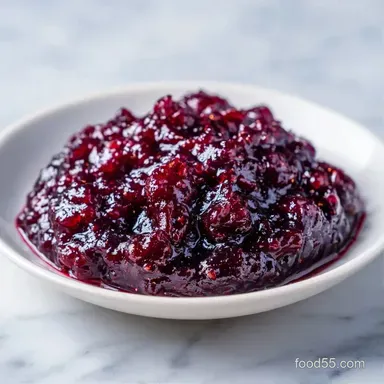
Low Sugar Mulberry Jam: Bright and Glossy
- Time: 15 min active + 25 min cook
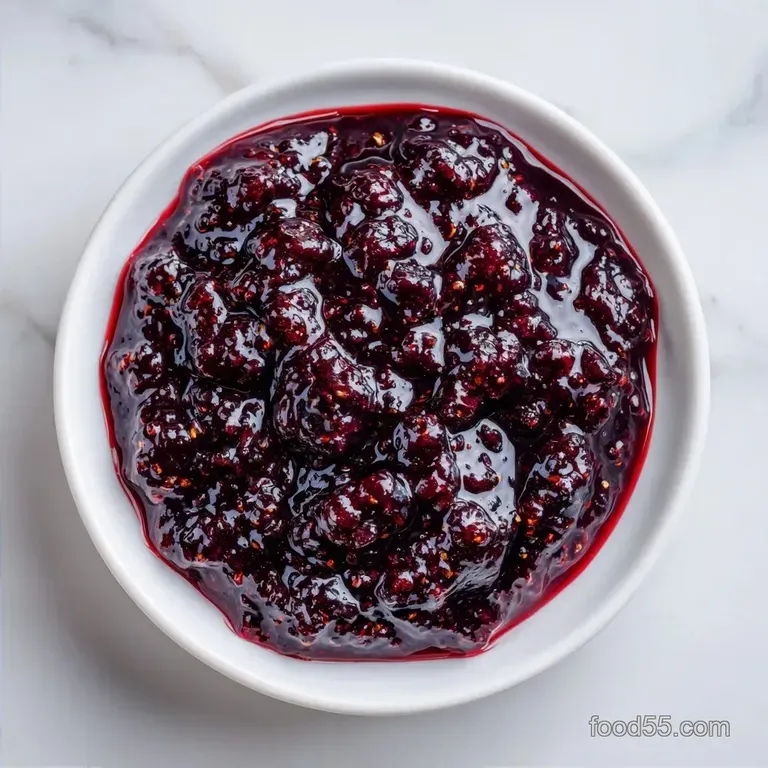
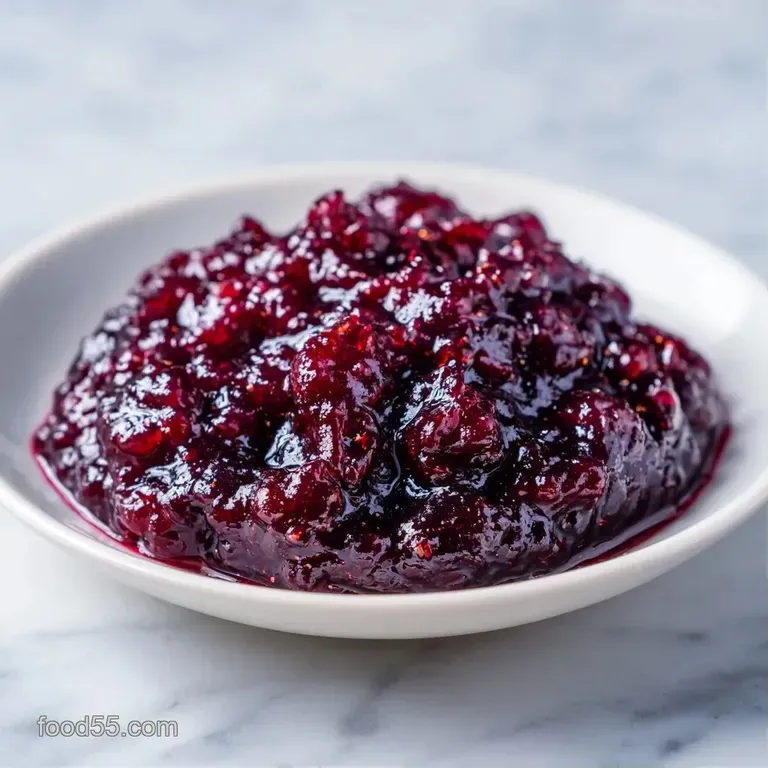
- Flavor/Texture Hook: Deep purple, glossy, and thick
- Perfect for: Brunch toast or gifting to neighbors
That deep, ink purple stain on your fingertips is the first sign you're doing it right. I remember the first time I tried making jam with berries from a backyard tree; I treated them like raspberries, but they're different. They have this delicate, honey like sweetness that disappears if you overcook them.
Most store-bought options are just sugar and corn syrup. This Mulberry Jam actually tastes like the fruit. It's vibrant and fresh, leaning into the seasonal produce rather than masking it.
You'll get a spread that's thick enough to stay on a scone but soft enough to swirl into yogurt. It's a simple process, but there are a few specific cues to watch for so you don't end up with syrup.
Making Small Batch Mulberry Jam
The most important part of this recipe is the pectin choice. Since we're keeping the sugar low, standard pectin won't work. I use low methoxyl pectin because it bonds with calcium in the fruit instead of relying on high sugar concentrations to gel.
Low Sugar Balance: Low methoxyl pectin allows a set at much lower sugar levels, preserving the fruit's natural acidity. Acid Interaction: Lemon juice reacts with the pectin to create a stable network, ensuring the jam doesn't weep.
| Fruit Source | Set Time | Flavor Profile | Best Use |
|---|---|---|---|
| Fresh Mulberries | 25 mins | Bright and tangy | Fresh toast |
| Frozen Mulberries | 30 mins | Deeper, cooked taste | Baked goods |
| store-bought Puree | 20 mins | Muted and sweet | Glazes |
The Logic Behind the Set
Right then, let's look at why these specific ingredients matter. If you've ever had jam that felt like jelly , worse, like soup, it's usually a pectin or acid issue.
| Ingredient | What It Does | Best Swap |
|---|---|---|
| Mulberries | Provides base flavor and color | Blackberries |
| Low Methoxyl Pectin | Creates the gel structure | Chia seeds (texture changes) |
| Lemon Juice | Balances sugar and aids set | Lime juice |
| Cane Sugar | Adds sweetness and gloss | Honey (reduce liquid) |
The Essential Jam Ingredients
I've found that using organic cane sugar gives a cleaner taste than white table sugar. If you're looking for a Low Sugar Mulberry Jam, this version is exactly what you need.
- 2 lbs fresh mulberries, washed and stemmed Why this? Fresh berries have the best pectin balance.
- 1 tbsp lemon juice, freshly squeezed Why this? Fresh acid triggers the pectin bond.
- 1 tsp lemon zest, finely grated Why this? Adds a bright, citrusy top note.
- 1/2 cup granulated cane sugar Why this? Provides a subtle sweetness without overpowering.
- 1.75 oz low methoxyl pectin Why this? Specifically for low sugar recipes.
- 1/4 tsp salt Why this? Cuts through the sugar and brightens fruit.
Gear for the Kitchen
You don't need a professional cannery, but a few things make this easier. Use a wide, heavy bottomed pot. Stainless steel is best because it doesn't react with the lemon juice.
I also suggest using a digital thermometer. According to Serious Eats, hitting the exact gel point is the only way to ensure consistency across different batches of fruit. You'll also need a potato masher and a few half pint glass jars.
Step by step Jam Making
- Combine the washed mulberries, lemon juice, and lemon zest in your wide pot.
- Use a potato masher to lightly crush about one third of the berries. Note: This releases the juices and natural pectin early.
- Stir in the granulated cane sugar, salt, and low methoxyl pectin.
- Set the heat to medium high. Stir constantly so the pectin dissolves and doesn't clump.
- Bring the mixture to a rolling boil.
- Maintain the boil for 5–7 minutes, stirring occasionally to prevent scorching.
- Cook until the mixture reaches 220°F (104°C).
- If you don't have a thermometer, use the plate test: put a dollop on a cold plate and push it with your finger. It should wrinkle.
- Remove from heat and let it sit for 2 minutes. Note: This lets the air bubbles escape for a smoother look.
- Pour the Mulberry Jam into glass canning jars.
Solving Common Jam Problems
Even with a simple recipe, things can go sideways. Most issues with Mulberry Jam come down to temperature or fruit water content.
Why is my jam too runny?
This usually happens if the boil wasn't maintained long enough or the temperature didn't hit 220°F. Fruit varies in water content, so the timer is just a guide. The thermometer is the truth.
How do I remove the white foam?
That foam is just trapped air and proteins. You can skim it off with a spoon during the boil, or just stir it back in. It doesn't affect the taste of the Sugar Mulberry Jam.
My jam tastes too tart
If the lemon is too strong, you might have over zested. A tiny pinch more salt can actually balance the acidity better than adding more sugar.
| Problem | Root Cause | Solution |
|---|---|---|
| Jam won't set | Under boiled or wrong pectin | Re boil to 220°F |
| Burnt bottom | Heat too high/low stirring | Use medium heat and stir more |
| Dull color | Overcooked fruit | Stop exactly at gel point |
Variations and Flavor Swaps
If you have a surplus of different berries, you can experiment. I've found that mixing this with a bit of raspberry adds a nice sharpness. If you like other forest fruits, my blackberry jam uses a similar method.
The Botanical Infusion: Stir in a teaspoon of dried lavender during the final 2 minutes of boiling. It makes the Mulberry Jam feel like something from a fancy French bakery.
The Warm Spice Twist: Add a cinnamon stick or a pinch of ground cloves. This is great for a Sugar Mulberry Jam that you plan to serve with warm biscuits.
The Honey Sweetened Swap: Replace the cane sugar with honey. Just remember that honey is a liquid, so you might need to boil the jam for an extra 3-5 minutes to reach the correct thickness.
Scaling the Batch
Scaling Down: To make a half batch, use 1 lb of berries and half the sugar/pectin. Use a smaller saucepan so the liquid doesn't evaporate too quickly, or you'll end up with a thick paste instead of jam.
Scaling Up: If you're doubling the recipe, don't just double the pectin. Increase pectin to 1.5x of the doubled amount. Too much pectin makes the Mulberry Jam rubbery and artificial. Also, work in batches if your pot is small to ensure the heat distributes evenly.
| Goal | Adjustment | Impact |
|---|---|---|
| Half Batch | 50% all ingredients | Faster cook time |
| Double Batch | 2x fruit, 1.5x pectin | Denser set, longer boil |
| Extra Tart | +1 tsp lemon juice | Brighter flavor, faster set |
Jam Myths
Myth: You need hours of simmering for a good set. Actually, long simmer times break down the pectin and dull the color. A fast, hard boil is what you want for this Mulberry Jam to keep that vibrant purple hue.
Myth: More sugar always equals a better set. That's only true for high methoxyl pectin. With the low methoxyl version used here, the set depends on calcium and acid, not sugar volume.
Storing Your Jam Long Term
Keep your jars in the fridge for up to 3 weeks. If you've processed them in a water bath, they'll stay good in a cool, dark pantry for a year. For the longest shelf life, make sure you leave about a half inch of headspace at the top of the jar.
If you have leftover berries that weren't quite ripe enough for the Mulberry Jam, freeze them in a single layer on a tray. Once frozen, toss them into a bag. These are great for smoothies or for making a blueberry jam blend later in the winter.
To avoid waste, don't throw away the stems if they're clean. You can dry them and use them in a wild berry tea.
Serving and Plating Ideas
This jam is gorgeous on a charcuterie board. Pair it with a sharp white cheddar or a creamy brie. The contrast between the salty cheese and the sweet Mulberry Jam is a winner.
For a breakfast look, swirl a spoonful into Greek yogurt and top with toasted almonds. If you're serving it at a brunch, put the jam in a small ceramic ramekin with a silver spoon. It looks sophisticated but takes zero effort.
Honestly, it's also great as a glaze for roasted pork or chicken. Just whisk a tablespoon of the jam with a bit of apple cider vinegar and brush it on during the last 10 minutes of roasting.
Recipe FAQs
What happens if I put less sugar in jam?
The jam may not set properly and will have a shorter shelf life. Sugar interacts with pectin to create the gel structure; reducing it often results in a syrupy consistency.
Is mulberry jam good for diabetics?
Generally no. This recipe uses granulated cane sugar, which can cause significant spikes in blood glucose levels.
Why are mulberries rarely sold in grocery stores?
Their extremely short shelf life. Mulberries are highly perishable and bruise easily, making them nearly impossible to transport over long distances without spoiling.
Do you need pectin for mulberry jam?
Yes, for a consistent set. While mulberries have some natural pectin, adding low-methoxyl pectin ensures the jam thickens correctly during the 5–7 minute boil.
In which other recipes can I use mulberries?
They are excellent in desserts and savory spreads. You can use them in a quick galette or simmer them into a tangy chutney.
Why didn't my mulberry jam set?
You likely didn't reach the required temperature. Ensure the mixture hits exactly 220°F (104°C) or passes the plate test to guarantee the pectin has activated.
How long does homemade mulberry jam last?
Up to 3 weeks in the refrigerator. If processed in a water bath, the jars will stay good in a cool, dark pantry for up to one year.
Mulberry Jam with Low-Methoxyl Pectin